Claim to Fame
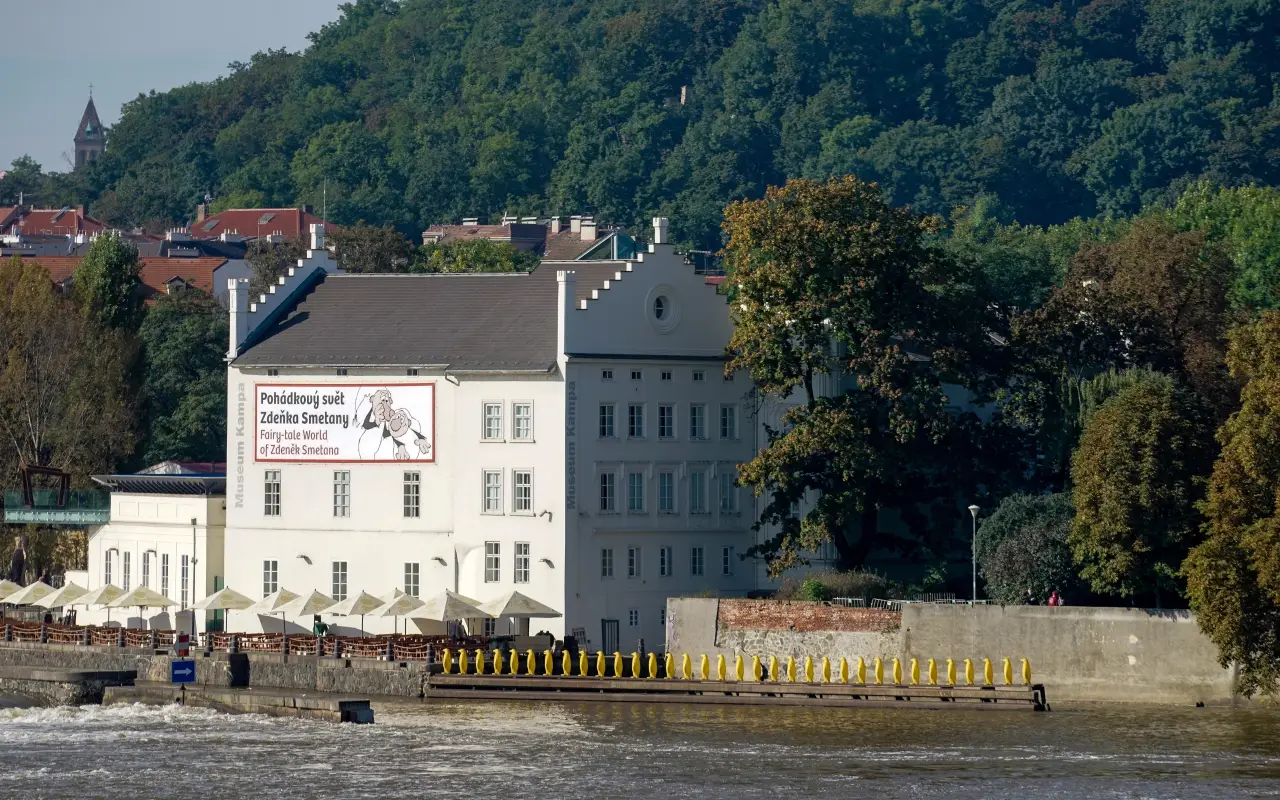
The Museum Kampa is renowned for its remarkable collection of Central European modern art, housed in a charming building on the picturesque banks of the Vltava River in Prague.
📌 Navigating Museum Kampa : Answers to Frequently Asked Questions
- How Long to Visit: Most visitors spend about 1.5 to 2 hours exploring the museum.
- Admission Fee: Admission fees vary, with discounts for students, seniors, and families.
- Important Information: Check the museum's website for special exhibits and events before your visit.
- Washrooms: Washrooms are available for visitor convenience within the museum.
- Hours of Operation: The museum operates from 10 AM to 6 PM, with extended hours on Wednesdays.
- Handicap Accessible: The museum is handicap accessible with ramps and suitable facilities.
- Pets: Pets are not allowed inside the museum, but service animals are permitted.
- Guided Tours: Guided tours are available and can enhance the visitor experience.
- Restaurant or Cafe: There is a café on-site offering light refreshments and snacks.
- Gift Shop: A gift shop features art books, souvenirs, and unique items related to the exhibits.
- Parking: Parking is available nearby, but it is limited and may require a fee.
- Family Friendly: The museum offers family-friendly activities and programs for children.
- Photography: Photography is allowed, but flash and tripods may be restricted.
- WIFI: Free WIFI is accessible throughout the museum.
- Picnic Area: A picnic area is not available, but nearby parks offer outdoor seating.
📌Heads up: All times, prices and visitor policies are subject to change without notice. Please check the official website for the most recent information.
Photos of Museum Kampa
What to Expect
As you step into the Museum Kampa, prepare to be enveloped in a serene atmosphere that emphasizes the beauty of modern art. The museum is set in a former mill, which provides a unique backdrop for the extensive narratives told through its exhibitions. You can expect not only to view the striking works of prominent Czech artists but also to engage with temporary exhibitions that showcase international contemporary art. The layout of the museum encourages exploration; gentle curves and open spaces lead you from one captivating piece to another. The collection primarily features the works of František Kupka and Otto Gutfreund, both of whom played pivotal roles in the evolution of modern art in the 20th century. Visitors are often struck by Kupka’s vibrant colors and Gutfreund's emotive sculptures, which together tell the story of a cultural revolution that stirred the very heart of Prague. Outside, the sculpture garden offers a unique fusion of art and nature, inviting strollers to contemplate the seamless connection between environment and creativity. The panoramic views over the Vltava River provide a perfect setting for reflection, immersing visitors in the city's artistic spirit while they enjoy the fresh air and beautiful surroundings.Background and Cultural Context
Museum Kampa was founded in 2003 by philanthropist Meda Mládková, who dedicated her life to the promotion of Czech art and culture. The museum's collection highlights the modern art movement that flourished in Prague throughout the 20th century, offering insight into the socio-political changes that influenced these works. Art became a powerful form of expression during times of both war and peace, and this museum beautifully captures that essence. The museum occupies a former mill that once played a vital role in the area’s industrial past. Its preservation and transformation into a cultural space is a testament to the growing appreciation of modern art in the city. As you wander through its galleries, it becomes evident how the tumultuous history of Prague and Central Europe is intricately woven into its artistic practices. Visitors can expect not just visual delights but also an educational journey through the events that shaped the artists and their works. Each exhibit fosters a discourse about identity, memory, and the human experience, bridging the gap between historical context and contemporary relevance. The museum serves as a vital cultural hub that continues to inspire future generations of artists and art lovers alike.Best Time to Visit
To fully appreciate the Museum Kampa and its surroundings, consider visiting during the spring or early autumn months. The pleasant weather during these seasons allows for a leisurely exploration of the museum’s outdoor sculptures and the charming city views along the Vltava River. Additionally, spring brings blooming flowers and vibrant greenery, enhancing the beauty of the museum's garden. Summer is also a popular time to visit, as many tourists flock to Prague. However, this can significantly impact your experience. If you prefer an intimate encounter with the artworks, aim for early mornings or weekdays, when the crowds are noticeably lighter. The tranquil ambiance of the museum becomes even more pronounced without the hustle and bustle of larger groups. Winter offers a different charm altogether; the museum’s cozy atmosphere invites reflection and inspiration during the colder months. Seasonal events and workshops may also take place around this time, providing unique opportunities for engagement with local artists and curators. No matter when you decide to visit, the Museum Kampa promises a memorable experience that resonates with its rich cultural heritage.How to Get There
Museum Kampa is conveniently located in the heart of Prague, easily accessible by various modes of transportation. If you choose to arrive via public transit, tram lines 12, 20, and 22 will take you to the nearby ˇSternbergova stop, just a short walk from the museum's entrance. Alternatively, the city’s metro system is another efficient option, with the nearest station being Malostranská, located about a 15-minute stroll away. The scenic route along the river is particularly delightful, offering glimpses of Prague's architectural marvels. If you prefer to explore on foot, the museum is within walking distance from many of Prague's iconic landmarks, such as Charles Bridge and the Prague Castle. The charming streets that wind around these attractions are lined with cafés and shops, perfect for a pre- or post-visit refreshment. Alternatively, you may choose to rent a bike or an electric scooter to make your journey more enjoyable and flexible. Taxis and ride-sharing services are also widely available, offering door-to-door convenience for those staying further afield. Regardless of your mode of transportation, the picturesque surroundings of the museum make every arrival a gratifying experience.Photo Opportunities
- Stunning views of the Vltava River from the museum’s terrace
- Captivating sculptures in the outdoor garden
- Artworks by František Kupka and Otto Gutfreund inside the galleries
- The picturesque setting of the former mill, blending history with modernity
- Various seasonal floral displays that enhance the area around the museum
Travel Tips
- Check the museum’s website for current exhibitions and any special events.
- Consider purchasing a combination ticket if you plan to visit other nearby museums.
- Visit during off-peak hours for a quieter experience.
- Wear comfortable shoes, as you might spend more time than expected exploring.
- Bring a camera to capture the beautiful views and artworks but be mindful of photography restrictions in certain areas.