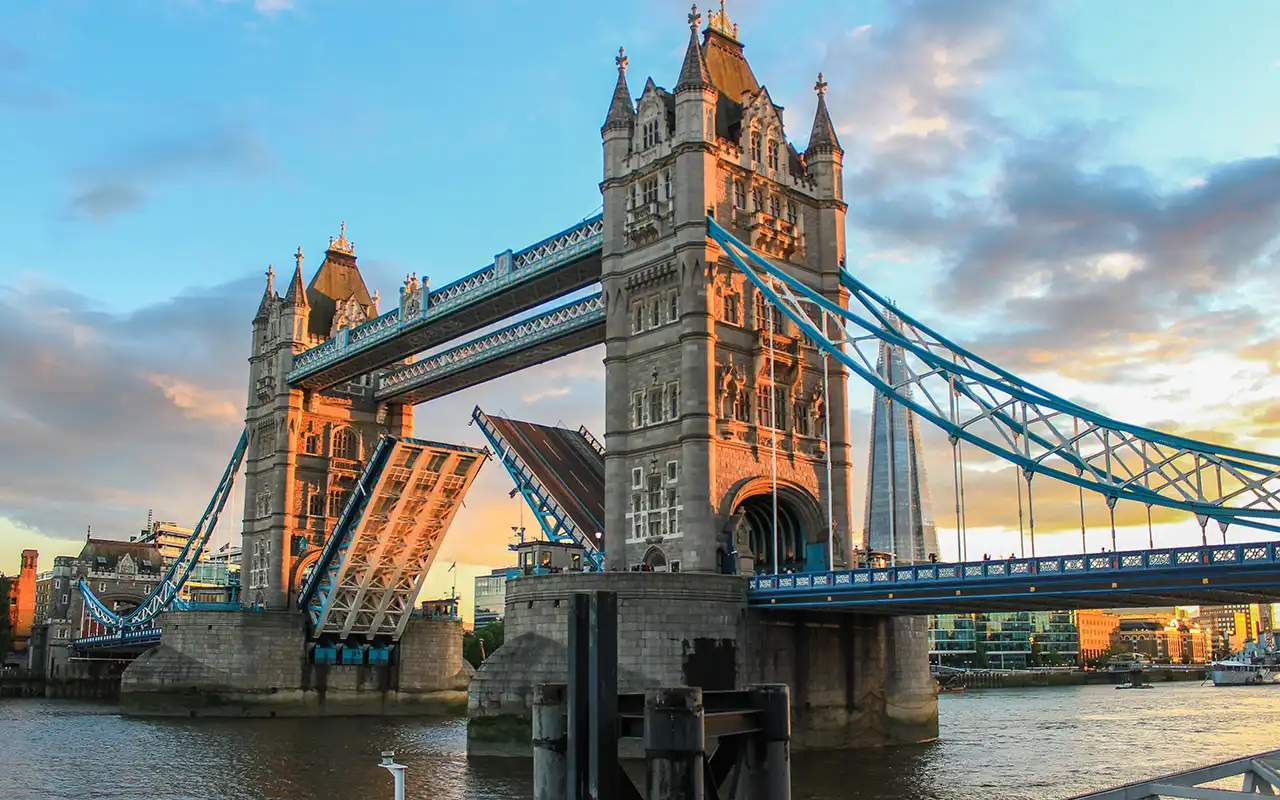
Claim to Fame
The Tower of London is world-renowned for its rich history as a royal palace, prison, and treasury, symbolizing the tumultuous evolution of England through the ages.
📌 Navigating Tower of London : Answers to Frequently Asked Questions
- Washrooms: Accessible restroom facilities are available.
- Hours of Operation: Opening hours vary, generally from 9 AM to 5:30 PM.
- Important Information: Check the official website for special events, closures, and ticket discounts.
- Admission Fee: Admission fee is required, with various ticket options available.
- How Long to Visit: Visitors typically spend 2-3 hours exploring the Tower.
- Family Friendly: Family-friendly with activities and exhibits for children, but some content may be more suitable for older children.
- Photography: Photography is permitted in most areas, but restrictions apply in the Jewel House.
- WIFI: Free WIFI is available in select areas.
- Picnic Area: No picnic areas within the Tower, but nearby public spaces are available.
- Parking: Limited parking available; it's best to use public transport.
- Pets: Pets are not allowed inside the Tower.
- Guided Tours: Guided tours by Yeoman Warders offer fascinating insights into the Tower's history.
- Restaurant or Cafe: Dining options available on-site, including cafes and a restaurant.
- Gift Shop: Gift shops offer a wide range of souvenirs, from historical books to themed merchandise.
- Handicap Accessible: The Tower is partially accessible, with many areas having uneven surfaces.
📌Heads up: All times, prices and visitor policies are subject to change without notice. Please check the official website for the most recent information.
Photos of Tower of London
What to Expect
Visitors to the Tower of London will find themselves stepping into a realm where history whispers from every stone. This iconic structure, perched on the banks of the River Thames, is a captivating fusion of architectural grandeur and dark intrigue. As you traverse the ancient walls, your senses will be awakened by the mesmerizing tales of the numerous monarchs who once resided here, the infamous prisoners who were held captive, and the spectacular collection of Crown Jewels that continue to dazzle all who behold them. Wander through the White Tower, the oldest part of the complex, built by William the Conqueror in 1066. Here, you'll be greeted by the imposing sight of the medieval fortifications and the majestic Great Hall. As you explore the Tower's various gates and towers, each room feels like a portal into a different era, echoing both the grandeur of royal celebrations and the somber realities of imprisonment. Engaging guides and immersive exhibitions breathe life into the Tower's storied past, ensuring that visitors leave with a deeper understanding of England's history. Don't overlook the Tower Green, the site of notable executions, including Anne Boleyn and Lady Jane Grey. The juxtaposition of beauty and brutality is palpable, as the serene garden area belies the tragic events that have unfolded on this ground. Prepare to be captivated as you stand in the very spots where history was made, creating a vivid connection to the past that few attractions can offer.Background and Cultural Context
The Tower of London has served myriad purposes throughout its 1,000-year history: a royal residence, military stronghold, prison, and treasury. Its architecture showcases the evolution of medieval building styles, transitioning from the austere robustness of the Norman design to later embellishments that reflect the artistic trends of the Tudor and Stuart periods. Each layer of construction tells a tale of battles won and lost, of betrayals, intrigues, and political power plays that shaped the English monarchy. Understanding the significance of the Tower in British history requires delving into the convoluted stories of the kings and queens who have passed through its gates. The infamous anecdotes surrounding the execution of political foes and royal rivals are woven intricately into the fabric of England's narrative. Notably, the disappearances of the two young princes, Edward V and his brother Richard, adds a mysterious allure that still captivates historians and tourists alike. In modern culture, the Tower's image is utilized as a powerful emblem of London's resilience and its royal heritage. Films, literature, and art resonate with themes drawn from its expansive history, reinforcing its status not just as a historical site but as a symbol of England itself. The Tower's ability to adapt and endure through the political turbulence of centuries cements its reputation as a focal point of national identity.Best Time to Visit
The optimal time to experience the Tower of London largely depends on your preferences for crowds and weather. The spring months of March to May are particularly enchanting, as the gardens surrounding the Tower burst into bloom. This season not only ushers in milder weather but also draws fewer tourists than the summer peak, allowing for a more intimate exploration of the venue's historic significance. Summer, from June to August, typically attracts the largest number of visitors. While this offers a vibrant atmosphere filled with various events and activities, it can also mean longer waits and crowded spaces. Within this season, early mornings or late afternoons are often the best times to avoid the throngs of tourists while still experiencing the full grandeur of the site. Alternatively, autumn (September to November) provides a picturesque backdrop, with the Tower surrounded by the warm hues of falling leaves. The cooler temperatures paired with fewer visitors lend a refreshing quality to your visit. Winter, though cold and often gray, transforms the Tower into a quiet sanctuary of history, with opportunities for unique seasonal activities and a chance to enjoy the site's ambiance without the bustling crowds.How to Get There
Reaching the Tower of London is convenient, thanks to its central location and excellent public transport links. The nearest Tube stations are Tower Hill on the district line and Aldgate on the metropolitan line, both within a five-minute walk of the Tower’s entrance. Visitors can take the London Underground from various parts of the city, making the Tower easily accessible for both locals and tourists. For those who prefer to explore on foot, a leisurely stroll along the Thames Path offers scenic views of the river and surrounding landmarks, including the iconic Tower Bridge. This journey from central London landmarks such as London Bridge or the Scoop at More London allows for leisurely sightseeing, making the approach to the Tower just as memorable as the visit itself. London buses also service routes to the Tower, and the iconic red double-decker bus is an adventure in itself. Visitors can hop on one of the many routes that connect to the city, allowing for a glimpse into London's vibrant street life as they approach the historic site.Photo Opportunities
- The iconic White Tower against the backdrop of a clear blue sky
- The Crown Jewels illuminated in their display cases
- The Tower Bridge framed by the Tower's walls
- Historical reenactments bringing the Tower's past to life
- The serene Tower Green with its lush gardens
- Night shots capturing the Tower beautifully lit against the night sky
Travel Tips
- Book your tickets online in advance to skip the lines.
- Arrive early to enjoy a quieter experience, especially during peak season.
- Consider joining a guided tour for a richer understanding of the Tower’s history.
- Wear comfortable shoes, as you will be doing a fair amount of walking.
- Check the schedule for live performances or events, as they can enhance your visit.
- Don’t forget to explore the surrounding area and nearby attractions.