Claim to Fame
The National Museum of Nature and Science in Tokyo is renowned for its extensive collections that illuminate the story of life on Earth, showcasing a harmonious blend of nature, science, and cultural history. It's a treasure trove for anyone eager to understand the intricate relationship between humanity and the natural world.
📌 Navigating National Museum of Nature and Science : Answers to Frequently Asked Questions
- Washrooms: Washrooms are available throughout the museum for visitor convenience.
- Hours of Operation: The museum operates from 9 AM to 5 PM, with extended hours during special events.
- Important Information: It is recommended to check the museum's website for current events and any temporary exhibit changes prior to your visit.
- Admission Fee: Admission fees vary by age and residency, with discounts available for students, seniors, and families.
- How Long to Visit: Visitors typically spend about 2 to 4 hours exploring the exhibits and participating in activities.
- Parking: The National Museum of Nature and Science has a designated parking area available for visitors, with both paid and free options nearby.
- Family Friendly: It is a family-friendly destination, offering interactive exhibits and programs designed for children and adults alike.
- Photography: Photography is permitted throughout the museum, but flash and tripods may be restricted in certain exhibit areas.
- WIFI: Free Wi-Fi is provided throughout the museum for visitors.
- Picnic Area: There is no dedicated picnic area on the museum grounds, but nearby parks may provide suitable locations.
- Handicap Accessible: The museum is fully handicap accessible, featuring ramps, elevators, and accessible restrooms.
- Pets: Pets are not allowed inside the museum, with the exception of service animals.
- Guided Tours: Guided tours are available for groups and can be scheduled in advance to enhance your experience.
- Restaurant or Cafe: The museum has a café that offers a variety of snacks and meals for visitors to enjoy.
- Gift Shop: A gift shop is located within the museum, featuring educational toys, books, and souvenirs.
📌Heads up: All times, prices and visitor policies are subject to change without notice. Please check the official website for the most recent information.
Photos of National Museum of Nature and Science
What to Expect
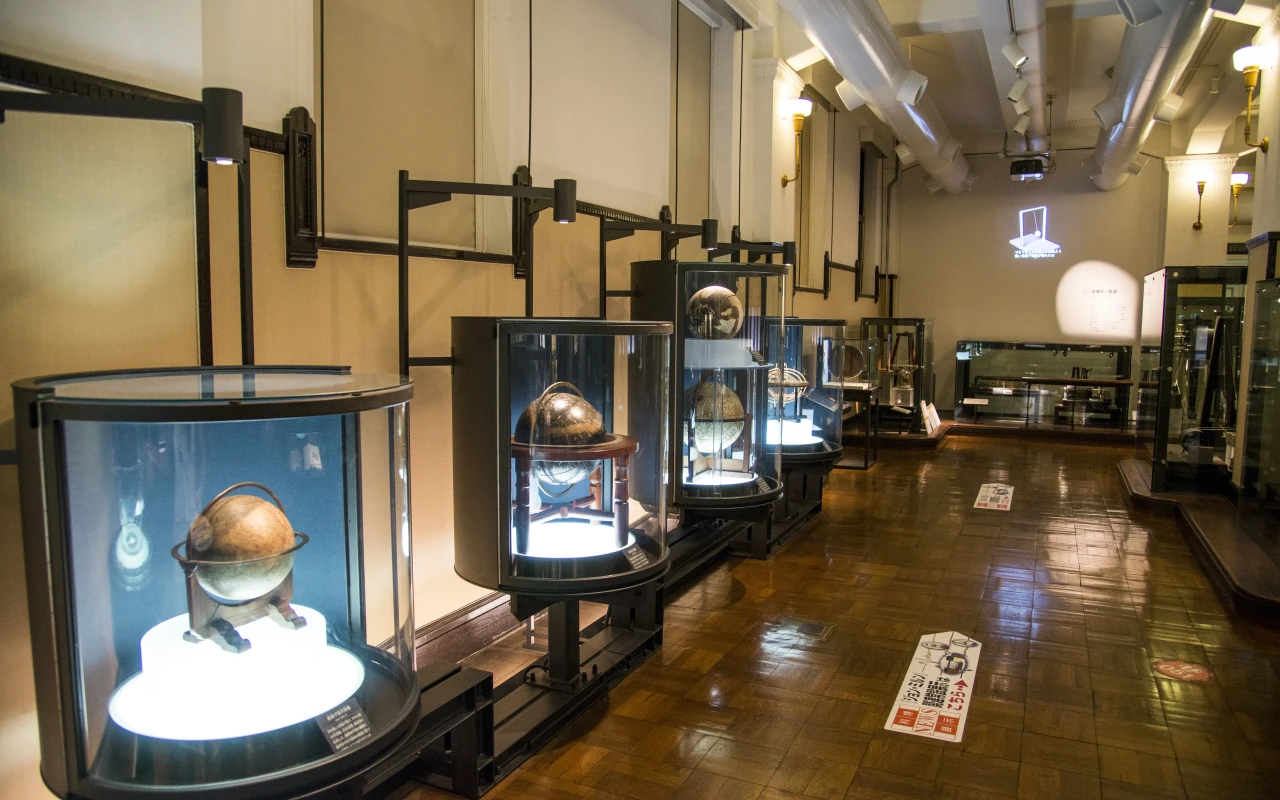
The National Museum of Nature and Science offers an immersive experience that captivates visitors of all ages. As you step into the museum, you'll be greeted by a vast array of exhibits that span the realms of natural history, anthropology, and science. The structure itself is a marvel, featuring modern architectural elements intertwined with historical designs that reflect Japan's dedication to education and preservation of biodiversity. In the Natural History section, you can explore expansive displays of dinosaur fossils, geological specimens, and dioramas that recreate ecosystems from around the world. The meticulous curation allows you to gain insights into evolution and the delicate balance of life across different environments. Interactive exhibits and multimedia presentations further engage the senses, making complex concepts accessible and enjoyable for everyone. The Science section delves into the technological advances that have shaped our understanding of the world, showcasing groundbreaking research in fields like biology, space exploration, and environmental science. From hands-on displays to informative lectures, this section emphasizes the importance of scientific inquiry in addressing contemporary global issues, such as climate change and conservation.Background and Cultural Context
Established in 1877, the National Museum of Nature and Science holds a prominent place in Japan's cultural and educational landscape. Originally part of the Imperial Museums, it has evolved into a leading institution for natural history and science, reflecting Japan's dedication to understanding the natural world. Its collections have grown significantly through the years, encompassing over 4 million specimens that range from fossils to scientific instruments. The museum also serves as a hub for research, contributing to various scientific fields through its partnerships with universities and conservation organizations. This commitment to advancement informs the exhibits, which highlight not only Japan's unique biodiversity but also the interconnectedness of life on a global scale. Through both permanent and temporary exhibitions, visitors can experience the breadth of knowledge that informs our understanding of nature and humanity’s role within it. Visiting this museum offers a glimpse into the values and traditions of Japan—respect for nature, a thirst for knowledge, and a commitment to education. This backdrop enriches the experience, making it not just a visit to a museum but a deep dive into the narrative of our planet.Best Time to Visit
The ideal time to explore the National Museum of Nature and Science is during the spring and autumn months when the weather is mild, and the surrounding Ueno Park is in full bloom. Cherry blossoms adorn the park from late March to early April, creating a stunning backdrop for your museum visit. Autumn, typically from late September to early November, transforms the landscape with vibrant foliage, inviting visitors to engage in leisurely strolls before or after their museum explorations. Moreover, weekdays tend to be less crowded than weekends, allowing for a more immersive experience. If possible, plan your visit in the morning when the museum opens to fully enjoy the exhibits without large crowds. Additionally, special exhibitions often launch during the spring and autumn, providing fresh experiences for repeat visitors. Regardless of when you visit, be sure to check the museum's calendar for any workshops, lectures, or special events that may coincide with your trip. These programs can enrich your understanding and make your visit even more fulfilling.How to Get There
Reaching the National Museum of Nature and Science is seamless, thanks to Tokyo's efficient public transport system. The museum is located in Ueno Park, making it easily accessible via several train lines. The nearest station is Ueno Station, which is conveniently served by multiple lines, including the JR Yamanote Line, Ginza Line, and Hibiya Line. Upon exiting the station, a short walk will lead you directly to the park entrance, marked by its iconic gate. If you prefer a more scenic route, consider taking a leisurely stroll through Ueno Park. This expansive space is home to various other attractions, such as the Ueno Zoo and several art museums, providing an ideal opportunity to combine cultural experiences during your visit. Alternatively, taxis and rideshare services are readily available if you prefer a more direct route. For those traveling from other parts of Japan, the shinkansen (bullet train) offers rapid transport to Tokyo, after which you can transfer to local trains to reach Ueno. With clear signage and helpful staff, navigating Tokyo's transport options is made straightforward, ensuring a smooth journey to this remarkable museum.Photo Opportunities
- The stunning dinosaur skeletons in the Natural History exhibit
- Intricate displays of mineral specimens sparkling in the light
- Interactive science exhibits that engage visitors of all ages
- The beautiful architecture of the museum against the backdrop of Ueno Park
- Seasonal cherry blossoms or autumn leaves enhancing your visit
Travel Tips
- Purchase tickets online in advance to skip the lines and secure your preferred time slot.
- Download the museum’s mobile app for exhibit information and educational resources during your visit.
- Join a guided tour to gain deeper insights into the exhibits and engage with knowledgeable staff.
- Explore nearby Ueno Park for a serene escape after your museum visit.
- Be prepared for varying crowd sizes, and consider visiting on a weekday for a more personal experience.