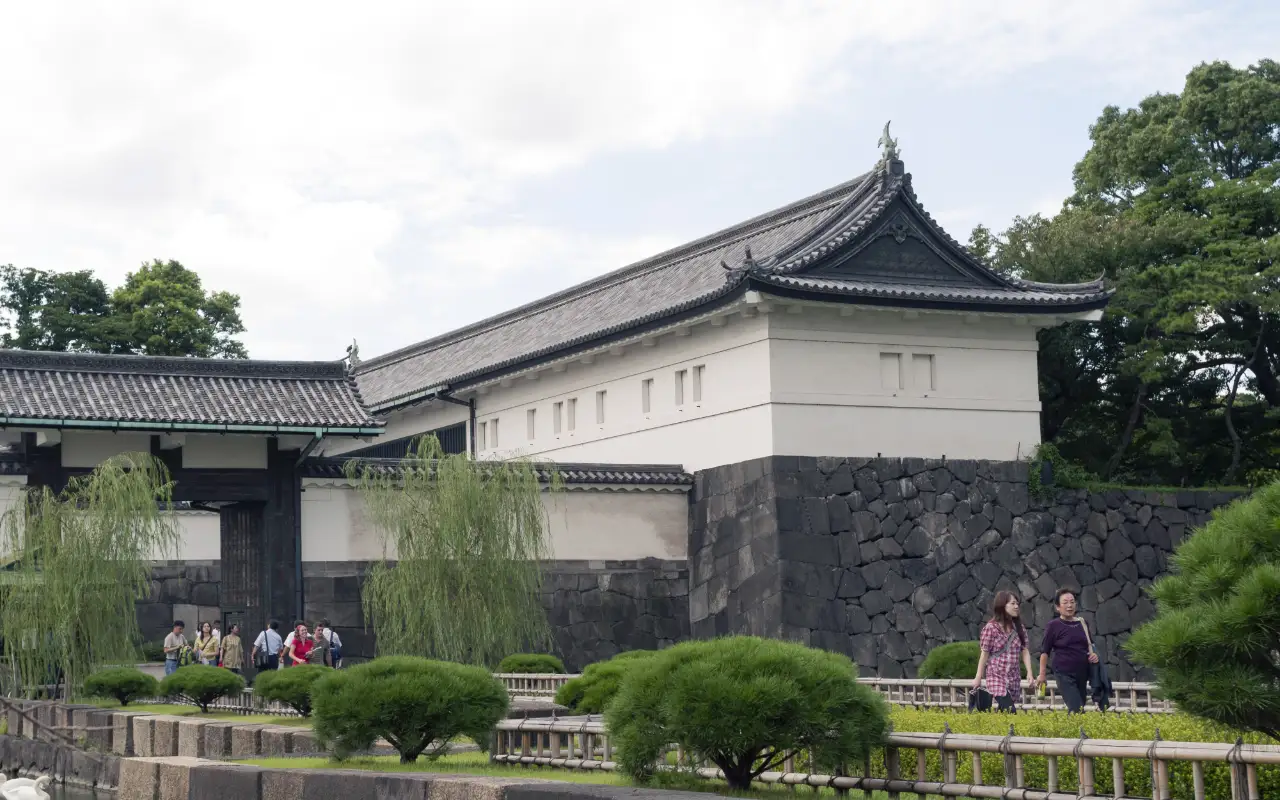
Claim to Fame
The Imperial Palace stands on the site of Edo Castle—Tokyo’s landmark seat of the Emperor—with massive stone walls, lush inner gardens, and the scenic Nijubashi double-arched bridge amidst the city center.
📌 Navigating Imperial Palace : Answers to Frequently Asked Questions
- Washrooms: Washrooms are available within the palace grounds for visitor convenience.
- Hours of Operation: The palace is open to visitors from 9 AM to 5 PM, with varying hours during holidays.
- Important Information: It is recommended to check the official website for any special events, closures, or changes in hours before visiting.
- Admission Fee: Admission to the Imperial Palace is free, but some specific areas may require a fee for entry.
- How Long to Visit: A visit typically lasts about 1 to 2 hours, depending on the extent of exploration and participation in tours.
- Parking: Limited parking is available nearby, with paid options in designated areas.
- Family Friendly: The site is family friendly, featuring spacious gardens and educational exhibits suited for all ages.
- Photography: Photography is permitted in designated areas, but tripods and commercial photography may require special permission.
- WIFI: Free Wi-Fi is accessible in certain areas of the palace, allowing visitors to connect while exploring.
- Picnic Area: Picnic areas are not available on the palace grounds, but nearby parks offer suitable spots for picnicking.
- Handicap Accessible: The Imperial Palace is handicap accessible, with ramps and elevators to facilitate movement.
- Pets: Pets are not allowed within the palace grounds to maintain cleanliness and preserve the environment.
- Guided Tours: Guided tours are available and provide detailed insights into the history and architecture of the palace.
- Restaurant or Cafe: There is a café on-site offering refreshments, though dining options may be limited.
- Gift Shop: A gift shop is located near the entrance, offering souvenirs and memorabilia related to the palace.
Photos of Imperial Palace
Enclosed by a broad moat and granite ramparts in Chiyoda Ward, the Imperial Palace offers a tranquil counterpoint to Tokyo’s skyscrapers. Visitors can explore the East Gardens—home to the remains of samurai residences, seasonal blooms, and the majestic guard towers—and glimpse the Imperial Residence on rare public days. Whether strolling beneath cherry blossoms in spring or along lantern-lit paths at dusk, the Palace grounds reveal layers of Japanese history from shogun rule to the modern monarchy.
What to Expect
Enter through the Ote-mon Gate into the East Gardens, where you’ll encounter the restored foundations of the Honmaru Palace, the picturesque Ninomaru garden ponds, and the Fujimi-yagura watchtower offering city views. Follow gravel paths past iris beds (late May–June) and maple groves (October) toward the Seimon Ishibashi (“Stone Bridge”)—one half of the iconic Nijubashi pair framing the main gate. Guided tours (in English and Japanese) introduce visitors to Edo Castle’s architectural legacy, while self-guided audio units narrate the gardens’ seasonal highlights.
Background and Cultural Context
Originally built in 1457 and expanded by Tokugawa Ieyasu in 1590, Edo Castle served as Japan’s de facto capital until 1868. After the Meiji Restoration, the Emperor’s court moved from Kyoto, and the castle became the Imperial Palace. Surviving earthquakes and wartime damage, its inner precincts were rebuilt in a restrained modern style, while the outer moats and walls retain centuries-old stonework. The Palace today functions as both a royal residence and a symbol of continuity, with public events like New Year’s Greeting Day inviting citizens onto the main plaza.
Best Time to Visit
The East Gardens are open daily (except Mondays and Fridays), 9 AM–4:30 PM (extended to 5 PM April–September). Cherry-blossom season (late March–early April) and autumn foliage (mid-November) draw photographers; arrive by 9 AM to avoid peak crowds. Imperial Family greeting events—New Year’s (January 2) and Emperor’s Birthday (February 23)—allow visitors onto the inner plaza around the Palace Bridge; tickets (free) are distributed in advance.
How to Get There
The East Gardens entrance is a 5-minute walk from Otemachi, Takebashi, or Nijubashi-mae stations (Tokyo Metro Marunouchi, Tozai, Hanzomon, and Chiyoda Lines). From Tokyo Station’s Marunouchi North Exit, it’s a 10-minute stroll past the Marunouchi Building. No parking is available—public transit is recommended. The East Gardens paths are paved or compact gravel; wheelchair rental is available at the Otemon Gate information desk.
Photo Opportunities
- Nijubashi Bridge reflected in the moat at dawn before tourist crowds arrive
- Cherry blossoms arching over the Seimon Ishibashi gate in spring
- Autumn maples glowing beside the Ninomaru Garden pond at golden hour
- Stonework detail of the Fujimi-yagura watchtower against a blue sky
- Lantern-lit pathways near the Imperial Household Agency building at twilight
Travel Tips
- Bring a small umbrella or hat—shade in the East Gardens is limited in summer.
- Carry bottled water; vending machines are available near entrances.
- Pick up a free English map and guide sheet at the Otemon Gate information counter.
- Wear comfortable walking shoes for gravel paths and occasional steps.
- Combine with nearby Hibiya Park or Marunouchi for cafés and culture after your visit.
FAQs
Is admission required?
No—entry to the East Gardens is free; guided tours of the inner palace grounds require advance online reservation (free).
Can I visit the main palace?
Inner Palace tours are offered in English and Japanese on select days (advance booking essential); general visitors see only the East Gardens and the plaza.
Final Thoughts
The Imperial Palace melds Japan’s feudal past with its modern identity—where moated fortifications, serene gardens, and glimpses of imperial pageantry create a uniquely Tokyo experience. A stroll through these historic grounds offers both peaceful respite and profound insight into the Chrysanthemum Throne’s enduring legacy.