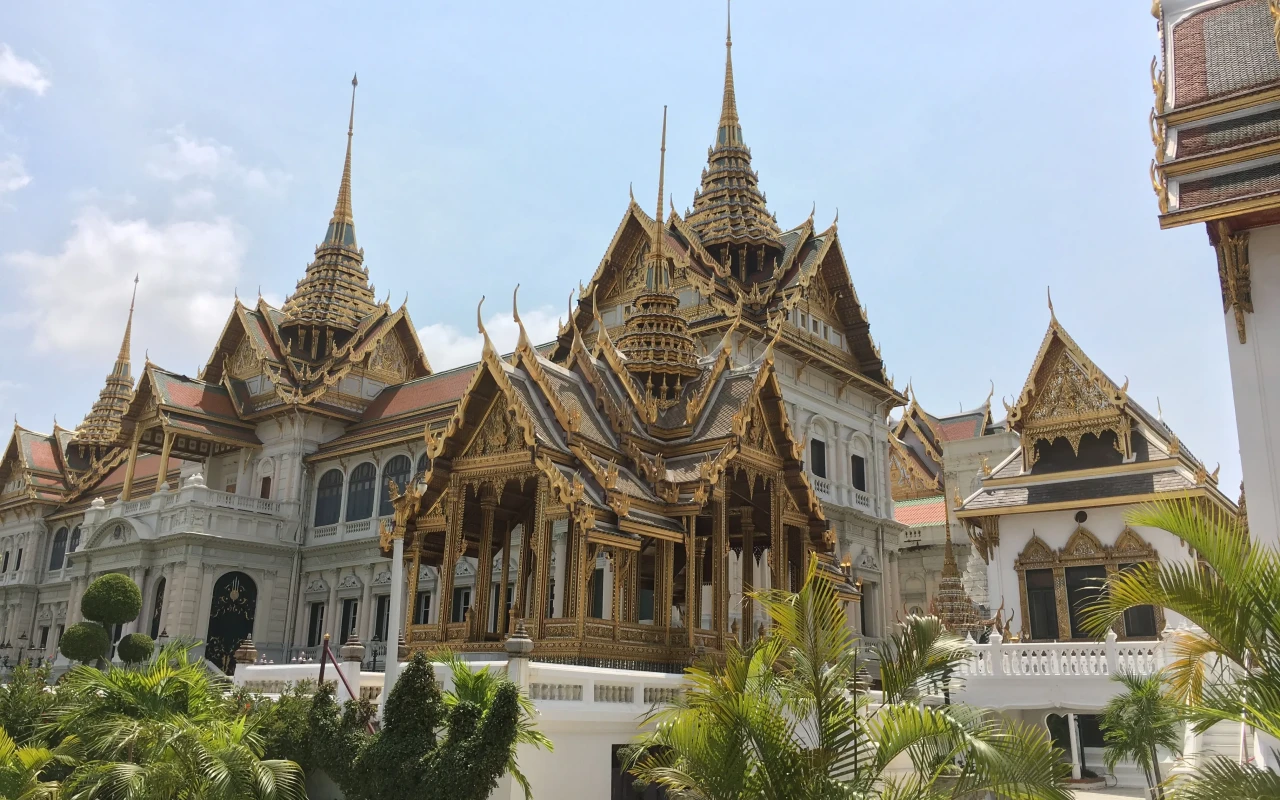
Claim to Fame
The Grand Palace in Bangkok is a magnificent architectural masterpiece and a symbol of Thailand's rich history and culture, attracting millions of visitors each year with its intricate designs and historical significance.
📌 Navigating Grand Palace in Bangkok : Answers to Frequently Asked Questions
- Admission Fee: The admission fee for the Grand Palace is typically around 500 Thai Baht for foreign visitors, which includes access to the Emerald Buddha Temple.
- How Long to Visit: Visitors usually spend about 2 to 3 hours exploring the Grand Palace to fully appreciate its intricate details and history.
- Hours of Operation: The Grand Palace is open daily from 8:30 AM to 3:30 PM, but hours may vary on public holidays.
- Important Information: Visitors are advised to dress modestly, covering shoulders and knees, as the Grand Palace is a sacred site.
- Washrooms: Washrooms are available within the complex, although they can be limited in number during peak tourist seasons.
- Handicap Accessible: The Grand Palace is partially handicap accessible, with ramps available in some areas, but visitors should check specific access routes in advance.
- Pets: Pets are not allowed within the Grand Palace grounds to preserve the sanctity of the site.
- Guided Tours: Guided tours are available, offering insights into the history and architecture of the palace, and can be booked in advance or on-site.
- Restaurant or Cafe: There are no restaurants or cafes inside the Grand Palace, but various options are available nearby for dining.
- Gift Shop: A gift shop is located on-site, offering souvenirs, handicrafts, and educational materials related to the palace.
- Parking: Limited parking is available near the Grand Palace, and it can fill up quickly, so public transportation is recommended.
- Family Friendly: The Grand Palace is family-friendly, offering educational experiences and spacious areas for children to explore safely.
- Photography: Photography is permitted in most areas, but visitors should respect signs indicating restrictions, especially in sacred spaces.
- WIFI: Free Wi-Fi is not available at the Grand Palace; visitors should consider using mobile data for connectivity.
- Picnic Area: Picnic areas are not permitted within the Grand Palace grounds, but nearby parks may offer suitable spots.
📌Heads up: All times, prices and visitor policies are subject to change without notice. Please check the official website for the most recent information.
Photos of Grand Palace in Bangkok
What to Expect
As you approach the Grand Palace, the grandeur of its gold-tipped spires and lush green gardens sets the stage for an enthralling exploration. The compound, sprawling over 218,400 square meters, showcases an inspiring blend of traditional Thai architecture and European influences, making it a quintessential part of any Bangkok itinerary. Visitors are often swept away by the complex's elaborate mosaics, detailed carvings, and the shimmering golden temples that glisten under the tropical sun. Inside the palace grounds, you will find numerous buildings, each with its own unique architectural style and purpose. From the impressive Emerald Buddha Temple, which houses Thailand's most revered religious artifact, to the mesmerizing Outer Court where royal ceremonies took place, every corner tells a story steeped in culture and history. Be prepared to walk extensively; the beauty of the palace lies in its intricate details, all of which demand thorough exploration and appreciation. The atmosphere can be vibrant, filled with tourists and locals alike, adding a lively spirit to the serene backdrop of the palace. However, early risers will enjoy a quieter experience, often finding moments to soak in the spirituality and peace that permeates the air around the sacred structures. A visit to the Grand Palace is not merely a sightseeing tour; it’s an immersive journey into the heart of Thailand’s royal history.Background and Cultural Context
Constructed in 1782 under the orders of King Rama I, the Grand Palace has served as the official residence of the Kings of Siam. It was established in the Rattanakosin era and symbolizes the historical shift as Bangkok became the capital of Thailand following the decline of Ayutthaya. The compound reflects the trajectory of Thai history from the ancient kingdoms through colonial influences, illustrating the evolution of its political and spiritual life. The architectural brilliance evident in the palace's design is a testament to the skills of ancient artisans who combined various styles to create a unique Thai aesthetic. Each building within the compound encapsulates valuable stories from the past, showing the blend of Hindu and Buddhist traditions that shaped the nation’s culture. The Emerald Buddha, housed in Wat Phra Kaew, stands as a national symbol, representing the heart of Thailand’s spiritual beliefs and serving as an important artifact of religious homage. Visitors will also notice a strong sense of ritual surrounding the palace, with numerous religious ceremonies carried out to uphold the nation’s spiritual foundations. As Thailand's cultural epicenter, the Grand Palace continues to be a vibrant hub where traditional rites blend seamlessly with modern-day Thailand, showcasing the resilience and continuity of its traditions throughout the ages.Best Time to Visit
To make the most of your visit to the Grand Palace, timing is critical. The best months to plan your trip are between November and February when the weather is cooler and less humid. This period aligns perfectly with the high tourist season, offering a more pleasant environment for exploring the sprawling grounds without being overwhelmed by sweltering temperatures. Morning visits are particularly delightful, as the sunlight casts a magical glow on the intricate facades, giving photography enthusiasts ample opportunity to capture stunning images. Additionally, avoid national holidays and weekends when local tourists flock to the site. With larger crowds, the tranquil experience that the Grand Palace can provide may become diluted amidst the hustle and bustle of visitors. Opting for a weekday visit will grant you more space to wander and reflect on the artistic splendor of the palace without interruption. It's also worthwhile to keep an eye out for any royal ceremonies or events that might be happening during your visit, as this will further enrich your experience and provide a deeper insight into the Thai monarchy and culture.How to Get There
Getting to the Grand Palace is straightforward, as it is centrally located in the heart of Bangkok, just a short distance from other major attractions. The most convenient mode of transport is via the Chao Phraya River, where ferries can take you directly to the Tha Chang pier, only a short walk from the palace entrance. The scenic boat journey allows you to view the city from a different perspective, showcasing its waterways and riverside life. Alternatively, you can take a taxi or a tuk-tuk, which are plentiful and relatively affordable in Bangkok. Just ensure that you specify your destination clearly and agree upon a fare before embarking on the journey. Public transportation is also feasible; the nearest BTS (Skytrain) station, Saphan Taksin, is a short boat ride away from the river piers. If you prefer to travel by bus, you’ll find several routes that stop close to the Grand Palace. Keep in mind that traffic in Bangkok can be notoriously congested, so plan for potential delays if you're opting for road-based transportation. Arriving early is best, as it not only allows you to enjoy the tranquility but also ensures you have ample time to take in all the beauty and history of this iconic site.Photo Opportunities
- The glittering Emerald Buddha Temple with its intricate golden details
- Wide-angle shots of the entire palace complex from the outer courtyards
- The vast lawns and beautifully landscaped gardens
- Close-up captures of the intricate mosaics and sculptures adorning the buildings
- The imposing facade of the Outer Court showcasing architectural nuances
- Candid shots of the monks who often roam the area
- Landmarks nearby, like Wat Pho or the Chao Phraya River, framing the palace in the background
Travel Tips
- Dress appropriately; a strict dress code is enforced, requiring long pants and sleeved shirts.
- Bring water and sunscreen to stay hydrated and protected from the sun.
- Plan your visit around guided tours to gain a more in-depth understanding of the palace's history.
- Be mindful of your belongings, especially in crowded areas.
- Consider hiring an audio guide for a self-paced exploration experience.