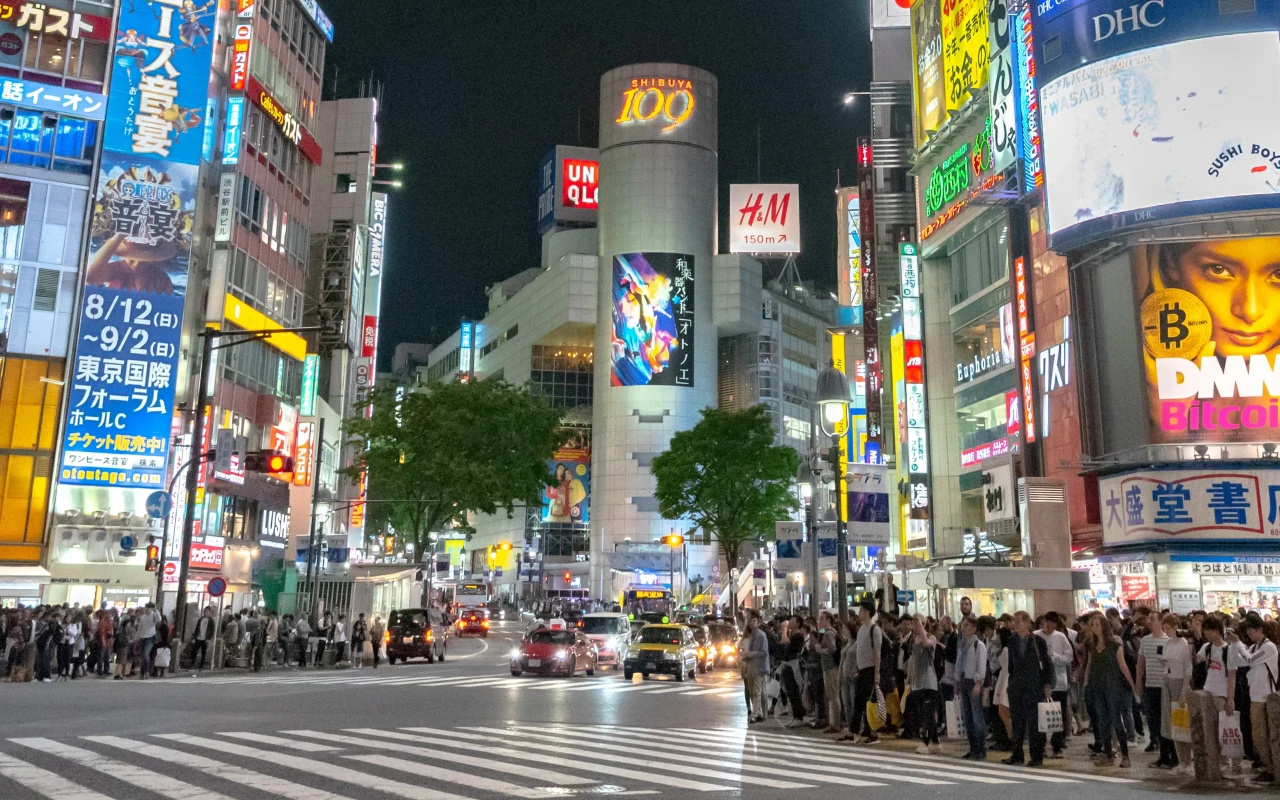
Claim to Fame
The vibrant district of Shibuya is renowned for its eclectic mix of fashion, youth culture, and shopping opportunities, making it a must-visit destination for trendsetters and fashion aficionados alike.
📌 Navigating Shibuya : Answers to Frequently Asked Questions
- Washrooms: Public washrooms are available throughout the shopping district, often located in major shopping centers.
- Hours of Operation: Shibuya is generally open year-round, with individual store hours varying, typically from 10 AM to 9 PM.
- Important Information: Be aware of peak hours, especially during weekends, when the area can become extremely crowded.
- Admission Fee: There is no admission fee to shop in Shibuya, as it is an open commercial area.
- How Long to Visit: A visit to Shibuya can last from a few hours to a full day, depending on shopping and exploration preferences.
- Parking: Parking is limited in Shibuya, with options available in nearby parking garages and lots.
- Family Friendly: Shibuya is family-friendly, featuring numerous shops, entertainment options, and attractions suitable for children.
- Photography: Shibuya offers numerous photogenic spots, including the iconic Shibuya Crossing and Hachiko Statue.
- WIFI: Free Wi-Fi is provided in various public areas and some shops within Shibuya.
- Picnic Area: There are no designated picnic areas in Shibuya, but nearby parks like Yoyogi Park offer suitable spaces.
- Handicap Accessible: Many shops and facilities in Shibuya are handicap accessible, including ramps and elevators.
- Pets: Pets are generally not allowed in most shops, but some outdoor areas may be pet-friendly.
- Guided Tours: Guided tours are available, focusing on the culture, history, and shopping highlights of Shibuya.
- Restaurant or Cafe: Shibuya features a variety of restaurants and cafes, ranging from traditional Japanese cuisine to international options.
- Gift Shop: Gift shops are abundant in Shibuya, selling everything from Japanese souvenirs to trendy fashion items.
📌Heads up: All times, prices and visitor policies are subject to change without notice. Please check the official website for the most recent information.
Photos of Shibuya
What to Expect
As you step into Shibuya, prepare to be swept away by an electrifying atmosphere where the pulse of modern Tokyo beats loudly. This bustling district is home to countless shops ranging from high-end luxury boutiques to quirky vintage stores, all nestled within a labyrinth of streets that vibrate with youthful energy. Every corner reveals a new gem, whether it's the latest streetwear or unique artisanal finds, inviting you to delve deeper into a shopper's paradise. Not just a retail haven, Shibuya is characterized by its iconic landmarks, such as the famous Shibuya Crossing, where thousands of people navigate the streets at once, creating a breathtaking human tapestry. The mix of neon lights, busy sidewalks, and an eclectic blend of sounds creates an ambiance that is simultaneously exhilarating and inviting. Expect to see both locals and tourists enjoying the myriad offerings of this dynamic area, transforming your shopping experience into something genuinely communal. Make sure to explore not only the large, well-known department stores but also the quaint back alleys that harbor hidden treasures. Shops here are often curated by passionate owners who offer a personalized shopping experience that mass retailers cannot match. This unique shopping culture underscores Shibuya's position as a leader in fashion and lifestyle trends.Background and Cultural Context
Shibuya has evolved from a quiet rural area in the late 19th century into one of Tokyo’s most vibrant and influential shopping districts. Historically a transportation hub, it became synonymous with youth culture and fashion in the post-war era, attracting a demographic that sought to define and express their identities through style. The area witnessed the rise of various fashion movements, particularly the Harajuku culture, with Shibuya quickly adopting its ethos of creativity and individualism. The unique blend of Western influences and traditional Japanese aesthetics can be seen vividly in Shibuya's retail landscape. Stores often marry contemporary styles with traditional craftsmanship, creating products that appeal to a global audience while maintaining a local flavor. This cultural intersection has made Shibuya a trendsetter not only within Japan but also on the international stage, influencing fashion trends worldwide. Today, Shibuya continues to emerge as a cultural hotspot, where music, art, and fashion collide. Street style is constantly evolving as fashion-forward youth parade their unique looks, inspiring others and setting the pace for what’s next in the world of fashion. The district's rich cultural tapestry is woven together by art installations, pop-up shops, and the dynamic exchange of ideas between local designers and international brands.Best Time to Visit
The best time to visit Shibuya for shopping is during spring and autumn, when the weather is mild and the streets are alive with activities. The spring season unfolds in full bloom with cherry blossoms, attracting both locals and tourists eager to witness this natural spectacle. Streets become bustling with outdoor events, and vibrant displays of fashion emerge as people enjoy the pleasant weather, making it a prime time for shopping escapades. Autumn offers a similar allure, with comfortable temperatures and stunning foliage as the backdrop for outdoor festivities that celebrate the changing seasons. It’s during these periods that Shibuya's shops often release seasonal collections, encouraging visits to explore the latest fashion trends and local artisanal products. Holidays and festivals can also be an exciting time to visit, though the crowds may be overwhelming. Events such as Harajuku's Fashion Walk or seasonal sales attract fashion enthusiasts from all over, making for a lively shopping experience. If you prefer fewer crowds, consider weekday visits, particularly in the morning hours, when shopkeepers have more time to engage with you and share insights about their unique offerings.How to Get There
Reaching Shibuya is remarkably convenient, thanks to its status as one of Tokyo's central transportation hubs. The district is serviced by various train and subway lines that connect seamlessly to other parts of the city and even to the surrounding areas. The Shibuya Station, one of the busiest stations in Tokyo, is your gateway into this vibrant neighborhood. With multiple exits leading into different sections of the district, you’ll be well-positioned to explore the shop-lined streets immediately upon arrival. Many visitors opt for the JR Yamanote Line, which provides easy access to popular districts like Harajuku, Shinjuku, and Shinagawa. For those arriving from Narita or Haneda airports, the airport express trains offer swift passage directly to the heart of Shibuya. Alternatively, buses and taxis are available, although they may take longer due to traffic, especially during peak hours. Once you arrive, consider navigating on foot to fully immerse yourself in the sights and sounds of Shibuya. The area is compact and pedestrian-friendly, allowing you the freedom to explore its vibrant streets, discover hidden shops, and indulge in local culinary delights. Every walk through Shibuya provides the chance to experience the district's dynamic energy and cultural richness.Photo Opportunities
- Shibuya Crossing: Capture the iconic scramble crossing, particularly during peak traffic times.
- Hachiko Statue: This beloved sculpture of the loyal dog Hachiko is a popular meeting point.
- Center Gai: A bustling street packed with neon lights and lively shops ideal for night photography.
- Shibuya 109: An architectural marvel with a trendy facade that reflects the essence of Shibuya's fashion.
- Fashion Forward Streets: Snap photographs of the stylish locals and their unique outfits as they walk by.
Travel Tips
- Learn basic Japanese phrases. While many people speak English, knowing a few words can enhance your experience.
- Visit during weekdays to avoid large crowds, making shopping and exploration more enjoyable.
- Take advantage of tax-free shopping if you’re a foreign visitor, and keep your receipts handy.
- Stay aware of local customs and etiquette, especially when interacting in shops or dining establishments.
- Keep cash on hand. While many shops accept cards, smaller boutiques may only take cash.