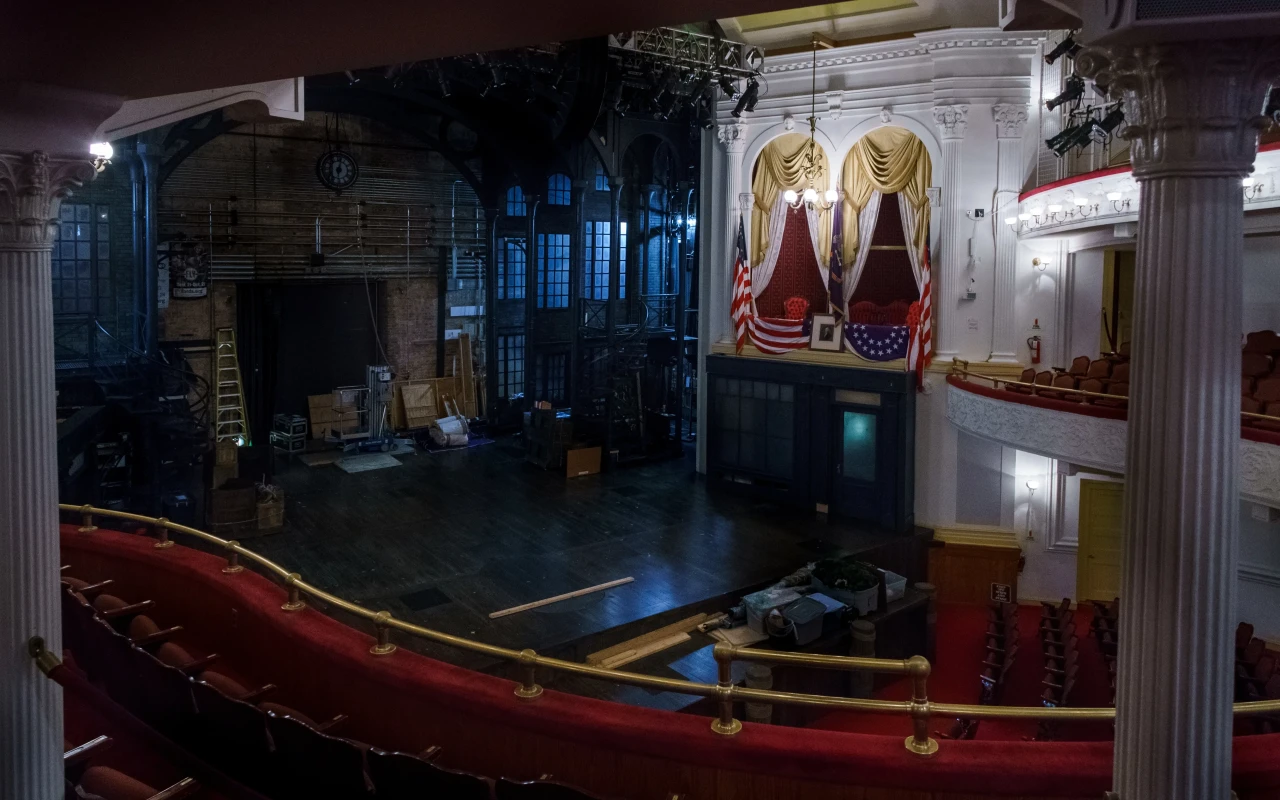
The Ford Theatre is renowned as the historic site of President Abraham Lincoln's assassination, blending rich history with a dedication to the performing arts, making it an essential stop for theater enthusiasts and history buffs alike.
📌 Navigating Ford Theatre : Answers to Frequently Asked Questions
Admission Fee: Admission fees vary based on the event; check the official website for specific pricing.
How Long to Visit: Most visitors spend about 1 to 2 hours touring the theatre or attending a performance.
Washrooms: Washrooms are available within the theatre for visitor convenience.
Hours of Operation: The theatre typically operates from 10 AM to 5 PM, with extended hours on performance days.
Important Information: It is advisable to purchase tickets in advance and arrive early to enjoy the exhibits and avoid last-minute rush.
Handicap Accessible: The Ford Theatre is handicap accessible, offering designated entrances and seating areas.
Pets: Pets are not allowed inside the theatre; only service animals are permitted.
Guided Tours: Guided tours are available, providing insights into the theatre's history and architecture.
Restaurant or Cafe: There is a café on-site offering snacks and refreshments for visitors.
Gift Shop: A gift shop is located in the theatre, offering a variety of memorabilia and souvenirs.
Parking: Parking is available nearby, with several public garages and street parking options within walking distance.
Family Friendly: It is a family-friendly venue, with programs and performances suitable for all ages.
Photography: Photography is generally not permitted during performances, but visitors can take photos in designated areas before and after shows.
WIFI: Free Wi-Fi is accessible in the public areas of the theatre.
Picnic Area: There is no designated picnic area; however, visitors can enjoy nearby parks for picnicking.
📌Heads up: All times, prices and visitor policies are subject to change without notice. Please check the official website for the most recent information.
Photos of Ford Theatre
What to Expect
Visiting Ford's Theatre is a multifaceted experience that combines an exploration of America's past with a taste of contemporary theatrical artistry. As you step into this iconic venue, you will find yourself enveloped in an atmosphere that reverberates with the echoes of history. The theatre itself, meticulously restored to its 19th-century charm, boasts plush seating and ornate details that invite you to settle in for a show or simply admire the architecture.
Beyond the stage, the accompanying museum offers a profound insight into the circumstances surrounding Lincoln's assassination, including artifacts, photographs, and engaging exhibits that narrate the story of that fateful night in 1865. The dramatic reenactments and multimedia presentations bring history alive, providing context that enhances your appreciation for both the theatre and the events that transpired within its walls.
Be prepared for a program that showcases various performances, ranging from classic works to modern adaptations, drawing audiences who are eager to witness the power of storytelling in the space where history was made. Expect to partake in guided tours that not only explore the theatre but also delve into the impact of Lincoln's legacy on modern America.
Background and Cultural Context
Ford's Theatre is steeped in history, having opened its doors in 1863 as a center for culture and entertainment during a turbulent time in American history. The theatre was named after its owner, John T. Ford, who envisioned it as a place where all social classes could come together to enjoy high-quality performances. Its significance deepened with the assassination of President Lincoln on April 14, 1865, turning it into both a memorial and a historical landmark.
The theatre played a part in a broader cultural movement in the United States, signifying the increasing popularity of theatrical performances and the arts during the Civil War era. The fusion of politics and theatre is palpable here; the stage has hosted monumental performances, including works by legendary playwrights who contributed to the evolution of American drama.
In the decades following Lincoln's death, the theatre underwent various changes and challenges, including a major fire in 1893 that led to its closure. Eventually, it was restored and became a national historic site, symbolizing the resilience of both the arts and the American spirit. Today, Ford's Theatre stands as a testament to the enduring power of storytelling and remembrance within an evolving cultural landscape.
Best Time to Visit
The optimal time to visit Ford's Theatre is during the autumn months, specifically September through November. This period not only marks the beginning of the theatre's fall season but also sees a flurry of vibrant performances that capture the essence of the time. The cooler temperatures make exploring the surrounding Ford's Theatre National Historic Site more enjoyable, allowing you to wander the area comfortably.
Spring is also an excellent choice for a visit, particularly from March to May when the weather begins to warm up, and the city bursts into bloom. The theatre often hosts special events and performances celebrating Lincoln's legacy during this time, which enhances the experience.
However, if you prefer a quieter visit, consider going during the winter months. December sees fewer crowds, although holiday-themed performances and events can provide an enchanting backdrop for your visit. Just remember that some winter performances may be limited due to the holiday schedule.
How to Get There
Reaching Ford's Theatre is straightforward, as it is conveniently situated in the heart of Washington, D.C. If you're traveling by metro, the closest station is the Ford Theatre stop on the Yellow and Green Lines, just a few blocks away. Once you emerge from the station, a short and scenic walk will lead you directly to the theatre's entrance, immersing you in the vibrant atmosphere of the city.
For those opting to drive, parking can be a challenge due to the downtown location, but several nearby parking garages offer convenient options. It's advisable to arrive early to secure a spot, especially on performance nights when demand peaks.
If you prefer an eco-friendly mode of transport, consider biking or walking as you explore the city's historical landmarks en route to Ford's Theatre. The surrounding area is pedestrian-friendly, adorned with cultural sites that enhance your journey.
Photo Opportunities
- The grand exterior façade of Ford's Theatre
- The iconic Presidential Box where Lincoln was seated
- Artifacts in the museum, including Lincoln’s hat
- Stunning views of the surrounding historic district
- Special performances and events on stage
Travel Tips
- Book your tickets in advance, especially for popular performances.
- Arrive early to explore the museum and take in the surroundings.
- Check the theatre's schedule for special events or guided tour opportunities.
- Dress in layers, as the theatre can vary in temperature.
FAQs
Is there a guided tour available at Ford's Theatre?
Yes, guided tours are offered and provide a deeper understanding of the site’s history and significance. They typically explore both the theatre and the museum.
Are children welcome at Ford's Theatre performances?
Children are welcome, but it's recommended to check the specific show’s suitability for younger audiences. Family-friendly performances are often scheduled throughout the year.
Final Thoughts
Visiting Ford's Theatre is not just an exploration of a historical landmark; it is a pilgrimage through the stories that have shaped American culture. Whether you are mesmerized by a live performance or captivated by the museum's exhibits, each moment spent here is a reminder of the enduring power of history and the arts. As you leave, the resonant echoes of the past will linger, inviting you to reflect on the role that theatre plays in bridging generations and narrating the complexities of the human experience. Whether you are a history aficionado or a theatre lover, Ford's Theatre promises to be an enlightening and unforgettable chapter in your travels.