Claim to Fame
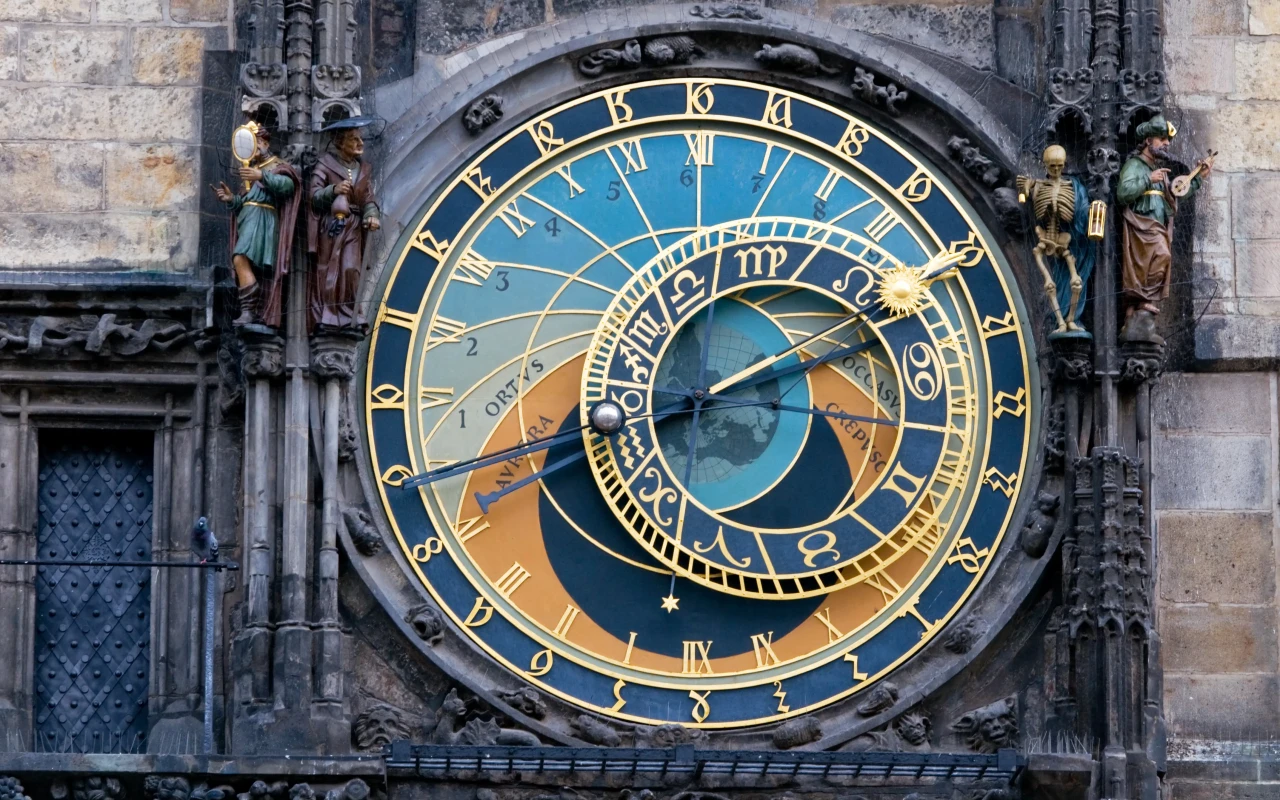
Prague’s Astronomical Clock (Orloj) is the oldest operating medieval clock in the world, featuring intricate astronomical dials and a beloved hourly procession of wooden Apostles since 1410.
📌 Navigating Astronomical Clock : Answers to Frequently Asked Questions
- Important Information: Check the clock's schedule if you're interested in seeing the moving figures when the clock strikes the hour.
- Washrooms: Public restrooms are available in the vicinity but may require a small fee.
- Hours of Operation: The clock can be viewed at any time, but the hourly show is a must-see.
- How Long to Visit: Visitors typically spend a few minutes to half an hour watching the clock and exploring the surrounding area.
- Admission Fee: No admission fee to view the clock.
- Parking: Located in a pedestrian zone, nearby parking is limited; public transportation is recommended.
- Family Friendly: Suitable for all ages, the clock's hourly show is a brief but fascinating experience for families.
- Photography: Photography is a popular activity here, with the clock being a significant historical and artistic attraction.
- WIFI: Public WIFI may be available from surrounding businesses.
- Picnic Area: No picnic areas are directly available at the square, but nearby parks offer spots for outdoor eating.
- Handicap Accessible: The area around the clock is accessible, though it can become crowded, especially during show times.
- Pets: Pets are allowed in the public square but may be best kept at a distance during crowded times.
- Guided Tours: No guided tours specifically for the clock, but it's often included in Old Town walking tours.
- Restaurant or Cafe: Numerous dining options surround the area, ranging from quick snacks to fine dining.
- Gift Shop: Gift shops and vendors in the vicinity sell themed souvenirs and local crafts.
Photos of Astronomical Clock
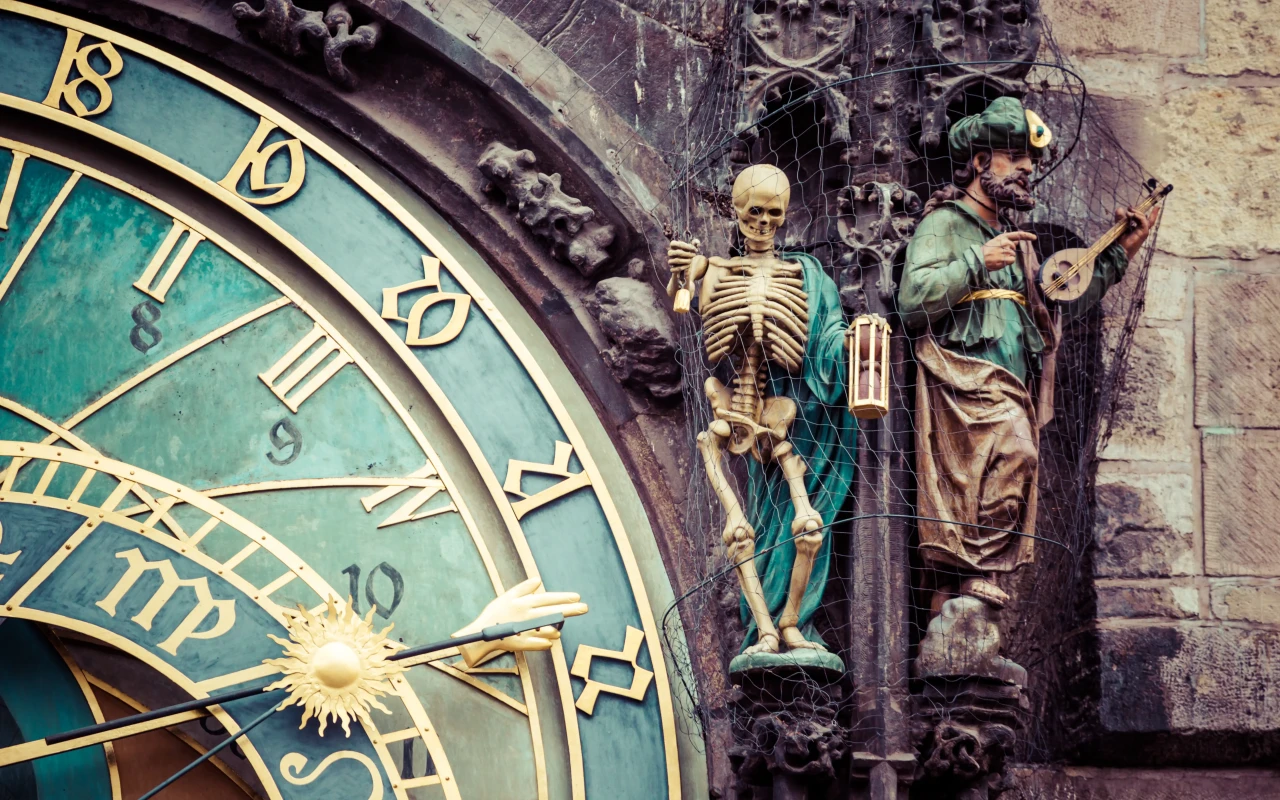
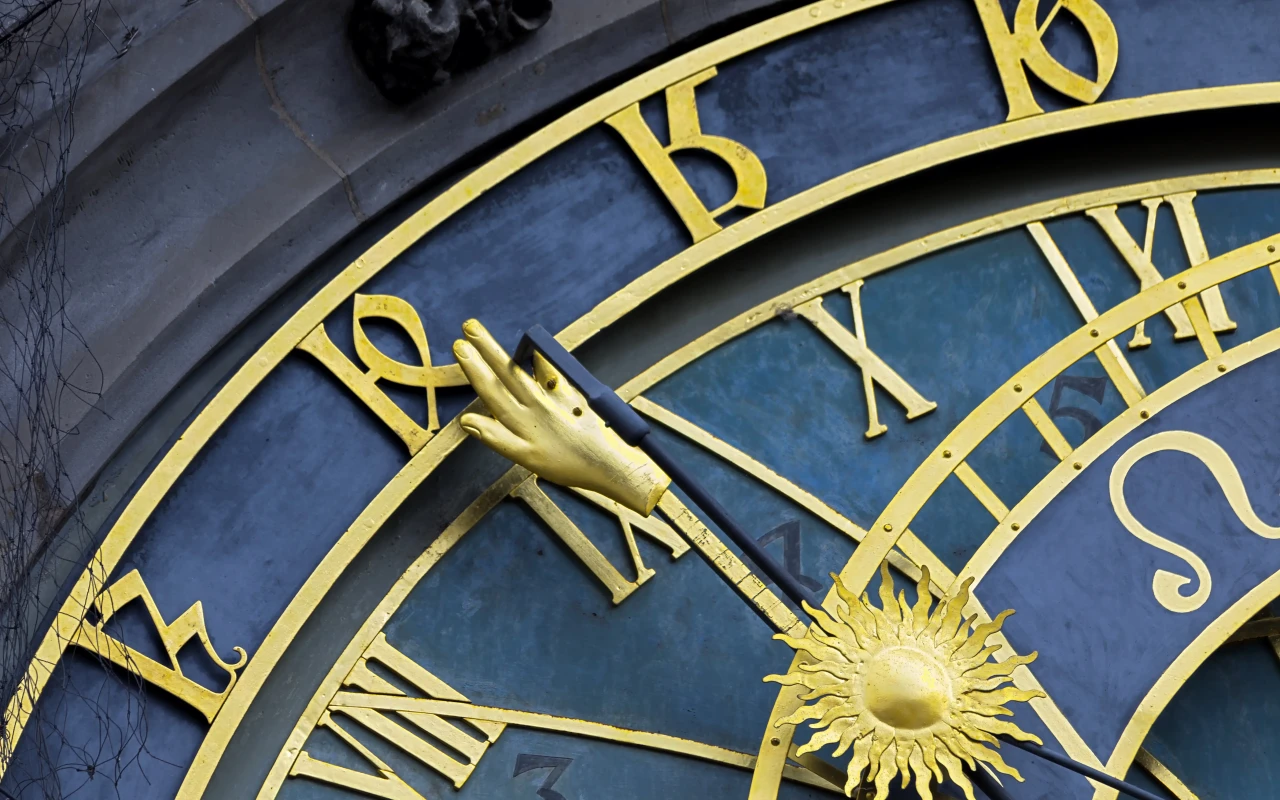
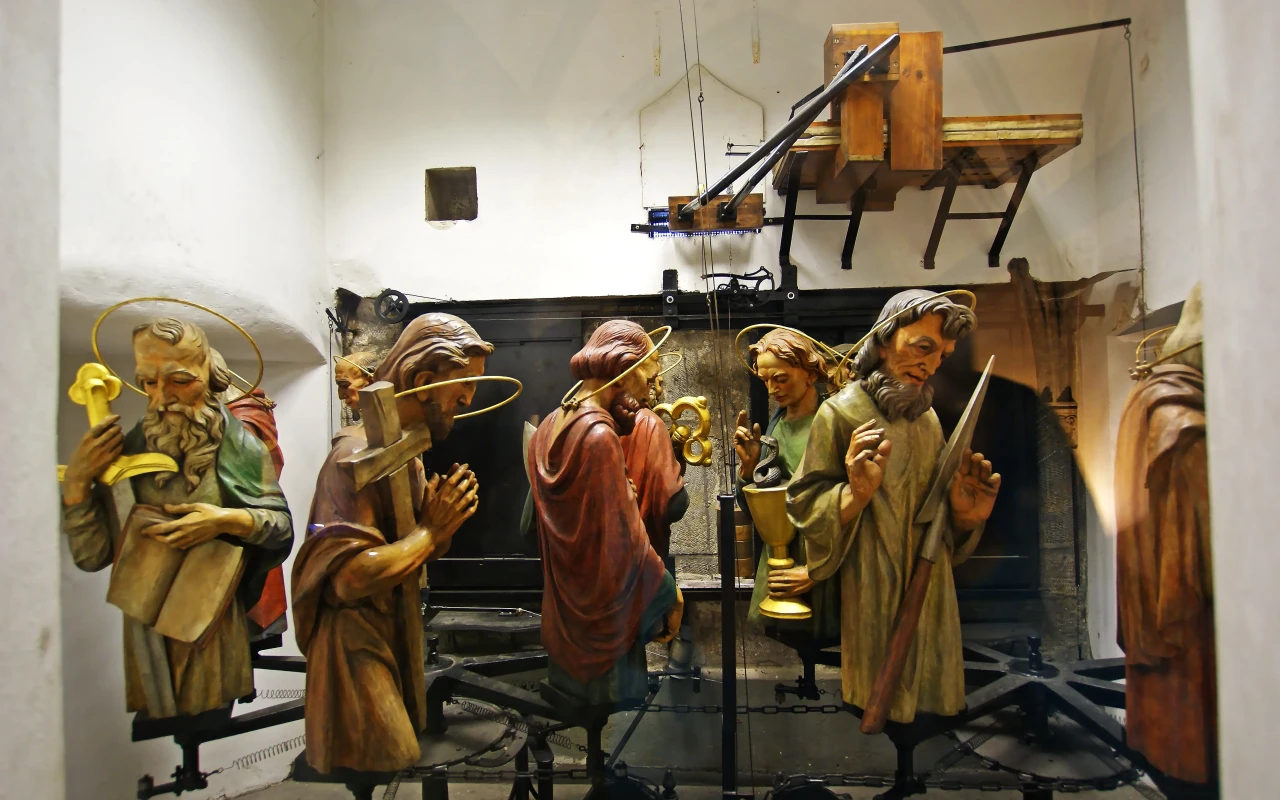
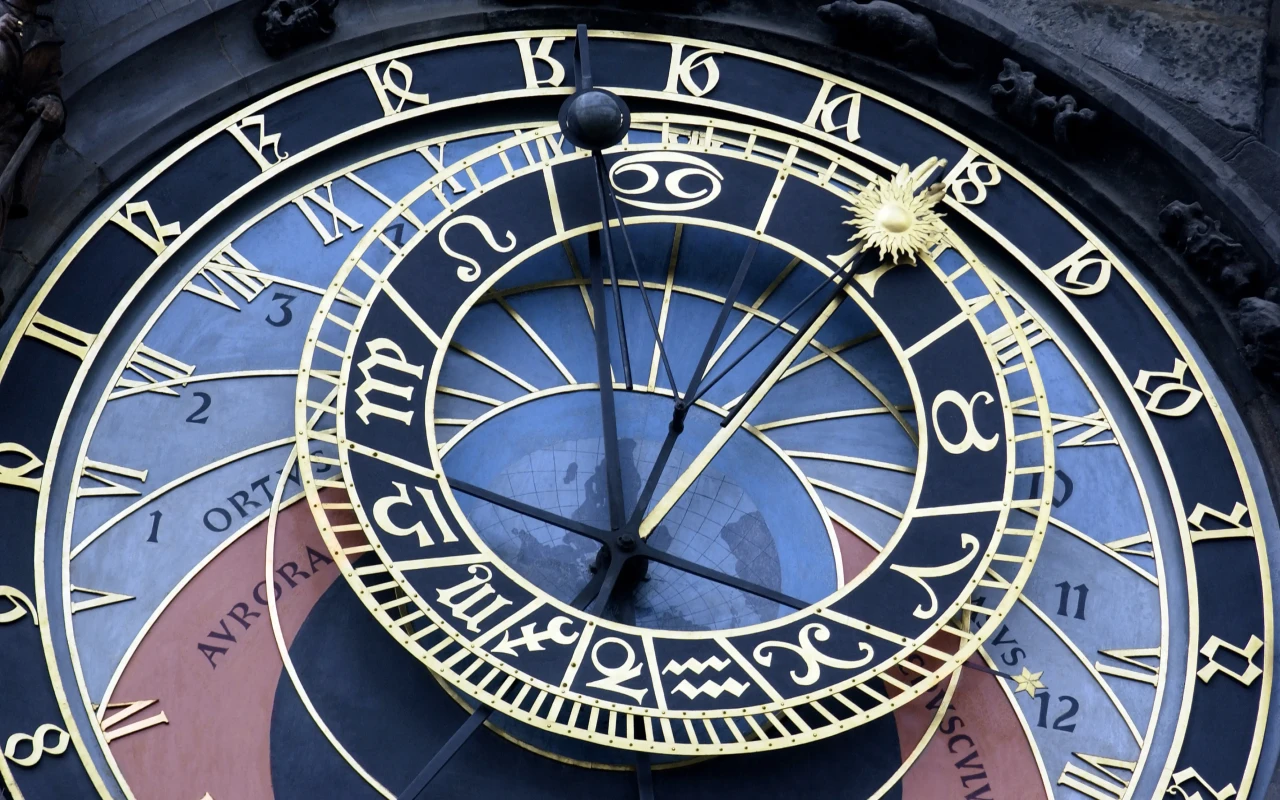
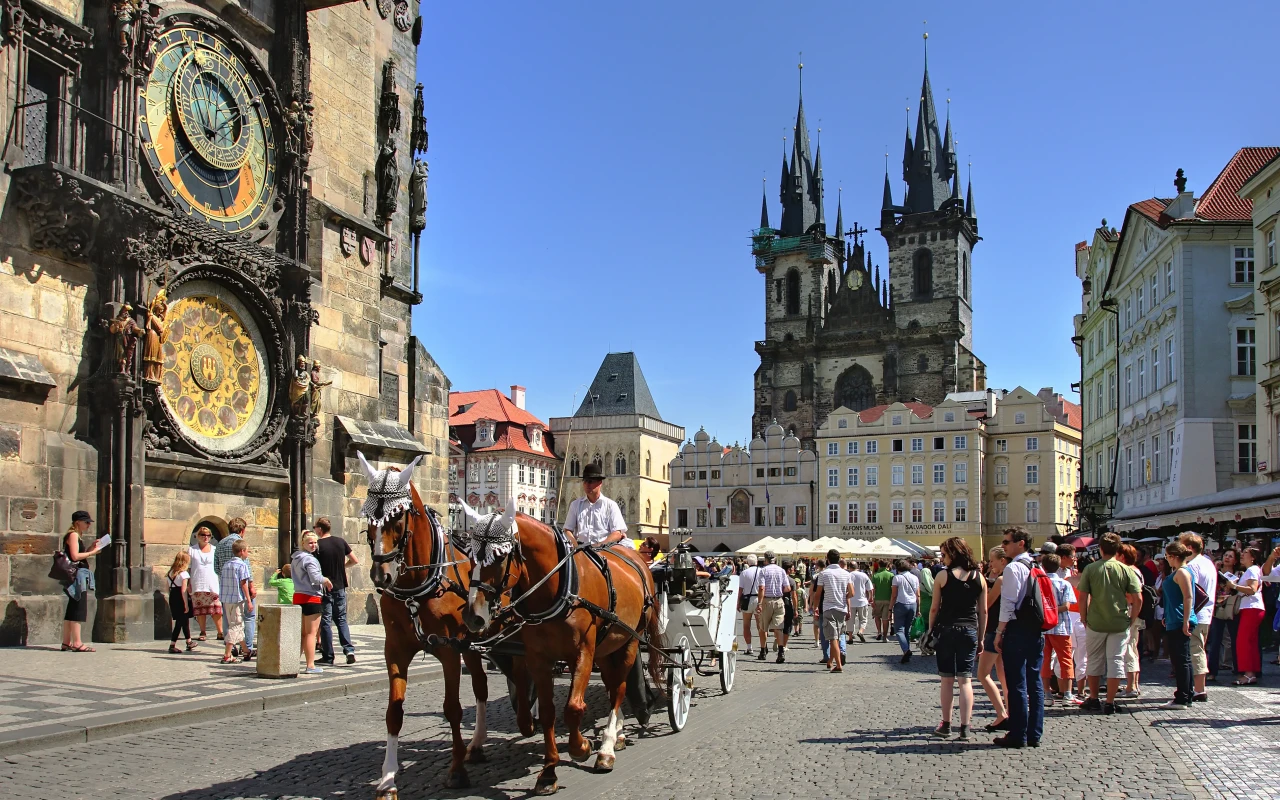
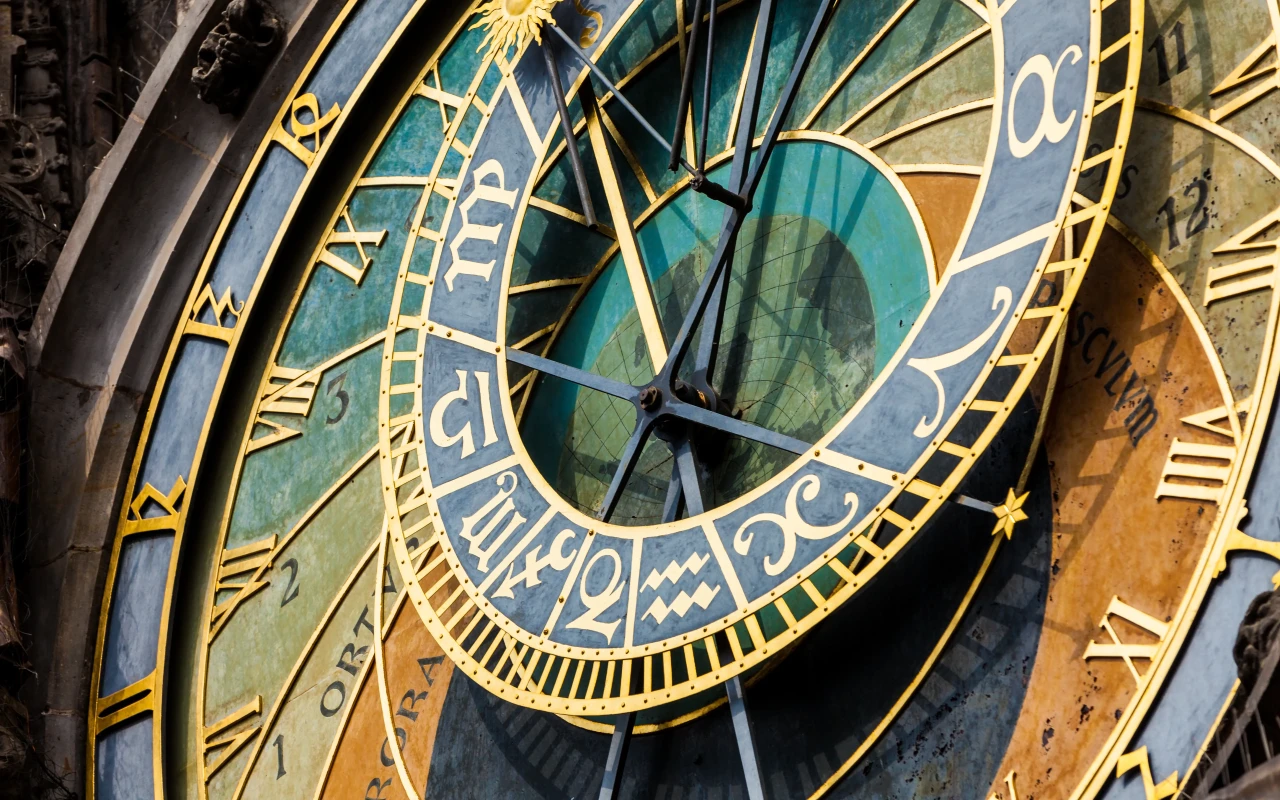
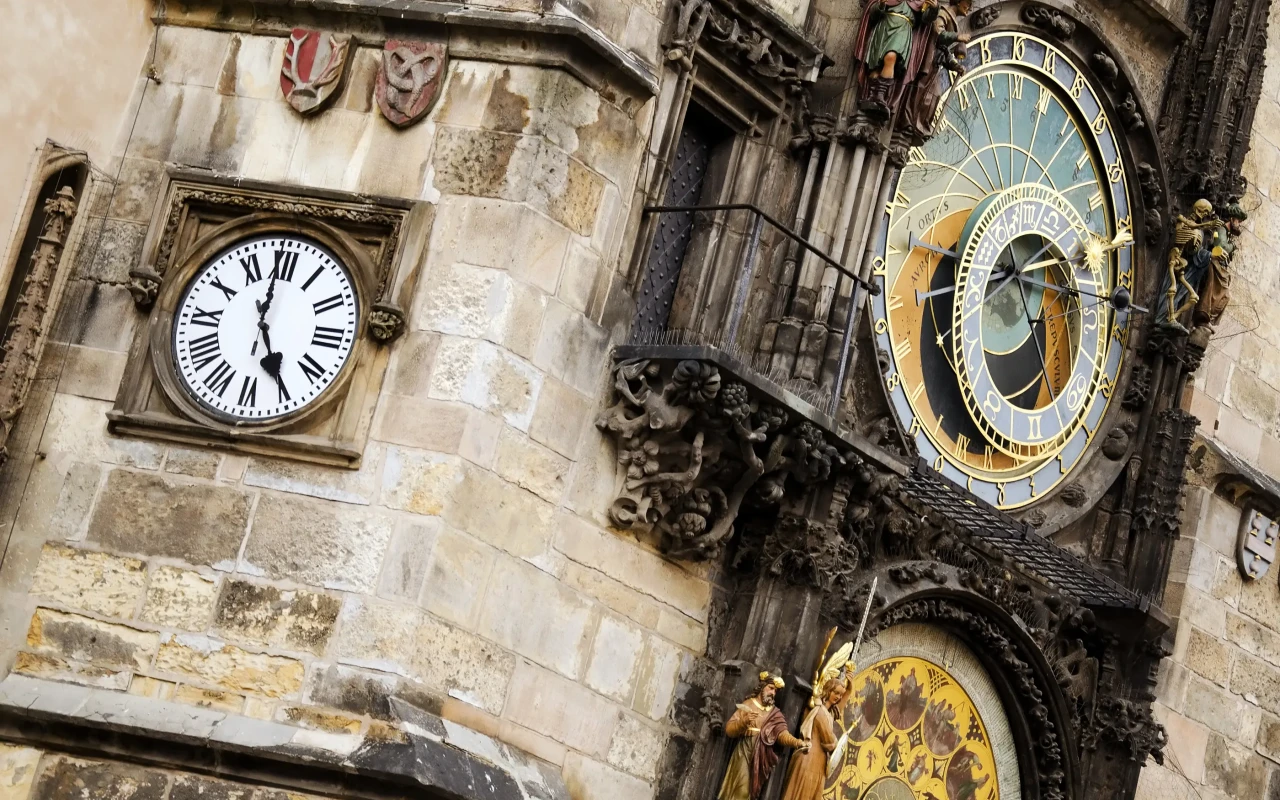
Mounted on the southern wall of Prague’s Old Town Hall, the Astronomical Clock is a marvel of Gothic and early Renaissance engineering. More than just a timekeeper, it displays the positions of the sun and moon, zodiac signs, and a calendar dial adorned with medallions of the months. Each hour, crowds gather below to watch the animated figures of the Twelve Apostles and allegorical sculptures come to life in a centuries-old ritual.
What to Expect
Your visit centers on the hourly “show”—from 9 AM to 11 PM—when the two small trapdoors open and wooden Apostles march past windows above the clock face. Meanwhile, the four flanking statues (Death, Vanity, Greed, and Lust) animate in a playful yet macabre tableau. Beyond the spectacle, admire the richly painted Calendar Dial by Josef Mánes and the zodiacal Astrolabe with its moving celestial spheres.
Inside the Old Town Hall tower, a small exhibition details the clock’s history and craftsmanship. Climb the spiral staircase to reach the viewing gallery for panoramic vistas of Old Town Square’s Gothic spires and red-tiled rooftops.
Background and Cultural Context
Installed in 1410 by clockmaker Mikuláš of Kadaň and astrologer Jan Šindel, the Orloj originally had only the astronomical and calendar dials. The wooden Apostle figures were added around 1490, and later restorations in the 18th and 19th centuries introduced Gothic and Neo-Renaissance embellishments. Legend holds that the city blinded the original maker to prevent replicas—a myth that underscores the clock’s cultural mystique.
Throughout wars, revolutions, and fires, the Orloj has been meticulously repaired and preserved. Its enduring presence in Old Town Square makes it not only a technical wonder but also a symbol of Prague’s resilience and artistic heritage.
Best Time to Visit
Arrive 10–15 minutes before the hour to secure a good vantage point on the square. Early morning (9 AM–10 AM) and late evening (after 9 PM) offer fewer crowds, while twilight hours add dramatic lighting to photos. Avoid midday on weekends if you prefer space to move and clear sightlines.
How to Get There
The clock is on Staroměstské náměstí in Prague’s Old Town, a two-minute walk from Staroměstská metro station (Line A) or tram stops “Staroměstská” (Lines 17, 18) and “Staroměstské náměstí” (Lines 2, 17). Follow signs for the Old Town Hall tower and join the gathering beneath the clock face.
Photo Opportunities
- Close-up of the elaborately carved Apostles emerging on the hour
- The golden zodiac ring and celestial dials catching morning light
- Wide shot of Old Town Square with the clock tower rising above bustling cafés
- Silhouetted statues against a sunset sky from the tower gallery
- Detail of the Calendar Dial’s month medallions painted by Josef Mánes
Travel Tips
- Stay aware of pickpockets—crowds below the clock can be dense during peak hours.
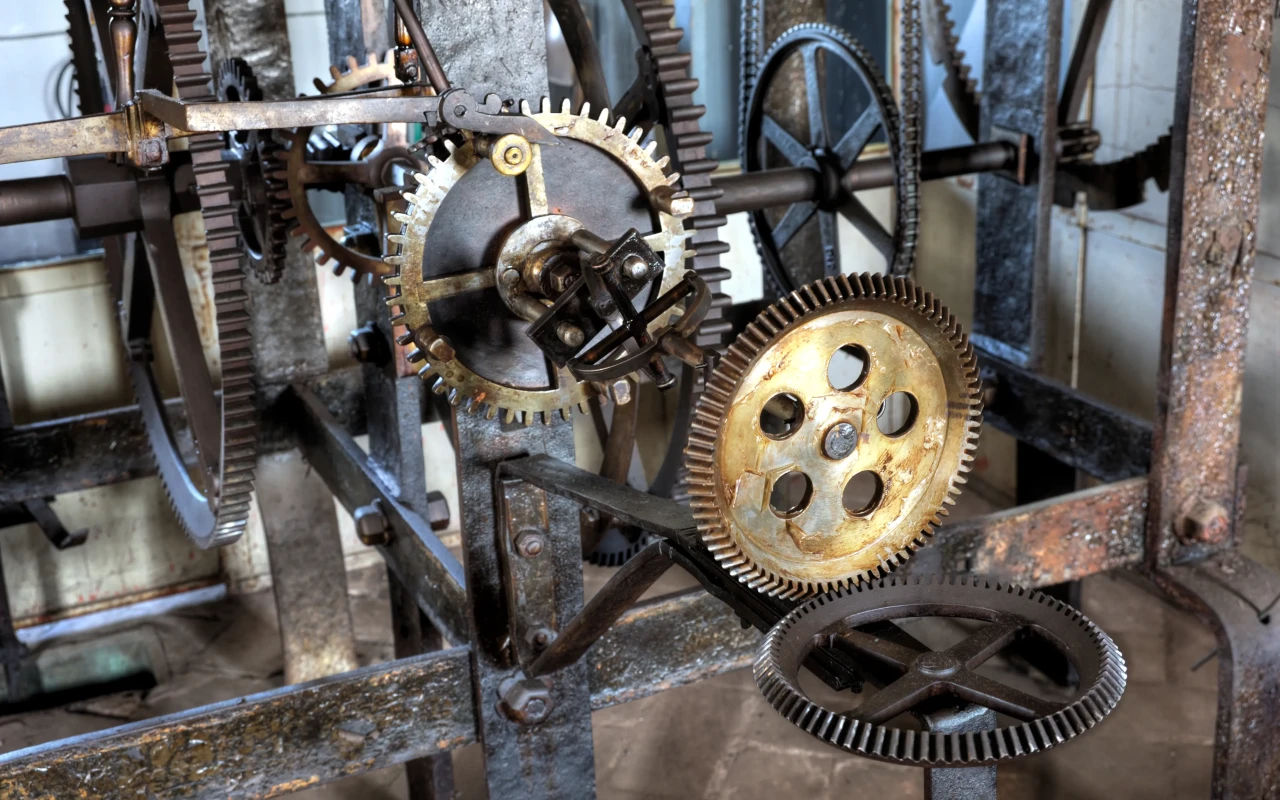
- Consider a guided tour that includes behind-the-scenes access to the clock’s mechanism.
- Combine your visit with a climb of the Town Hall tower for a small additional fee.
- Bring binoculars or use your phone’s zoom to catch intricate details on the dials.
- Wear comfortable shoes—cobblestones around the square can be uneven.
FAQs
What time does the Astronomical Clock operate?
The clock performs its hourly show from 9 AM to 11 PM daily; the mechanism runs continuously, but the animated figures move only on the hour.
Is there an entry fee to see the clock?
Viewing the exterior show is free. Access to the Old Town Hall tower gallery and exhibition requires a ticket, typically around 200 CZK.
Can I photograph the show?
Yes—photography is welcome, though tripods are not permitted in the square. Flash photography is discouraged to preserve the wooden figures.
Are guided tours available?
Guided tours of the Old Town Hall often include the clock’s mechanism and history; book in advance, especially in peak season.
Final Thoughts
Prague’s Astronomical Clock is more than a medieval curiosity—it is a living chronicle of art, science, and legend. Whether you’re drawn by its mechanical genius, its ornate craftsmanship, or the charming procession of Apostles, the Orloj stands as a timeless centerpiece of Prague’s storied Old Town.