Claim to Fame
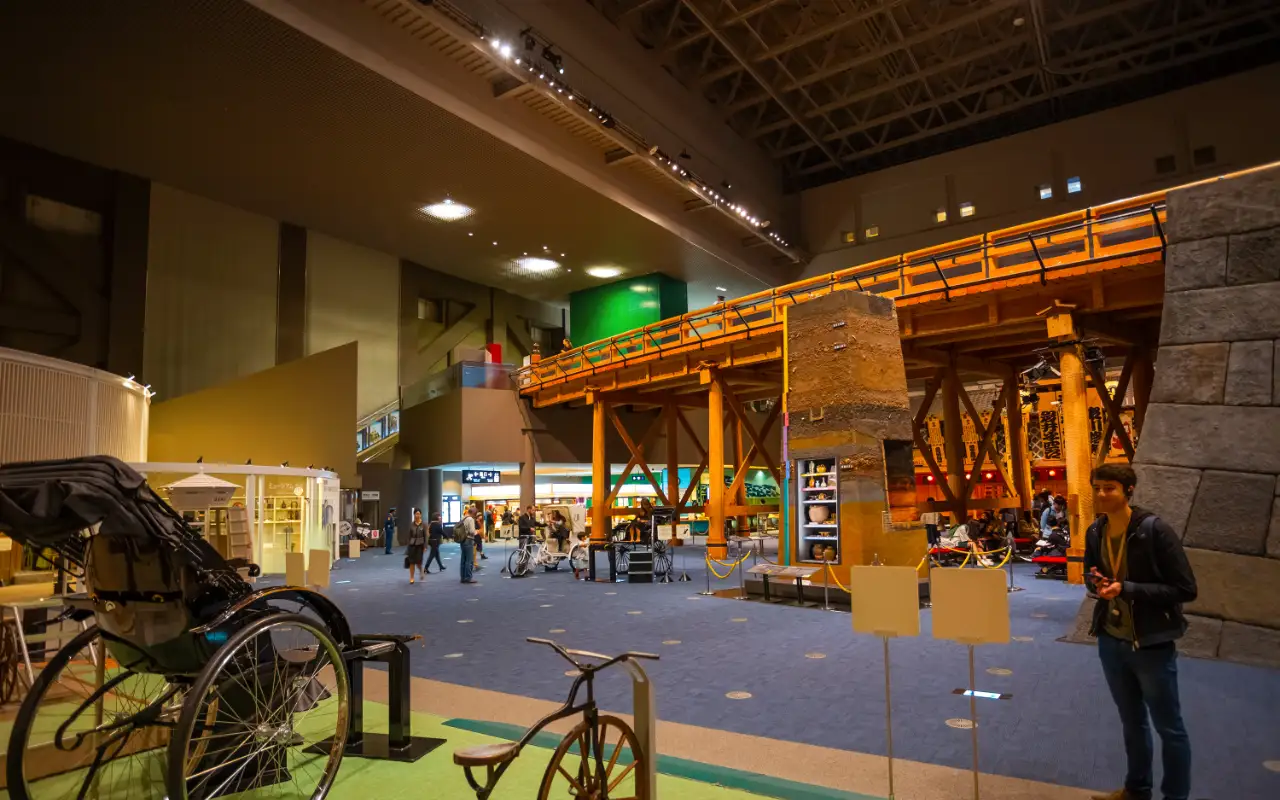
The Edo‐Tokyo Museum brings Tokyo’s past to life with life‐sized replicas of Edo-period streets, the 18th-century Nihonbashi Bridge, and interactive exhibits tracing the city’s transformation from shogunal capital to modern metropolis.
📌 Navigating Edo-Tokyo Museum : Answers to Frequently Asked Questions
- Washrooms: Washrooms are located within the museum for visitor convenience.
- Hours of Operation: The museum operates from 9:30 AM to 5:30 PM, with extended hours on certain days.
- Important Information: It is advisable to check the museum's official website for any special events or temporary closures.
- Admission Fee: Admission fees are charged, with discounts available for students and seniors.
- How Long to Visit: Most visitors spend about 2 to 3 hours exploring the exhibits.
- Parking: Limited parking is available nearby, with some public parking facilities within walking distance.
- Family Friendly: It is family-friendly, offering interactive exhibits and activities suitable for children.
- Photography: Photography is permitted in most areas, but flash and tripods may be restricted.
- WIFI: Free Wi-Fi is available throughout the museum for visitors.
- Picnic Area: There is no designated picnic area within the museum premises.
- Handicap Accessible: The museum is handicap accessible, featuring ramps and elevators for easy navigation.
- Pets: Pets are not allowed inside the museum, with the exception of service animals.
- Guided Tours: Guided tours are available, providing in-depth insights into the exhibits and history.
- Restaurant or Cafe: There is a café on-site offering a variety of refreshments and light meals.
- Gift Shop: A gift shop is available, offering souvenirs and educational materials related to Tokyo's history.
Photos of Edo-Tokyo Museum
Located in Ryogoku, the Edo‐Tokyo Museum offers an unforgettable journey through 400 years of Tokyo history. Towering mezzanine displays reveal original maps, artifacts, and scale models, while ground-floor galleries let you walk beneath a full-scale Nihonbashi Bridge and climb aboard an Edo-period patrol boat. From the vibrant pleasure quarters to post-quake reconstruction and Olympic preparations, the museum’s blend of immersive dioramas, multimedia presentations, and hands-on workshops illuminates the forces that shaped Japan’s capital.
What to Expect
Enter the soaring atrium to view the museum’s iconic suspended *Shogun’s Kago* palanquin. Descend into the life-sized Edo Street: duck under lanterns, browse merchant stalls, and ring the bell of a fire watchtower. Proceed to the Meiji-era exhibits showcasing Western influences—inspect early steam locomotives, telegraph equipment, and the 1923 Great Kanto earthquake reconstruction model. Interactive stations let you practice woodblock-printing designs or experience a rickshaw ride simulator. Throughout, bilingual panels and touchscreens provide cultural context and invite you to compare past and present Tokyo.
Background and Cultural Context
Opened in 1993 by the Tokyo Metropolitan Government, the museum was designed by architect Kiyonori Kikutake to resemble an *ukiyo-bune* pleasure boat. Its collections—assembled from archaeological digs and temple holdings—trace Edo’s rise under Tokugawa rule (1603–1868), its bustling urban culture, and the rapid modernization following the Meiji Restoration. As both a research center and public venue, the museum fosters understanding of Tokyo’s layered heritage and the interplay of tradition and innovation.
Best Time to Visit
Weekday mornings (10 AM–12 PM) offer the quietest galleries and best access to the Edo Street diorama before school groups arrive. Late afternoons (2–4 PM) are ideal for photography under the Nihonbashi Bridge’s lanterns and the upstairs balcony’s cityscape views. Saturdays host special workshops (e.g., calligraphy, kabuki makeup)—arrive early to reserve your spot. The museum is closed on Mondays (or Tuesday if Monday is a holiday) and year-end holidays (Dec 28–Jan 1).
How to Get There
The Edo-Tokyo Museum stands at 1-4-1 Yokoami, Sumida-ku. JR Sobu Line to Ryogoku Station (West Exit) places you directly across Eitai Bridge; Toei Oedo Line to Ryogoku Station (A3) is a 2-minute walk. Limited coin parking is available nearby, but public transit is recommended. The museum’s elevators, ramps, and wheelchair-friendly exhibits ensure full accessibility; loaner wheelchairs are free at reception.
Photo Opportunities
- Full-scale Nihonbashi Bridge interior with its hanging lanterns and wooden beams
- Panorama of the Edo Street diorama from the overhead gallery, capturing bustling shopfronts
- Detail of the Shogun’s kago palanquin suspended in the atrium against the skylight
- Meiji-era steam locomotive model poised under early electric lights
- Interactive woodblock-printing station in action with visitors creating their own designs
Travel Tips
- Purchase tickets online to skip the lobby line during peak times; combined Edo-Tokyo + Sumida Hokusai Museum passes are available for a discount.
- Allocate 2–3 hours for a thorough visit, including hands-on workshops and special exhibits.
- Attend one of the daily guided tours (11 AM/2 PM) in English or Japanese for expert insights into key artifacts.
- Visit the museum café for Edo-style snacks—try the sweet red-bean *dorayaki* pancakes and matcha tea.
- Combine with a stroll along the nearby Sumida River promenade or a visit to the Ryogoku Kokugikan sumo stadium when tournaments are in session.
FAQs
Is admission required?
Yes—general admission is ¥600 adults, ¥480 seniors/students; free for high-schoolers and younger on weekends and school holidays (ID required).
Are guided tours available?
Yes—free guided tours in English depart at 11 AM and 2 PM daily; private group tours can be booked in advance.
Can I touch exhibits?
Hands-on stations (e.g., printing, rickshaw simulator) are supervised; most dioramas are for viewing only—please follow posted signage.
Final Thoughts
The Edo-Tokyo Museum offers a vivid portal into Tokyo’s storied past—where you can wander Edo’s lively streets, examine Meiji transformations, and trace the city’s evolution to the present day. Whether you’re a history buff or curious traveler, this immersive museum brings Japan’s capital story to life in unparalleled detail.