Claim to Fame
The Odaiba district is renowned for its striking skyline views, innovative architecture, and a plethora of entertainment options, making it a must-visit destination in Tokyo.
📌 Navigating Odaiba : Answers to Frequently Asked Questions
- Washrooms: Washrooms are widely available throughout Odaiba, including in shopping centers and public parks.
- Hours of Operation: Odaiba is open year-round, with individual attractions typically operating from 10 AM to 10 PM, though hours may vary.
- Important Information: It's recommended to check the specific opening hours and any special events before your visit to ensure a smooth experience.
- Admission Fee: Many attractions in Odaiba are free to enter, while some specific venues may charge an admission fee.
- How Long to Visit: A visit to Odaiba typically lasts around 3 to 5 hours, depending on the number of attractions you wish to explore.
- Parking: Odaiba offers various parking options, including paid parking lots and some free spaces near attractions.
- Family Friendly: Odaiba is family-friendly, with numerous attractions, play areas, and entertainment options suitable for children.
- Photography: Odaiba boasts stunning waterfront views and unique landmarks, making it a great spot for photography.
- WIFI: Free Wi-Fi is available in many public areas and shopping centers throughout Odaiba.
- Picnic Area: Picnic areas can be found in parks along the waterfront, providing a scenic setting for outdoor meals.
- Handicap Accessible: Most attractions in Odaiba are handicap accessible, featuring ramps and elevators for ease of movement.
- Pets: Pets are generally not allowed in most indoor attractions, but some outdoor areas may permit leashed pets.
- Guided Tours: Guided tours are available for certain attractions, offering insights into the area's history and culture.
- Restaurant or Cafe: There are numerous restaurants and cafes in Odaiba, offering a variety of cuisines to suit all tastes.
- Gift Shop: Gift shops are abundant, featuring souvenirs, local crafts, and themed merchandise from the attractions.
📌Heads up: All times, prices and visitor policies are subject to change without notice. Please check the official website for the most recent information.
Photos of Odaiba
What to Expect
As you step onto the island of Odaiba, your senses will be dazzled by its eclectic mix of modern attractions and scenic waterfront views. Towering buildings like the futuristic Fuji TV headquarters and the iconic Palette Town shopping complex create an impressive urban landscape. The area evokes a sense of innovation, from its high-tech entertainment facilities to its stunning public artworks. One of the highlights of Odaiba is the Odaiba Seaside Park, which offers a tranquil escape from the hustle and bustle of Tokyo. The park features sandy beaches, picnic areas, and walking trails that provide stunning views of Tokyo Bay and the Rainbow Bridge, especially during sunset. Visitors can enjoy a leisurely stroll along the promenade or participate in various water sports, adding a touch of adventure to their experience. In addition to its architectural marvels and beautiful landscapes, Odaiba is home to numerous attractions that cater to all ages. From the futuristic teamLab Borderless digital art museum, where art comes alive through immersive experiences, to the kid-friendly LEGOLAND Discovery Center, Odaiba promises an exciting day filled with creativity and fun.Background and Cultural Context
Odaiba was originally built in the mid-19th century as a series of fortifications to protect Tokyo Bay from potential naval attacks. Today, it serves a different purpose, having transformed into a vibrant urban area. The name "Odaiba" refers to the "daiba" or battery forts constructed at that time. Over the years, the island has undergone extensive development, particularly in preparation for the Tokyo Bay Area's growth during the 21st century, culminating in a dynamic blend of leisure, work, and residential spaces. The culture of Odaiba is a fascinating reflection of Japan's blend of tradition and futuristic innovation. While you can admire cutting-edge technology everywhere, remnants of traditional Japanese culture can also be found through events, festivals, and exhibitions. This blend makes Odaiba a unique representation of contemporary Japan, attracting both domestic and international tourists eager to witness the evolution of Japanese society. Visitors can also explore the unique lifestyles and hobbies enjoyed by the people who live and work in Odaiba. With its numerous shopping districts, galleries, and entertainment hubs, Odaiba offers a glimpse into the modern Japanese lifestyle. Street performances and seasonal events, such as the annual Odaiba Great Nature Festival, highlight the community spirit and the love for technology and nature among residents.Best Time to Visit
The ideal time to visit Odaiba is during the spring (March to May) and fall (September to November) months when the weather is mild and pleasant. Spring brings with it beautiful cherry blossoms, creating picturesque scenery across parks and waterfront areas. This season draws locals and tourists alike for hanami (flower viewing) picnics, and Odaiba’s parks are particularly popular spots for these celebrations. Autumn, on the other hand, showcases vibrant foliage that contrasts with the modern architecture, providing an entirely different aesthetic experience. The comfortable temperatures during these seasons make exploring the outdoor attractions around Odaiba a delightful endeavor. Summer in Odaiba can be quite humid and crowded, especially during July and August when many events are held. Conversely, winter months (December to February) are chillier but provide a unique charm with dazzling illumination and holiday decorations lining the streets. Though the weather is cool, visiting Odaiba during this time offers a different, cozy perspective on this ever-vibrant area.How to Get There
Getting to Odaiba is straightforward, and there are several transportation options available from central Tokyo. The most popular way to reach Odaiba is via the Yurikamome Line, a driverless monorail that offers a scenic ride across the Rainbow Bridge, providing panoramic views of the bay and Tokyo skyline. This elevated train system is not only efficient but also an attraction in itself, making it a preferred choice for visitors. Alternatively, you can take the Rinkai Line, which connects to major JR lines, offering easy accessibility from urban hubs like Shinjuku and Ikebukuro. Buses also run to and from various locations in Tokyo, making Odaiba a reachable destination for day-trippers. For those who prefer to travel by car, multiple parking facilities are available, although traffic can be heavy, particularly during weekends and holidays. Once you arrive in Odaiba, the variety of attractions is best explored on foot. The area is well designed for pedestrians, and walking between sites allows you to fully immerse yourself in the vibrant atmosphere. Some attractions are connected via convenient walking corridors, making it easy for visitors to navigate the area comfortably.Photo Opportunities
- The futuristic Fuji TV building with its iconic spherical observation deck.
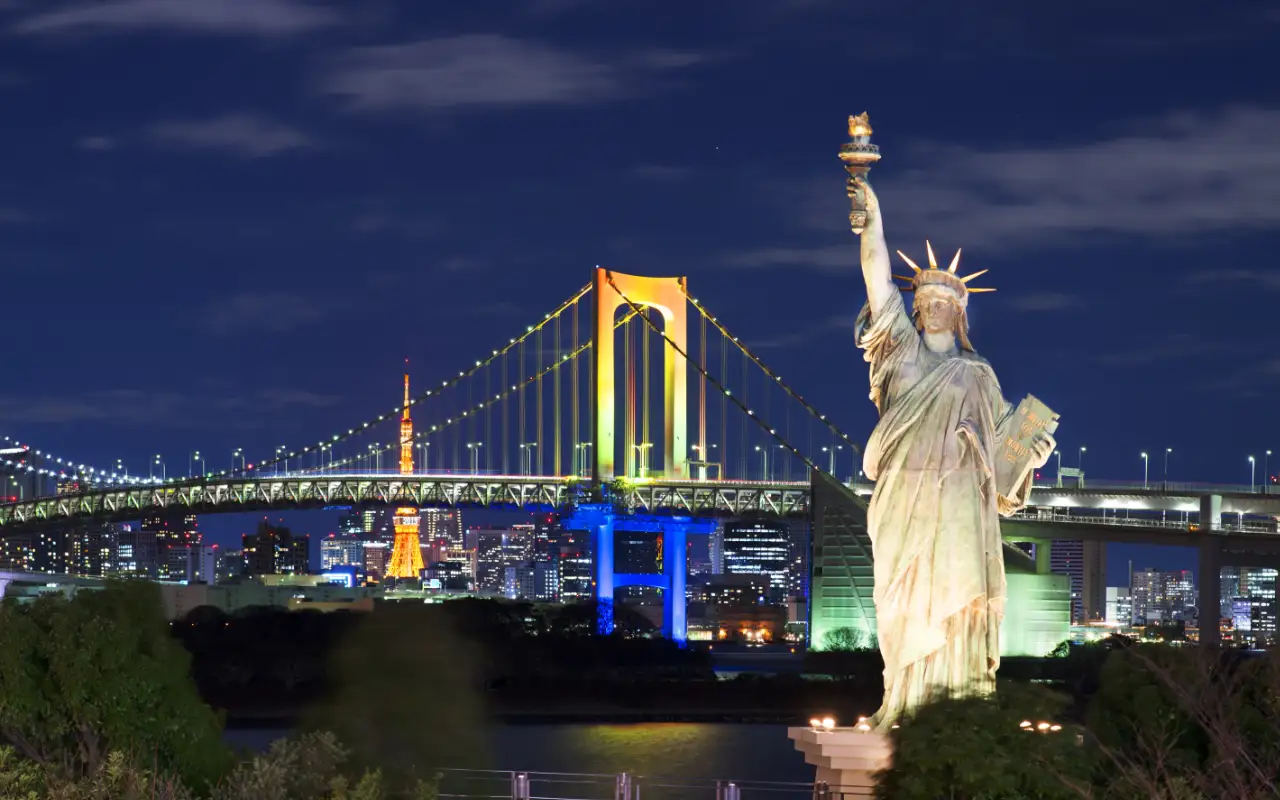
- Tokyo Bay and the Rainbow Bridge, especially during sunset.
- The teamLab Borderless museum’s captivating digital art displays.
- The life-sized Unicorn Gundam statue at DiverCity Tokyo Plaza.
- Odaiba Seaside Park with its sandy beach and city skyline backdrop.
Travel Tips
- Purchase a prepaid Suica or Pasmo card for easy access to public transportation.
- Consider visiting on a weekday to avoid large crowds at popular attractions.
- Arrive early at teamLab Borderless to fully enjoy the immersive exhibits.
- Keep your camera ready for stunning views along the promenade.
- Try local eateries for authentic Japanese cuisine and unique fusion dishes.