Claim to Fame
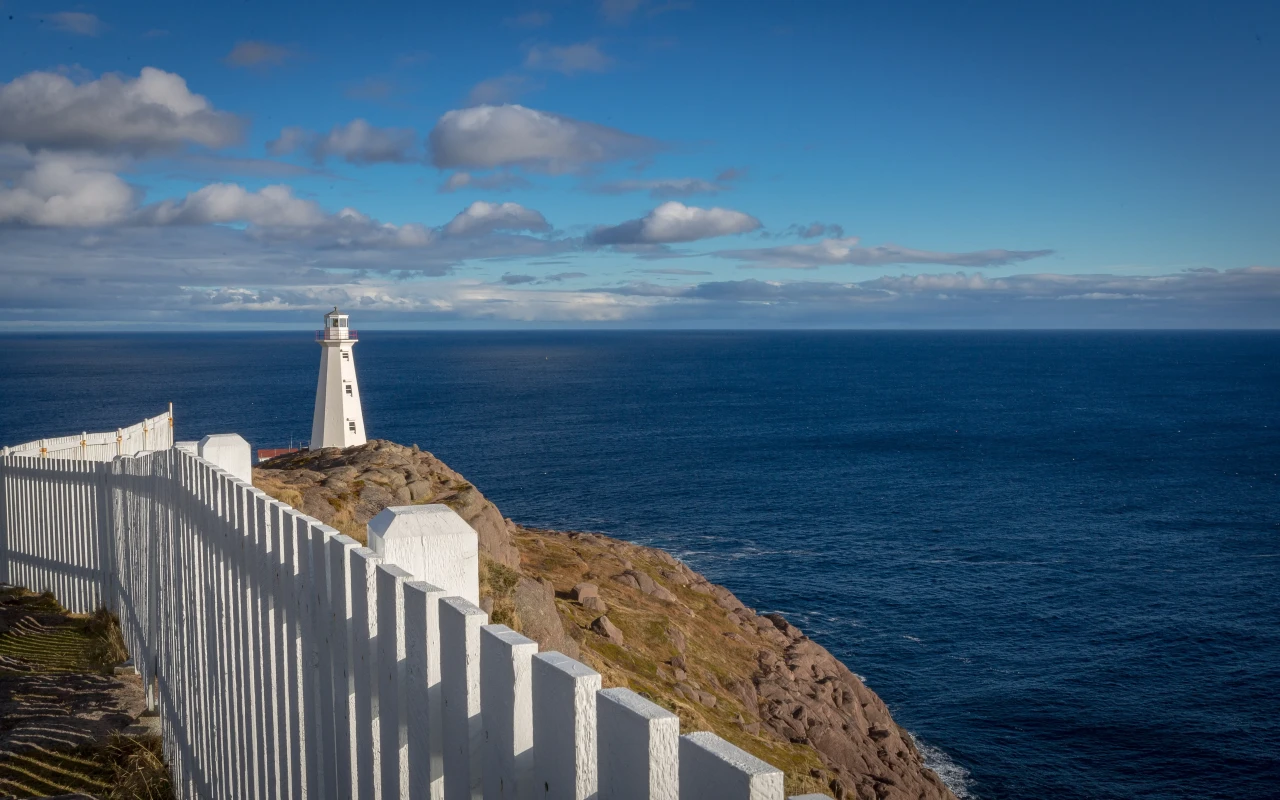
The Cape Spear Lighthouse is an iconic symbol of Newfoundland and Labrador, renowned for its picturesque setting and historical significance as the oldest surviving lighthouse in the province.
📌 Navigating Cape Spear Lighthouse : Answers to Frequently Asked Questions
- Admission Fee: Admission is free for the lighthouse and surrounding areas.
- How Long to Visit: A visit typically lasts between one to two hours, depending on interest in the exhibits and views.
- Washrooms: Washrooms are available for visitor convenience.
- Hours of Operation: The site operates from 9 AM to 5 PM during the summer months, with reduced hours in winter.
- Important Information: It is recommended to check the weather forecast before visiting, as conditions can change rapidly.
- Handicap Accessible: The site is partially handicap accessible, with some areas accommodating wheelchairs.
- Pets: Pets are not allowed in the lighthouse area but may be permitted in adjacent outdoor spaces on leashes.
- Guided Tours: Guided tours are available, providing insights into the history and significance of the lighthouse.
- Restaurant or Cafe: There is no restaurant or café on-site, but nearby options can be found in St. John's.
- Gift Shop: A gift shop is located on-site, offering souvenirs and local crafts.
- Parking: Parking is available on-site with designated spaces for visitors.
- Family Friendly: Cape Spear Lighthouse is family-friendly, offering educational experiences for all ages.
- Photography: Photography is encouraged, with stunning coastal views and the historic lighthouse providing great subjects.
- WIFI: Free public Wi-Fi is not available at the site.
- Picnic Area: A picnic area is available for visitors to enjoy meals with scenic views.
📌Heads up: All times, prices and visitor policies are subject to change without notice. Please check the official website for the most recent information.
Photos of Cape Spear Lighthouse
What to Expect
As you approach Cape Spear Lighthouse, prepare to be captivated by the dramatic coastal scenery that frames this historic landmark. Perched on the most easterly point of North America, the lighthouse offers panoramic views of the rugged Atlantic Ocean. The striking contrast of the whitewashed lighthouse against the deep blue waters creates a photograph-worthy vista at every angle. Visitors often find themselves enchanted by the crashing waves and the rich biodiversity that flourishes along the coastline. Exploring the grounds of the lighthouse, you'll encounter well-kept pathways that lead to a series of well-marked trails, perfect for a leisurely stroll. The sound of seabirds fills the air while the scent of saltwater invigorates your senses. As you walk, take time to explore the various lookout points that provide glimpses of passing icebergs in the spring or the occasional pod of whales in summertime. Inside the lighthouse, a small interpretive center offers insights into the rich maritime heritage of the area. Here, you'll discover the stories of the lighthouse keepers who braved the elements to ensure safe passage for ships navigating these treacherous waters. Interactive displays and historical artifacts make for an engaging experience, adding depth to your visit.Background and Cultural Context
The Cape Spear Lighthouse was constructed in 1836, serving as a critical navigational aid for mariners navigating the often-treacherous waters of the North Atlantic. Its strategic location has made it a vital part of Canadian maritime history, and it stands as a testament to the resilience of those who lived and worked along this rugged coast. Over the years, the lighthouse has undergone restorations to preserve its integrity and to keep its light shining bright, a beacon of hope for seafarers. The surrounding area also boasts Indigenous history, with evidence of the early Beothuk and Mi’kmaq peoples who utilized the rich resources of the region long before European settlers arrived. As you explore, consider the cultural significance of the site as not only a navigational aid but as a symbol of the maritime culture that is deeply ingrained in Newfoundland’s identity. Today, Cape Spear is a national historic site, drawing thousands of visitors each year. It represents the intersection of nature and history, offering visitors more than just picturesque views, but an opportunity to connect with the stories of the land and its people.Best Time to Visit
The ideal time to visit Cape Spear Lighthouse depends largely on what you hope to experience during your trip. The summer months, particularly from June to August, are the most popular for tourists. Temperatures during this time are mild, making for comfortable hiking and exploration. Moreover, this is the peak season for whale watching, providing visitors the chance to glimpse these magnificent creatures frolicking in the waves. If you're a photography enthusiast or simply enjoy fewer crowds, consider visiting in the shoulder seasons of late spring or early autumn. Late May brings blooming wildflowers that paint the landscape, while September often offers stunning autumn palettes against the rock face and ocean backdrop. Winter visits are also enchanting, albeit challenging, with snow-covered paths and rugged ice formations adding an otherworldly beauty to the lighthouse. However, be prepared for harsh winds and cold temperatures during this time, which can limit accessibility to certain areas.How to Get There
Reaching Cape Spear Lighthouse is relatively straightforward, whether you are coming from St. John's or further afield. If you're traveling from the provincial capital, St. John's, simply follow Route 11 south for approximately 15 kilometers (about 20 minutes by car). As you near your destination, the road winds along the coastline, offering picturesque ocean views and a teasing glimpse of the lighthouse in the distance. Public transportation options may be limited, but local taxi services and ride-sharing platforms provide convenient alternatives. For those seeking a more adventurous route, consider biking along the scenic trails that traverse the coastline. Numerous bike rental shops in St. John's cater to cyclists looking to experience the beauty of the area at their own pace. Once you arrive, ample parking is available near the lighthouse. Make sure to allow enough time to fully explore the grounds and enjoy the spectacular views that greeted you upon your arrival.Photo Opportunities
- The dramatic cliffs framing the lighthouse.
- Close-ups of the lighthouse's iconic white exterior.
- Whales spouting in the distance during the summer.
- Sunrise or sunset views over the Atlantic Ocean.
- The surrounding rugged coastline and wildflowers in the spring.
Travel Tips
- Check the weather forecast before your visit; conditions can change rapidly.
- Layer your clothing to accommodate fluctuating temperatures.
- Bring binoculars for whale watching and bird spotting.
- Wear sturdy footwear for navigating the rocky terrain.
- Respect wildlife and maintain a safe distance from any animals you encounter.