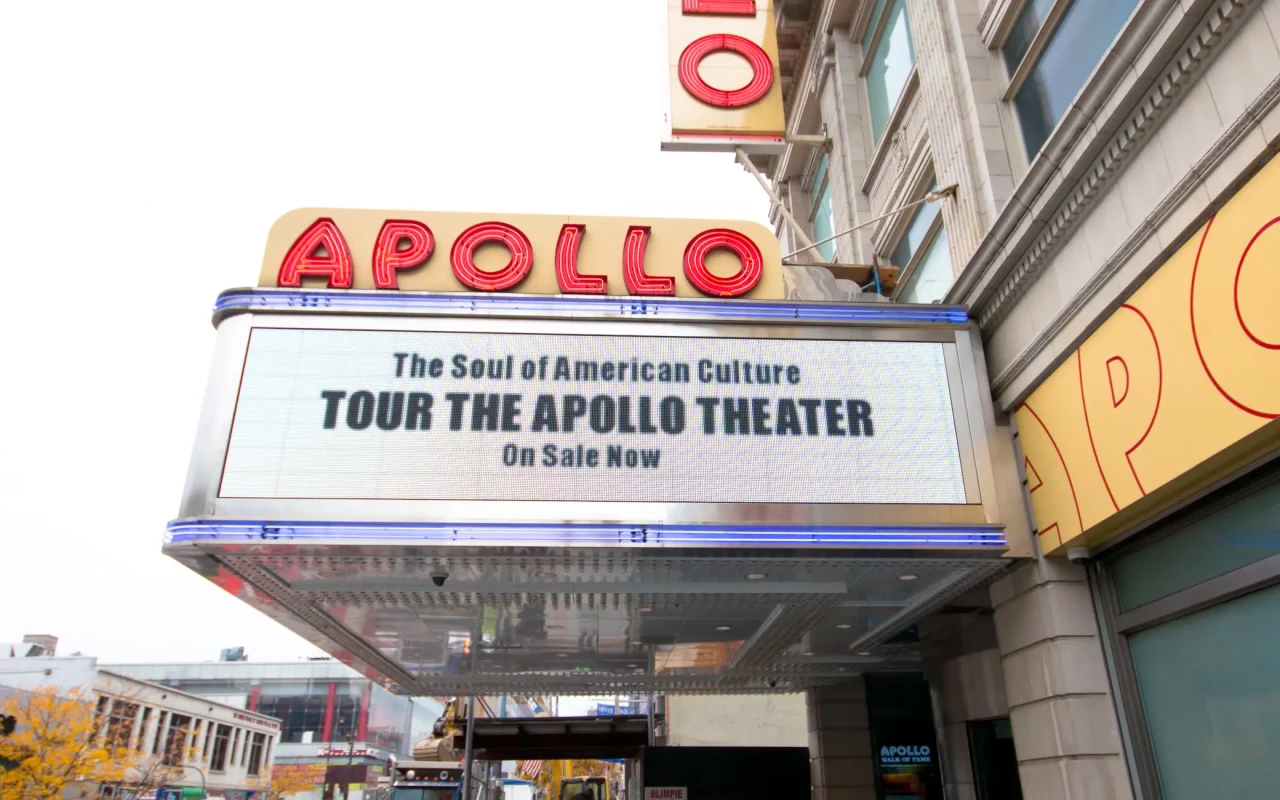
Claim to Fame
The Apollo Theater is Harlem’s historic performance venue—famed for launching countless careers at its famed Amateur Night and for its role as a cultural beacon of Black music, from jazz and R&B to hip-hop.
📌 Navigating Apollo Theater : Answers to Frequently Asked Questions
- Admission Fee: Admission fees vary by event; check the theater's official website for specific pricing details.
- How Long to Visit: A visit can last anywhere from one hour to several hours, depending on the event or tour selected.
- Washrooms: Washrooms are available on-site, including accessible facilities for guests with disabilities.
- Hours of Operation: The theater typically operates from 10 AM to 6 PM, with extended hours on performance days.
- Important Information: Be sure to check the schedule for upcoming performances and events, as they may affect accessibility and availability.
- Washrooms: Washrooms are available on-site, including accessible facilities for guests with disabilities.
- Hours of Operation: The theater typically operates from 10 AM to 6 PM, with extended hours on performance days.
- Important Information: Be sure to check the schedule for upcoming performances and events, as they may affect accessibility and availability.
- Admission Fee: Admission fees vary by event; check the theater's official website for specific pricing details.
- How Long to Visit: A visit can last anywhere from one hour to several hours, depending on the event or tour selected.
- Handicap Accessible: The Apollo Theater is wheelchair accessible, with designated seating areas for guests with disabilities.
- Pets: Pets are not allowed inside the theater, with the exception of service animals.
- Guided Tours: Guided tours of the Apollo Theater are available, providing insights into its rich history and cultural significance.
- Restaurant or Cafe: There is no restaurant on-site, but various dining options are located within walking distance.
- Gift Shop: A gift shop is located within the theater, offering souvenirs, apparel, and memorabilia related to the Apollo.
- Parking: Street parking is available around the venue, but it can be limited; consider using nearby garages.
- Family Friendly: The venue is family-friendly, often hosting events suitable for all ages, including educational programs.
- Photography: Photography is permitted in certain areas during specific events, but flash and tripods are generally prohibited.
- WIFI: Free Wi-Fi is available in the lobby area for guests to use during their visit.
- Picnic Area: Picnicking is not permitted on the premises, but nearby parks offer suitable areas for outdoor meals.
- Parking: Street parking is available around the venue, but it can be limited; consider using nearby garages.
- Family Friendly: The venue is family-friendly, often hosting events suitable for all ages, including educational programs.
- Photography: Photography is permitted in certain areas during specific events, but flash and tripods are generally prohibited.
- WIFI: Free Wi-Fi is available in the lobby area for guests to use during their visit.
- Picnic Area: Picnicking is not permitted on the premises, but nearby parks offer suitable areas for outdoor meals.
- Handicap Accessible: The Apollo Theater is wheelchair accessible, with designated seating areas for guests with disabilities.
- Pets: Pets are not allowed inside the theater, with the exception of service animals.
- Guided Tours: Guided tours of the Apollo Theater are available, providing insights into its rich history and cultural significance.
- Restaurant or Cafe: There is no restaurant on-site, but various dining options are located within walking distance.
- Gift Shop: A gift shop is located within the theater, offering souvenirs, apparel, and memorabilia related to the Apollo.
Photos of Apollo Theater
Since its 1934 reopening as a Black-owned theater, the Apollo on 125th Street has showcased generations of musical innovators—from Ella Fitzgerald winning Amateur Night in 1934 to James Brown, Stevie Wonder, and Lauryn Hill rising through its stage. With its Art Deco marquee and intimate 1,500-seat auditorium, it remains a vibrant hub for live concerts, comedy, dance, and community events, preserving Harlem’s dynamic artistic legacy and nurturing new talent.
What to Expect
Step into the grand lobby beneath the glowing Apollo sign and settle into the plush orchestra or mezzanine seats. Show nights often feature a mix of headliners and Amateur Night hopefuls—each performance introduced by the irrepressible master of ceremonies. Between sets, the house band grooves in the pit, and the audience’s cheers become part of the show’s fabric.
Beyond performances, guided “Behind the Scenes” tours reveal the artist green room, original murals, and historic press clippings. Special events include Gospel Sunday showcases, historic film screenings, and educational workshops through the Apollo Immersive Learning Institute.
Background and Cultural Context
Originally built 1913–1914 as Hurtig & Seamon’s New Burlesque Theater, it was renamed the Apollo in 1934 to serve Harlem’s Black community when other venues remained segregated. Its Amateur Night quickly became the premier talent-spotting forum, shaping American popular music. Landmark designation in 1983 and the Apollo Theater Foundation’s restoration revived its architecture and mission, honoring the venue’s place at the heart of the Harlem Renaissance and beyond.
The Apollo’s cultural influence extends globally: its stage readings, live broadcasts, and televised Amateur Nights brought Black artistry into homes nationwide, helping to break down racial and genre barriers in the arts.
Best Time to Visit
Fridays (Amateur Night) deliver the quintessential Apollo experience—arrive early for good seats and to soak in the pre-show energy. Concert series run other nights of the week; check the calendar for gospel brunches (Sundays) and special festival events (e.g., Harlem Jazz Festival in summer). Daytime tours (Wednesdays–Saturdays) offer quieter access to historic spaces.
How to Get There
The Apollo is at 253 West 125th Street, between Adam Clayton Powell Jr. Blvd. (7th Ave.) and Frederick Douglass Blvd. (8th Ave.). Subway: 2, 3, A, B, C, D to 125th Street. Buses M60, M100, M101, M102, M104 serve along 125th; M7 and M116 run up 7th Ave. Street parking is limited—public transit is recommended. The marquee entrance and auditorium are wheelchair-accessible; accessible restrooms are available on the Mezzanine level.
Photo Opportunities
- The neon Apollo marquee glowing above 125th Street at dusk
- Interior shot of the proscenium stage framed by gilded Art Deco detailing
- Close-up of the embroidered “Apollo Amateur Night” signage backstage
- Historic lobby murals depicting Harlem Renaissance icons
- Performers bowing to an enthusiastic audience under the theater’s chandeliers
Travel Tips
- Book tickets well in advance for Amateur Night—popular shows sell out quickly.
- Arrive at least 30 minutes early for pre-show Carnival and warm-up acts.
- Check dress guidelines—smart casual attire is recommended, especially for evening performances.
- Visit the gift shop for branded memorabilia and Apollo history books before you leave.
- Combine your visit with a walk down Harlem’s historic 125th Street corridor to explore jazz clubs and soul-food restaurants nearby.
FAQs
Are guided tours available?
Yes—public backstage tours run Wednesday through Saturday at 11 AM; reservations are required and can be made online.
Is photography allowed?
Personal photography is permitted in the lobby and on tours; flash and tripods are prohibited during performances.
Is the Apollo accessible?
The theater offers wheelchair-accessible seating, elevators, and assistive listening devices; accessible restrooms are located on the Mezzanine.
Final Thoughts
The Apollo Theater stands as an enduring monument to Black artistry and American music history. Whether you’re cheering emerging talent on Amateur Night, experiencing a tribute concert to a legend, or exploring its storied halls on a tour, the Apollo offers an electrifying, soulful experience at the heart of Harlem’s cultural tapestry.