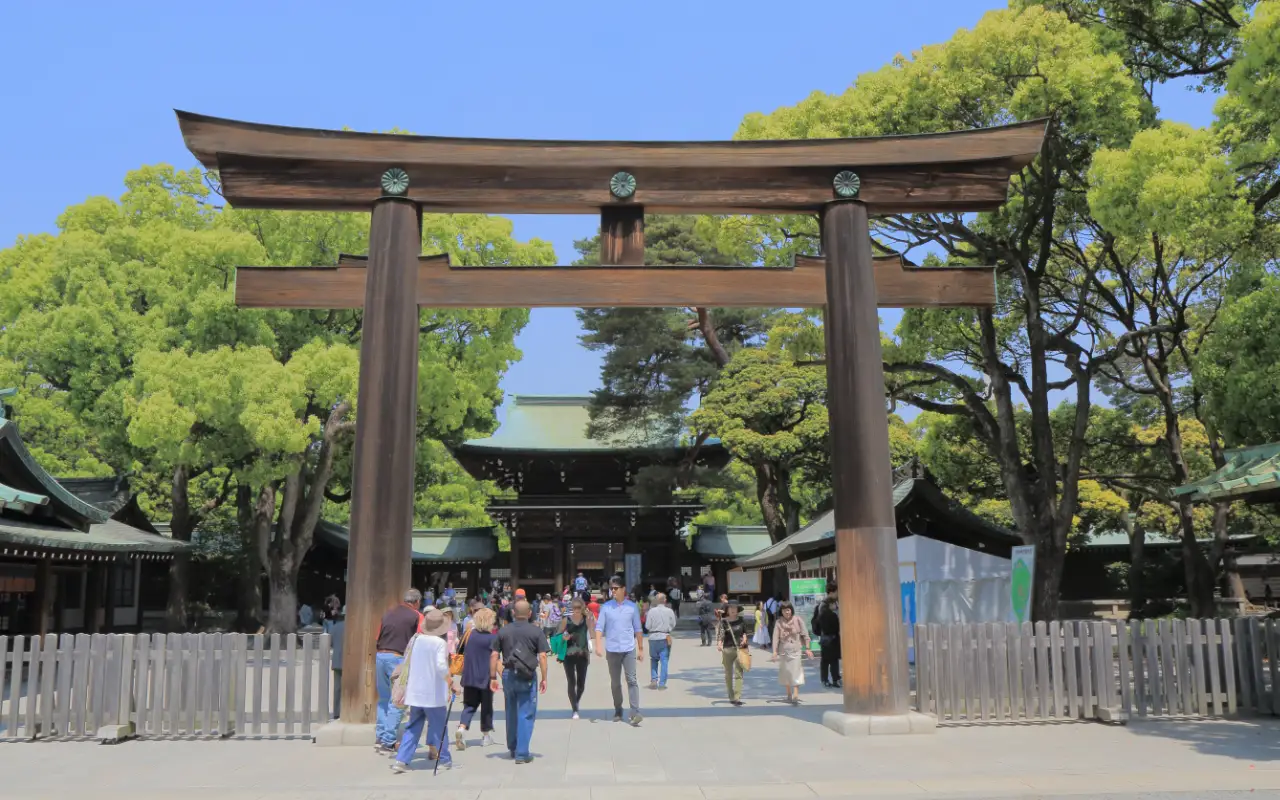
The Meiji Shrine is renowned for its tranquil forested surroundings, traditional Shinto architecture, and as a memorial to Emperor Meiji and Empress Shoken, offering visitors a unique glimpse into Japan's imperial history and spiritual practices.
📌 Navigating Admire the Meiji Shrine : Answers to Frequently Asked Questions
Washrooms: Washrooms are available near the entrance of the shrine for visitor convenience.
Hours of Operation: The shrine is open from sunrise to sunset, typically from 5:00 AM to 6:00 PM.
Important Information: Be sure to check for any special events or ceremonies that may be taking place during your visit.
Admission Fee: Admission to Meiji Shrine is free, although donations are appreciated.
How Long to Visit: A visit to Meiji Shrine usually takes about 1 to 2 hours, depending on your pace.
Parking: There is limited parking available near Meiji Shrine, so using public transport is recommended.
Family Friendly: Meiji Shrine is family-friendly, offering spacious grounds for children to explore.
Photography: Photography is permitted in most areas, but be respectful of the sacred spaces and ceremonies.
WIFI: Free Wi-Fi is not available on-site, so visitors should rely on mobile data.
Picnic Area: Picnicking is not permitted on the shrine grounds to preserve the tranquility of the area.
Handicap Accessible: The shrine grounds are generally handicap accessible, with designated paths and facilities.
Pets: Pets are not allowed within the shrine grounds to maintain the serene environment.
Guided Tours: Guided tours are available and provide insight into the shrine's history and significance.
Restaurant or Cafe: There are no restaurants or cafes within the shrine; nearby options can be found outside the grounds.
Gift Shop: A gift shop is located at the entrance, offering souvenirs and traditional items.
📌Heads up: All times, prices and visitor policies are subject to change without notice. Please check the official website for the most recent information.
As you step into the Meiji Shrine, the bustle of Tokyo fades away, replaced by a palpable sense of calm and reverence. The path leading up to the shrine is lined with towering trees, which provide a cool, shaded canopy, inviting you to engage in a peaceful stroll. The scent of cedar and the sound of rustling leaves create a natural symphony, setting the perfect backdrop for contemplation and connection with nature. You'll encounter numerous torii gates, each delineating a boundary between the sacred and the mundane, signifying the transition into a spiritual realm.
Upon arriving at the main shrine structure, the grandeur of the architecture catches the eye. The wooden buildings, adorned with intricately carved details and a thatched roof, embody the principles of Shinto aesthetics. Visitors often partake in customary practices, such as bowing in respect before entering and offering coins at the offering box to express gratitude. This immersive experience allows travelers not only to witness but also to participate in the rich tapestry of Japanese culture.
The Meiji Shrine also features a variety of seasonal rituals and events that add to its vibrancy. From traditional wedding ceremonies to harvest festivals, these activities offer profound insights into Japanese traditions and provide an exceptional opportunity for photography and cultural enrichment. It's a venue where ancient rituals meet modern life, illustrating the enduring spirit of the Shinto faith.
Background and Cultural Context
The Meiji Shrine was established in 1920 as a tribute to Emperor Meiji, the first emperor of modern Japan. He is credited with ushering in the Meiji Restoration, a period that saw rapid modernization and the opening of Japan to the West. His wife, Empress Shoken, is also honored at the shrine, representing the partnership that led Japan into a new era. The shrine is designed not only as a memorial but as a cultural symbol of a nation finding its identity during times of change.
The architecture of the shrine reflects ancient Shinto traditions, characterized by simplicity and harmony with nature. Constructed mainly from natural materials like cypress and copper, the shrine embodies the spiritual belief that nature, divinity, and humanity are interconnected. The serene environment around the shrine provides visitors the chance to reflect on the peaceful coexistence of these elements, serving as a powerful reminder of Japan's cultural foundations.
Visiting the Meiji Shrine provides a deep cultural experience that transcends typical tourist attractions. It invites guests to engage in spiritual practices, appreciate timeless traditions, and learn more about the history that shaped a nation. From Shinto rituals to intricate festivals, the shrine remains a living testament to Japan's deep-rooted heritage.
Best Time to Visit
The Meiji Shrine is a year-round destination, each season offering its unique allure. Spring is perhaps the most celebrated season, as the cherry blossoms begin to bloom, cloaking the shrine's grounds in delicate pink petals, creating an awe-inspiring landscape. Visitors flock during hanami (flower viewing) parties, immersing themselves in the stunning scenery and enjoying traditional picnics beneath the blossoms. This time encapsulates the ephemeral beauty of nature, a theme prevalent in Japanese culture.
Summer, while warmer and bustling with energy, presents another perspective of the shrine's charm. The vibrant greenery is at its peak, and the rituals observed during summer festivals attract both locals and tourists. This is an excellent time to witness authentic community gatherings and ceremonies that showcase Japan's living traditions. However, be prepared for humid conditions, and plan your visit early in the day for a more serene experience.
Autumn transforms the shrine into a canvas of fiery hues, as leaves turn brilliant shades of red and gold. The backdrop of colorful foliage against the shrine's wooden structures offers extraordinary photographic opportunities. Winter, although quieter, has its own serene beauty, enhanced by the tranquility of the shrine after the New Year's celebrations. This season offers glimpses into traditional New Year customs as visitors come to pray for fortune and health.
How to Get There
Reaching the Meiji Shrine is a straightforward journey, accessible from several major transport hubs in Tokyo. The nearest station is Harajuku, served by the JR Yamanote Line, a circular line that connects many of Tokyo’s principal districts. Upon leaving the station, a short walk through the lively streets filled with shops and cafés will lead you to the shrine's entrance, where the transition into a tranquil landscape begins.
Alternatively, you can opt to take the Tokyo Metro to Meiji-Jingumae Station on the Chiyoda Line, which provides convenient access and is a popular stop for visitors interested in exploring the fashionable district of Harajuku. From here, you'll find clear signages directing you towards the shrine, ensuring that even first-time visitors can navigate effortlessly.
For those desiring a more contemplative approach, consider renting a bicycle or taking a leisurely walk from nearby parks such as Yoyogi Park. This allows you to absorb the atmosphere of the surrounding area and spot local eateries and shops along the way. Walking through these vibrant neighborhoods often leads to unexpected discoveries and a richer travel experience.
Photo Opportunities
- The iconic torii gate at the entrance
- The serene forest trail leading to the main shrine
- The stunning architecture of the shrine building
- Seasonal flowers, especially cherry blossoms in spring and autumn leaves
- Traditional wedding ceremonies taking place on the grounds
- The intricate wooden carvings and details on the structure
- The tranquil water basin used for purification before prayers
Travel Tips
- Visit early in the morning or on weekdays to avoid crowds and fully appreciate the serenity.
- Dress modestly; as a sacred site, it is respectful to cover shoulders and knees.
- Consider participating in a Shinto ritual, such as the purification process at the water basin.
- Bring a camera for incredible photography opportunities, but be mindful of restrictions during ceremonies.
- Check local events or festivals happening at the shrine for an enriched experience.
FAQs
What is the entry fee for Meiji Shrine? Admission to the Meiji Shrine is free, allowing all visitors to explore its serene environment and historical significance without any cost.
Are there guided tours available at Meiji Shrine? Yes, guided tours are available and led by knowledgeable guides who can provide deeper insights into the history, rituals, and cultural significance of the shrine's elements.
Final Thoughts
The Meiji Shrine stands as a remarkable testament to Japan's enduring spirit, gracefully intertwining history, culture, and nature. As you wander through its tranquil paths, you are invited to step away from the hustle of modern life and embrace a moment of reflection and peace. Each visit offers a new perspective, whether you are drawn by spiritual curiosity, historical appreciation, or the natural beauty of the surroundings. The Meiji Shrine is more than just a sight; it’s a journey into Japan’s soul, a memory waiting to be made, and a place where the past continues to thrive in the present.