
Landmarks & Heritage
Religious and Spiritual Sites
1. Masjid Al-Haram: Experience Islam’s Holiest Sanctuary & The Sacred Kaaba In Mecca’s Grand Mosque
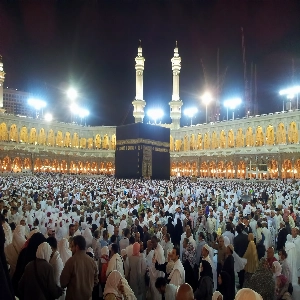
Mecca, the holiest city in Islam, stands as a beacon of faith for millions of Muslims worldwide. Located in the arid valleys of Saudi Arabia, this city is the birthplace of the Prophet Muhammad and the site of the Kaaba, the sacred cube-shaped structure that Muslims face during their daily prayers. Mecca's profound spiritual significance is unparalleled in the Islamic world, drawing pilgrims from across the globe to participate in the Hajj, an annual pilgrimage that is one of the Five Pillars of Islam and a journey every Muslim is required to make at least once in their lifetime, if ...
2. St. Peter’s Basilica: Marvel At Renaissance Masterpieces & Apostolic Legacy In Vatican City’s Spiritual Heart
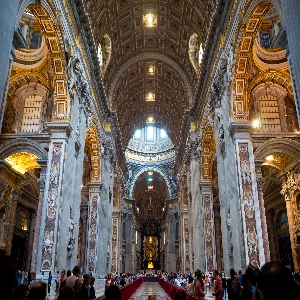
St. Peter's Basilica, located within the Vatican City, stands as one of the most sacred sites in Christendom and an architectural masterpiece of the Renaissance era. This iconic church is built over the historical site of St. Peter's tomb, one of the twelve apostles of Jesus and the first Pope according to Christian tradition. As such, the basilica is not only a place of immense religious significance but also a pilgrimage site for millions of Catholics from around the world.
The current structure of St. Peter's Basilica was completed in the 16th century, replacing an earlier 4th-century church. It was ...
3. Taj Mahal: Behold India’s Marble Masterpiece Of Love & Mughal Splendor On The Yamuna’s Banks
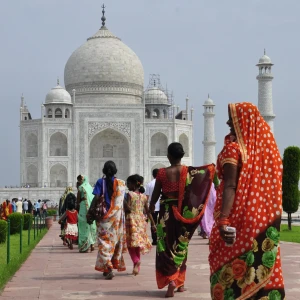
The Taj Mahal, located in Agra, India, stands as a symbol of love and an architectural marvel, recognized worldwide for its breathtaking beauty. Constructed by Mughal Emperor Shah Jahan in memory of his beloved wife Mumtaz Mahal, who died during childbirth, the Taj Mahal is a mausoleum that combines elements of Islamic, Persian, Ottoman Turkish, and Indian architectural styles. This UNESCO World Heritage Site is not only a profound testament to romantic devotion but also a masterpiece of architectural ingenuity.
The main structure of the Taj Mahal is built with white marble that features semi-precious stones in intricate patterns, creating ...
4. Kashi Vishwanath Temple: Revered “Golden Temple Of Varanasi” & Ancient Shiva Shrine On The Ganges
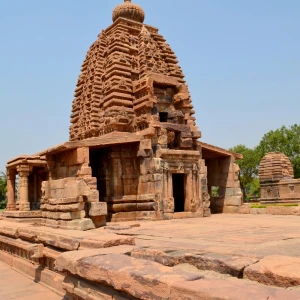
The Kashi Vishwanath Temple, situated on the western bank of the holy river Ganges in Varanasi, India, is one of the most revered Hindu temples dedicated to Lord Shiva. Known as 'Vishwanath,' meaning 'ruler of the universe,' the temple stands as a pivotal site of worship in the Shaiva philosophy. It is one of the twelve Jyotirlingas, the holiest Shiva temples, where the deity is believed to have manifested in a fiery column of light. The temple not only draws millions of devotees from across India but also from around the world, embodying a profound spiritual significance that resonates through ...
5. Western Wall: Stand Before Judaism’s Holiest Prayer Site & Ancient Foundation Of The Second Temple In Jerusalem
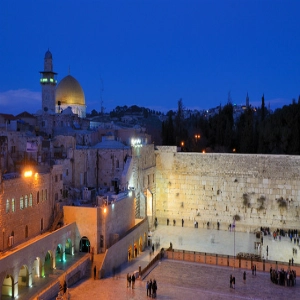
The Western Wall, also known as the Kotel, is one of the most sacred sites in Judaism, located in the Old City of Jerusalem. This ancient limestone wall is the last remaining structure of the Second Jewish Temple, destroyed by the Romans in 70 CE. It is considered holy due to its direct connection to the Temple Mount, where the Jewish temples once stood and which is believed to be the site of various biblical events.
For centuries, the Western Wall has been a focal point of Jewish prayer and pilgrimage. Jews from around the world travel to the Wall ...
6. Basilica Of Our Lady Of Guadalupe: Pilgrim To Mexico’s “New Jerusalem” & Home Of The Miraculous Tilma
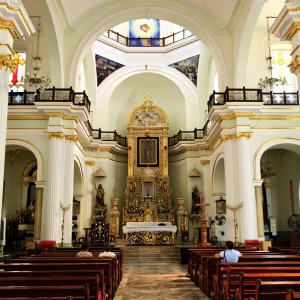
The Basilica of Our Lady of Guadalupe, located in Mexico City, is one of the most significant and visited Catholic pilgrimage sites in the world. This sacred complex is dedicated to the Virgin Mary in her guise as Our Lady of Guadalupe, the patron saint of Mexico. The story of Guadalupe dates back to 1531, when, according to popular belief, the Virgin Mary appeared to Saint Juan Diego Cuauhtlatoatzin, an indigenous Mexican convert to Christianity, on the hill of Tepeyac. She instructed him to build a church in her honor at that site. After the bishop demanded a sign, Juan ...
7. Golden Temple (Harmandir Sahib): Experience Sikhism’s Sacred “Abode Of God” & Mirrored Pool In Amritsar’s Timeless Sanctuary
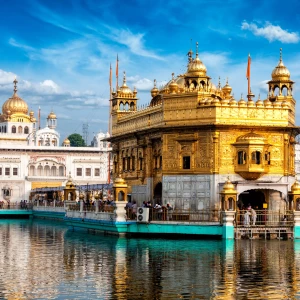
The Golden Temple, also known as Harmandir Sahib, is a profound symbol of spiritual significance and exquisite beauty, located in Amritsar, India. Revered as the most sacred shrine in Sikhism, this temple embodies the equality and openness that the Sikh community is known for. It was founded by the fourth Sikh guru, Guru Ram Das, in the late 16th century and later completed by his successor, Guru Arjan.
One of the most distinctive features of the Golden Temple is its stunning architecture, characterized by intricate marble work, gold plating, and an imposing dome gilded with 750 kg of pure gold. ...
8. Kaaba: Circumambulate Islam’s Sacred “House Of God” At The Heart Of Masjid Al-Haram In Mecca
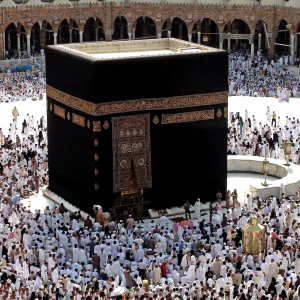
The Kaaba, also known as Al-Kaʿbah al-Musharrafah, is a cube-shaped building located at the heart of the Masjid al-Haram in Mecca, Saudi Arabia. It is the most sacred site in Islam, with millions of Muslims around the world facing towards it during their daily prayers. The Kaaba is at the epicenter of the Hajj pilgrimage, an obligation that every able-bodied Muslim is expected to perform at least once in their lifetime, if they can afford to do so.
Historically, the Kaaba is said to have been built by Abraham and his son Ishmael, after Ishmael settled in Arabia. The structure ...
9. Church Of The Holy Sepulchre: Visit Christianity’s Most Sacred Site & The Tomb Of Christ In Jerusalem’s Old City
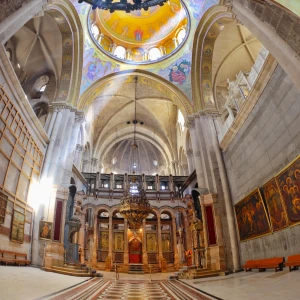
The Church of the Holy Sepulchre in Jerusalem is one of the most revered sites in Christianity, believed to be the location where Jesus Christ was crucified, buried, and resurrected. This ancient church, situated within the Christian Quarter of the Old City, serves as a profound testament to the faith and history that define the core of Christian theology and tradition.
Originally constructed by the Roman Emperor Constantine in the 4th century, the Church of the Holy Sepulchre has undergone numerous reconstructions and renovations over the centuries due to damage caused by fires, earthquakes, and invasions. Despite these challenges, the ...
10. Sanctuary Of Our Lady Of Lourdes: Pilgrimage To France’s Miraculous Grotto & Healing Waters
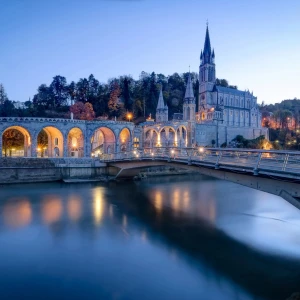
Lourdes, nestled in the foothills of the Pyrenees in southwestern France, is one of the world's most significant pilgrimage sites in the Catholic faith. This small town became a beacon of spiritual solace and healing following the events of 1858, when a young girl named Bernadette Soubirous claimed to have seen visions of the Virgin Mary, known as the Immaculate Conception, in a local grotto.
The Sanctuary of Our Lady of Lourdes, or the Domain as it is often called, encompasses the Grotto, several basilicas, and a system of baths fed by the spring Bernadette uncovered through her visions. The ...
11. Ganges River (Varanasi): Witness Sacred Ghats, Timeless Rituals & Sunrise Aarti On India’s Holiest Waterway
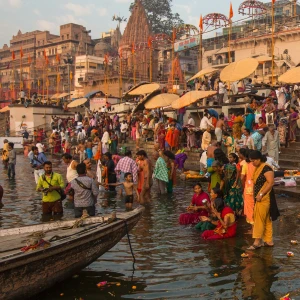
The Ganges River, particularly as it flows through Varanasi, India's oldest and most sacred city, holds immense religious significance in Hinduism. Known as Ganga in Sanskrit, the river is personified as a goddess who purifies and liberates those who come into contact with her. Varanasi, also known as Benaras or Kashi, is revered as the spiritual capital of India, where the Ganges is believed to have the power to wash away the sins of mortals.
The ghats of Varanasi, a series of steps leading to the river, are the heart of the religious life of the city. Each of the ...
12. Western Wall (Kotel): Pray At Judaism’s Ancient “Wailing Wall” & Connect With Millennia Of Faith In Jerusalem
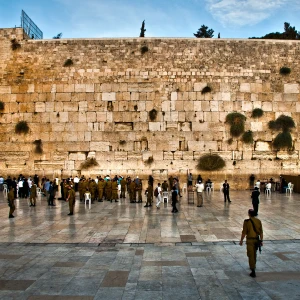
The Western Wall, commonly known as the Kotel, is a remnant of the ancient limestone wall that once enclosed and supported the Second Temple of Jerusalem, which was destroyed by the Romans in 70 CE. Located in the Old City of Jerusalem, it is the most sacred site recognized by the Jewish faith outside of the Temple Mount itself. Millions of visitors and worshippers from around the world come to the Western Wall each year, making it a focal point for prayer and pilgrimage.
The significance of the Western Wall lies in its direct connection to the Biblical Temple, the ...
13. Angkor Wat: Marvel At The World’s Largest Religious Monument & Khmer Masterpiece At Dawn
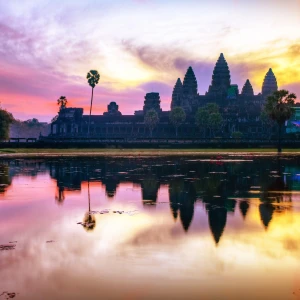
Angkor Wat, a temple complex in Cambodia, is one of the largest religious monuments in the world and a quintessential symbol of Khmer architectural excellence. Originally constructed in the early 12th century as a Hindu temple dedicated to the god Vishnu, it gradually transformed into a Buddhist temple towards the end of the 12th century. Its name, which translates to "Temple City" in Khmer, aptly reflects its massive scale and grandeur, which have captivated scholars, spiritual seekers, and tourists alike.
The complex is renowned for its precise construction and majestic layout, encapsulating more than just spiritual significance; it is a ...
14. Shwedagon Pagoda: Marvel At Burma’s Golden “Great Dagger” & Ancient Buddhist Shrine In Yangon
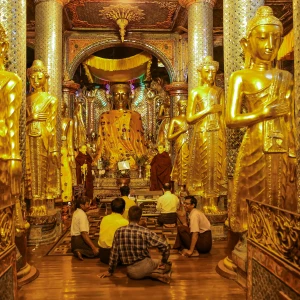
Shwedagon Pagoda, also known as the Great Dagon Pagoda and the Golden Pagoda, is a spectacular 326-foot-tall stupa located in Yangon, Myanmar. This 2,500-year-old structure is the most sacred Buddhist pagoda in Myanmar, as it purportedly contains relics of the four previous Buddhas of the present kalpa, including strands of hair from Gautama Buddha himself. Its iconic golden gleam, visible from much of the city, draws pilgrims and tourists from around the world, making it a focal point of religious devotion and Myanmar's most revered cultural landmark.
The pagoda's design is emblematic of traditional Burmese stupa architecture, featuring a bell-shaped ...
15. Santiago De Compostela Cathedral: Pilgrimage To Spain’s Majestic Romanesque “Finisterre” & The Apostle’s Shrine
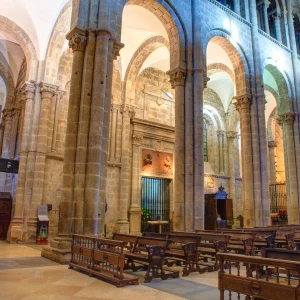
Santiago de Compostela Cathedral, located in the historic city of Santiago de Compostela in Galicia, Spain, is one of the most important pilgrimage sites in Christianity. This magnificent cathedral is the reputed burial place of Saint James the Great, one of Jesus’ twelve apostles, whose remains are said to lie within its elaborate shrine. The cathedral marks the culmination of the Camino de Santiago pilgrimage route, a series of paths traveled by pilgrims from all over Europe and beyond for over a thousand years.
The cathedral's architecture is a stunning showcase of Romanesque, Gothic, and Baroque elements, reflecting the various ...
16. Chartres Cathedral: Marvel At High Gothic Splendor & Legendary Stained Glass Labyrinth In France’s “Light Of Gothic”
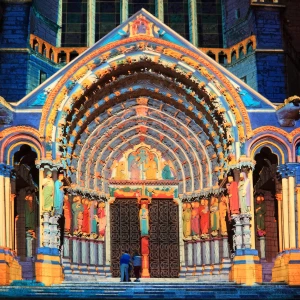
Chartres Cathedral, officially known as Cathédrale Notre-Dame de Chartres, is located in the medieval town of Chartres, France. Renowned as one of the finest examples of French Gothic architecture, it has been a major pilgrimage destination since the early Middle Ages. The current cathedral, mostly constructed between 1194 and 1220, is celebrated for its architectural cohesion, magnificent sculptures, and particularly, its exceptional stained-glass windows that cast ethereal light into its vast nave.
The cathedral's most famous feature is its windows, amounting to 176 in total, which collectively constitute one of the most complete and well-preserved collections of medieval stained glass ...
17. Sagrada Família: Witness Gaudí’s Unfinished Masterpiece Of Organic Gothic & Light In Barcelona
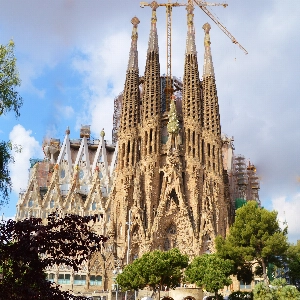
The Sagrada Familia, a monumental basilica in Barcelona, Spain, is perhaps one of the most iconic examples of modernist architecture designed by Catalan architect Antoni Gaudí. Begun in 1882, this unfinished masterpiece is renowned for its ambitious scale and the complexity of its design, integrating Gaudí's deep religious faith with his love for nature and architecture.
The structure of the Sagrada Familia is rich with Christian symbolism; its eighteen spires represent the Twelve Apostles, the Virgin Mary, the four Evangelists, and, tallest of all, Jesus Christ. These spires rise dramatically into the sky, each uniquely adorned with intricate details that ...
18. Temple Mount: Explore Al-Aqsa Mosque & Dome Of The Rock On Islam’s Third-Holiest Sanctuary In Jerusalem’s Old City
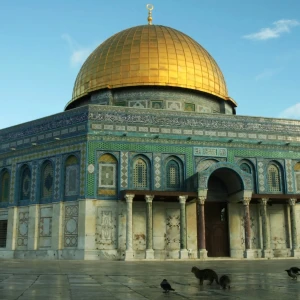
The Temple Mount, located in the Old City of Jerusalem, is a site of profound significance for Judaism, Christianity, and Islam, making it one of the most contested religious sites in the world. For Jews, it is the location of the two ancient Temples, with the Western Wall at its base being the closest accessible site to the Holy of Holies, the most sacred site in Judaism. For Muslims, it is home to the Al-Aqsa Mosque and the Dome of the Rock, which marks the spot from which Prophet Muhammad is believed to have ascended to heaven during the Night ...
19. Mahabodhi Temple: Stand Where Buddha Attained Enlightenment Under The Bodhi Tree In Bodh Gaya
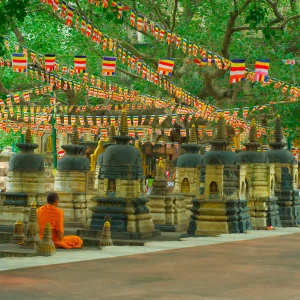
The Mahabodhi Temple, located in Bodh Gaya, India, is one of the most revered sites in Buddhism, marking the location where Siddhartha Gautama, the Buddha, attained enlightenment under a Bodhi tree. This UNESCO World Heritage site attracts thousands of pilgrims from around the world each year, drawn to the place where Buddha spent seven weeks in meditation after his enlightenment, each week at a different location nearby.
The temple complex is dominated by the grand Mahabodhi Temple, which dates back to the Gupta era, around the 5th-6th centuries CE, although the origins of the temple are believed to be earlier. ...
20. Mount Athos: Discover Greece’s “Holy Mountain” Of Byzantine Monasteries & Spiritual Solitude
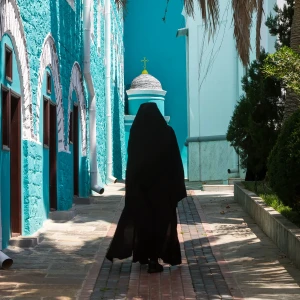
Mount Athos, often referred to as the Holy Mountain, is a unique monastic republic located on a remote peninsula in northern Greece. It has been one of the most important centers of Eastern Orthodox monasticism since the Byzantine era. Governed by its own religious authorities and rules, Mount Athos is home to 20 monasteries and numerous sketes and hermitages, hosting monks from around the world dedicated to prayer, religious study, and self-sufficiency.
The peninsula of Mount Athos is characterized by its rugged natural beauty and strict conservation of its religious traditions and way of life. Access to Mount Athos is ...
21. Kiyomizu-dera: Experience Kyoto’s Iconic “Pure Water Temple” & Panoramic Cherry- And Maple-Framed Views
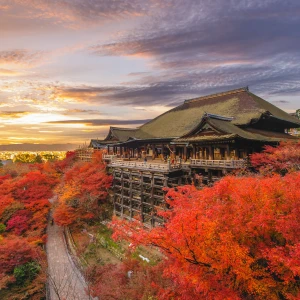
Kiyomizu-dera, a historic temple located in the eastern part of Kyoto, Japan, is one of the most celebrated temples of Japan and a UNESCO World Heritage Site. Founded in the late 8th century during the Heian period, the temple is part of the Kita Hosso sect of Japanese Buddhism. Its name, which means "Pure Water Temple," is derived from the Otowa Waterfall running beneath its main hall, where visitors drink sacred waters believed to have wish-granting powers.
The temple's architecture is particularly famous for its vast wooden stage that juts out from the Main Hall, 13 meters above the hillside ...
22. Kinkaku-ji (Golden Pavilion): Admire Kyoto’s Iconic Gold-Leaf Temple Reflecting In A Tranquil Pond & Zen Garden
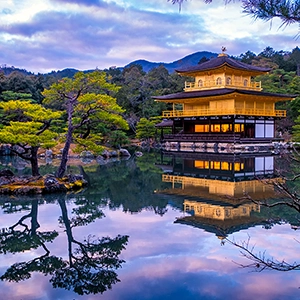
Kinkaku-ji, also known as the Golden Pavilion, is one of Japan's most iconic and visually stunning temples. Located in Kyoto, this Zen Buddhist temple was originally built during the Muromachi period as a retirement villa for Shogun Ashikaga Yoshimitsu. After his death, it was converted into a temple by his son, in accordance with Yoshimitsu's wishes. The temple is a brilliant example of the extravagant Kitayama culture that characterized this period in Japanese history, highlighting the aesthetics of excess and opulence.
The Golden Pavilion gets its name from the gold leaf that covers the upper two levels of the structure, ...
23. Jokhang Temple: Visit Lhasa’s Sacred “House Of The Lord” & Pilgrims’ Heart At Tibet’s Spiritual Core
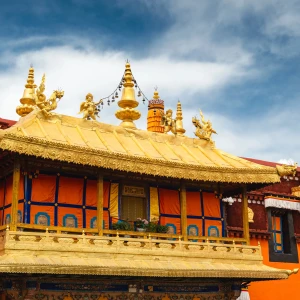
Jokhang Temple, located in the heart of Lhasa, Tibet, is considered the most sacred and important temple in Tibetan Buddhism. Founded in the 7th century by King Songtsen Gampo, it is said to have been built to house precious Buddhist relics and statues, including the revered Jowo Rinpoche statue, believed to be a life-sized image of the Buddha at age twelve. This historical and spiritual center attracts thousands of pilgrims each year, who come to perform kora, a traditional circumambulation ritual, and to prostrate themselves in reverence.
The architecture of Jokhang Temple is a striking mix of Indian vihara design, ...
24. St. Mark’s Basilica: Marvel At Venice’s Byzantine “Church Of Gold” & Its Glittering Mosaics On Piazza San Marco

St. Mark's Basilica, officially known as the Patriarchal Cathedral Basilica of Saint Mark, stands majestically in the Piazza San Marco in Venice, Italy. This iconic cathedral, rich in history and artistry, is one of the finest examples of Italo-Byzantine architecture. It was originally built in the 9th century to house the relic of Saint Mark the Evangelist, which had been smuggled out of Alexandria.
The structure was rebuilt in its present form in the 11th century after a fire, designed to reflect the grandeur of the Byzantine Empire and underscore Venice's growing sea power. The facade of the basilica is ...
25. St. Paul’s Cathedral: Ascend Sir Christopher Wren’s Baroque Masterpiece & London’s Iconic “Whispering Gallery” Dome

St. Paul's Cathedral, an architectural jewel in the heart of London, stands as one of the most iconic landmarks of the United Kingdom. Designed by Sir Christopher Wren and completed in 1710 after the Great Fire of London, this magnificent structure exemplifies the pinnacle of English Baroque architecture. It serves not only as a functional place of worship but also as a symbol of hope and resilience for the city of London.
The cathedral's most striking feature is its massive dome, one of the largest in the world, which has dominated the London skyline for centuries. The dome is framed ...
26. Sanctuary Of Our Lady Of Fátima: Pilgrimage To Portugal’s Marian Shrine & The Miracle Of The Sun
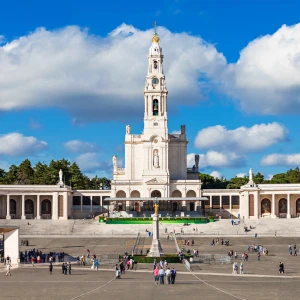
The Shrine of Fatima, located in the small town of Fátima, Portugal, is one of the most significant Catholic pilgrimage sites in the world. This holy site commemorates the apparitions of the Virgin Mary reported by three shepherd children—Lúcia, Francisco, and Jacinta—in 1917. These visions, occurring monthly from May to October of that year, culminated in the "Miracle of the Sun," witnessed by thousands and leading to the shrine's enduring religious significance.
The centerpiece of the shrine complex is the Chapel of the Apparitions, built on the site where the Virgin Mary is believed to have appeared. The chapel houses ...
27. Potala Palace: Ascend Lhasa’s Himalayan Citadel & Tibet’s Iconic “Winter Palace” Of Dalai Lamas
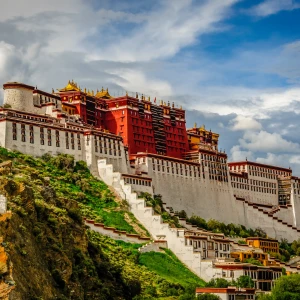
The Potala Palace, perched atop Marpo Ri hill in Lhasa, Tibet, is not only an architectural wonder but also a symbol of Tibetan Buddhism. This iconic palace was the winter residence of the Dalai Lamas from the 7th century until the 14th Dalai Lama's exile in 1959. Its majestic structure dominates the Lhasa skyline, serving as a repository of Tibetan culture, religion, and history.
Constructed in the 17th century by the 5th Dalai Lama, the Potala Palace comprises two main parts: the White Palace and the Red Palace. The White Palace primarily served administrative purposes and was the residence of ...
28. Basilica Of Sacré-Cœur: Ascend Montmartre’s Gleaming White “Sacred Heart” & Panoramic Paris Vistas
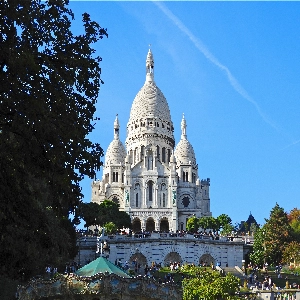
The Basilica of Sacré-Cœur, perched atop Montmartre, the highest point in Paris, is not just an iconic landmark but also a profound place of spiritual significance. Dedicated to the Sacred Heart of Jesus, a symbol of divine love and redemption, the basilica stands as a serene sanctuary and a vivid expression of French national pride. Its construction was initiated in 1875 following the Franco-Prussian War, envisioned as a moral repentance for the sins believed to have led to France's defeats.
The architecture of Sacré-Cœur is a striking blend of Romano-Byzantine features, which sets it apart from the predominantly Gothic cathedrals ...
29. Mount Fuji: Conquer Japan’s Sacred Peak & Visit The Shinto Shrine At Its Base For Spiritual Ascent
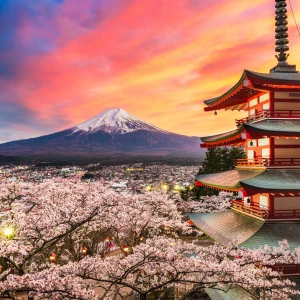
Mount Fuji, Japan's tallest peak and an enduring symbol of the nation, holds a special place in the Japanese cultural and spiritual landscape. This iconic volcano is not only a popular site for climbers and tourists but also a sacred place that has been venerated for centuries. At its base and summit, several Shinto shrines, including the prominent Fujisan Hongū Sengen Taisha, pay homage to the mountain's divine status.
The Sengen Shrine, located at the base of Mount Fuji, is part of a network of over 1,300 Sengen shrines across Japan dedicated to Princess Konohanasakuya, the Shinto deity associated with ...
30. Borobudur: Marvel At The World’s Largest Buddhist Temple & Java’s “Mountain Of A Thousand Buddhas” At Sunrise
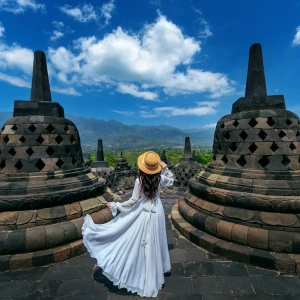
Borobudur, located in Central Java, Indonesia, is one of the world's largest Buddhist temples and a masterpiece of religious architecture. This monumental structure, constructed in the 9th century during the reign of the Sailendra Dynasty, is renowned for its intricate design and profound symbolic significance. Built from millions of blocks of volcanic stone, Borobudur is arranged in a mandala layout, representing the Buddhist cosmos.
The temple consists of nine stacked platforms, the lower six are square and the upper three are circular, topped by a central dome. The journey through these platforms is a spiritual one for visitors, symbolizing the ...
31. Wat Phra Kaew: Marvel At Bangkok’s Sacred “Temple Of The Emerald Buddha” & Royal Grand Palace Jewel
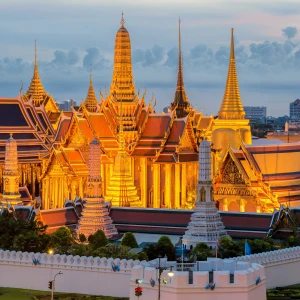
Wat Phra Kaew, known officially as Wat Phra Si Rattana Satsadaram, is regarded as the most sacred Buddhist temple in Thailand. Located within the historic grounds of the Grand Palace in Bangkok, this temple houses the Emerald Buddha, a highly revered statue carved from a single block of jade. Wat Phra Kaew's spiritual significance and architectural grandeur attract visitors and devout Buddhists from all over the world.
The temple complex is an outstanding example of Thai architectural excellence, featuring buildings adorned with intricate carvings, gold leaf, and colorful glass mosaics. The Emerald Buddha itself is enshrined within the main ordination ...
32. Lumbini: Pilgrim To Buddhism’s Sacred Birthplace & Serene “Mayadevi Garden” In Nepal’s Terai Plains

Lumbini, located in the Rupandehi District of Nepal, is revered as the birthplace of Siddhartha Gautama, who later became known as Buddha. Recognized as a UNESCO World Heritage Site, Lumbini is not just a pilgrimage site for Buddhists but a symbol of peace and understanding for people worldwide. Its historical and spiritual significance is commemorated by numerous monuments, temples, and museums, reflecting the life of the Buddha and the development of Buddhism.
At the heart of Lumbini is the sacred Mayadevi Temple, which marks the precise spot of Buddha's birth. Archaeological evidence, including inscriptions and ancient ruins, pinpoints this site ...
33. Rila Monastery: Discover Bulgaria’s Majestic “Pearl Of The Balkans” & Its Fresco-Clad Holy Refuges In The Rila Mountains

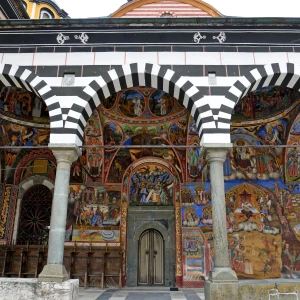
Rila Monastery, nestled in the Rila Mountains of Bulgaria, is not only the largest and most famous Eastern Orthodox monastery in the country but also a monument of immense cultural and historical significance. Founded in the 10th century by Saint John of Rila, a hermit canonized by the Orthodox Church, the monastery is recognized as a bastion of Bulgarian spirituality and identity, especially during centuries of Ottoman rule.
The architectural layout of Rila Monastery is characterized by its striking resemblance to a fortress. The complex is enclosed by high stone walls, yet inside, it opens up to a spacious courtyard ...
34. Mount Sinai & Saint Catherine’s Monastery: Pilgrimage To Moses’s Sacred Peak & The World’s Oldest Continuously Inhabited Christian Monastery
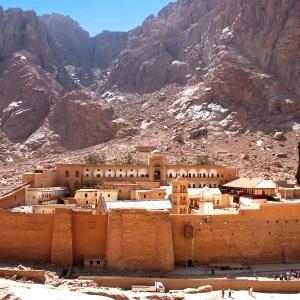
Mount Sinai, also known as Jebel Musa or 'Moses' Mountain', is a peak in the Sinai Peninsula of Egypt that is profoundly significant in Jewish, Christian, and Islamic traditions. It is traditionally believed to be the mountain where Moses received the Ten Commandments from God, making it one of the most sacred locations in the religious history of these Abrahamic faiths. The area combines natural beauty with deep spiritual significance, attracting pilgrims and tourists who seek to experience its historical and religious context.
Nestled at the foot of Mount Sinai is Saint Catherine's Monastery, one of the oldest working Christian ...
35. Fushimi Inari Taisha: Wander Through Thousand Vermilion Torii & Honor Japan’s “God Of Rice” On Kyoto’s Sacred Mountain
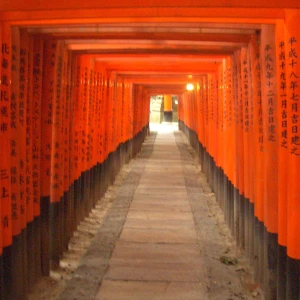
Perched on Mount Inari’s wooded slopes, Fushimi Inari Taisha offers a dynamic blend of bustling pilgrimage and serene mountain trails. Starting at the grand Romon gate in the valley, you’ll weave through miles of crimson torii donated by worshippers, pass quaint auxiliary shrines, and glimpse panoramic views of Kyoto from forested hilltops. Spanning 4 km round trip to the summit, the hike reveals layers of Japan’s agricultural traditions, ShintÅ devotion, and the enduring symbolism of foxes as Inari’s messengers.
What to ExpectBegin at the iconic Romon gate—pause beneath its soaring eaves before entering the inner sanctum of the ...
36. Lotus Temple: Experience Delhi’s Serene “House Of Worship” In Petal-Like Splendor & Universal Harmony
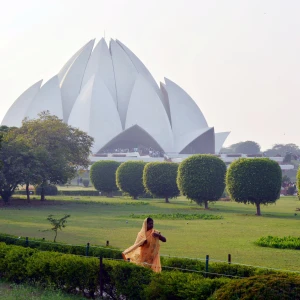
The Lotus Temple, located in New Delhi, India, is a remarkable architectural feat and a symbol of unity and peace. Officially known as the Bahá'í House of Worship, it draws its name from its stunning design resembling a lotus flower, a symbol common to Hinduism, Buddhism, Jainism, and Islam, representing purity and divinity. This temple is one of the seven Bahá'í Houses of Worship around the world, each known for its unique structure, and it serves as a place where people of all religions and backgrounds are welcome to worship and meditate.
Designed by Iranian architect Fariborz Sahba in 1986, ...
37. Great Mosque Of Córdoba: Marvel At Spain’s Hypostyle Masterpiece & Moorish “Forest Of Columns” In The Caliphate’s Heart
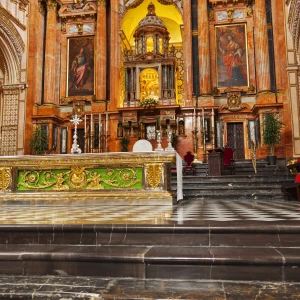
The Great Mosque of Córdoba, also known as the Mezquita, stands as a monumental beacon of the architectural and cultural confluence between Islamic, Christian, and Jewish traditions. Originally constructed in the 8th century as a mosque on the site of a Christian Visigothic church, it was later transformed into a cathedral in the 13th century following the Reconquista. Today, it serves as a testament to Spain's complex and layered history, drawing visitors from around the world to its architectural magnificence and historical depth.
The Mezquita is renowned for its striking interior, characterized by a forest of columns and double arches ...
38. Basilica Di San Francesco: Pilgrimage To Assisi’s Masterpiece Of Gothic Frescoes & Franciscan Devotion
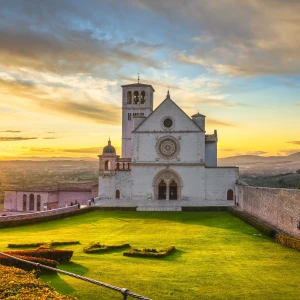
The Basilica di San Francesco, located in Assisi, Italy, stands as a monumental tribute to Saint Francis, one of the most venerated religious figures in Christian history. Built in the 13th century, this remarkable basilica is comprised of two main structures, the Upper and Lower Churches, each adorned with frescoes by some of the most important artists of the medieval period, including Giotto, Cimabue, and Simone Martini. This dual structure reflects the complexities and depth of Saint Francis's character, both in his humble service and profound spirituality.
The Lower Church, with its dark, almost somber interior, features vivid frescoes that ...
39. Man Mo Temple: Discover Hong Kong’s Historic “Gods Of Literature & War” Shrine Amid Vibrant Sheung Wan Streets
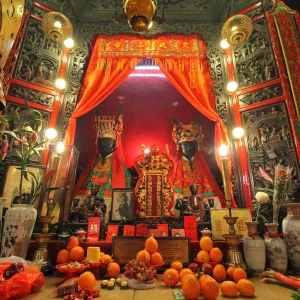
Man Mo Temple, situated in the bustling Sheung Wan district of Hong Kong, is a venerable Taoist temple dedicated to the gods of Literature (Man) and War (Mo). Built in 1847 during the Qing dynasty, it serves as a poignant reminder of the spiritual practices that have been an integral part of local culture, despite the rapid urbanization of the area. This temple not only offers a serene retreat from the city's fast-paced lifestyle but also functions as a vibrant hub of cultural heritage and religious observance.
The temple is renowned for its exquisite interior, which features giant incense coils ...
40. Amiens Cathedral: Marvel At France’s Largest Gothic Masterpiece & World Heritage “Light Of Picardy” In The Somme
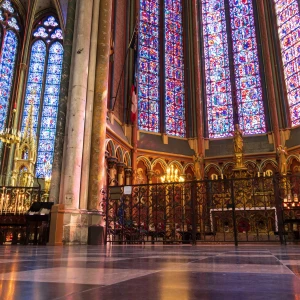
Amiens Cathedral, officially known as Cathédrale Notre-Dame d'Amiens, stands as a monumental masterpiece of French Gothic architecture and is recognized as one of the largest classic Gothic churches of the 13th century. Located in the heart of Amiens, France, this cathedral was designated a UNESCO World Heritage Site due to its architectural significance and the beauty of its sculptures and stained glass.
Constructed primarily in the 13th century, Amiens Cathedral is renowned for its coherence in style, a testament to the architectural innovations of its time. The structure's vast dimensions, including its soaring nave and expansive interior, were designed to ...
41. Monastery Of Saint Naum: Explore Ohrid’s Lakeside Sanctuary Of Byzantine Frescoes & Springs In Macedonia’s Ancient Heart
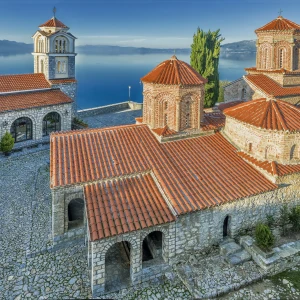
The Monastery of Saint Naum, situated near the southern tip of Lake Ohrid on the Macedonian-Albanian border, is a remarkable historical and religious site deeply rooted in the Orthodox Christian tradition. Founded in the 10th century by Saint Naum of Ohrid, a disciple of Saints Cyril and Methodius and a significant figure in the spread of Christianity in the region, the monastery is renowned for its breathtaking natural setting and its rich Byzantine architecture.
The current structure of the monastery primarily dates back to the 16th to 17th centuries, although it retains the foundations and some elements from the original ...
42. Mount Kailash: Pilgrimage To Tibet’s Sacred “Axis Mundi” & Circumambulate The Himalayan “Abode Of Shiva”
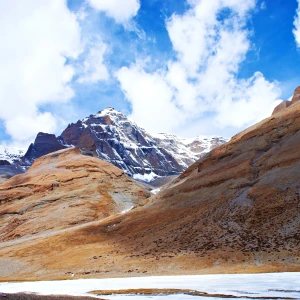
Mount Kailash, located in the remote reaches of western Tibet, is revered as one of the most sacred mountains in the world. It is considered holy in four religions: Hinduism, Buddhism, Jainism, and Bon. In Hinduism, it is believed to be the abode of Lord Shiva and his consort Parvati. In Buddhism, it is seen as the home of the Buddha Demchok, who represents supreme bliss. Jains consider it the site where their first prophet received enlightenment, and followers of Bon, the ancient pre-Buddhist religion of Tibet, believe it to be the seat of all spiritual power.
Despite its altitude ...
43. Uluru: Witness Australia’s Monumental Red Monolith & Anangu Sacred Heart Of The Outback
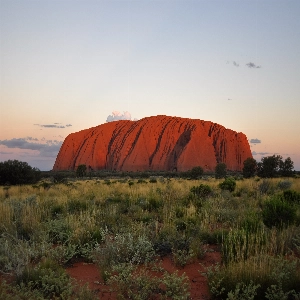
Uluru, also known as Ayers Rock, stands as a profound spiritual symbol and a striking natural monument in the heart of Australia's Red Centre. This massive sandstone monolith, revered by the Anangu, the traditional owners of the land, is not only a UNESCO World Heritage site but also a pivotal part of the local Aboriginal culture and spirituality. Uluru's significance transcends its geological uniqueness, embodying rich spiritual lore, cultural practices, and ancient wisdom that continue to resonate deeply with visitors from around the world.
The spiritual experience of Uluru is encapsulated by its majestic presence and the profound silence that ...
44. Temple Of Heaven: Experience Beijing’s Imperial “Circle Of Heaven” & Ming-Qing Sacrificial Complex For Cosmic Harmony
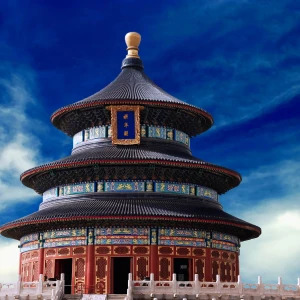
The Temple of Heaven in Beijing, China, is a sprawling complex of religious buildings situated in the southeastern part of central Beijing. Constructed during the 15th century under the Yongle Emperor of the Ming Dynasty, the same emperor who commissioned the Forbidden City, the Temple of Heaven is a pinnacle of architectural harmony and precision, reflecting the mystical cosmological laws believed to connect the human and celestial realms. Its design and orientation highlight the Chinese philosophical principles of balance and symmetry, integrated with the spiritual pursuits of the Ming and subsequent Qing dynasties.
Central to the complex is the Hall ...
45. Hagia Sophia: Explore Istanbul’s Timeless “Divine Wisdom” Basilica–Mosque–Museum & Architectural Marvel

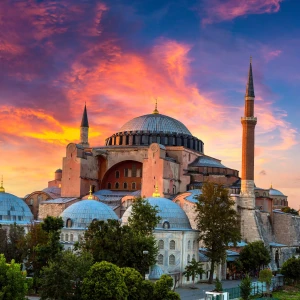
Hagia Sophia, a magnificent architectural masterpiece, has stood as a symbol of the confluence of history, art, and religion in Istanbul, Turkey, for nearly 1,500 years. Originally constructed as a cathedral in 537 CE under the Byzantine Emperor Justinian I, it was the world's largest building and an engineering marvel of its time. Following the Ottoman conquest in 1453, it was converted into a mosque, and in the 20th century, it was secularized and turned into a museum. Recently, it was reconverted to a mosque, reflecting the ongoing cultural and religious significance it holds in Turkey.
The architectural design of ...