Claim to Fame
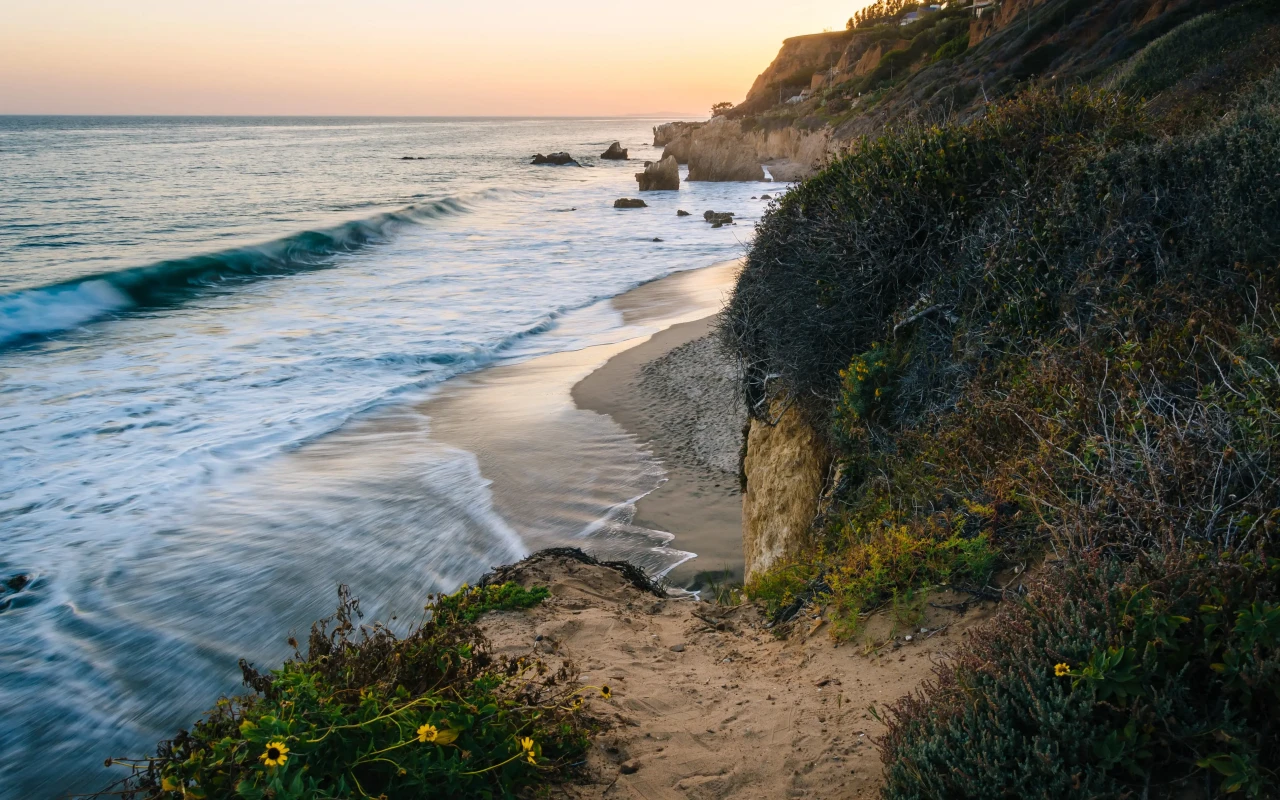
El Matador State Beach is famed for its dramatic sandstone cliffs, natural sea caves, and wind-sculpted rock formations—one of Southern California’s most photogenic shorelines just north of Los Angeles.
📌 Navigating El Matador State Beach : Answers to Frequently Asked Questions
- Admission Fee: There is no admission fee for El Matador State Beach, but parking may have a fee.
- How Long to Visit: A visit typically lasts 1-2 hours, depending on activities and exploration.
- Washrooms: Restrooms are available, but they are located in a parking area and may not be accessible from the beach.
- Hours of Operation: The beach is open year-round, with daylight hours generally being the best time to visit.
- Important Information: Visitors should be cautious of tides and waves, as the beach can have strong currents and rocky areas.
- Handicap Accessible: The beach is not fully handicap accessible due to steep trails and stairs leading down to the sand.
- Pets: Pets are not allowed on the beach or trails, in accordance with state park regulations.
- Guided Tours: Guided tours are not typically offered at this location, but visitors can explore on their own.
- Restaurant or Cafe: There are no restaurants or cafes directly at the beach, but nearby towns offer dining options.
- Gift Shop: There is no gift shop at El Matador State Beach, but nearby towns may have shops with local souvenirs.
- Parking: Parking is available at nearby lots, but spaces can fill up quickly, especially on weekends.
- Family Friendly: El Matador State Beach is family-friendly, offering a beautiful setting for children to explore and enjoy.
- Photography: The dramatic sea stacks and rugged coastline make El Matador a popular spot for photography enthusiasts.
- WIFI: There is no public WiFi available at El Matador State Beach.
- Picnic Area: Picnic areas are limited, but visitors can find spots on the beach to enjoy a meal with scenic views.
Photos of El Matador State Beach
Just off the Pacific Coast Highway in Malibu, El Matador State Beach rewards adventurous visitors with a quarter-mile of coastal trail leading down to a windswept cove. Towering cliffs carved by sea spray frame hidden coves, tide-pools teeming with marine life at low tide, and panoramic views of Catalina Island on clear days. Whether you’re hunting dramatic photo angles or simply soaking in the ocean breeze from a sheltered rock ledge, El Matador embodies the wild beauty of California’s Gold Coast.
What to Expect
Park at the small lot atop the bluff, then descend roughly 150 wooden steps to the beach below. Follow the shoreline east past driftwood logs and scattered boulders into the main cove, where arches and sea stacks create dynamic backdrops. At low tide, explore tide pools for starfish, hermit crabs, and anemones beneath overhanging caves. The adjacent pocket beach offers soft sand for sunbathing; to the west, a narrow channel leads to a secondary cove ringed by cliffs. Keep an eye on incoming surf—safe passage between rocks depends on tide and swell.
Background and Cultural Context
El Matador is one of three “Three Sisters” beaches—along with El Pescador and La Piedra—set within Robert H. Meyer Memorial State Beach. Named for local legends of early Spanish cattle drives (“matador” referring to a cattle killer), its bluffs reveal layers of marine sediment and fossilized shells. The site has featured in countless films, music videos, and fashion shoots—its moody geology embodying Malibu’s cinematic allure while protected under California State Parks as a natural preserve.
Best Time to Visit
Late afternoon (3–5 PM) weekdays offers the golden-hour glow on sandstone cliffs and smaller crowds. Low tide (check tide charts) reveals the best tide-pool and cave access—typically 1–2 hours before and after the low mark. Spring (April–June) presents wildflower blooms along the bluff trail, while autumn (September–October) brings clearer skies and calmer seas. Avoid high-surf winter swells (December–February) when waves can surge up the beach and obscure caves.
How to Get There
El Matador sits at 32350 Pacific Coast Highway, Malibu. From Los Angeles, head north on PCH to the pull-out parking area on the ocean side—space for about 30 cars, metered by the hour. Overflow parking is available at nearby Westward Beach with a short walk along the bluff trail. No transit access; ride-shares can drop off at the pull-out. The descent involves uneven wooden steps and sandy paths—sturdy, closed-toe shoes recommended; the beach itself is accessible but not wheelchair-friendly.
Photo Opportunities
- Sunset silhouette through the largest sea-arch framing the open ocean
- Wave crashing against the jagged sea stacks with Catalina Island on the horizon
- Intimate tide-pool close-up of a purple sea star nestled among anemones
- Golden-hour light on eroded sandstone walls inside one of the sea caves
- Aerial-style shot from the bluff trail capturing the full sweep of the cove
Travel Tips
- Check surf and tide reports before descending—avoid caves and channels at high tide or heavy swell.
- Pack water, snacks, sun protection, and a light windbreaker—coastal breezes can be cool.
- Wear sturdy shoes for the bluff trail and rocky beach; the wooden stairs can be slippery when wet.
- Arrive early or late weekday to secure one of the limited parking spots and enjoy quieter shores.
- Stay on marked paths to protect fragile bluff vegetation and avoid cliff-edge erosion risks.
FAQs
Is admission required?
No—there is no fee to visit El Matador Beach, though parking meters and day-use parking fees apply.
Can I swim here?
Caution is advised—strong currents and submerged rocks make swimming hazardous; wading and tide-pooling at low tide are safer options.
Are dogs allowed?
No—dogs are prohibited to protect wildlife and maintain the beach’s pristine condition.
Final Thoughts
El Matador State Beach offers a rare blend of rugged geology, hidden coves, and unforgettable ocean vistas within easy reach of Los Angeles. Whether you’re exploring tide pools, capturing the perfect sunset shot, or simply breathing in the salt-kissed air, this Malibu gem remains a must-experience slice of California’s coastal splendor.