Claim to Fame
The East Village is New York’s legendary countercultural enclave—renowned for its punk-rock heritage, vibrant street art, independent music venues, and a global mosaic of cafes, vintage shops, and communal green spaces.
📌 Navigating East Village : Answers to Frequently Asked Questions
- Washrooms: Public washrooms are available in parks and cafes within the East Village.
- Hours of Operation: Daylight hours are best for exploring shops and cafes, while evening brings out a lively bar and music scene.
- Important Information: The East Village is known for its bohemian vibe, historic architecture, and vibrant arts scene.
- Admission Fee: There is no admission fee to explore the East Village.
- How Long to Visit: You can spend a few hours to a whole day exploring the East Village.
- Parking: Parking is available at various public lots near the East Village.
- Family Friendly: The East Village is family-friendly, with parks and activities for all ages.
- Photography: The East Village is picturesque and excellent for photography.
- WIFI: Free public WIFI is available in some areas of the East Village.
- Picnic Area: There are designated picnic areas in parks within the East Village.
- Handicap Accessible: The East Village is accessible for visitors with disabilities.
- Pets: Pets are allowed in the East Village, but must be on a leash.
- Guided Tours: Guided tours of the East Village are available.
- Restaurant or Cafe: The East Village has numerous cafes and restaurants offering a variety of cuisines.
- Gift Shop: No gift shops are specifically in the East Village, but many shops offer unique items.
Photos of East Village
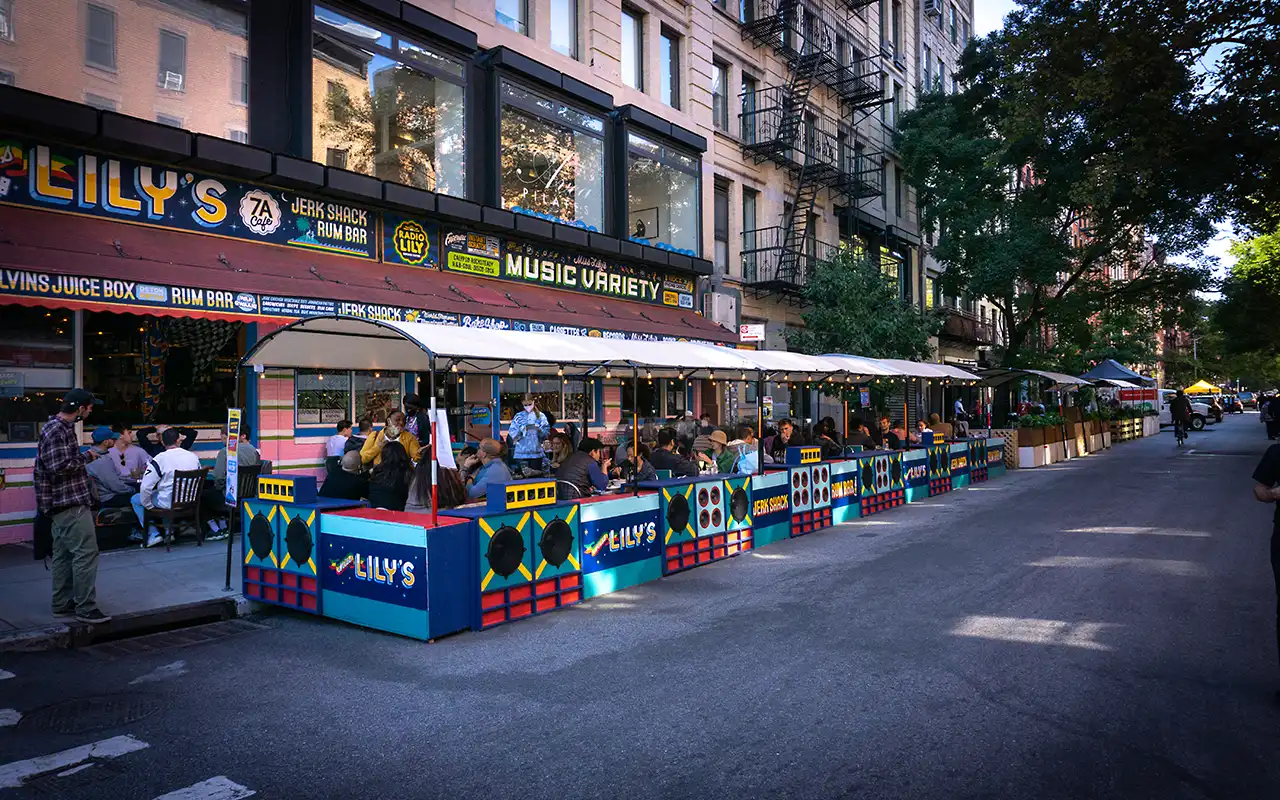
Stretching east from Broadway to the East River, between 14th and Houston Streets, the East Village pulses with creative energy and multicultural flavors. Once the cradle of Beat poets and punk pioneers, it now blends Japanese izakayas and Ukrainian delis with vegan cafés, indie record stores, and late-night jazz clubs. Sidewalk galleries and community gardens dot its grid, inviting exploration of a neighborhood where heritage and innovation coexist on every block.
What to Expect
Begin in Tompkins Square Park, where weekday yoga classes and weekend flea markets share space with memorials to the park’s storied protests. Wander along St. Mark’s Place, sampling ramen at mom-and-pop shops, browsing vintage clothing stalls, and discovering neon-lit karaoke bars. Off the main drag, leafy side streets reveal hidden gardens—like the East Village Community Garden—and murals showcasing ever-changing street art.
Evenings come alive at dive bars and music venues: catch a jazz set at Smalls or an experimental show at (Le) Poisson Rouge. Late-night diners and 24-hour coffee shops ensure the neighborhood stays animated well past midnight, while artisanal bakeries and green-market stands serve early-morning crowds on weekends.
Background and Cultural Context
Emerging in the mid-20th century as a haven for artists and immigrants alike, the East Village attracted waves of Ukrainian, Italian, and Puerto Rican communities who established churches, social clubs, and eateries. In the 1970s and ’80s, it became synonymous with the punk scene at CBGB and literary salons of the Beat Generation. Preservation efforts in the 1990s protected historic tenements and community spaces, allowing the Village’s diverse character to endure amid rapid gentrification.
Today the East Village balances its bohemian legacy with new waves of creative entrepreneurs: fashion designers, muralists, and chefs who continue the neighborhood’s tradition of grassroots innovation and cultural exchange.
Best Time to Visit
Spring and fall (April–June, September–October) offer pleasant street-cafe weather and outdoor markets. Weekday afternoons (2–5 PM) reveal calm park nooks and open-studio hours at local galleries. Evenings (8 PM–midnight) showcase full venue schedules for live music and performance art. Weekend mornings (10 AM–1 PM) bring farmers’ markets and brunches at rooftop bars.
How to Get There
The East Village is served by the L train at 1st Avenue, the 6 train at Astor Place and 14th Street–Union Square, and the F/M at 2nd Avenue. Buses M14A/D run crosstown; the M101/102/103 traverse 2nd and 3rd Avenues. The neighborhood’s compact blocks make it ideal for walking or cycling—with Citi Bike stations at major intersections.
Photo Opportunities
- The iconic St. Mark’s Church-in-the-Bowery façade against a dusky sky
- Cherry blossoms framing Tompkins Square Park’s fountain in spring
- Vibrant street art murals on East 7th and East 6th Streets
- Neon signs and vintage storefronts along St. Mark’s Place at night
- Communal garden plots and rustic benches in secluded side-street gardens
Travel Tips
- Visit early for weekend farmers’ markets (tomatoes, local honey) at East 10th Street.
- Wear comfortable shoes for uneven sidewalks and occasional cobblestone lanes.
- Bring small bills—many delis, cafes, and vintage stalls are cash-preferred.
- Check venue websites for last-minute performances or open-mic nights.
- Stay aware of street-art etiquette—photograph openly but respect any “no photo” signage.
FAQs
Is the East Village safe at night?
Yes—well-lit streets and active nightlife mean the area stays busy after dark, though standard urban caution is advised.
Can I find vegan and gluten-free options?
Absolutely—the East Village is a hub for plant-based eateries and specialty bakeries catering to diverse dietary needs.
Are guided walking tours available?
Yes—local guides offer food, street-art, and historical tours; self-guided maps can be downloaded from cultural nonprofit websites.
Is parking available?
Street parking is limited; public transit, cycling, and rideshares are recommended to avoid parking hassles.
Final Thoughts
The East Village remains Manhattan’s most authentic canvas of creativity and community. From its storied counterculture roots to its ever-evolving culinary and artistic scenes, the neighborhood invites you to discover a tapestry of cultures, tastes, and stories on every corner.