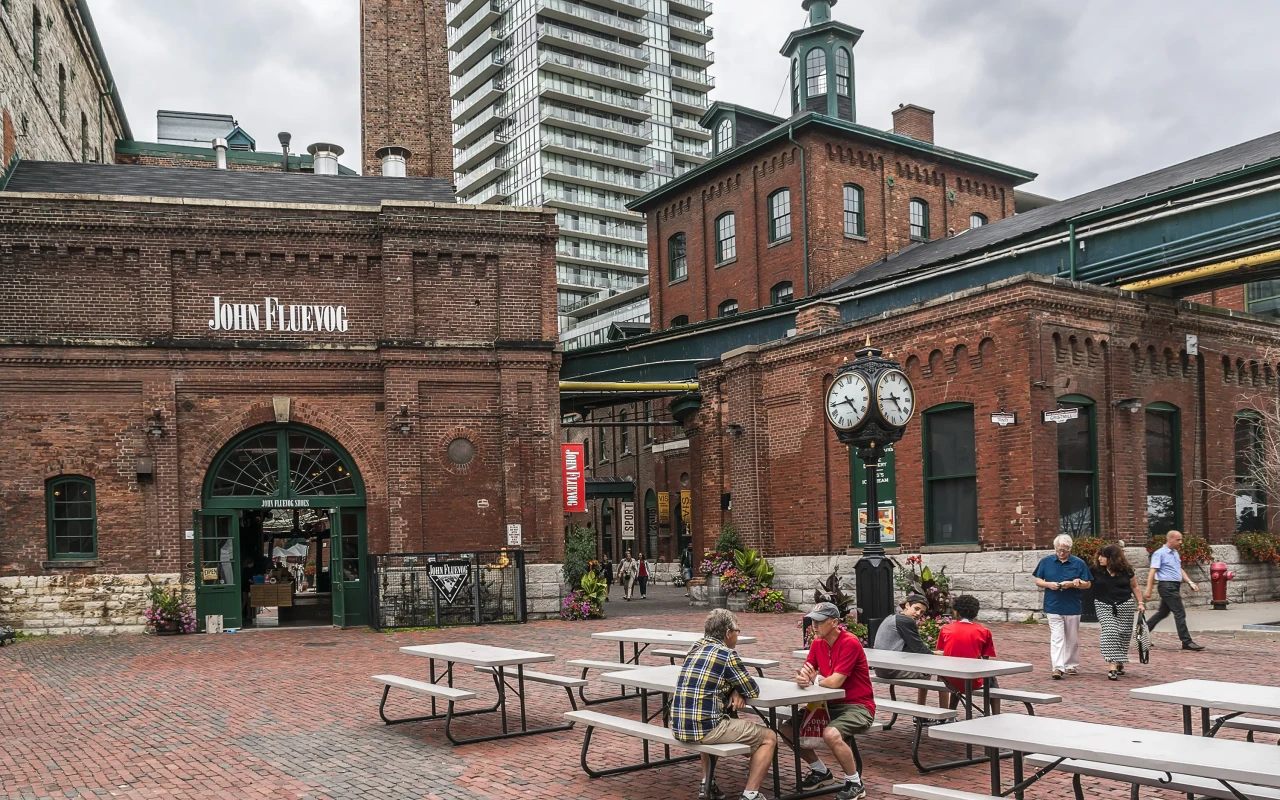
Claim to Fame
The Distillery Historic District is Canada’s best-preserved collection of Victorian industrial architecture, now transformed into a pedestrian-only hub for arts, dining, and culture in the heart of Toronto.
📌 Navigating Distillery Historic District : Answers to Frequently Asked Questions
- Washrooms: Public washroom facilities are available within the district.
- Hours of Operation: The district is open year-round, with business hours varying by individual shops, galleries, and restaurants.
- Important Information: The Distillery Historic District is a premier cultural and entertainment destination in Toronto, known for its preserved Victorian-era industrial architecture and vibrant arts scene.
- Admission Fee: No admission fee to enter the district, but individual attractions and events may have their own fees.
- How Long to Visit: Visitors typically spend a few hours exploring the shops, galleries, and eateries, or attending events and performances.
- Parking: Public parking is available in and around the district. However, due to its popularity, public transportation or walking is often recommended.
- Family Friendly: The area is family-friendly, offering various attractions, shops, and events that cater to all ages.
- Photography: Photography is encouraged in this picturesque district, known for its unique Victorian industrial architecture.
- WIFI: WIFI availability may vary among different businesses within the district.
- Picnic Area: No designated picnic areas within the district, but its open public spaces allow for casual outdoor dining.
- Handicap Accessible: The district is largely accessible, with flat cobblestone streets and accessible establishments, but some older buildings may have limitations.
- Pets: Pets are welcome in outdoor areas, but individual business policies on pets inside may vary.
- Guided Tours: Guided tours are available, providing historical insights into the district's past as a major distillery and its transformation into a vibrant cultural hub.
- Restaurant or Cafe: Numerous restaurants, cafes, and bars are located throughout the district, offering a range of dining options.
- Gift Shop: Various shops and boutiques in the district offer a range of products, from art and souvenirs to artisanal foods and beverages.
Photos of Distillery Historic District
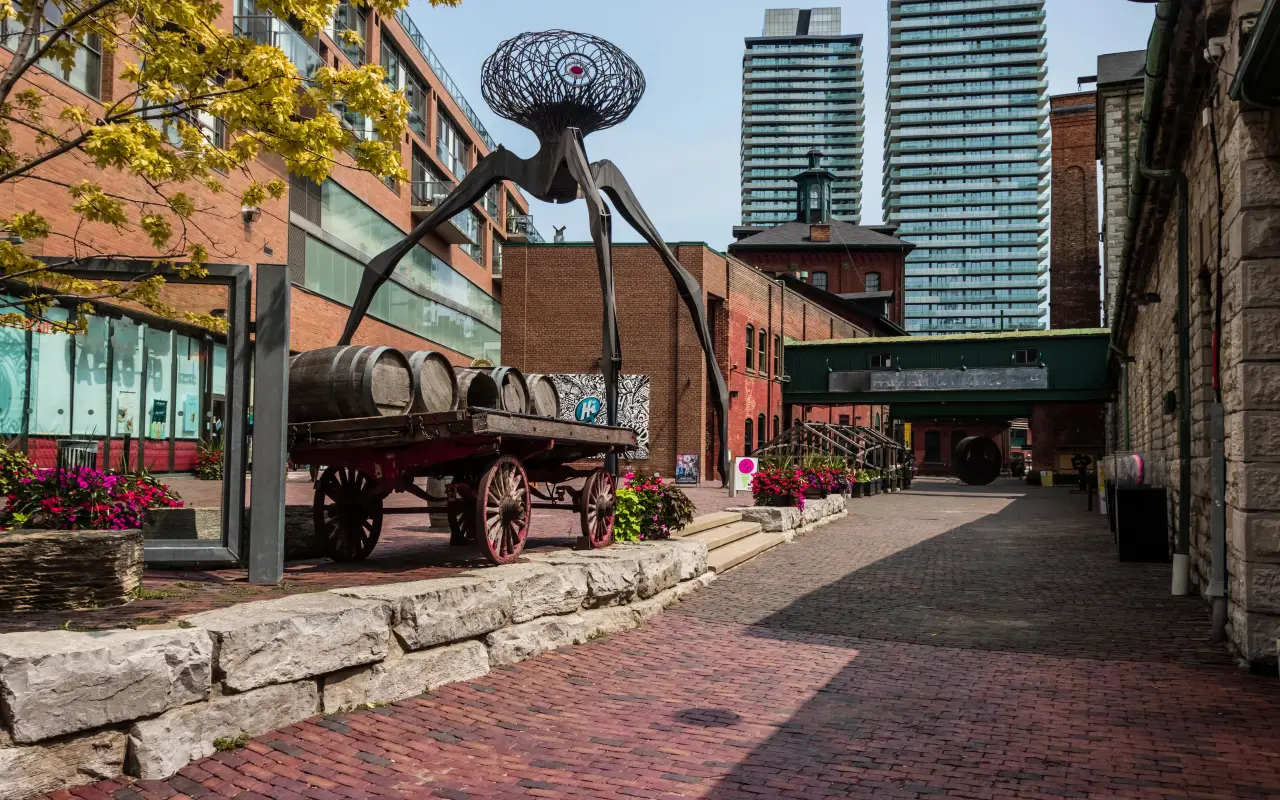
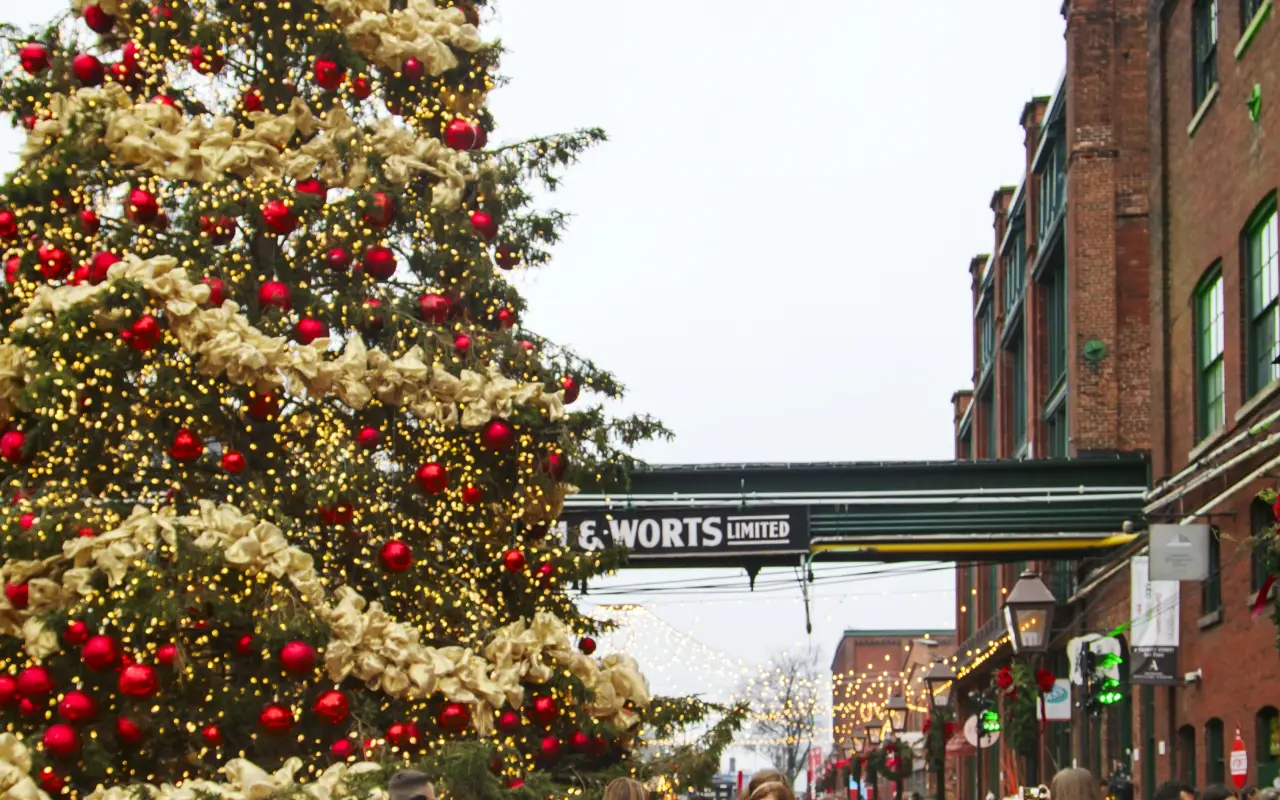
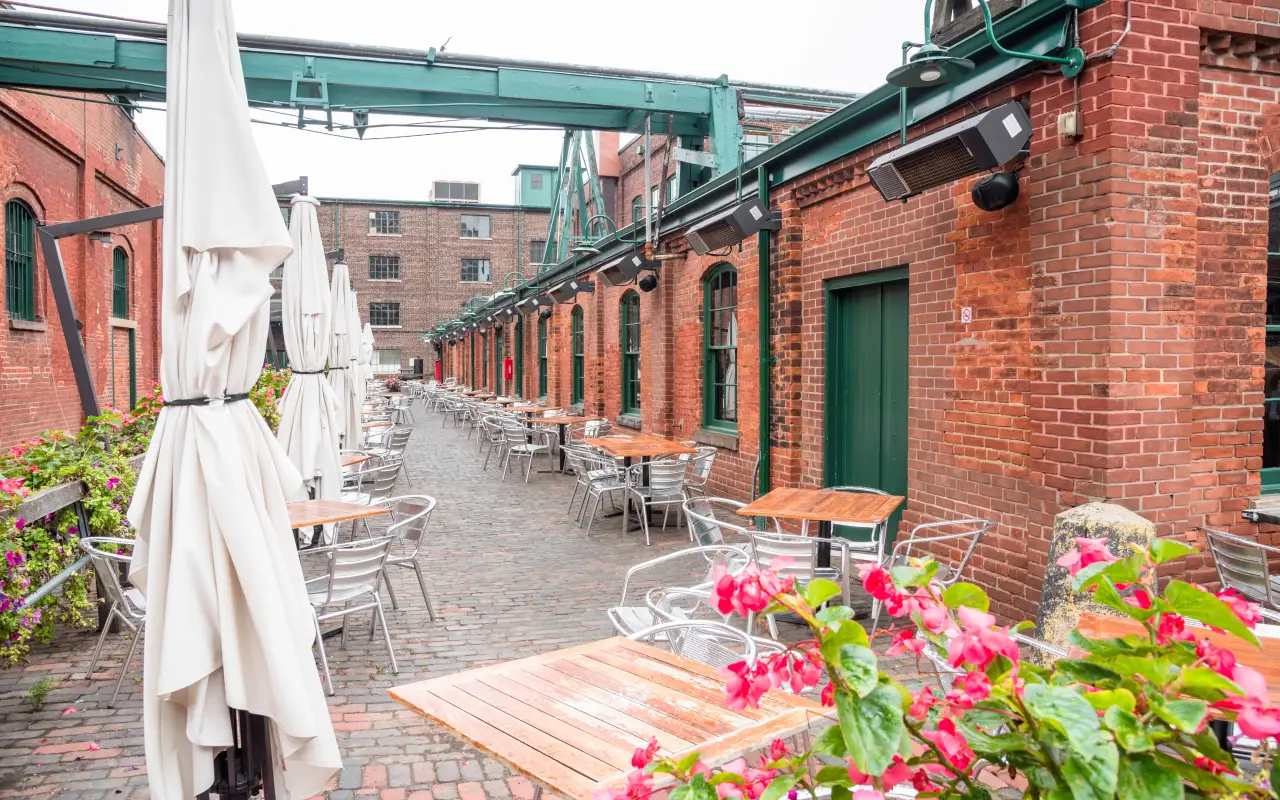
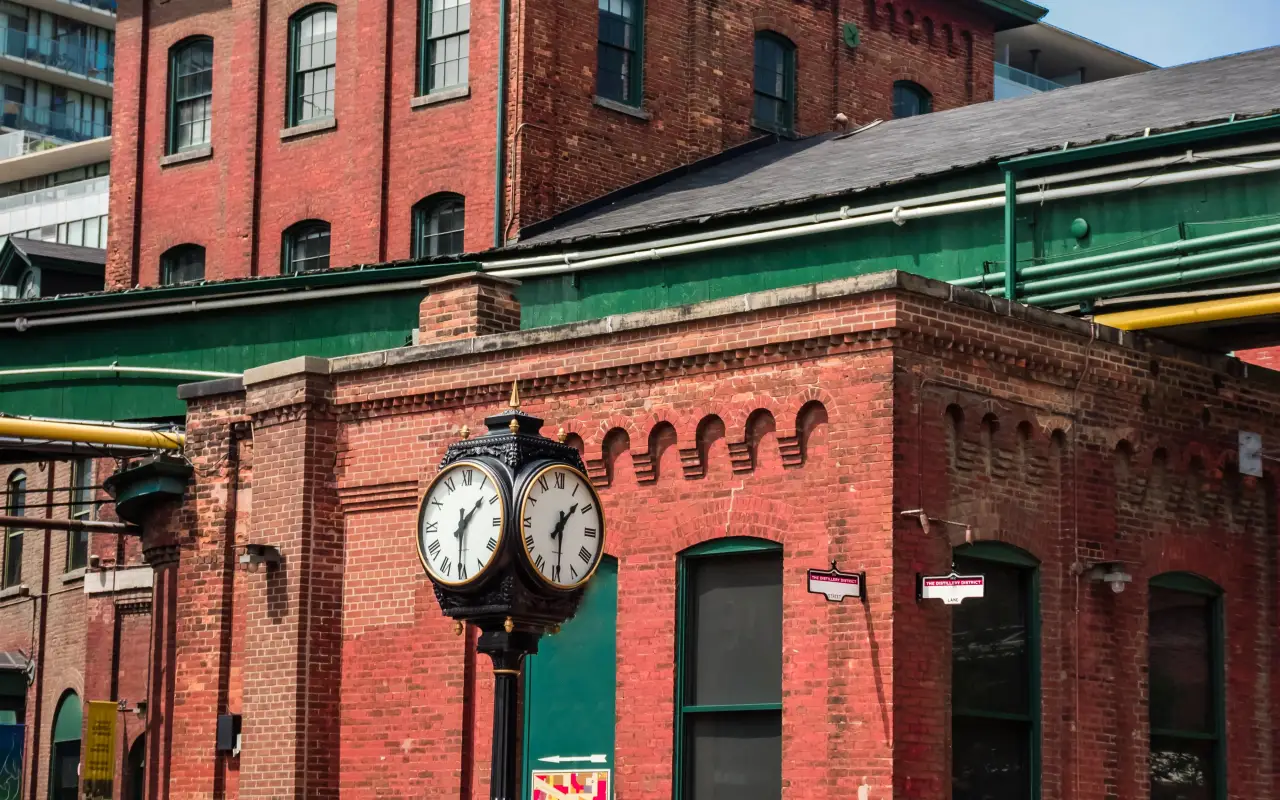
The Distillery Historic District blends old-world charm with creative energy. Once the largest distillery in the British Empire, today it’s a cultural landmark filled with cobblestone lanes, artisan shops, galleries, cafés, and performance spaces. From contemporary art exhibits to pop-up fashion boutiques and seasonal events, the district offers a unique urban escape steeped in heritage and innovation.
What to Expect
Visitors enter a pedestrian-only village of red-brick buildings, industrial relics, and cozy courtyards. It’s a place to stroll slowly, browse independent boutiques, discover art installations, and enjoy excellent coffee, craft cocktails, and fine dining. The area frequently hosts markets, festivals, and immersive exhibits — including the popular Toronto Christmas Market and Light Festival.
There are no chain stores here — the emphasis is on local and creative. Expect everything from handmade jewelry and vintage finds to modern sculptures and experimental theatre.
Background and Cultural Context
Founded in 1832 as the Gooderham & Worts Distillery, the complex became a powerhouse of spirits production and industrial innovation. By the 1860s, it was the largest distillery in the world. Operations continued for over a century before ceasing in 1990.
After years of decline, the area was reborn in the early 2000s as a cultural precinct, with a focus on preserving the architecture while fostering Toronto’s artistic and entrepreneurial spirit. Today, it’s a national historic site and a model for adaptive reuse.
Best Time to Visit
The district is lively year-round, but each season offers something unique. Spring and fall are ideal for walking and browsing. Winter brings festive lights and Christmas markets, while summer hosts art fairs and patio culture. Visit in the morning for quieter strolls, or early evening when the brick buildings glow under string lights.
How to Get There
Located just east of downtown, the district is easily reached via TTC streetcars (King or Parliament), or a short walk from Union Station. Paid parking is available nearby, but the area is best explored on foot.
Photo Opportunities
- The red brick facades and vintage signage
- Cobblestone streets with urban art
- Holiday decorations and market lights in winter
- Historic smokestacks and mechanical details
Travel Tips
- Wear comfortable shoes — cobblestones can be uneven.
- Check the calendar — major events draw crowds but offer great atmosphere.
- Support small businesses — most shops are locally owned and independent.
FAQs
Is the district open every day?
Yes — hours vary by shop and gallery, but the outdoor space is always accessible.
Is it good for kids or strollers?
Yes, though cobblestones can be bumpy for strollers; children often enjoy seasonal events and sweet shops.
Are there guided tours?
Yes — walking tours and historic tours are available, especially during festivals or through local providers.
Final Thoughts
The Distillery Historic District is where Toronto’s industrial roots meet its artistic soul. Whether you're here for the shopping, the events, or just the ambiance, it’s one of the city’s most atmospheric and culturally rich destinations — and a must for any visitor.