Claim to Fame
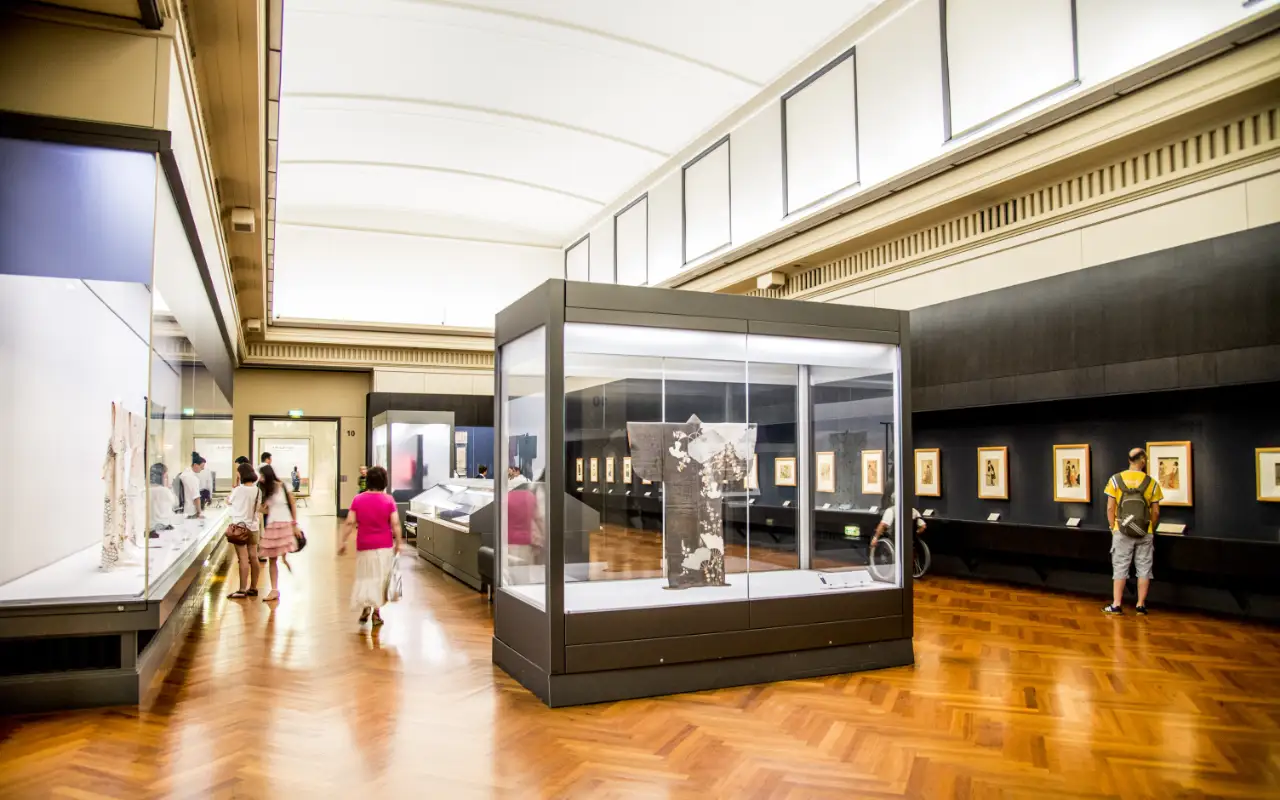
Founded in 1872, the Tokyo National Museum is Japan’s oldest and largest art museum—home to over 120,000 cultural treasures, from prehistoric Jōmon pottery to samurai armor and exquisite Noh costumes.
📌 Navigating Tokyo National Museum : Answers to Frequently Asked Questions
- Washrooms: Washrooms are available throughout the museum for visitor convenience.
- Hours of Operation: The museum operates from 9:30 AM to 5:00 PM, with extended hours on certain days.
- Important Information: It's recommended to check the museum's official website for any special exhibitions or events before visiting.
- Admission Fee: Admission fees vary by age and special exhibitions, with discounts for students and seniors.
- How Long to Visit: A visit typically lasts between 2 to 3 hours, depending on the interest in the exhibits.
- Parking: The Tokyo National Museum has a paid parking lot available nearby, but it can be limited during peak hours.
- Family Friendly: The museum is family friendly, offering interactive exhibits and activities geared towards children.
- Photography: Photography is permitted in most areas of the museum, but flash and tripods are not allowed.
- WIFI: Free Wi-Fi is available throughout the museum for visitors to use.
- Picnic Area: Picnic areas are not provided within the museum grounds; visitors are encouraged to enjoy nearby parks.
- Handicap Accessible: The museum is fully handicap accessible, with ramps and elevators to facilitate movement throughout the exhibits.
- Pets: Pets are not allowed inside the museum, with the exception of service animals.
- Guided Tours: Guided tours are available and can be booked in advance, offering deeper insights into the museum's collections.
- Restaurant or Cafe: There is a café on-site that serves light meals and refreshments for visitors.
- Gift Shop: The museum features a gift shop offering a variety of souvenirs, books, and traditional Japanese crafts.
Photos of Tokyo National Museum
Situated in Ueno Park’s verdant grounds, the Tokyo National Museum (TNM) invites visitors to trace Japan’s artistic heritage alongside masterpieces from across Asia. Its four main buildings—the Honkan (Japanese Gallery), Toyokan (Asian Gallery), Heiseikan (Special Exhibitions), and Hyokeikan (Meiji-era architecture)—house rotating displays of national treasures, calligraphy, ceramics, and sculpture. Whether you’re marveling at a Heian-era Buddha, admiring Rinpa school screens, or exploring Buddhist art from India to China, the museum offers a comprehensive journey through millennia of cultural achievement.
What to Expect
Begin in the Honkan’s mezzanine to view iconic National Treasures like the Kannon Bodhisattva statue and the Tale of Genji illustrated scrolls. Descend into galleries of samurai armor and Noh masks, then cross to the Toyokan to explore Silk Road treasures—Tang Dynasty pottery, Korean celadon, and Southeast Asian bronze Buddhas. The Heiseikan hosts blockbuster temporary exhibits (check the schedule), while the Hyokeikan’s elegant Meiji-era interiors showcase craftwork and architectural history. Don’t miss the museum shop’s fine reproductions and the café overlooking Ueno Park’s seasonal blooms.
Background and Cultural Context
Established as the "Yushima Seido Museum" by the Ministry of Education, TNM initially displayed archaeological finds from the Meiji Restoration. Over 150 years, its collections have grown through imperial gifts, archaeological excavations, and acquisitions—reflecting Japan’s dedication to preserving national and regional heritage. As part of the National Institutes for Cultural Heritage, the museum engages in research, restoration, and international collaborations to safeguard Asian art for future generations.
Best Time to Visit
Weekday mornings (9:30–11:30 AM) offer quieter galleries and optimal light in the Honkan’s skylit rooms. Late afternoons (2–4 PM) provide softer illumination on delicate textiles and ceramics. Cherry blossom season (late March–early April) and autumn foliage (mid-November) enhance the Ueno Park setting—pair your visit with a stroll around Shinobazu Pond. Avoid weekends and late-afternoon crowds when school groups and families arrive.
How to Get There
The Tokyo National Museum sits at 13-9 Uenokoen, Taitō City. JR: Take the Yamanote or Keihin-Tohoku Line to Ueno Station; park exit leads directly into Ueno Park’s museum quarter. Metro: Ginza Line or Hibiya Line to Ueno Station (Park Exit). Paid parking is limited—public transit is recommended. All buildings, galleries, and restrooms are wheelchair-accessible; loaner wheelchairs and strollers are available at the main entrance.
Photo Opportunities
- Majestic Kannon Bodhisattva statue bathed in morning light under the Honkan’s skylight
- Vibrant Heian-period folding screens depicting court life in the Honkan galleries
- Serene corridor of the Toyokan with rows of Asian ceramic vases
- Seasonal cherry blossoms framing the museum’s Meiji-era Hyokeikan façade
- Reflection of the Honkan’s classical roofline in the pond beside the museum grounds
Travel Tips
- Purchase a combined ticket online for the Honkan, Toyokan, and Heiseikan to save time and money.
- Download the TNM app for multilingual audio guides, detailed collection insights, and trail maps.
- Plan at least two hours to explore core permanent collections and any special exhibitions.
- Visit the museum café for matcha sweets and light bento boxes overlooking Ueno Park’s greenery.
- Combine with nearby Ueno Zoo and Tokyo Metropolitan Art Museum for a full cultural day in the park.
FAQs
Is admission required?
Yes—general admission is ¥1,000 adults; ¥500 university students; free for high school students and younger. Special exhibitions may incur additional fees.
Are guided tours available?
Yes—free English guided tours of permanent collections depart daily at 11 AM (Honkan); advance booking recommended for private group tours.
Can I photograph exhibits?
Non-flash photography is permitted in most galleries; please refrain from flash and tripods to protect artworks.
Final Thoughts
The Tokyo National Museum offers an unparalleled window into Japan’s artistic legacy and Asia’s broader cultural tapestry. Whether you’re tracing the brushstrokes of a Muromachi scroll, admiring the lustrous glaze of a Korean celadon vessel, or simply soaking in the park’s seasonal beauty, TNM invites a profound connection to history, art, and the spirit of craftsmanship.