Claim to Fame
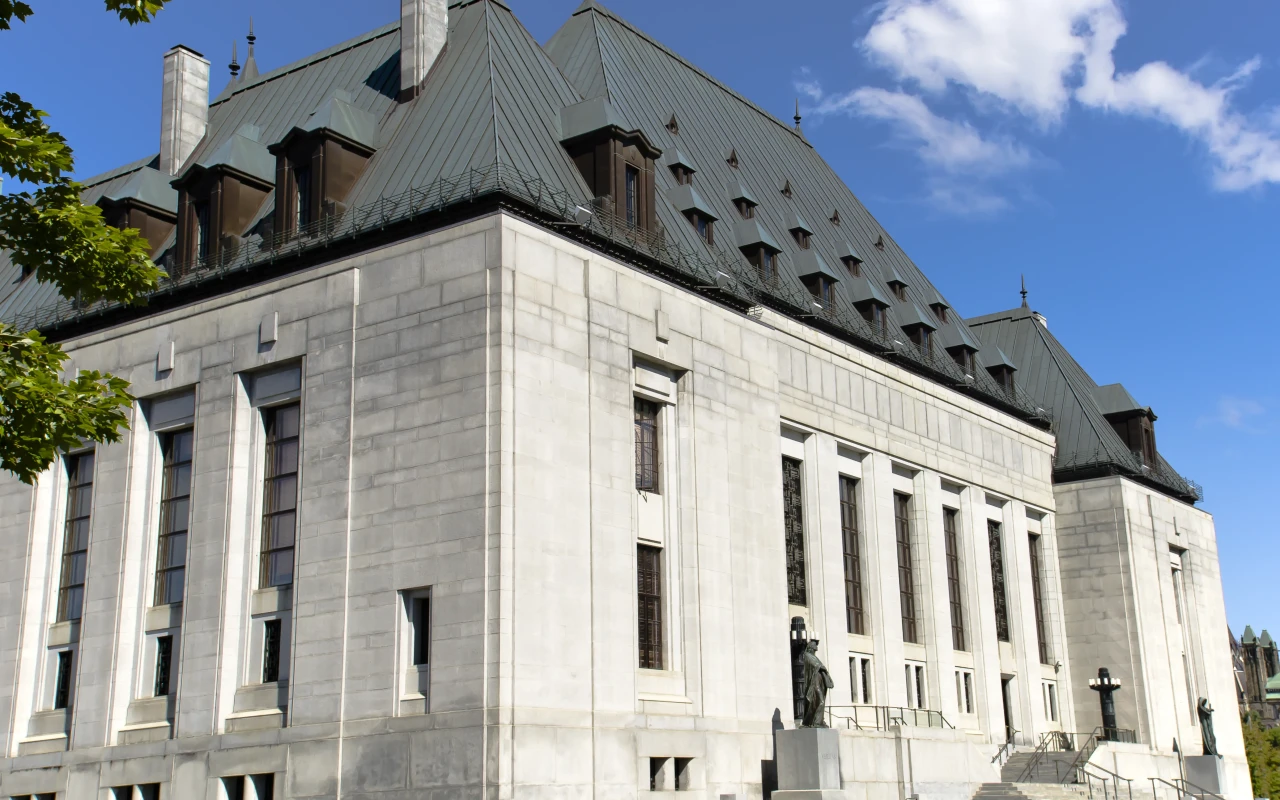
The Supreme Court of Canada stands as an iconic emblem of the nation’s judicial system, renowned for its stunning architecture and pivotal role in shaping Canadian law and society.
📌 Navigating Supreme Court of Canada : Answers to Frequently Asked Questions
- Admission Fee: Admission to the Supreme Court of Canada is free of charge.
- How Long to Visit: A visit generally lasts between 1 to 2 hours, depending on whether you participate in a guided tour.
- Washrooms: Washrooms are available for visitor use within the building.
- Hours of Operation: The Court is open to visitors from Monday to Friday, typically between 9:00 AM and 5:00 PM.
- Important Information: Visitors are encouraged to check the Supreme Court's official website for any updates on hours, special events, or temporary closures.
- Handicap Accessible: The Supreme Court of Canada is fully handicap accessible, with ramps and elevators to accommodate visitors with mobility needs.
- Pets: Pets are not allowed inside the Supreme Court building, but service animals are permitted.
- Guided Tours: Guided tours are available, providing insights into the Court's history and operations; they typically last about 30-60 minutes.
- Restaurant or Cafe: There is no on-site restaurant or café, but several dining options are located within walking distance.
- Gift Shop: A gift shop is located on-site, offering a variety of souvenirs, books, and legal-themed merchandise.
- Parking: There is limited paid parking available nearby, including on-street parking and public parking lots.
- Family Friendly: The site is family-friendly, offering educational resources and programs suitable for children and families.
- Photography: Photography is allowed in designated areas; however, flash photography and tripods are prohibited.
- WIFI: Free Wi-Fi is available throughout the building for visitors.
- Picnic Area: There are no designated picnic areas on the premises; visitors are encouraged to explore nearby parks for picnicking.
📌Heads up: All times, prices and visitor policies are subject to change without notice. Please check the official website for the most recent information.
Photos of Supreme Court of Canada
What to Expect
As you approach the Supreme Court of Canada, be prepared to be captivated by its monumental façade, which exudes an air of authority and elegance. This architectural masterpiece, completed in 1949, features elements of Gothic, Romanesque, and modern styles, harmoniously blending to create an inviting yet imposing presence. Guided tours offer visitors an insider’s view of the Court's impressive interiors, where marble walls and intricate carvings tell the story of Canada’s legal history. You’ll also find beautiful artworks and historical artifacts that reflect the country’s diverse cultural heritage. During your visit, you may also witness live court proceedings, a unique opportunity to observe the country's judicial process in action. Engaging discussions led by knowledgeable guides deepen your understanding of the Supreme Court's vital function in upholding the law and protecting civil liberties. Be sure to allocate enough time to explore the surrounding grounds, where gardens and sculptures compliment the Court’s majestic stature, inviting quiet reflection. For those with a keen interest in law and justice, a trip to the Supreme Court of Canada offers an enriching experience. The Court serves not only as a legal institution but also as a place for public engagement and education, allowing visitors to appreciate the complex legal frameworks that govern the nation. Engaging with exhibits and resources available on-site can enhance your understanding of significant cases that have shaped Canadian society, making this a must-visit destination for inquisitive minds.Background and Cultural Context
Established in 1875, the Supreme Court of Canada occupies a central place in the country’s legal framework. As the highest court in Canada, it plays a critical role in interpreting the Constitution and adjudicating disputes that have far-reaching implications for the nation. Understanding this context transforms a mere visit into a profound journey through Canada’s democratic evolution, reflecting the principles of justice and equality that the nation stands for. The building itself is steeped in history, ensuring that every corner tells a tale. From the intricacies of the façade, which features symbols of justice like the balancing scales, to the stained-glass windows that portray significant historical moments, every detail holds meaning. The Supreme Court also symbolizes Canada's commitment to bilingualism and multiculturalism, with documents and proceedings available in both English and French, reflecting the country's dual heritage and diverse population. In the broader cultural context, the Supreme Court represents a pillar of Canadian identity. It is not only a judicial body but also a venue for significant public discourse on social issues ranging from Indigenous rights to environmental laws. It is this intertwining of law, culture, and society that underscores the importance of visiting this landmark, as it invites reflective consideration of the values that unite Canadians as a nation.Best Time to Visit
The Supreme Court of Canada welcomes visitors year-round, making it accessible regardless of the season. However, if you wish to experience the building and its surroundings at their finest, late spring to early fall—typically from May to September—offers the most pleasant weather for exploration. During these months, gardens bloom vibrantly, and the nearby Ottawa River is often alive with activity, providing a picturesque backdrop for your visit. While summer tends to be the busiest season for tourists, it’s also when the Court holds special events, lectures, and outdoor activities for the public. Participation in these programs can enhance your experience, allowing you to learn more about legal issues facing Canada today. Conversely, visiting in the quieter fall months can result in a more intimate experience, as you explore the grounds without the hustle and bustle of large crowds, all the while enjoying the stunning autumn foliage. Winter can also lend a unique charm to your visit. The Supreme Court is beautifully adorned during the holiday season, often creating a serene atmosphere amidst the snowfall. However, be prepared for colder temperatures, and ensure to check the Court’s schedule, as some tours may be limited during inclement weather. Regardless of when you choose to visit, each season offers its own distinct allure, ensuring that your journey to the Supreme Court of Canada will be memorable.How to Get There
Reaching the Supreme Court of Canada is relatively straightforward, thanks to its central location in Ottawa, the nation’s capital. If you are arriving by air, Ottawa Macdonald-Cartier International Airport is the nearest hub, situated roughly 15 kilometers from the Court. Once at the airport, you can opt for a taxi, rideshare app, or rental car to reach your destination directly. Alternatively, a convenient bus service connects the airport to various points in the city, including downtown Ottawa. For those traveling by train, VIA Rail provides service to Ottawa from various locations in Canada. The train station is a short drive or public transit ride away from the Supreme Court. Local public transportation, including OC Transpo buses and the light rail system, makes it easy to navigate the city once you arrive. For visitors exploring Ottawa on foot or by bicycle, the Court is accessible via pedestrian pathways and bike lanes, highlighting the city’s commitment to walkability and green transportation. Parking options are available nearby for those who prefer to drive. However, be mindful of the limited availability and often higher fees in the downtown area. If you choose to visit via car, planning your trip during off-peak hours can alleviate some stress associated with city traffic. Ultimately, regardless of your mode of transportation, the Supreme Court of Canada is well-connected to make your visit seamless.Photo Opportunities
- The grand entrance of the Supreme Court, capturing the intricate architecture.
- Panoramic views of the Supreme Court surrounded by its landscaped gardens.
- Close-up shots of the symbolic sculptures and carvings adorning the building.
- Candid moments from ongoing court proceedings, when allowed.
- Stunning images of the Court in winter, blanketed in snow.
Travel Tips
- Check the Supreme Court’s schedule in advance for guided tours and special events.
- Arrive early to secure a good spot for photography and to soak in the atmosphere.
- Dress in layers, as temperatures can vary significantly, especially in the spring and fall.
- Bring a camera, as the architecture and grounds provide numerous stunning visuals.
- Respect court decorum if attending a session, refraining from loud noise and distractions.