Claim to Fame
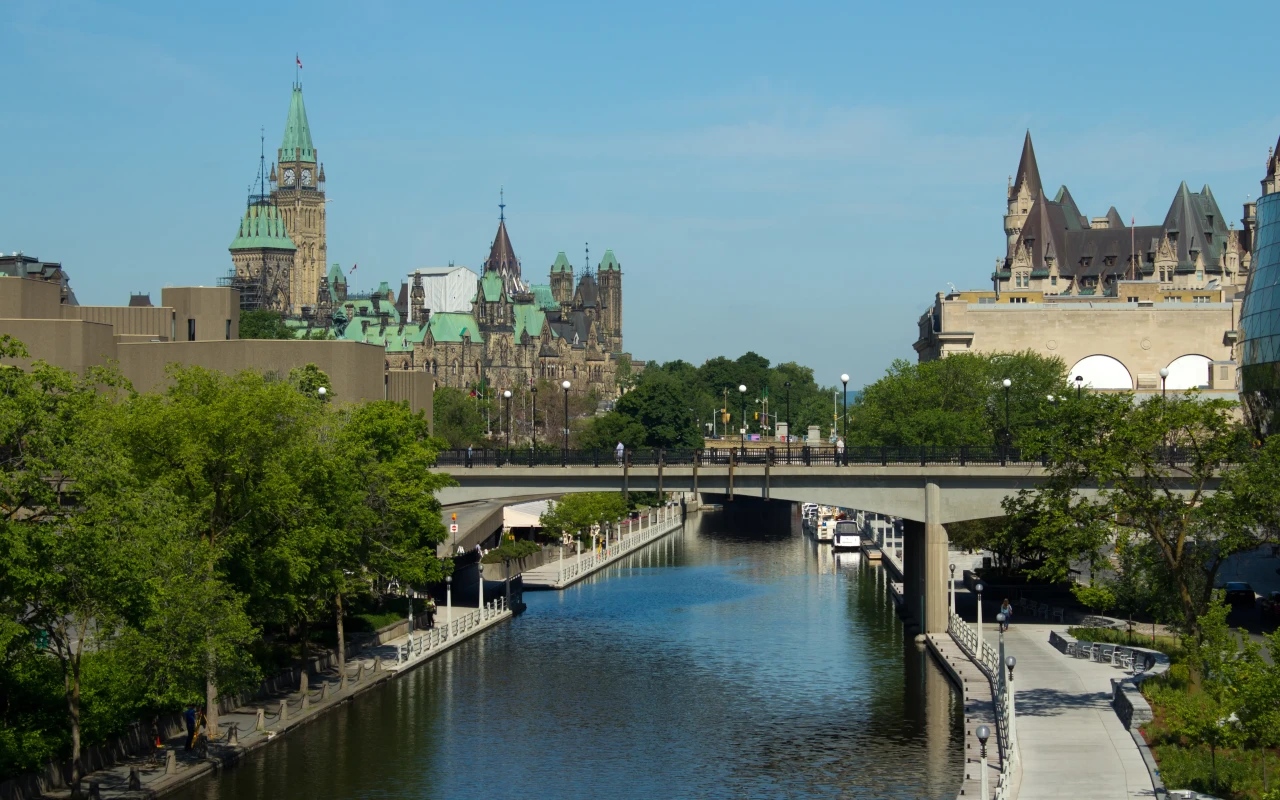
The Rideau Canal is renowned for its stunningly picturesque scenery and status as a UNESCO World Heritage site, drawing visitors from around the globe to explore its historical significance and natural beauty.
📌 Navigating Rideau Canal : Answers to Frequently Asked Questions
- Admission Fee: There is no admission fee to access the Rideau Canal itself, but some guided tours or specific events may have a cost.
- How Long to Visit: Visitors typically spend 1-3 hours exploring the canal, depending on activities and points of interest.
- Washrooms: Washrooms are located at various points along the canal, including visitor centers and park areas.
- Hours of Operation: The canal is open year-round, but hours of operation for specific facilities may vary seasonally.
- Important Information: It's recommended to check local weather and event schedules before visiting, as conditions can affect activities along the canal.
- Handicap Accessible: The Rideau Canal is generally handicap accessible, with paved pathways and accessible facilities at key points.
- Pets: Pets are allowed on the pathways and in certain areas, but must be leashed and cleaned up after.
- Guided Tours: Guided tours are available, offering insights into the history and significance of the canal.
- Restaurant or Cafe: There are several restaurants and cafes located nearby, offering a variety of dining options with views of the canal.
- Gift Shop: Gift shops are available nearby, offering souvenirs and local crafts related to the canal.
- Parking: Parking is available at various locations along the Rideau Canal, with both paid and free options depending on the area.
- Family Friendly: The canal offers a family-friendly environment with activities suitable for all ages, including skating in winter and boating in summer.
- Photography: The scenic views along the canal provide excellent opportunities for photography, especially during autumn and winter.
- WIFI: Free public Wi-Fi is accessible in some areas near the canal, particularly in urban settings.
- Picnic Area: Designated picnic areas can be found along the canal, making it a great spot for visitors to enjoy meals outdoors.
📌Heads up: All times, prices and visitor policies are subject to change without notice. Please check the official website for the most recent information.
Photos of Rideau Canal
What to Expect
Traversing the Rideau Canal offers visitors a unique blend of natural vistas and rich historical context. Spanning 202 kilometers from Ottawa to Kingston, this waterway is characterized by its tranquil waters, charming lock stations, and lush landscapes that invite exploration. As you stroll along the canal's banks, you’ll encounter locals and tourists alike, all enjoying a range of activities, from boating in the summer to skating in the winter. Each season brings its own charm; spring heralds blooming flowers along the pathway, while autumn showcases a dazzling display of foliage. Cycling or walking along the towpath provides an intimate experience with the canal's heritage. Signage along the route offers insights into the canal's construction in the early 19th century as a military supply route, illustrating its significant role in Canadian history. Visitors will experience the serenity of nature interwoven with vibrant urban settings, particularly in Ottawa, where the canal winds through the heart of the nation's capital. Delightful cafes and restaurants line the route, tempting you to pause and savor local cuisine while you watch boats glide by. Moreover, the vibrant community around the canal encourages interaction and engagement, with seasonal festivals celebrating everything from winter activities to summer arts. Whether you are boating, cycling, or simply enjoying a leisurely walk, the Rideau Canal provides an unforgettable exploration of Canada’s cultural and natural heritage.Background and Cultural Context
The Rideau Canal was originally constructed between 1826 and 1832 as a safeguard against potential American invasions following the War of 1812. Its significance extends beyond mere transportation; it symbolizes early engineering achievement and the strategic foresight of Canada's founders. As you journey through this historic corridor, the remnants of its past—detailed locks, bridges, and stone masonry—serve as a testament to this important period in Canadian history. In 2007, the canal was designated a UNESCO World Heritage site, recognizing its outstanding universal value. The Rideau Canal has always served as a vital artery for trade and travel, connecting various communities and fostering economic growth. It has since evolved into a recreational hub, where heritage meets modern leisure, reflecting the changing landscape of Canadian society. Beyond its physical structure, the canal fosters a sense of community among those who live nearby. Local artisans and businesses thrive along its route, contributing to a vibrant cultural scene. Festivals, art shows, and farmer's markets celebrate local crafts and produce against the backdrop of the serene waters and historic pathways of the canal.Best Time to Visit
The Rideau Canal is a year-round destination, with each season offering its distinct charms. Summer is a vibrant time on the canal; warm temperatures transform it into a bustling playground for boaters, kayakers, and paddleboarders. The lush greenery and blooming wildflowers create an idyllic setting for picnics and leisurely strolls along the towpath. Festivals and events celebrate local culture, making summer an exhilarating time to experience the canal's lively spirit. As autumn arrives, the landscape undergoes a breathtaking transformation. The canal is bordered by trees ablaze with red, orange, and yellow leaves, providing a stunning contrast to the blue waters. This season is perfect for those wishing to enjoy tranquil walks or bike rides amidst nature's splendor while taking in the crisp, refreshing air. Winter is when the Rideau Canal truly shines, becoming the world's largest naturally frozen skating rink. From January to late February, skaters of all ages can glide across its smooth surface, making memories against a picturesque winter backdrop. Warm-up shacks selling hot chocolate and beavertails, a local delicacy, dot the pathway, creating a festive atmosphere. Spring, though milder, is also an enchanting time to witness the thawing waters and blooming flora, signaling new beginnings along this historic corridor.How to Get There
Getting to the Rideau Canal is straightforward, with several transport options available. If you’re heading to Ottawa, direct flights operate from major Canadian and international cities. Once you arrive at Ottawa Macdonald-Cartier International Airport, a quick taxi ride or public transit will have you at the canal in no time. For those embarking from Kingston, Highway 401 provides easy access to Ottawa, with numerous signs guiding you to the canal's starting points. Once in Ottawa, the canal is accessible on foot, by bicycle, or via local public transit. Biking is especially popular, with dedicated paths along the waterway and bike rental services readily available throughout the city. Alternatively, for those preferring a guided experience, various tour operators offer excursions that provide insights into the canal's history and geology. If you're coming from other provinces or regions, consider a scenic road trip through Ontario's picturesque countryside. The journey will provide an eye-catching preview of the natural beauty to come as you approach the Rideau Canal. Whatever your mode of transport, reaching this historical landmark is as charming as the experience itself.Photo Opportunities
- Scenic lock stations, especially at Merrickville and Kingston.
- The iconic Parliament Hill with the canal in the foreground.
- Autumn foliage alongside the canal during the fall season.
- Skaters enjoying the frozen canal in winter.
- Boats navigating through locks with historic buildings as a backdrop.
- Reflections of the historical architecture in the calm waters.
Travel Tips
- Bring a refillable water bottle to stay hydrated during your explorations.
- Check the local calendar for festivals and seasonal events for a richer cultural experience.
- Dress in layers, especially during spring and fall, as weather can be changeable.
- Be mindful of local wildlife; the area is home to diverse species.
- Take advantage of bike rentals for a wider exploration of the area.
- Consider joining a guided tour to gain deeper insights into the canal’s history.