Claim to Fame
The Los Angeles Zoo & Botanical Gardens is home to more than 1,400 animals representing over 270 species—renowned for its expansive habitats, award-winning conservation programs, and immersive exhibits like the Rainforest of the Americas.
📌 Navigating Los Angeles Zoo : Answers to Frequently Asked Questions
- Admission Fee: An admission fee is required to enter the Los Angeles Zoo.
- How Long to Visit: A visit to the Los Angeles Zoo typically lasts about 2 to 3 hours.
- Washrooms: Public washrooms are available in the Los Angeles Zoo.
- Hours of Operation: The Los Angeles Zoo is open daily from 10 AM to 5 PM.
- Important Information: The Los Angeles Zoo features a diverse collection of animals and interactive exhibits.
- Handicap Accessible: The Los Angeles Zoo is accessible for visitors with disabilities.
- Pets: Pets are not allowed inside the Los Angeles Zoo, except for service animals.
- Guided Tours: Guided tours of the Los Angeles Zoo are available.
- Restaurant or Cafe: The Los Angeles Zoo has various food and beverage options available.
- Gift Shop: The gift shop at the Los Angeles Zoo offers a variety of animal-related souvenirs.
- Parking: Parking is available at various public lots near the Los Angeles Zoo.
- Family Friendly: The Los Angeles Zoo is family-friendly, with exhibits and activities for all ages.
- Photography: The Los Angeles Zoo is picturesque and excellent for photography.
- WIFI: Free public WIFI is available in some areas of the Los Angeles Zoo.
- Picnic Area: There are designated picnic areas within the Los Angeles Zoo grounds.
Photos of Los Angeles Zoo
Perched within Griffith Park’s rolling hills, the Los Angeles Zoo & Botanical Gardens offers a world-spanning journey through wildlife and plant diversity. Wander winding paths past African savanna dwellings, arborous primate islands, and the misty canopy of the Rainforest of the Americas. With daily keeper talks, behind-the-scenes tours, and seasonal “Wildlife Cafés,” the Zoo connects visitors of all ages to the planet’s most fascinating creatures while championing global conservation.
What to Expect
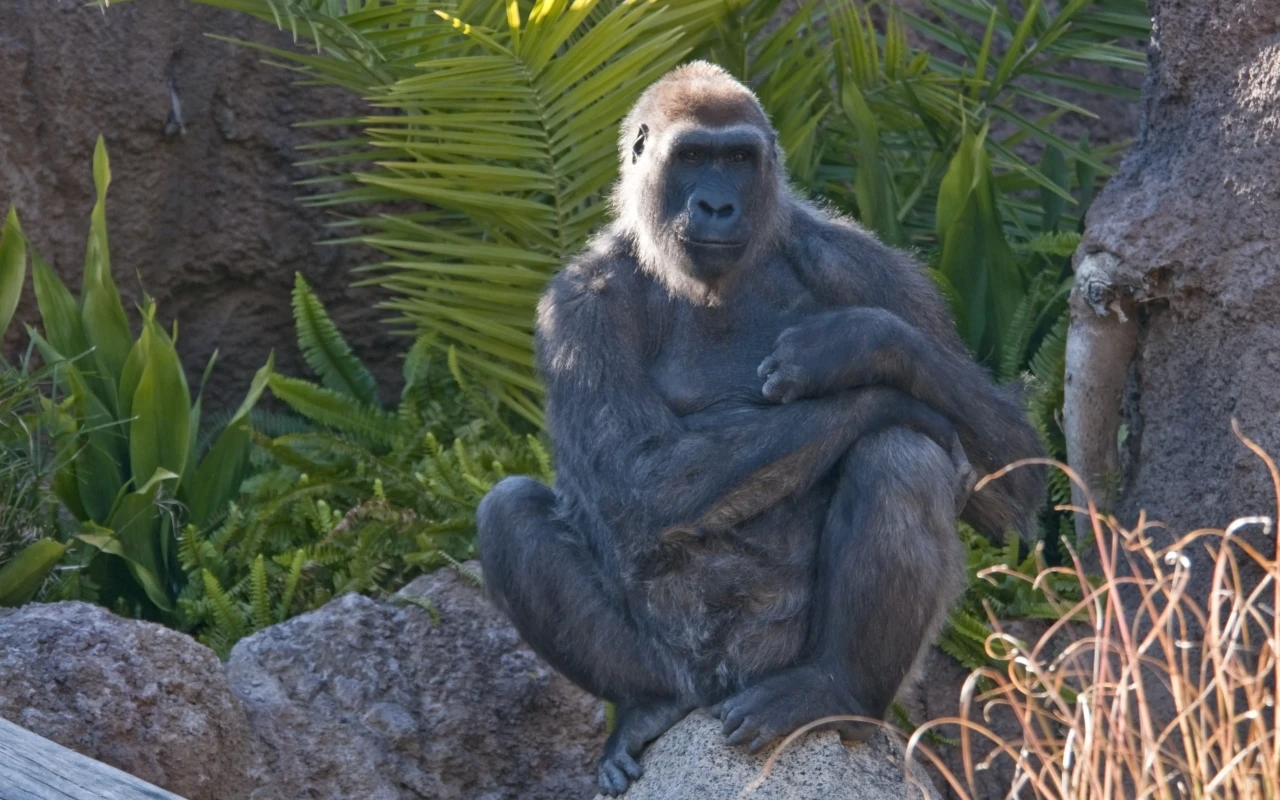
Begin at the Rainforest of the Americas, where jaguars prowl lush plantings and macaws wheel overhead in a free-flight aviary. Head to the Elephants of Asia exhibit to observe matriarchal herds roaming expansive yards and mud wallows. In the Campo Gorilla Reserve, watch western lowland gorillas nurture young in a rainforest-like setting. Don’t miss the interactive California Condor Rescue exhibit and the playful antics at the Red Panda Rainforest.
Throughout the grounds, keeper talks—from sea lion feedings at Winnick Family Foundation Sea Lion Harbor to koala presentations in the Australian Walkabout—offer intimate wildlife insights. The botanical gardens showcase native and exotic plants, while kid-friendly areas like the Winnick Family Children’s Zoo feature petting goats, a play maze, and conservation-themed exhibits.
Background and Cultural Context
Founded in 1966 on 133 acres donated by the City of Los Angeles, the Zoo evolved from its original Griffith Park site (opened 1912) into a modern conservation institution. As a member of the Association of Zoos & Aquariums, it participates in more than 40 Species Survival Plans and global field projects—from African elephant protection to California red-legged frog recovery.
The Zoo’s botanical collections—from California native habitats to fragrant herb gardens—reflect its dual mission of wildlife care and plant conservation. Educational programs engage schools and community groups in hands-on stewardship, continuing a century-long tradition of connecting Angelenos with nature.
Best Time to Visit
Weekday mornings (10–11:30 AM) offer cooler temperatures and active animals at feeding times. Late afternoons (3–5 PM) coincide with keeper talks and calmer crowds. Spring and fall bring mild weather ideal for exploring outdoor exhibits; summer mornings are best for the Rainforest of the Americas before midday heat. Check the calendar for seasonal “Boo at the Zoo” and “Zoolights” evening events.
How to Get There
The Zoo is located at 5333 Zoo Drive in Griffith Park. Drive via the I-5 or US-101 to the Zoo Drive exit; free parking is available in multiple lots. Metro: DASH Observatory or Glendale CityLine buses connect to Vermont/Sunset Station (Metro B Line), then to the Zoo. Bike racks are at the main entrance; shuttles run from the Griffith Observatory lot on weekends.
Photo Opportunities
- Jaguar lounging on a branch beneath the rainforest canopy
- Elephant herd silhouetted against the Southern California hills
- Close-up of a western lowland gorilla mother with her infant
- California condor wingspan display at the rescue exhibit
- Sunlit pathway framed by blooming botanical garden arches
Travel Tips
- Pick up a daily schedule at the entrance for feeding times and keeper talks.
- Wear sunscreen and a hat—the Los Angeles sun can be intense in open habitats.
- Bring binoculars for bird and primate viewing in treetop enclosures.
- Stay hydrated—water fountains and refill stations are located throughout the Zoo.
- Combine your visit with a hike or picnic in nearby Griffith Park for a full outdoor day.
FAQs
Are strollers and wheelchairs available?
Yes—rentals are available at the entrance on a first-come, first-served basis; most paths are paved and accessible.
Can I bring outside food?
Outside snacks and non-alcoholic beverages are allowed in designated picnic areas; several cafés and kiosks offer meals and refreshments.
Is the Zoo open year-round?
Yes—open daily except December 25, with varying hours by season; check the website for current times.
Does the Zoo offer memberships?
Yes—annual memberships include unlimited admission, discounts on experiences, and early access to special events.
Final Thoughts
The Los Angeles Zoo & Botanical Gardens blends immersive wildlife habitats with rich botanical landscapes, offering an inspiring window into Earth’s biodiversity. Whether marveling at exotic species, participating in conservation programs, or simply enjoying a sunny stroll through lush gardens, a visit here fosters curiosity and respect for the natural world.