Claim to Fame
The Barbican Centre is Europe’s largest performing arts venue — a Brutalist architectural icon hosting concerts, films, theater, and exhibitions in the heart of London.
📌 Navigating Barbican Centre : Answers to Frequently Asked Questions
- How Long to Visit: Visit duration can vary, typically a few hours for a performance or exhibition.
- Admission Fee: Ticket prices vary for performances, films, and special exhibitions.
- Important Information: It's advisable to check the schedule and book tickets in advance for popular events.
- Washrooms: Accessible restrooms and baby care facilities are available.
- Hours of Operation: Opening hours vary based on events and exhibitions; check the centre's schedule.
- Handicap Accessible: The centre is accessible, with ramps, lifts, and facilities for those with disabilities.
- Pets: Service animals are welcome; pets are not generally permitted.
- Guided Tours: Guided tours are available, showcasing the centre's architecture and art installations.
- Restaurant or Cafe: Multiple dining options are available, from cafes to restaurants.
- Gift Shop: The centre's shop sells a variety of arts-related books, music, and unique gifts.
- Parking: Limited on-site parking; public transportation is a better option.
- Family Friendly: Offers a range of family-friendly performances and workshops.
- Photography: Photography is allowed in public spaces but may be restricted in performance areas and galleries.
- WIFI: Free WIFI is available throughout the centre.
- Picnic Area: No picnic areas within the centre, but its terrace and surrounding areas offer outdoor seating.
Photos of Barbican Centre
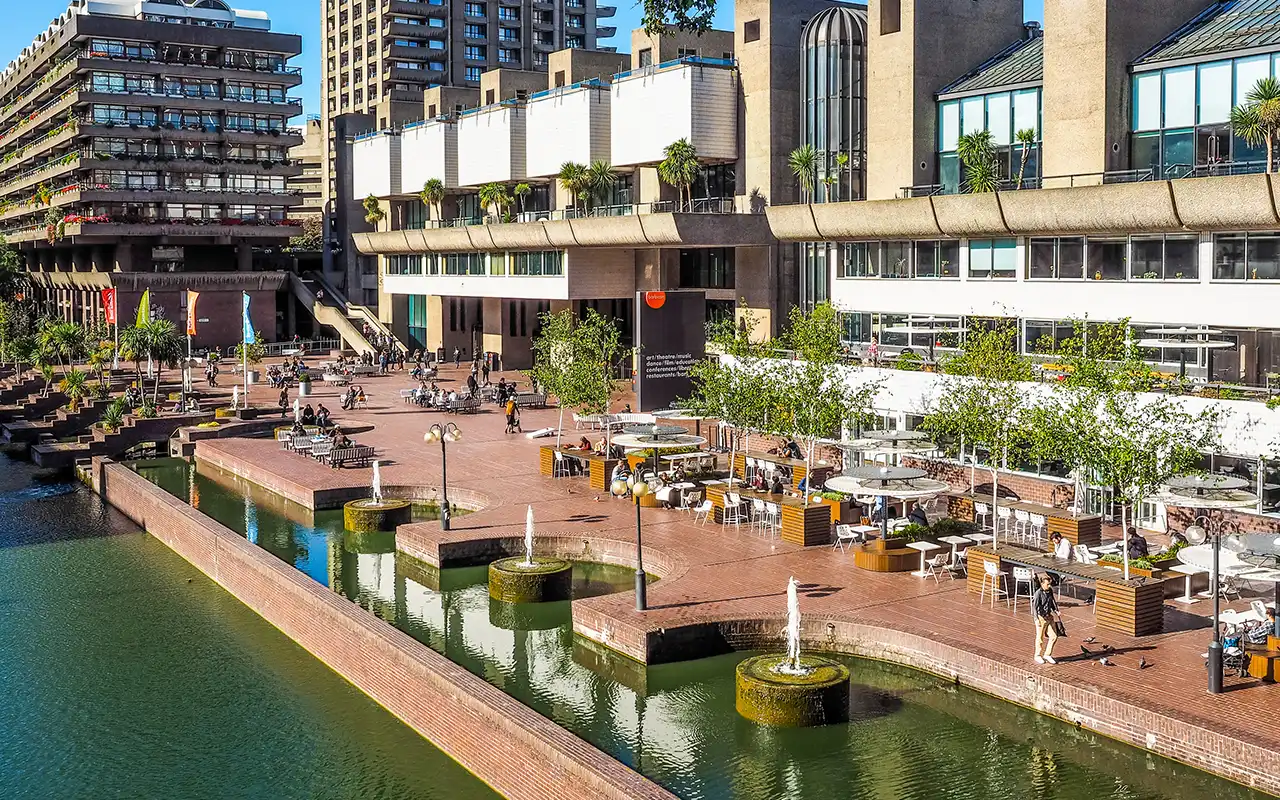
Located within the sprawling Barbican Estate in central London, the Barbican Centre is a cultural powerhouse and architectural landmark. Known for its distinctive Brutalist design, it houses a wide range of programming including classical music, contemporary theater, cinema, visual arts, and community events — all under one concrete canopy.
What to Expect
The Barbican is home to the London Symphony Orchestra and hosts world-class performances from around the globe. Inside, you’ll find multiple venues: the Barbican Theatre (made famous through partnerships with the Royal Shakespeare Company), Cinema 1–3 showing indie and foreign films, and the Barbican Art Gallery with contemporary visual exhibitions.
Its interiors blend raw concrete with lush indoor gardens, reflective pools, and winding staircases — creating a space that’s both artistic and contemplative. Don’t miss the Conservatory — a hidden tropical greenhouse that feels miles from the urban hustle.
Background and Cultural Context
Opened in 1982, the Barbican Centre was conceived as part of a post-war regeneration project. Its architecture is one of the most iconic examples of Brutalism in the UK. While controversial at the time, it has since gained admiration for its bold form and cultural ambition.
Today, the Barbican is at the forefront of London’s cultural landscape, hosting everything from avant-garde theater to AI art installations. It is also deeply embedded in the community, offering education programs, creative workshops, and inclusive events for all ages.
Best Time to Visit
The Barbican has events year-round, but weekday afternoons and evenings are ideal for avoiding school and weekend crowds. Sunday performances and special festivals (like the Barbican OpenFest) draw large audiences.
How to Get There
The nearest Tube station is Barbican (Circle, Hammersmith & City, Metropolitan). It's also walkable from Farringdon and Moorgate. Clear signs lead you through the maze-like walkways of the Barbican complex.
Photo Opportunities
- The raw concrete architecture and geometric shapes
- The tropical plants and koi pond inside the Conservatory
- Panoramic shots of the Barbican estate towers
- Moody, minimalist corners and staircases
- Art gallery spaces and performance backdrops
Travel Tips
- Pre-book events — concerts, films, and performances often sell out.
- The Conservatory is only open on select days — check ahead if you want to visit.
- There are multiple dining options, including a lakeside café and a formal restaurant.
- Wear comfortable shoes — the Barbican’s layout is large and labyrinthine.
FAQs
Is the Barbican Centre free to enter?
Yes — entry to the public spaces, exhibitions, and Conservatory (on open days) is free, but performances require tickets.
Is it accessible?
Yes — elevators and step-free routes are available, though navigation may require asking staff for directions.
Can I take photos inside?
Photography is allowed in public areas, but restricted in performance venues and certain exhibits.
Final Thoughts
The Barbican Centre is more than a venue — it’s a cultural ecosystem where architecture, performance, and innovation meet. Whether you’re catching a classical concert, exploring a design exhibition, or relaxing in the Conservatory, the Barbican offers a unique and unforgettable London experience.