Claim to Fame
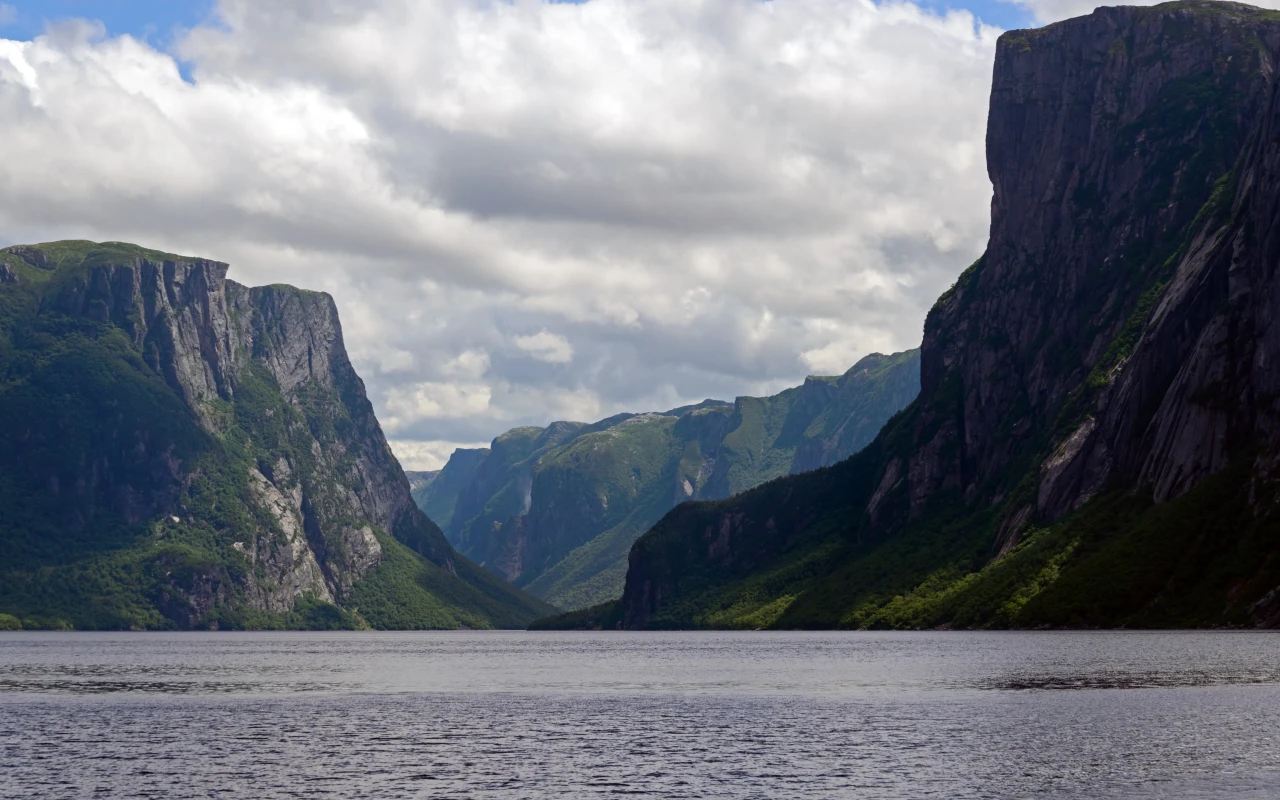
Gros Morne National Park is a UNESCO World Heritage Site renowned for its stunning fjords, towering cliffs, and rare exposed mantle rock—offering some of Canada’s most spectacular natural landscapes.
📌 Navigating Gros Morne National Park : Answers to Frequently Asked Questions
- Washrooms: Washrooms are available at visitor centers and some trailheads throughout Gros Morne National Park.
- Hours of Operation: The park is open year-round, but specific facilities and services may vary by season, so checking ahead is recommended.
- Important Information: Important information includes being prepared for variable weather conditions, carrying sufficient water and snacks, and respecting park rules and wildlife.
- Admission Fee: There is no general admission fee for Gros Morne National Park, but some specific attractions or guided tours may have associated costs.
- How Long to Visit: Visitors typically spend at least one full day in the park to experience its main attractions, but a longer visit is recommended for more extensive exploration.
- Parking: Parking is available at various locations throughout Gros Morne National Park, including visitor centers and trailheads.
- Family Friendly: Gros Morne National Park is family-friendly, offering a variety of activities suitable for all ages, including easy hiking trails and educational programs.
- Photography: The park offers stunning landscapes and diverse ecosystems, making it a paradise for photography enthusiasts.
- WIFI: Wi-Fi is limited within the park, primarily available at visitor centers, but visitors are encouraged to enjoy the natural surroundings instead.
- Picnic Area: Picnic areas are designated throughout the park, offering scenic spots for visitors to enjoy meals amidst nature.
- Handicap Accessible: Some areas of the park have handicap accessible facilities, including certain trails and visitor centers.
- Pets: Pets are allowed in the park but must be kept on a leash and are not permitted on certain trails or in buildings.
- Guided Tours: Guided tours are available, providing expert insight into the park's geology, flora, and fauna.
- Restaurant or Cafe: There are several restaurants and cafes in nearby towns, as well as some facilities within the park serving light refreshments.
- Gift Shop: A gift shop is available at the visitor center, offering souvenirs, educational materials, and local crafts.
Photos of Gros Morne National Park
Located on Newfoundland’s west coast, Gros Morne presents rugged wilderness shaped by glaciers, ocean, and ancient tectonic forces. Visitors explore deep fjords like Western Brook Pond by boat, hike alpine trails with panoramic views, and witness the park’s distinctive geology at the Tablelands—where Earth’s mantle is visible above ground. The park’s diverse ecosystems shelter moose, black bears, and seabirds, providing rich opportunities for outdoor adventure and wildlife observation.
What to Expect
Enjoy scenic boat cruises on Western Brook Pond’s turquoise waters framed by sheer cliffs. Hike popular trails such as Gros Morne Mountain, Green Gardens, and the Tablelands for dramatic vistas and unique terrain. Explore quaint fishing villages along the coastline and visit the Discovery Centre for interactive exhibits. The park offers camping, guided tours, and visitor facilities throughout the warmer months.
Background and Cultural Context
Gros Morne’s landscape tells the story of the Appalachian Mountains’ formation and the ancient supercontinent of Pangaea. The park’s exposed mantle rocks and fault lines are key sites for geological research and education. Indigenous peoples and early European settlers shaped the region’s cultural heritage, with fishing and maritime traditions continuing today in nearby communities.
Best Time to Visit
The prime visiting season runs from June to September with mild temperatures (10–20 °C) and long daylight hours. Early summer showcases wildflowers and migratory birds, while late summer offers warm hiking conditions. Fall brings vibrant foliage but cooler weather. Winter is harsh and not suitable for most visitors due to snow and ice.
How to Get There
Gros Morne is accessible by car from Deer Lake Regional Airport (90 km) or via ferry connections to Newfoundland. The park is best explored by vehicle, with multiple access points and well-marked roads. Visitor centres in Rocky Harbour and Norris Point provide maps, permits, and local information.
Photo Opportunities
- Sunlit fjord cliffs rising dramatically over Western Brook Pond
- Wide-angle view of the Tablelands’ barren orange mantle rock landscape
- Wildlife shots of moose, foxes, or puffins in natural habitats
- Panoramic vistas from the summit of Gros Morne Mountain
- Coastal fishing villages nestled between forest and ocean
Travel Tips
- Pack sturdy hiking boots and layered clothing for variable mountain weather.
- Bring insect repellent, especially in summer months near wetlands.
- Reserve boat tours and campsites in advance during peak season.
- Respect park regulations—stay on trails and do not disturb wildlife.
- Visit local museums and cultural centres to learn about the region’s history.
FAQs
Is Gros Morne suitable for all fitness levels?
Yes. The park offers easy walks as well as challenging mountain hikes to suit a range of abilities.
Are pets allowed?
Pets are allowed in some areas but must be leashed; check specific trail regulations before visiting.
Are there dining options inside the park?
Limited dining facilities exist in visitor centres; nearby towns offer a variety of restaurants and cafes.
Is cell phone coverage reliable?
Coverage is spotty within the park; plan accordingly and inform others of your itinerary.
Final Thoughts
Gros Morne National Park offers a rare blend of geological wonder, wild beauty, and cultural heritage. Whether cruising majestic fjords, hiking mountain summits, or exploring ancient rock formations, visitors experience one of Canada’s most unforgettable natural treasures.