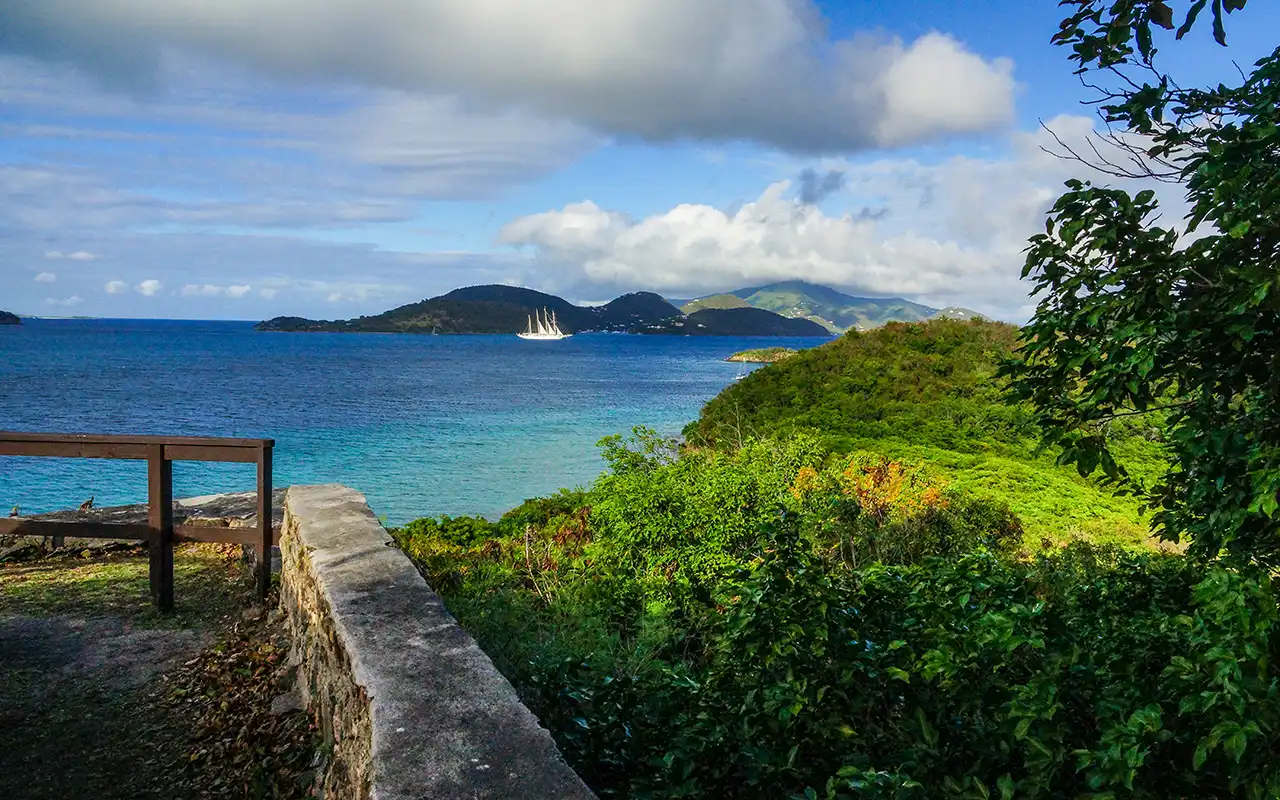
Claim to Fame
The Virgin Islands National Park is renowned for its stunning beaches, lush landscapes, and rich biodiversity, making it a haven for outdoor enthusiasts and nature lovers alike.
📌 Navigating Virgin Islands National Park : Answers to Frequently Asked Questions
- Washrooms: Washrooms are available at the visitor center and some trailheads, but facilities may be limited in more remote areas.
- Hours of Operation: The park is open year-round, with visitor center hours generally from 8:00 AM to 4:30 PM.
- Important Information: Important information includes the need for sun protection, staying hydrated, and following park regulations to preserve the natural environment.
- Admission Fee: There is no admission fee to enter Virgin Islands National Park, making it accessible to all visitors.
- How Long to Visit: Most visitors spend about half a day to a full day exploring the park, depending on interests and activities planned.
- Admission Fee: There is no admission fee to enter Virgin Islands National Park, making it accessible to all visitors.
- How Long to Visit: Most visitors spend about half a day to a full day exploring the park, depending on interests and activities planned.
- Washrooms: Washrooms are available at the visitor center and some trailheads, but facilities may be limited in more remote areas.
- Hours of Operation: The park is open year-round, with visitor center hours generally from 8:00 AM to 4:30 PM.
- Important Information: Important information includes the need for sun protection, staying hydrated, and following park regulations to preserve the natural environment.
- Parking: Parking is available at designated lots within Virgin Islands National Park, but it can fill up quickly, especially during peak season.
- Family Friendly: Virgin Islands National Park is family-friendly, with easy trails and educational programs suitable for children.
- Photography: Photography opportunities abound, with stunning landscapes, unique flora and fauna, and picturesque beaches providing great backdrops.
- WIFI: Wi-Fi is not widely available in the park, so visitors should plan for limited connectivity.
- Picnic Area: Picnic areas are available in designated spots within the park, allowing visitors to enjoy meals amidst scenic surroundings.
- Handicap Accessible: The park offers some handicap-accessible facilities, including certain trails and restrooms, but accessibility may vary by location.
- Pets: Pets are not permitted on trails or beaches within the park to protect wildlife and natural resources.
- Guided Tours: Guided tours are available and can enhance your visit by providing expert insights into the park's natural and cultural history.
- Restaurant or Cafe: There are no full-service restaurants within the park, but nearby towns offer dining options for visitors.
- Gift Shop: A small gift shop is located at the park visitor center, offering souvenirs and educational materials about the park.
- Handicap Accessible: The park offers some handicap-accessible facilities, including certain trails and restrooms, but accessibility may vary by location.
- Pets: Pets are not permitted on trails or beaches within the park to protect wildlife and natural resources.
- Guided Tours: Guided tours are available and can enhance your visit by providing expert insights into the park's natural and cultural history.
- Restaurant or Cafe: There are no full-service restaurants within the park, but nearby towns offer dining options for visitors.
- Gift Shop: A small gift shop is located at the park visitor center, offering souvenirs and educational materials about the park.
- Parking: Parking is available at designated lots within Virgin Islands National Park, but it can fill up quickly, especially during peak season.
- Family Friendly: Virgin Islands National Park is family-friendly, with easy trails and educational programs suitable for children.
- Photography: Photography opportunities abound, with stunning landscapes, unique flora and fauna, and picturesque beaches providing great backdrops.
- WIFI: Wi-Fi is not widely available in the park, so visitors should plan for limited connectivity.
- Picnic Area: Picnic areas are available in designated spots within the park, allowing visitors to enjoy meals amidst scenic surroundings.
📌Heads up: All times, prices and visitor policies are subject to change without notice. Please check the official website for the most recent information.
Photos of Virgin Islands National Park
What to Expect
As you step into Virgin Islands National Park, prepare to be enveloped in a tapestry of lush greenery, pristine beaches, and breathtaking vistas. The park covers approximately 60% of St. John, offering ample opportunities to immerse yourself in its spectacular natural beauty. Hiking trails meander through tropical forests, leading to awe-inspiring overlooks and hidden coves where the turquoise sea meets white sand. Wildlife abounds, with a range of birds, reptiles, and marine life that enchant visitors at every turn. The park's crystal-clear waters provide an unparalleled snorkeling experience, showcasing vibrant coral reefs and diverse marine life, from colorful fish to graceful sea turtles. Whether you’re lounging on the serene Trunk Bay, known for its underwater snorkeling trail, or exploring the historic ruins of sugar plantations, each corner of the park tells a story of nature's grandeur and the island's cultural heritage. Visitors should be prepared for a blend of relaxation and adventure. Whether you're engaging in a leisurely beach day, embarking on a rusty old walking trail, or partaking in exhilarating water sports, Virgin Islands National Park caters to a wide range of interests and activity levels. Each season brings its own unique charm, making it an inviting destination year-round.Background and Cultural Context
Virgin Islands National Park, established in 1956, is not just a haven for natural beauty; it also embodies a rich cultural history that traces back to the indigenous Taino people, followed by European colonizers. The island was a significant center for sugar production in the 18th and 19th centuries, and remnants of these bygone eras can be found peppered throughout the park. Visitors can explore the ruins of sugar mills and plantation houses, offering a glimpse into a troubled past shaped by colonialism and the labor of enslaved people. The park also plays a vital role in conservation efforts aimed at preserving the unique ecosystems of the Virgin Islands. It shelters numerous endangered species and protects critical habitats from human encroachment and environmental threats. Educational programs within the park seek to inform visitors about both the ecological and historical significance of this tropical oasis, fostering a greater appreciation for its preservation. Each year, the park serves as a backdrop for cultural festivals and community events that celebrate the rich heritage of the Virgin Islands. Engaging in these events allows visitors to connect with local communities and experience the island’s vibrant culture through music, dance, and culinary delights that reflect the fusion of past and present.Best Time to Visit
The ideal time to visit Virgin Islands National Park largely hinges on the type of experience one seeks. The dry season, from December to April, attracts the majority of tourists seeking to escape colder climates. During these months, visitors can expect pleasant temperatures and lower humidity levels, making it perfect for hiking, beach days, and exploring the park's diverse landscapes. However, the popularity of this season means that certain areas may become crowded, especially around holiday periods. If you prefer a quieter experience, the shoulder seasons of late April to June and September to November offer a happy medium. The weather remains warm, and the park's trails, beaches, and facilities are less populated. For avid snorkelers and divers, visibility tends to be superb just before and after the rainy season, making these months particularly advantageous for underwater exploration. Visiting during the rainy season from May to October can present challenges, including heightened humidity and occasional storms. However, with the right preparations, this time can yield a lush, verdant landscape and vibrant wildlife sightings. Just be mindful of potential rain interruptions while enjoying both outdoor adventures and local culture.How to Get There
Reaching Virgin Islands National Park primarily involves arriving at St. John or connecting through St. Thomas, the larger neighboring island. Most visitors fly into the Cyril E. King Airport (STT) in St. Thomas, from which ferry services whisk travelers directly to Cruz Bay on St. John. The ferry ride offers a scenic introduction to the island's inviting shores, showcasing the vivid colors of the Caribbean waters. Once on St. John, there are various options for traversing the park. Car rentals are available, but many choose to rent open-air vehicles designed for the island’s rugged terrain. Additionally, the park has an extensive network of hiking trails that can be accessed directly, making trekking an excellent alternative for those looking to fully immerse themselves in the surroundings. For those who wish to explore beyond the park’s limits, numerous boat charters and guided tours operate in the area, allowing visitors to discover nearby cays and uninhabited islands. These excursions can include activities like snorkeling, diving, or simply enjoying a picnic on a secluded beach, enhancing the overall experience of the Virgin Islands.Photo Opportunities
- The iconic Trunk Bay with its turquoise waters and white sands
- Historic ruins of sugar plantations amidst lush vegetation
- Overlook points along the hiking trails showcasing panoramic views
- Colorful marine life while snorkeling in the crystal-clear waters
- Sunset views from any of the picturesque beaches
Travel Tips
- Pack plenty of water and sun protection while hiking, as shaded areas are limited.
- Arrive early to popular beaches to secure prime spots and enjoy tranquility.
- Consider bringing your own snorkel gear for the best experience in secluded areas.
- Respect wildlife and maintain a safe distance to ensure their protection.
- Wear sturdy footwear for hiking, as trails can vary in difficulty.