Nature & Outdoors
Parks and Nature
1. Explore The Majestic Haleakala National Park: A Natural Wonderland
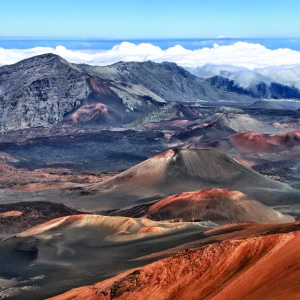
HaleakalÄ National Park, located on the island of Maui in Hawaii, offers visitors a sublime landscape that stretches across the Pacific Ocean. With its massive volcano, HaleakalÄ, at the heart of the park, the area is known for its stunning sunrises and sunsets viewed from the summit. This park encompasses a variety of ecosystems, from lush tropical regions to the barren, moon-like volcanic landscape. The park’s history is rich with the culture of the native Hawaiian people, and it is an important habitat for numerous endangered species, including the Hawaiian goose or nÄnÄ. Whether hiking through the volcanic crater, observing ...
2. Explore The Untamed Beauty Of Kenai Fjords National Park
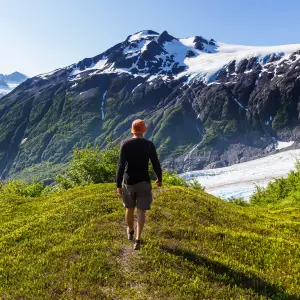
Kenai Fjords National Park, situated on the Kenai Peninsula in Alaska, is a glacial wonderland where ice and ocean meet. The park's crowning feature is the Harding Icefield, from which countless fjords, or icy inlets, extend. Visitors to the park are greeted with a dramatic landscape of rugged coastlines, blue icebergs, and diverse wildlife including whales, seals, and seabirds. The park's fjords are best explored by boat tours, which offer an up-close look at the glaciers and wildlife. Hiking trails, such as the one leading to Exit Glacier, allow visitors to witness the effects of climate change firsthand. Kenai Fjords ...
3. Discover The Untamed Beauty Of Isle Royale National Park

Isle Royale National Park, nestled in the waters of Lake Superior in Michigan, is an isolated retreat accessible only by boat or seaplane. The park is renowned for its rugged scenery, forested landscapes, and diverse wildlife, including wolves and moose. The island's natural isolation offers a unique wilderness experience for backpacking, camping, and canoeing. With over 165 miles of scenic hiking trails, historic lighthouses, and shipwrecks, visitors can explore the park's rich history and biodiversity. Isle Royale’s commitment to preservation and solitude makes it an exceptional place for those seeking tranquility and adventure.
4. Explore The Majestic Mount Rainier National Park: A Natural Wonder Awaits
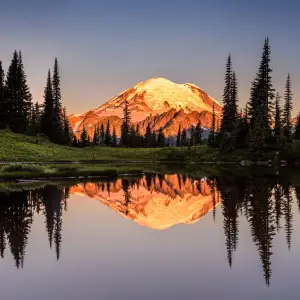
Mount Rainier National Park in Washington State is an icon of the Pacific Northwest, offering a stunning view of the 14,411 feet tall active stratovolcano. Its diverse ecosystems range from subalpine wildflower meadows to ancient forests, providing habitat for a variety of wildlife. With over 260 miles of maintained trails, visitors can enjoy hiking, mountaineering, and camping in this scenic wonderland. The park is also known for its glaciers and snowfields, making it a popular destination for skiing and snowboarding in the winter months. Mount Rainier's beauty and challenge draw visitors from around the world, eager to experience its majestic ...
5. Explore The Majestic Wilderness Of Olympic National Park: A Natural Paradise
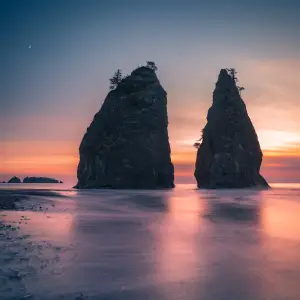
Olympic National Park in Washington is a place of unparalleled diversity. It is a UNESCO World Heritage Site that combines three distinct ecosystems: the rugged Pacific coastline, the lush temperate rainforests, and the majestic alpine peaks. The park's dramatic landscapes include glacier-capped mountains such as Mount Olympus, old-growth forests teeming with wildlife, and over 70 miles of wild coastline. Hiking trails wind through the park, ranging from the easy walks through the Hoh Rain Forest to the challenging ascents in the mountainous regions. Olympic is a sanctuary for those seeking solitude and a touch of the wild.
6. Exploring Shenandoah National Park: A Haven Of Natural Beauty
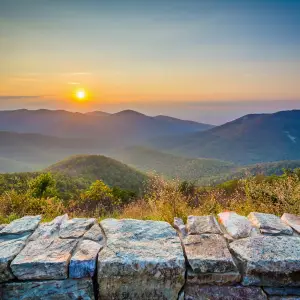
Shenandoah National Park, located in the Blue Ridge Mountains of Virginia, is a haven for those who adore the great outdoors. The park features over 200,000 acres of protected lands that are haven to deer, songbirds, and black bear. Its most famous thoroughfare, the Skyline Drive, offers stunning vistas and access to more than 500 miles of trails, including portions of the Appalachian Trail. Visitors enjoy scenic overlooks, picturesque waterfalls, and quiet wooded hollows. Each season brings its own beauty, from the lush greenery of summer, the rich colors of fall, vibrant wildflowers in spring, to the serene snowscapes of ...
7. Explore The Serenity Of Virgin Islands National Park: A Tropical Paradise Of Diversity And Wonder

Virgin Islands National Park on the island of St. John encompasses miles of Caribbean white-sand beaches and the emerald hills of the island's lush interior. The park protects over half of the island, including historical structures like the Annaberg Sugar Plantation ruins. Underwater trails at Trunk Bay give snorkelers views of coral reefs teeming with marine life. Hikers can enjoy tropical forests, mangroves, and the petroglyphs carved by the Taino people. The park is a sanctuary for numerous species of tropical birds, plants, and the rich marine life of the coral reefs.
8. Explore The Majestic North Cascades National Park: A Natural Wonderland
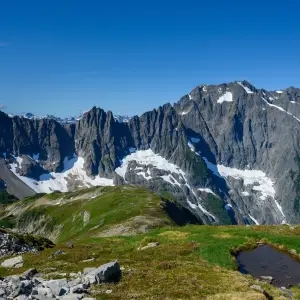
North Cascades National Park in Washington State is a pristine wilderness with jagged peaks topped by more than 300 glaciers, cascading waterfalls, and alpine meadows. The park is a haven for backpackers and climbers, offering some of the most challenging and rewarding backcountry experiences. Visitors can venture into the deep forests to find tranquility and spot wildlife such as black bears and mule deer. Ross Lake and Diablo Lake offer beautiful vistas and opportunities for boating and fishing. The North Cascades are less visited than other parks, offering a serene experience amidst nature's untouched beauty.
9. Exploring Crater Lake National Park: A Deep Blue Wonder

Crater Lake National Park in Oregon is centered around the deep blue Crater Lake, formed from the collapsed volcano, Mount Mazama. At 1,943 feet, it is the deepest lake in the United States and is noted for its vivid blue color and water clarity. The park offers a range of activities including hiking, scenic drives around the rim, and boat tours to Wizard Island during the summer. Winters bring a snowy wonderland ideal for snowshoeing and cross-country skiing. With its breathtaking views and geological significance, Crater Lake inspires awe and curiosity.
10. Discover The Serenity Of Hot Springs National Park: A Sanctuary Of Nature's Healing Waters
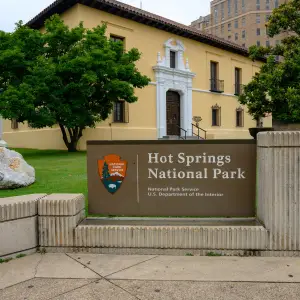
Hot Springs National Park, located in central Arkansas, is renowned for the naturally heated springs that have been a source of rejuvenation for centuries. Known as 'The American Spa', this urban park surrounds the north end of the city of Hot Springs, preserving the historic Bathhouse Row with its beautiful architecture. Visitors can indulge in the thermal waters in the historic bathhouses, or through the free-flowing public fountains. The park is not only about the springs; it also offers picturesque forested hiking trails in the surrounding Ouachita Mountains, providing stunning views and a habitat for local wildlife.
11. Explore Kings Canyon National Park: A Majestic Wilderness
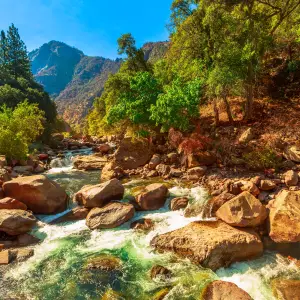
Kings Canyon National Park in California boasts some of the deepest canyons in North America. The park is home to majestic landscapes, including the towering sequoias of Grant Grove and the rugged terrain of the High Sierra. Visitors can explore the expansive backcountry, marvel at the giant sequoias in the General Grant tree area, or enjoy the serenity of Zumwalt Meadow. The park's dramatic scenery is a haven for hikers, campers, and photographers looking to capture the grandeur of the Sierra Nevada wilderness.
12. Explore Pinnacles National Park: A Hidden Gem In California
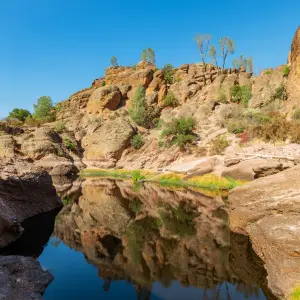
Pinnacles National Park in Central California is renowned for its volcanic spires and rock formations that attract climbers of all levels. The park's unique landscape is the result of ancient volcanic activity, and it supports diverse habitats and wildlife, including the California condor. Hiking trails offer visitors views of the high peaks, talus caves, and wildflower-covered hillsides. With its rich biodiversity, Pinnacles serves as a corridor for wildlife movement and offers a unique blend of adventure and conservation.
13. Exploring Badlands National Park: A Journey Through Time And Geology
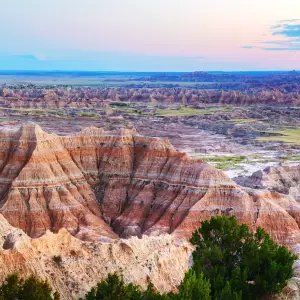
Badlands National Park in South Dakota showcases a dramatically rugged landscape with layered rock formations, steep canyons, and towering spires. This unique terrain is home to one of the world's richest fossil beds, ancient mammals like the rhino and horse, and the endangered black-footed ferret. Visitors can explore the park's striking geology along the Badlands Loop Road, hike the numerous trails, or participate in a nighttime astronomy program to observe the vast, star-filled skies. The park's mixed-grass prairie is a complex ecosystem that supports such wildlife as bison, bighorn sheep, and prairie dogs.
14. Explore The Majestic Glacier Bay National Park: A Natural Wonder Of Ice And Wilderness
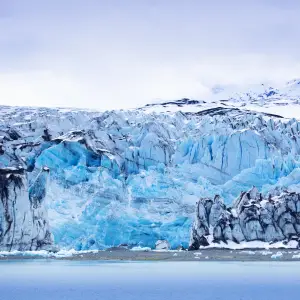
Glacier Bay National Park in Alaska is a land of breathtaking beauty, where tidewater glaciers calve into the sea and the sound of ice crashing into the ocean echoes. It's a marine and terrestrial wilderness that supports a complex ecosystem including humpback whales, sea otters, and bald eagles. Glacier Bay is a dynamic place where visitors can witness the ebb and flow of glaciers and perhaps ponder the effects of global warming. The park offers opportunities for kayaking, fishing, and spectacular cruise-ship views, making it a must-visit for nature lovers and adventurers alike.
15. Explore The Majestic Rocky Mountain National Park: Nature's Masterpiece
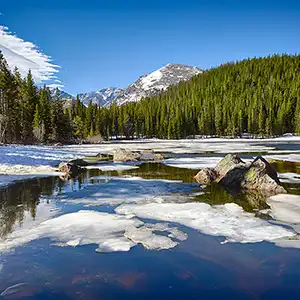
Rocky Mountain National Park in Colorado encompasses a vast and rugged landscape, featuring towering peaks, alpine lakes, and a wide array of wildlife. It offers an extensive trail system for all levels, including the famous Trail Ridge Road, which provides breathtaking panoramic views. Hiking, camping, wildlife viewing, and star gazing are just a few of the activities that visitors can enjoy in this park that celebrates the grandeur of the Rocky Mountains.
16. Exploring Mesa Verde National Park: A Window Into The Ancient Past
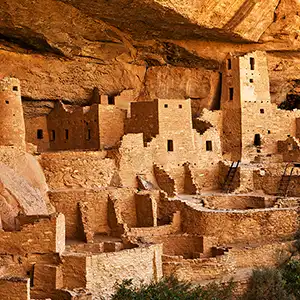
Mesa Verde National Park in Colorado protects the heritage of the Ancestral Pueblo people who lived here for over 700 years. Home to thousands of archeological sites, including 600 cliff dwellings, it offers a remarkable glimpse into the past. The park's centerpiece, Cliff Palace, is thought to be the largest cliff dwelling in North America. Visitors can explore the park through ranger-guided tours, which provide insight into the lives of the Ancestral Puebloans. The park's mesa-top trails through diverse landscapes and overlooks of the cliff dwellings offer breathtaking views and an opportunity to contemplate the area's historical and cultural significance.
17. Explore The Wonders Of Mammoth Cave National Park: A Subterranean Marvel
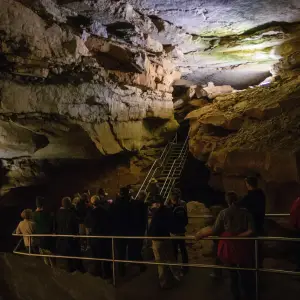
Mammoth Cave National Park in Kentucky is a UNESCO World Heritage site and International Biosphere Reserve, renowned for the world's longest cave system, with more than 400 miles explored. The vast chambers and complex labyrinths of Mammoth Cave offer a unique underground adventure. Above ground, the park's richly forested hills and scenic river valleys offer opportunities for hiking, horseback riding, and wildlife viewing. Park visitors can enjoy a variety of cave tours ranging from easy walks to challenging spelunking expeditions, all providing a glimpse into this subterranean wonderland's geologic and historic tales.
18. Explore The Pristine Beauty Of Dry Tortugas National Park

Dry Tortugas National Park, located in the Gulf of Mexico, is a remote park known for the magnificent Fort Jefferson, vibrant coral reefs, and an abundance of marine life. Accessible only by boat or seaplane, the park's seven islands offer a tropical paradise for snorkeling, diving, and bird watching. Its clear blue waters are home to a variety of sea turtles and rare fish species. The park's history is rich with tales of pirates, explorers, and soldiers, and the massive Fort Jefferson is one of the largest 19th-century American forts. Dry Tortugas provides an escape to explore the unspoiled natural ...
19. Exploring Sequoia National Park: A Realm Of Giants
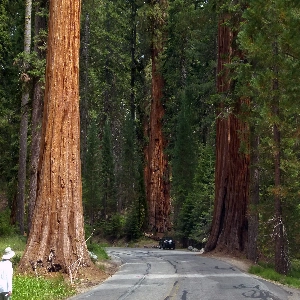
Sequoia National Park in California is a land of giants, home to some of the largest trees on earth, the giant sequoias. The park's most famous resident, the General Sherman Tree, stands as the largest living tree by volume. Beyond its forested beauty, Sequoia National Park offers alpine landscapes, deep canyons, and rugged foothills. Visitors can enjoy a wide range of activities including hiking, camping, and rock climbing. The park provides a haven for wildlife and a playground for nature enthusiasts, while the Crystal Cave offers a glimpse into the geological marvels underground.
20. Discover The Wonders Of Channel Islands National Park: An Untouched Coastal Paradise
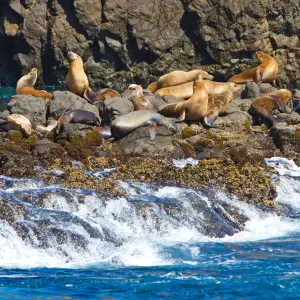
Channel Islands National Park off the coast of Southern California encompasses five remarkable islands and their ocean environment, preserving a wealth of natural and cultural resources. Isolation over thousands of years has created unique animals, plants, and archeological resources found nowhere else on Earth and has helped preserve a place where visitors can experience coastal southern California as it once was. The park offers a variety of activities, from hiking on the rugged island trails to snorkeling in the kelp-rich waters teeming with marine life.
21. Explore The Natural Wonders Of Cuyahoga Valley National Park
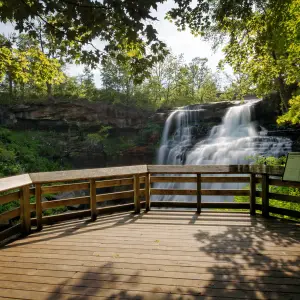
Cuyahoga Valley National Park in Ohio is a refuge for native plants and wildlife, and provides routes of discovery for visitors. The winding Cuyahoga—the "crooked river" as named by American Indians—gives way to deep forests, rolling hills, and open farmlands. Walk or ride the Towpath Trail to follow the historic route of the Ohio & Erie Canal, with over 125 miles of trails for hiking, biking, and exploring. The park is also home to the scenic Brandywine Falls and a host of cultural events throughout the year.
22. Exploring Biscayne National Park: A Marine Wonderland

Biscayne National Park in Florida is predominantly water, protecting a rare combination of aquamarine waters, emerald islands, and vibrant coral reefs. Exploring the park's coral reefs can be done via snorkeling or diving, revealing a colorful and diverse underwater world. On the surface, kayaking and boating are popular activities, offering a chance to observe the park's mangrove shorelines and the historic Boca Chita Key lighthouse. The park's maritime heritage is also showcased through shipwreck sites, which serve as poignant reminders of the perils of the sea.
23. Explore The Wonders Of Congaree National Park: A Hidden Gem Of Biodiversity
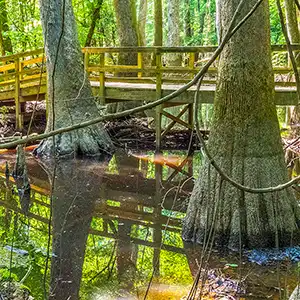
Congaree National Park in South Carolina is an international biosphere reserve known for its towering hardwoods and sprawling floodplains. The largest intact expanse of old growth bottomland hardwood forest remaining in the southeastern United States, it's a rich natural sanctuary among the meandering waterways. Boardwalks and paddling trails allow visitors to delve deep into this lush and primeval environment, home to diverse flora and fauna, including bobcats, otters, and various bird species.
24. Explore Gateway Arch National Park: A Monument To American History

Gateway Arch National Park, known as the "Gateway to the West," in St. Louis, Missouri, is home to the iconic 630-foot stainless steel arch that symbolizes the westward expansion of the United States. The park offers visitors a chance to explore the history of the American frontier through museums, historical buildings, and a journey to the top of the arch for expansive views of the city and the Mississippi River.
25. Explore The Majestic Grand Canyon: A Natural Wonder Of The World
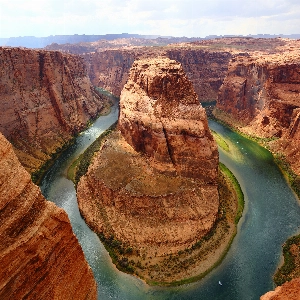
Grand Canyon National Park in Arizona is home to the immense Grand Canyon, with its layered bands of red rock revealing millions of years of geological history. The park encompasses vast and rugged arid landscapes, and viewpoints like Mather Point, Yavapai Observation Station, and architect Mary Colter's Lookout Studio offer stunning vistas of the canyon. Hiking trails rim the canyon, while rafting trips on the Colorado River give a different perspective of its enormity and natural beauty.
26. Exploring White Sands National Park: A Surreal Desert Landscape

White Sands National Park in New Mexico is famous for its great wave-like dunes of gypsum sand that engulf 275 square miles of desert area. The park's dramatic landscape of rare white sand dunes offers opportunities for sledding, photography, and exploration. The interplay of light and shadow across the dunes creates an ever-changing visual spectacle, while the park's relative isolation allows for peaceful contemplation and stargazing beneath clear night skies.
27. Explore The Wonders Of Everglades National Park: A Biosphere Of Unique Ecosystems
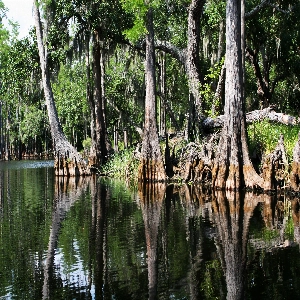
Everglades National Park in Florida is the largest tropical wilderness of any kind in the U.S., notable for its complex ecosystem and wide array of wetlands, forests, mangroves, and the marine environment of Florida Bay. It's renowned for its rich birdlife, particularly large wading birds, such as the rare and endangered American crocodile and Florida panther. The park offers unique experiences like airboat tours in the vast River of Grass and peaceful paddling through mangrove tunnels.
28. Explore The Untamed Beauty Of Lake Clark National Park
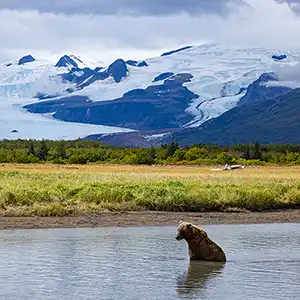
Lake Clark National Park and Preserve in Alaska is a microcosm of Alaskan wilderness, with a stunning mosaic of landscapes ranging from rainforests, alpine tundra, glaciers, and volcanoes. The park is also known for its salmon-rich waters, which attract not only local brown bears but also fishermen and nature enthusiasts. This remote park, accessible only by boat or plane, offers solitude and a pristine natural environment for adventurers and wildlife observers alike.
29. Explore Indiana Dunes National Park: A Coastal Gem Of The Midwest
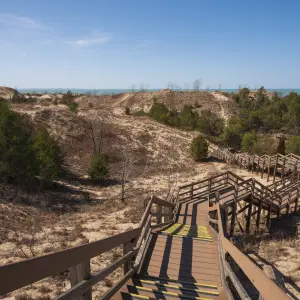
Indiana Dunes National Park, located on the southern shores of Lake Michigan, offers more than just its famous sand dunes. It encompasses over 15,000 acres of beaches, woods, prairies, and marshes. Visitors can hike through diverse ecosystems, sunbathe on sandy beaches, or enjoy bird watching. The park provides a unique combination of natural beauty and recreational activities with over 50 miles of trails through diverse habitats.
30. Explore The Wild Wonders Of Katmai National Park: Home Of The Brown Bears

Katmai National Park in Alaska is a wilderness haven, famous for the Valley of Ten Thousand Smokes and its brown bears. The park offers one of the best bear-watching opportunities in the world, especially at Brooks Falls, where bears congregate to fish for salmon. It's also a place of geological marvels, with active volcanoes and the ash-filled valley created by the 1912 Novarupta eruption. Visitors come to Katmai to witness these amazing sights and to kayak, fish, and hike in the vast Alaskan wilderness.
31. Exploring Redwood National Park: Among Giants
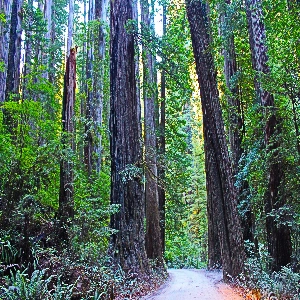
Redwood National Park in Northern California is a sanctuary of ancient redwoods, where the tallest trees on Earth reach skyward, some as high as 375 feet. This UNESCO World Heritage site and International Biosphere Reserve protects vast prairies, oak woodlands, wild riverways, and nearly 40 miles of pristine coastline. Visitors can hike through forests, stroll along beaches, and drive scenic routes to experience these majestic giants and the diverse ecosystems they inhabit.
32. Explore The Untamed Beauty Of Gates Of The Arctic National Park
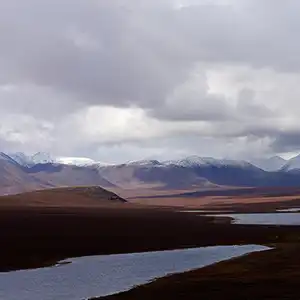
Gates of the Arctic National Park in Alaska, a part of the Far North Boreal Forest, is largely wilderness without trails or roads and is the northernmost national park in the U.S. This park offers solitude and untouched landscapes that stretch over valleys, rugged mountains, and boreal forests. It's a place where the caribou migrate, the rivers run free, and visitors can experience the silent arctic tundra under the midnight sun or northern lights.
33. Petrified Forest National Park: A Journey Through Time And Nature
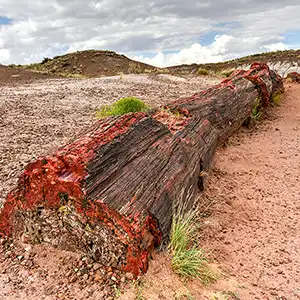
Petrified Forest National Park in Arizona features one of the largest and most colorful concentrations of petrified wood in the world. The park's landscapes are a showcase of the Painted Desert's rippled colors and the ancient trees that have turned to stone over millions of years. Visitors can explore the park's trails and exhibits to learn about the trees that once flourished here, the forces that fossilized them, and the diverse ecosystem of the badlands.
34. Discover The Majestic Saguaro National Park: A Twisted Forest Of Iconic Cacti
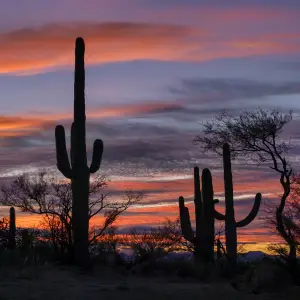
Saguaro National Park in Arizona protects the giant saguaro cactus, a symbol of the American West. The park is split into two districts flanking Tucson and features a striking array of desert plant life, significant tracts of the Sonoran Desert, and miles of hiking trails. Visitors can enjoy scenic drives and wilderness areas that offer solitude and dramatic views, especially during the colorful sunsets that set the desert aglow.
35. Exploring Carlsbad Caverns National Park: A Subterranean Wonderland
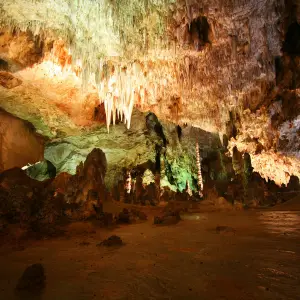
Carlsbad Caverns National Park in New Mexico is a subterranean wonderland of more than 119 known caves. Formed from limestone and sculpted by sulfuric acid, the caverns are adorned with stalactites, stalagmites, and an array of other delicate formations. The park's showpiece is the Big Room, a natural limestone chamber almost 4,000 feet long. Beyond the underground spectacle, visitors can also explore the Chihuahuan Desert and enjoy night-time bat viewings when hundreds of thousands of bats exit the cave at dusk.
36. Explore The Untamed Beauty Of Voyageurs National Park
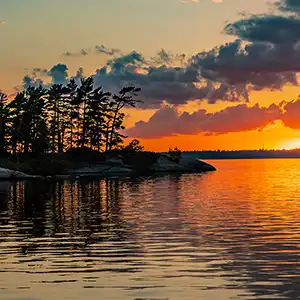
Voyageurs National Park in Minnesota is a water-based park where you must leave your car behind for a boat, canoe, or kayak. Here, you can navigate the interconnected waterways, explore the untouched northern forests, and enjoy the tranquility of the park's four large lakes and many smaller water bodies. With its rich history, stunning boreal forests, and abundant wildlife, Voyageurs offers an adventure that is both exhilarating and serene.
37. Exploring Acadia National Park: A Gem On The Atlantic Coast<
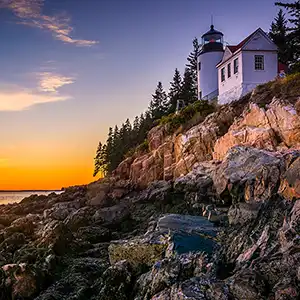
Acadia National Park, located on the rugged coast of Maine, is a gem of the Atlantic Northeast. With its rich blend of natural beauty, including rocky headlands, wooded areas, and pristine lakes, Acadia offers visitors over 120 miles of hiking trails and 45 miles of carriage roads with stunning vistas. The park's Cadillac Mountain is renowned for being one of the first places in the United States to see the sunrise. The combination of ocean and forest scenery, together with the local wildlife, makes Acadia a remarkable place for nature lovers and outdoor enthusiasts.
38. Discover The Mystique Of Great Basin National Park: A Journey Through Nature's Marvels

Great Basin National Park in Nevada is a lesser-known gem featuring the majestic Wheeler Peak, ancient bristlecone pines, and the ornate limestone caverns of Lehman Caves. This diverse park offers a range of experiences, from the sage-covered foothills to the alpine environments of the high desert. Stargazers are especially drawn to the park for its incredibly dark night skies, while hikers enjoy the solitude of its expansive trails and the beauty of its mountain lakes.
39. Exploring The National Park Of American Samoa: A Tropical Paradise
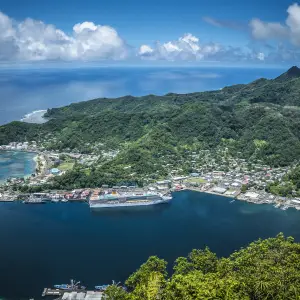
American Samoa National Park comprises three volcanic islands and two coral atolls in the South Pacific, preserving the tropical rainforest, beaches, and coral reefs. This remote park is a haven for adventurers looking to experience the vibrant Samoan culture, the lush landscapes, and the rich marine life. Visitors can hike rainforest trails, snorkel in the crystalline waters, or simply relax on a beach that feels a world away from the hustle of modern life. The park offers a rare opportunity to see undisturbed tropical ecosystems and the cultural heritage of the Samoan people.
40. Exploring Arches National Park: A Guide To Nature's Timeless Sculptures
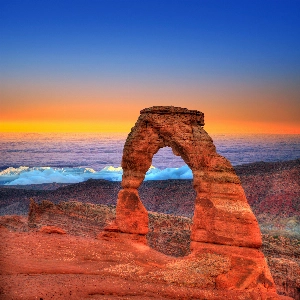
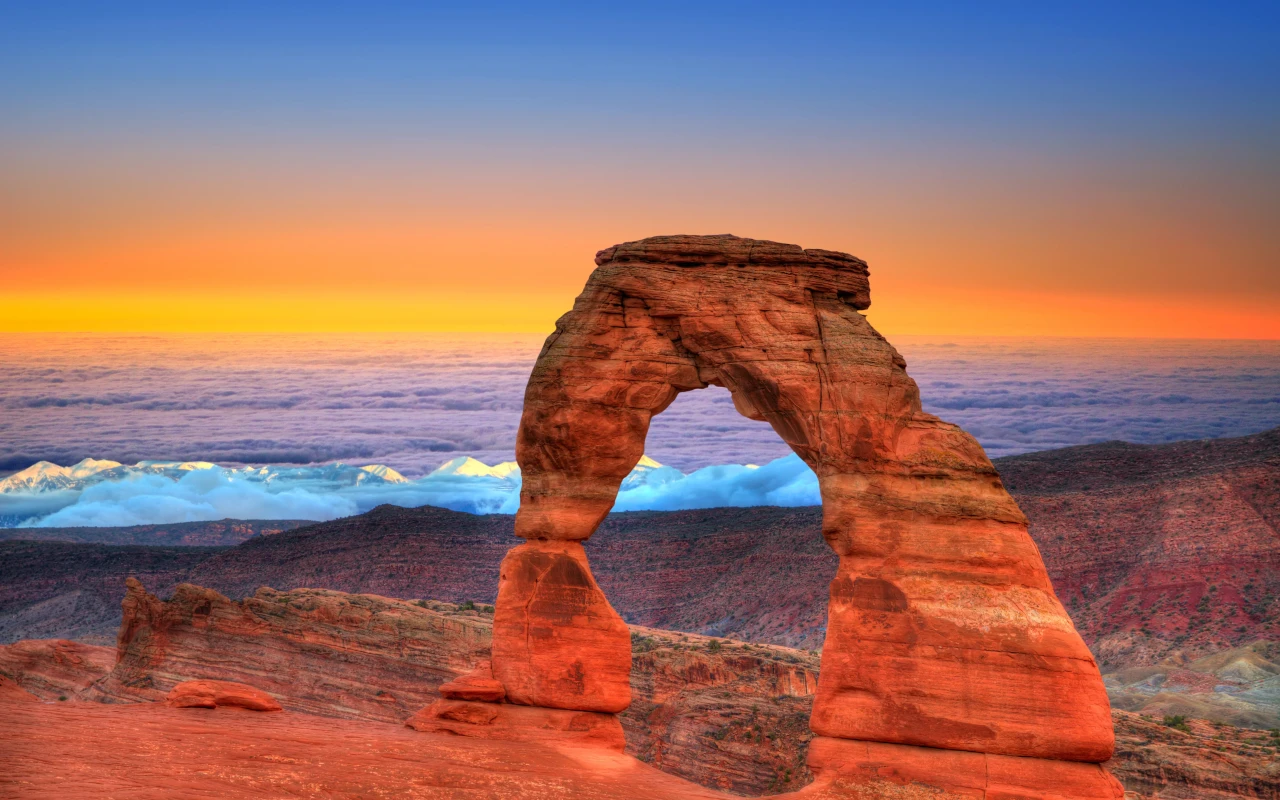
Arches National Park in Utah is a red-rock wonderland that contains over 2,000 natural stone arches, spires, hoodoos, and balanced rocks. The park's vast landscape, varying from rolling petrified dunes to dramatic sandstone formations, offers a stunning backdrop for hiking, rock climbing, and photography. Landmarks like Delicate Arch and Landscape Arch showcase the natural beauty that has been sculpted over millions of years by the forces of nature.
41. Exploring Big Bend National Park: A Desert Wilderness On The Rio Grande
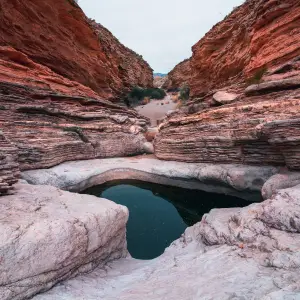
Big Bend National Park in Texas offers a remarkable variety of landscapes to explore. From the Chisos Mountain Range and the vast Chihuahuan Desert to the Rio Grande River's canyons, the park is a haven for geologists, historians, and nature enthusiasts alike. Visitors can enjoy hiking, bird watching, stargazing, and river expeditions. Big Bend is celebrated for its natural resources and biodiversity, hosting hundreds of bird species and a plethora of plant and animal life unique to the area.
42. Explore The Great Sand Dunes National Park: Nature's Majestic Playground
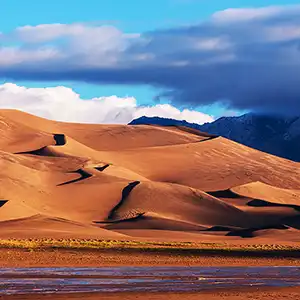
Great Sand Dunes National Park in Colorado showcases the tallest dunes in North America, rising against the backdrop of the Sangre de Cristo Mountains. The park is a sandbox of epic proportions, with winds continually reshaping the dunes and creating a dynamic landscape. Activities here include sand sledding, hiking, star gazing, and exploring diverse ecosystems from dunes to forests to wetlands. The park also preserves habitats for significant wildlife and plant diversity.
43. Exploring Black Canyon Of The Gunnison National Park: A Spectacular Vertical Wilderness
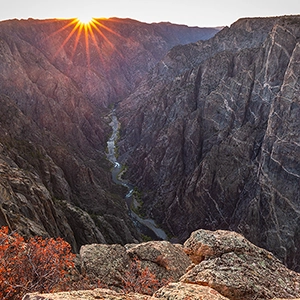
Black Canyon of the Gunnison National Park in Colorado is known for its steep, deep, and narrow canyons. The Gunnison River has carved a gorge so dramatic and wild, it exposes some of the steepest cliffs, oldest rock, and craggiest spires in North America. With some parts of the canyon only receiving minutes of sunlight a day, the Black Canyon offers exceptional stargazing opportunities, technical rock climbing, and insights into the power of natural forces. Visitors can enjoy scenic drives, vigorous hikes, and the thrill of peering into one of the most profound and daunting chasms in the country.
44. Exploring Bryce Canyon National Park: A Landscape Of Natural Amphitheaters
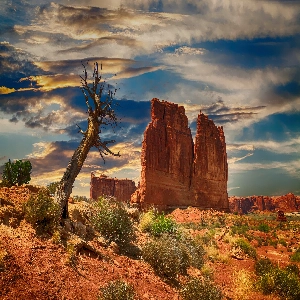
Bryce Canyon National Park in Utah is celebrated for its otherworldly landscape of hoodoos - spire-shaped rock formations created by frost weathering and stream erosion. The park's expansive amphitheaters, filled with colorful, intricate limestone towers, offer breathtaking views to visitors. Hiking trails like the Navajo Loop descend into the canyon, providing a closer look at the geological wonders. Bryce Canyon also boasts some of the clearest air in the United States, making it a premium stargazing destination.
45. Exploring Canyonlands National Park: A Vast Wilderness Of Canyons And Mesas
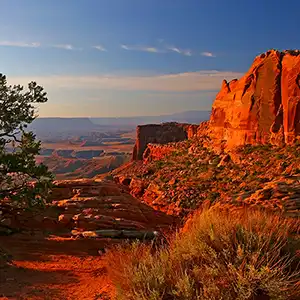
Canyonlands National Park in southeastern Utah offers a stunning array of canyons, mesas, and buttes carved by the Colorado River and its tributaries. The park is divided into four districts: Island in the Sky, The Needles, The Maze, and the rivers themselves, each offering different opportunities for adventure and solitude. With its dramatic desert landscape, visitors can enjoy hiking, mountain biking, and whitewater rafting, as well as exploring Native American rock paintings and other historical sites.
46. Exploring Capitol Reef National Park: A Geological Wonderland
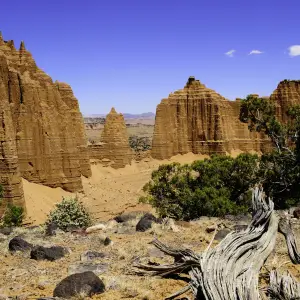
Capitol Reef National Park in Utah is a hidden treasure filled with cliffs, canyons, domes, and bridges in the Waterpocket Fold, a geologic monocline extending almost 100 miles. With its rich history of ancient petroglyphs by the Fremont people and the orchards planted by Mormon pioneers, the park is a crossroads of natural and cultural history. Visitors can enjoy scenic drives, fruit picking in historic orchards, and extensive hiking trails that explore the rugged backcountry.
47. Exploring Death Valley National Park: A Land Of Extremes
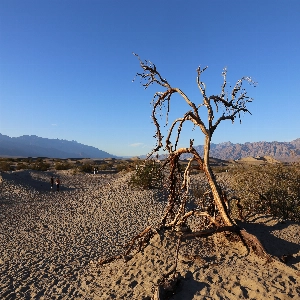
Death Valley National Park, straddling eastern California and Nevada, is known for Titus Canyon, with a ghost town and colorful rocks, and Badwater Basin’s salt flats, North America's lowest point. The park's diverse landscape includes sand dunes, mountains, unique rock formations, and the rare desert oasis of Furnace Creek. It is a land of extremes, offering stunning vistas and starry nights, and despite its name, a great diversity of life survives in this below-sea-level basin.
48. Explore Great Smoky Mountains National Park: Nature's Masterpiece
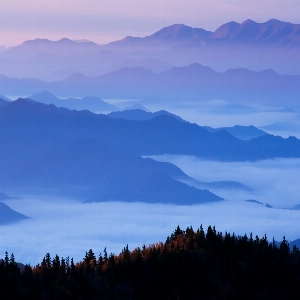
Great Smoky Mountains National Park, located in the states of North Carolina and Tennessee, is renowned for its plant and animal diversity, the beauty of its ancient mountains, and remnants of Southern Appalachian mountain culture. As one of America's most visited national parks, it offers mist-covered mountains, a wide variety of wildlife, over 800 miles of trails, and remnants of Appalachian culture. This UNESCO World Heritage Site is a hiker's paradise with a landscape that includes lush forests and wildflower-covered meadows.
49. Discover Denali National Park: Alaska's Premier Wilderness
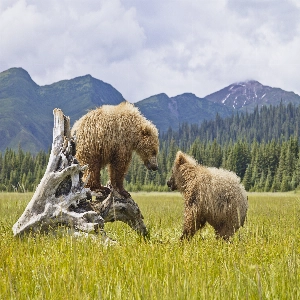
Denali National Park in Alaska is home to Denali (Mount McKinley), North America's highest peak. With a single road cutting through its wild heart, this park offers solitude, tranquility, and wilderness. Visitors can explore the tundra and taiga, spot grizzlies, caribou, and wolves, and engage in activities like dog-sledding and cross-country skiing. The park's vastness and natural beauty provide a backdrop for adventure and discovery.
50. Explore Guadalupe Mountains National Park: A Pinnacle Of Natural Beauty
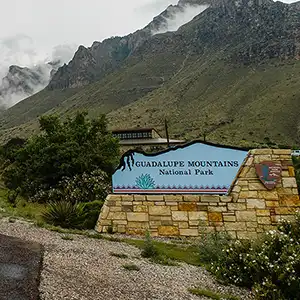
Guadalupe Mountains National Park in Texas is a hiker's paradise with over 80 miles of trails that traverse through diverse ecosystems, including salt basins, canyons, deserts, and the rocky peaks of Guadalupe Peak—the highest point in Texas. The park is also known for the Permian fossil reef, the extensive Capitan Reef that is exposed at the surface. It's an area of rich biodiversity, home to over 1,000 species of plants, and animals that roam the vast, unspoiled landscapes.
51. Discovering Glacier National Park: A Crown Jewel Of The Wilderness
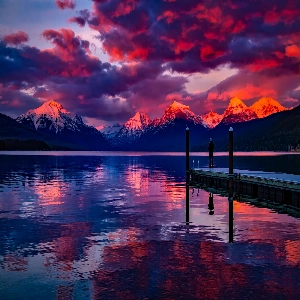
Glacier National Park in Montana, known as the "Crown of the Continent," boasts rugged mountains, pristine forests, and spectacular alpine meadows. With over 700 miles of trails, it's a hiker's paradise for adventurous visitors seeking wilderness and solitude. The park is home to diverse wildlife, including the mountain goat, its official symbol, and offers scenic drives such as the Going-to-the-Sun Road, which cuts through the heart of the park and crosses the Continental Divide.
52. Discover The Wonders Of Lassen Volcanic National Park: A Unique Geothermal Paradise
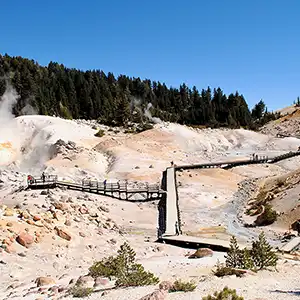
Lassen Volcanic National Park in northern California is home to steaming fumaroles, meadows freckled with wildflowers, clear mountain lakes, and numerous volcanoes. Jagged peaks tell the story of its eruptive past while hot water continues to shape the land. Lassen offers opportunities to discover the wonder and mysteries of volcanoes and hot springs, and its network of trails allows visitors to explore a landscape forged by fire.
53. Exploring Grand Teton National Park: A Majestic Mountain Escape

Grand Teton National Park in Wyoming offers a landscape dominated by the Teton Range, an active, fault-block, 40-mile-long mountain front. The park includes the major peaks of the 40-mile-long Teton Range as well as most of the northern sections of the valley known as Jackson Hole. It's a haven for climbers, hikers, and nature lovers, with its pristine alpine terrain, glacial lakes, and a diverse array of wildlife, including grizzly bears, wolves, and herds of bison and elk.
54. Exploring Hawaii Volcanoes National Park: A Journey Through Earth's Power
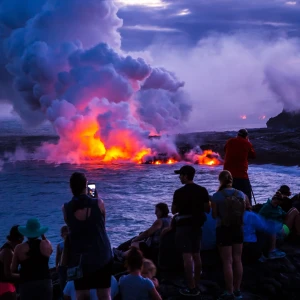
Hawaii Volcanoes National Park on the Big Island of Hawaii offers a unique, close-up look at volcanic activity and its impact on the island's ecosystems. The park includes two of the world's most active volcanoes, Kilauea and Mauna Loa. Visitors can explore craters, deserts, and rainforests, as well as witness new land being formed. With its dramatic landscapes, the park provides insight into the birth of the Hawaiian Islands and ongoing studies in volcanology.
55. Exploring Joshua Tree National Park: A Desert Retreat
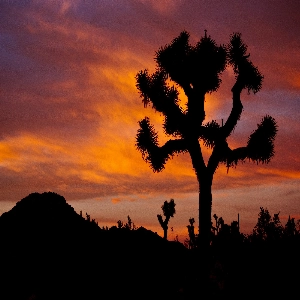
Joshua Tree National Park in California is a vast protected area characterized by rugged rock formations and stark desert landscapes. Named for the region's bristled Joshua trees, the park straddles the cusp of the high Mojave Desert and the low Colorado Desert. Visitors are drawn to the park's opportunities for hiking, rock climbing, photography, and stargazing within its mesmerizing geologic features. The park also features areas of cultural history, where millennia of history are revealed through a rich tapestry of archaeological sites.
56. Explore The Natural Wonder Of New River Gorge National Park
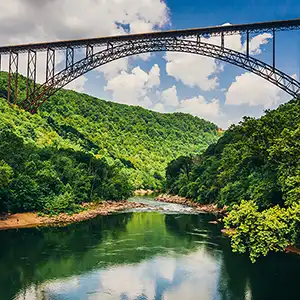
New River Gorge National Park in West Virginia encompasses over 70,000 acres of land along the New River, one of the oldest rivers on the continent. Famous for the stunning New River Gorge Bridge, the park offers a variety of activities including whitewater rafting, rock climbing, and hiking. Its extensive network of trails provides visitors scenic walks through lush forests and offers views of the powerful river that has sculpted the valley for millions of years.
57. Explore The Untamed Beauty Of Theodore Roosevelt National Park
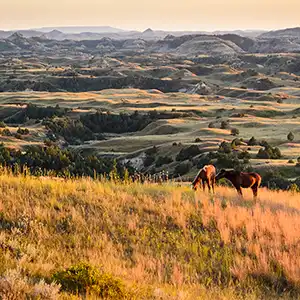
Theodore Roosevelt National Park in North Dakota honors the 26th President for his enduring contributions to the conservation of our natural resources. This park features a rugged landscape with bison, wild horses, and elk roaming the expansive badlands. Visitors can drive the scenic loops or hike the trails to explore the park's backcountry and stand where Roosevelt once stood, enjoying the same timeless vistas of the Little Missouri River and the surrounding prairie.
58. Explore The Majestic Wind Cave In Wrangell-St. Elias National Park
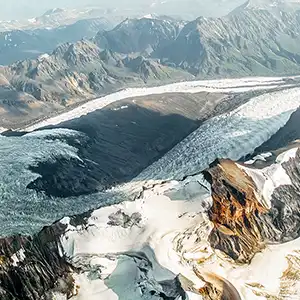
Wind Cave National Park, located in South Dakota, is one of the longest and most complex caves in the world, with its famous boxwork formations. Above ground, it preserves the largest remaining natural mixed-grass prairie in the United States. The park offers ranger-guided cave tours where visitors can marvel at the unique geology, as well as opportunities for hiking and wildlife viewing among the rolling prairie and ponderosa pine forests.
59. Unveiling Yellowstone National Park: A Journey Through America's First National Park
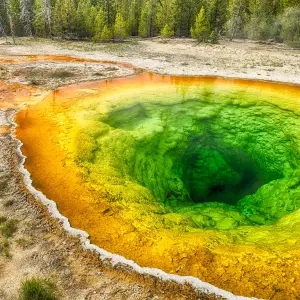
Yellowstone National Park, the first national park in the world, is known for its wildlife and its many geothermal features, especially Old Faithful geyser, one of the most popular features in the park. It has a vast array of ecosystems, from subalpine forests to expansive lakes and canyons. The park is also home to grizzly bears, wolves, and herds of bison and elk. Yellowstone is a place of natural wonder and beauty, offering visitors a diverse array of geothermal activity, mountainous landscapes, and wildlife viewing opportunities.
60. Exploring Yosemite National Park: A Sanctuary Of Natural Beauty
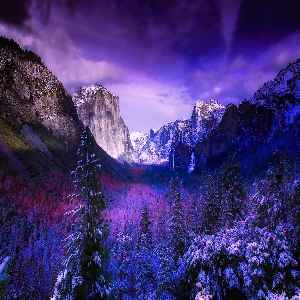
Yosemite National Park in California's Sierra Nevada mountains is famed for its giant, ancient sequoia trees, and for Tunnel View, the iconic vista of towering Bridalveil Fall and the granite cliffs of El Capitan and Half Dome. The park offers a diverse array of environments from meadows, valleys, and towering trees to vast wilderness areas and high cliffs. It is a beacon for visitors seeking the tranquility and beauty of the American wilderness, offering a range of outdoor activities including hiking, climbing, and winter sports.
61. Exploring Zion National Park: A Majestic Red Rock Wonderland

Zion National Park in Utah is distinguished by Zion Canyon's steep red cliffs. Zion Canyon Scenic Drive cuts through its main section, leading to forest trails along the Virgin River. The river flows to the Emerald Pools, which have waterfalls and a hanging garden. Also along the river, partly through deep chasms, is Zion Narrows wading hike. Zion is also known for the challenging Angel's Landing trail, with a dramatic viewpoint.