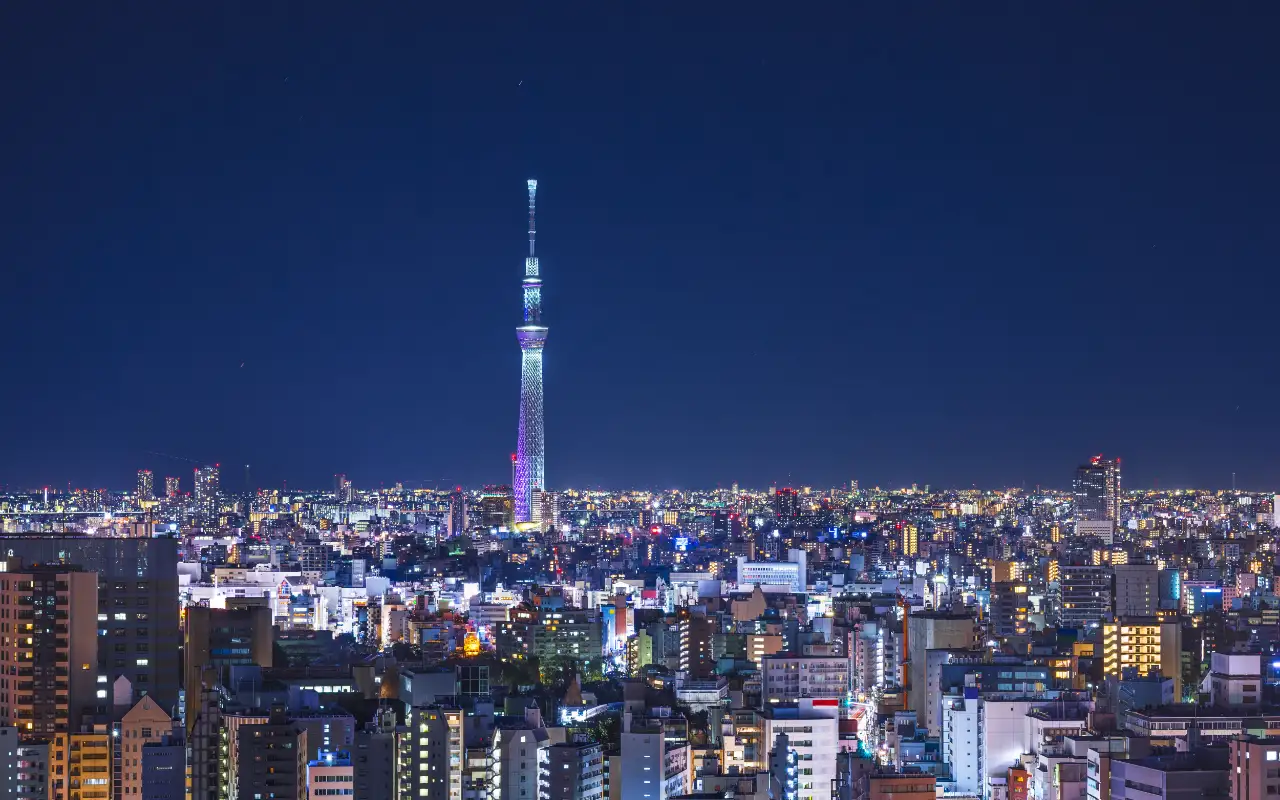
Claim to Fame
The Tokyo Skytree stands as a towering symbol of Japan’s embrace of modernity, offering breathtaking views from its observation decks and serving as a hub of dining, shopping, and cultural experiences.
📌 Navigating Tokyo Skytree : Answers to Frequently Asked Questions
- Admission Fee: Admission fees vary depending on the observation deck selected, with discounts for children and seniors.
- How Long to Visit: A visit to the Skytree typically takes about 1 to 2 hours, depending on whether you dine or shop.
- Washrooms: Washrooms are readily available and well-maintained throughout the facility.
- Hours of Operation: The Tokyo Skytree is typically open from 8:00 AM to 10:00 PM, but hours may vary on holidays.
- Important Information: It is advisable to purchase tickets in advance, especially during weekends and holidays, to avoid long wait times.
- Handicap Accessible: The Tokyo Skytree is fully handicap accessible, with elevators and facilities for guests with mobility challenges.
- Pets: Pets are not allowed inside the Skytree, with the exception of service animals.
- Guided Tours: Guided tours are available and can enhance the experience with insights about the Skytree and its surroundings.
- Restaurant or Cafe: There are several dining options, including a restaurant and a café with stunning views of the city.
- Gift Shop: A gift shop is located on-site, featuring souvenirs, snacks, and exclusive Tokyo Skytree merchandise.
- Parking: There is a large parking facility available near the Skytree, but it can fill up quickly during peak times.
- Family Friendly: The Skytree offers family-friendly attractions, including observation decks and interactive exhibits for children.
- Photography: Photography is encouraged and allowed, but tripods and professional equipment may be restricted.
- WIFI: Free Wi-Fi is provided throughout the Skytree for visitors to stay connected.
- Picnic Area: Picnic areas are not available on the Skytree premises, but nearby parks offer suitable spots for outdoor dining.
📌Heads up: All times, prices and visitor policies are subject to change without notice. Please check the official website for the most recent information.
Photos of Tokyo Skytree
What to Expect
As you approach the Tokyo Skytree, its sleek, futuristic silhouette dominates the skyline, reflecting the fusion of cutting-edge design and traditional Japanese aesthetics. The tower rises to an impressive height of 634 meters, making it the tallest structure in Japan and the second tallest in the world. Visitors are greeted by an expansive plaza, featuring lush landscaping and water features that evoke a sense of tranquility amidst the urban hustle and bustle. Once inside, a seamless blend of technology and hospitality awaits. Access to the observation decks is facilitated by high-speed elevators, whisking you up to the Tembo Deck at 350 meters in mere seconds. Here, panoramic vistas stretch out beneath you, revealing a sprawling metropolis punctuated by the quaint charm of ancient temples and parks. On a clear day, one can catch a glimpse of Mount Fuji in the distance, an awe-inspiring sight that reminds visitors of Japan’s natural beauty. Additionally, the Tokyo Skytree is not merely an observational point; it serves as a cultural landmark. Rotating exhibitions and interactive displays provide insights into the rich history of the tower and the city it inhabits. Dining options range from casual cafes to upscale restaurants, allowing visitors to savor local delicacies alongside their views. This multifaceted experience ensures that every guest leaves with memories that transcend the mere act of sightseeing.Background and Cultural Context
Constructed in 2012, the Tokyo Skytree was designed to withstand earthquakes, a critical requirement in a country often challenged by seismic activity. Its architectural design draws inspiration from traditional Japanese pagodas, emphasizing harmony with nature and a connection to the country’s heritage. The tower's structure is purposely tapered, not only for aesthetic appeal but also for optimal wind resistance, further showcasing Japanese ingenuity in engineering. The Skytree is located in Sumida, a district historically known for its vibrant Edo-era culture. Here, the modern landscape coexists with remnants of Japan’s past, including historical landmarks such as the Senso-ji Temple in Asakusa. This juxtaposition serves as a testament to Japan’s ability to preserve its cultural identity while simultaneously engaging with contemporary principles of design and urban planning. As a broadcasting tower, the Skytree plays a vital role in disseminating television and radio signals across the Kanto region, underscoring the structure’s significance not only as a tourist attraction but also as a key component of Japan's communications infrastructure. Its establishment has not only influenced local economics by boosting tourism but also invigorated community pride, making it a beloved emblem of modern Tokyo.Best Time to Visit
The Tokyo Skytree is a year-round destination, but the ideal time to visit hinges on personal preferences for weather and crowd levels. During spring, the cherry blossoms add a delicate beauty to the cityscape, creating a picturesque backdrop for your visit. Late March to early April is particularly enchanting, with the Sakura Festival drawing in crowds eager to witness the fleeting blooms, resulting in long lines for the observation decks. Summer, though warm and humid, presents an opportunity to enjoy vibrant festivals such as the Sumida River Fireworks Festival, which can be viewed from the Skytree. However, be prepared for sweltering temperatures and a significant influx of tourists. To escape the heat, consider visiting during twilight when the city lights begin to sparkle against the darkening sky, offering an unforgettable experience as day transitions into night. In autumn, from late October to early November, the weather is mild, and the autumn foliage provides a vibrant tapestry of reds and oranges. This is one of the less crowded periods, enabling a more intimate experience as you gaze over the cityscape. Winter offers its own charm, especially when the Skytree is adorned with festive lights during the holiday season, casting a magical glow onto the landscape below, making it a cozy time for reflection and appreciation of the architecture.How to Get There
Reaching the Tokyo Skytree is a breeze, thanks to Tokyo's extensive and efficient public transportation network. The most convenient route is via the Tobu Skytree Line; simply board a train at Asakusa Station, and within a few short stops, you will arrive at Tokyo Skytree Station. Exit onto the platform, and you will immediately find yourself in the heart of the Skytree Town complex, where the tower awaits just an elevator ride away. Alternatively, for those already navigating Tokyo's Metro system, the Oshiage Station on the Hanzomon Line offers similar access. Both stations are well-marked and feature clear signage in English, ensuring a hassle-free transit experience. If you prefer surface travel, numerous bus lines connect the Skytree to other notable neighborhoods including Asakusa and Ueno, presenting a scenic view of the areas along the way. For visitors staying farther from the immediate vicinity, taxis are readily available, offering a direct and comfortable option to reach the tower. However, keep in mind that traffic can be heavy during peak hours, so plan accordingly. Moreover, for those adventurous enough, exploring the surrounding area on foot can lead to serendipitous discoveries of charming streets, artisanal shops, and historical sites that punctuate the Tokyo landscape.Photo Opportunities
- Cityscape shots from the Tembo Deck with Mount Fuji in the background.
- Wide-angle photos showcasing the unique architectural design of the Skytree itself.
- Nighttime shots capturing the illuminated tower and the sparkling metropolis below.
- Close-ups of the intricate details that adorn the Skytree’s base and floors.
- Pictures of cherry blossoms in spring set against the tower’s stunning silhouette.
Travel Tips
- Purchase tickets in advance online to skip the long queues at the entrance.
- Consider visiting during the week to avoid weekend crowds.
- Bring a camera with a good zoom lens for capturing distant views from the observation decks.
- Dress in layers, as temperatures can vary significantly from the ground to the observation decks.
- Check the weather forecast before your visit for optimal visibility.