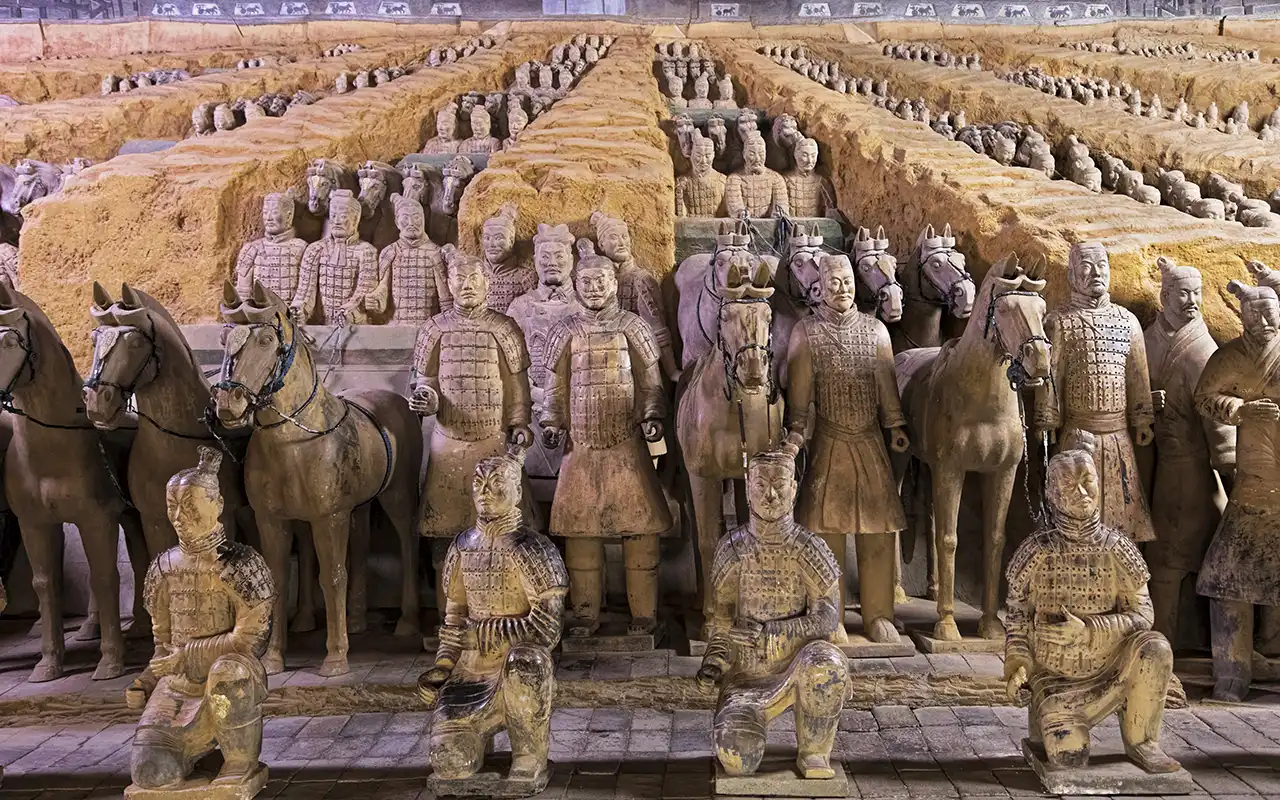
Claim to Fame
Unearthed in 1974, the Terracotta Army is a vast collection of thousands of life-sized clay warriors, chariots, and horses buried with China’s first emperor, Qin Shi Huang, to protect him in the afterlife. It’s among the most significant archaeological finds of the 20th century and part of a UNESCO World Heritage site.
📌 Navigating Terracotta Army in Xi’an : Answers to Frequently Asked Questions
- Admission Fee: The admission fee is approximately 150 RMB for adults, with discounts available for children and seniors.
- How Long to Visit: A visit typically lasts between 2 to 4 hours, depending on interest in exhibits and guided tours.
- Washrooms: Washrooms are conveniently located throughout the site for visitor use.
- Hours of Operation: The site operates daily from 8:30 AM to 5:30 PM, with extended hours in peak seasons.
- Important Information: It is recommended to wear comfortable shoes and check the weather forecast before visiting, as much of the site is outdoors.
- Handicap Accessible: The site is handicap accessible, with ramps and facilities to accommodate visitors with mobility challenges.
- Pets: Pets are not allowed within the museum grounds to maintain the integrity of the site.
- Guided Tours: Guided tours are available for a more in-depth understanding of the history and significance of the Terracotta Army.
- Restaurant or Cafe: There is a restaurant and cafe on-site offering local cuisine and refreshments.
- Gift Shop: A gift shop is available, offering souvenirs, books, and replicas related to the Terracotta Army.
- Parking: Parking is available at the Terracotta Army site, with designated areas for visitors.
- Family Friendly: The Terracotta Army is family-friendly, offering educational exhibits and activities suitable for all ages.
- Photography: Photography is permitted in most areas, but flash photography and tripods may be restricted.
- WIFI: Free Wi-Fi is accessible in the visitor center and some areas of the site.
- Picnic Area: Picnic areas are not provided, as food consumption is restricted within the site to preserve cleanliness.
Photos of Terracotta Army in Xi’an
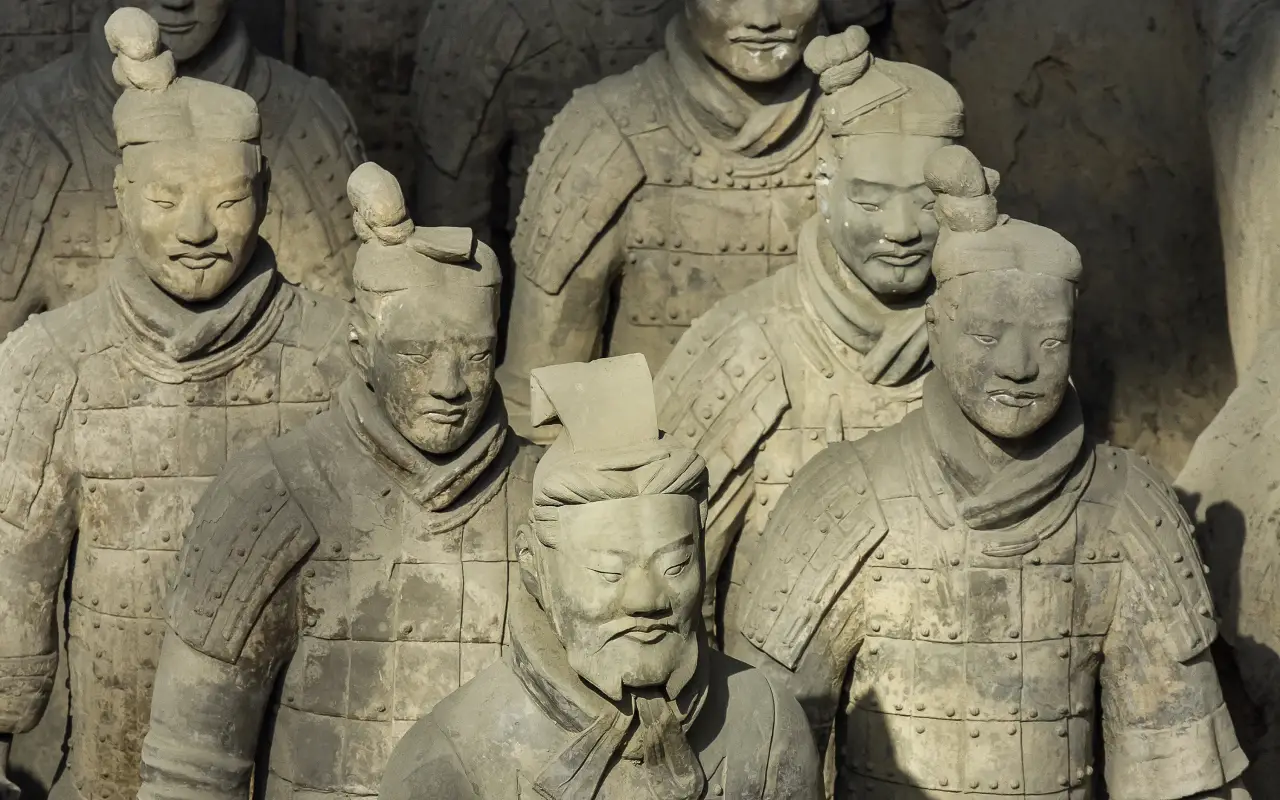
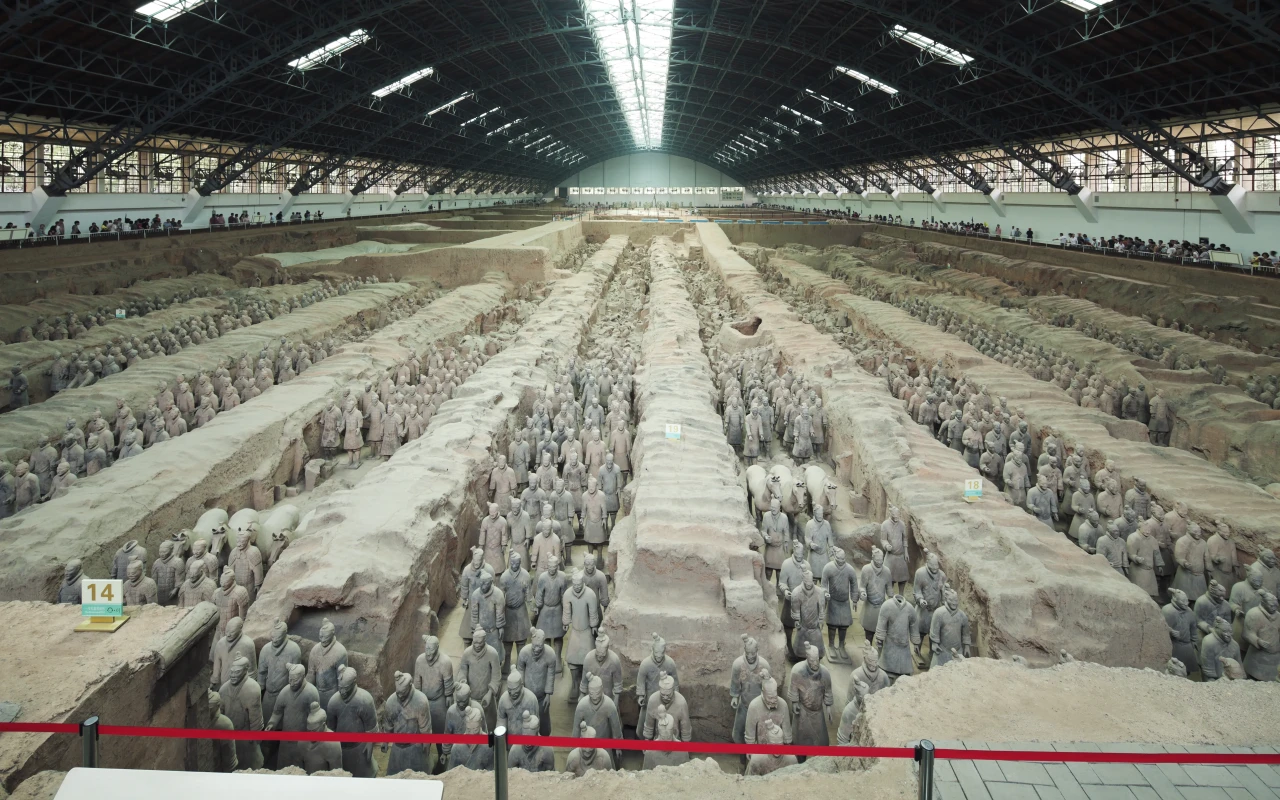
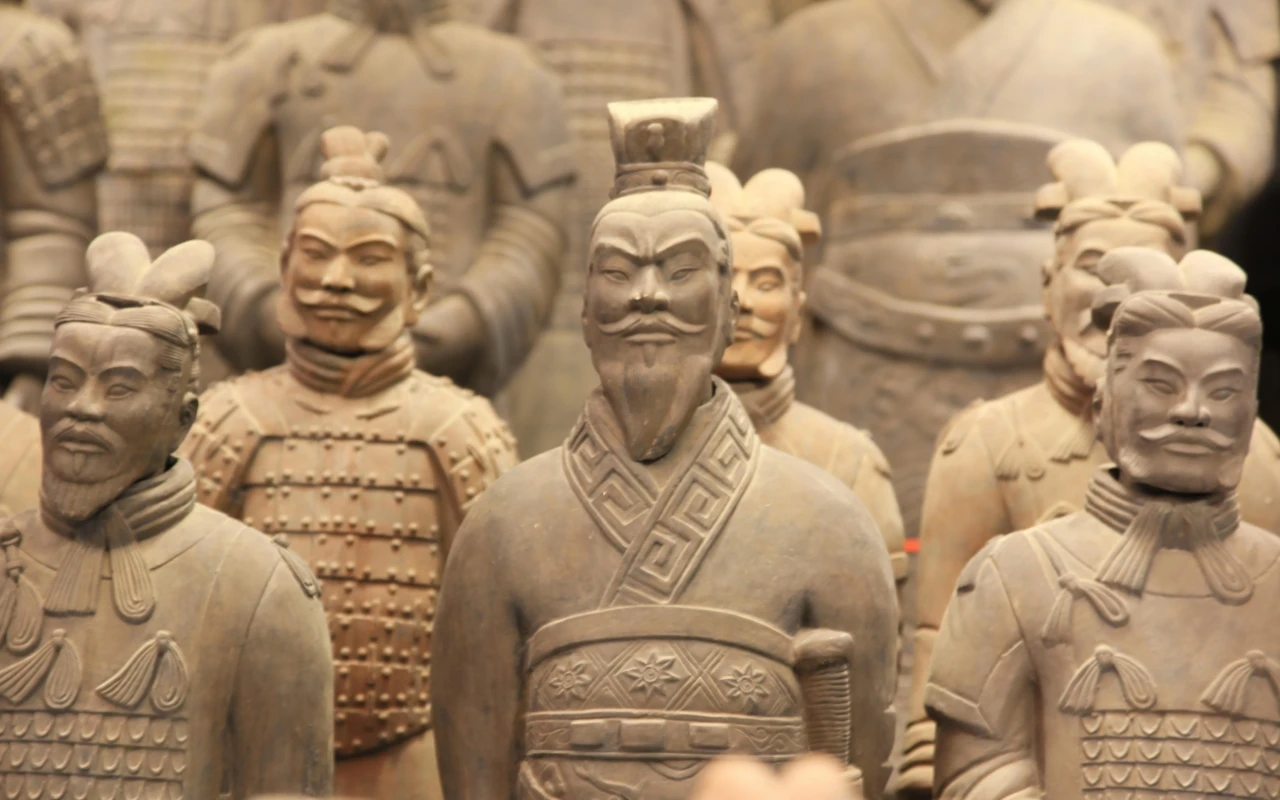

Located in Lintong District near Xi’an, the Emperor Qinshihuang Mausoleum Site Museum displays three main pits housing over 8,000 statues—armored soldiers, cavalry, and officers arranged in military formations. Each figure varies in height, uniform, and facial features based on rank, revealing sophisticated assembly-line craftsmanship from the late 3rd century BCE.
What to Expect
Pit 1 is the largest, containing more than 3,000 figures arranged in eleven rows with reconstructed wooden ceilings. Pit 2 combines active excavation areas with meticulously restored warriors including remnants of original pigment. Pit 3 showcases command-level figures, chariots, and provides insight into the depth and scale of the necropolis.
Background & Historical Context
Work on the mausoleum began in 246 BCE with an estimated workforce of 700,000, as recorded by historian Sima Qian. The site mirrors imperial beliefs about the afterlife, containing representations of palaces, officials, and even mercury rivers elsewhere in the necropolis.
Best Time to Visit
Spring (March–May) and autumn (September–November) offer mild weather and manageable crowds. Visit on weekdays and early mornings to avoid peak group tours—weekends often bring higher traffic.
How to Get There
The site is 40 km east of Xi’an. Visitors arrive by taxi, tour bus, or public transport, taking roughly 40–60 minutes. Entrance and audio guide fees apply, and signs clearly mark the pits and exhibition hall.
Photo Opportunities
- Vast rows of warriors in Pit 1, captured from elevated galleries
- Close-ups of individual statues with unique facial features and armor
- Brick-lined corridors and restored wooden beams overhead
- Fragments and partially assembled warriors in excavation zones
Travel Tips
- Arrive early (8:30–9 AM) to beat crowds and capture clear photos.
- Bring water and dress in layers—pits are sheltered, but outdoor pathways vary with weather.
- Audio or guided tours enhance appreciation of military layout and artisan techniques.
- Allow at least 2–3 hours to explore all pits and the exhibition hall comfortably.
- Combine with visits to Emperor’s Mausoleum Museum or Xi’an’s Ancient City Wall.
FAQs
How many warriors exist?
Over 8,000 soldiers, 130+ chariots, and 520 horses have been documented, though many remain buried.
Are the statues unique?
Yes—each warrior was assembled from molds and hand-finished with unique features like hairstyle and facial expression.
Can I see excavations?
Pit 2 shows active digs and restored pieces, offering a rare view into archaeological conservation.
Final Thoughts
The Terracotta Army is a breathtaking testament to Chinese cultural ambition, artistic skill, and imperial ritual. Walking through its pits, you witness the discipline, scale, and humanity of an ancient civilization. It’s a must-see for history lovers and travelers seeking awe-inspiring heritage in Xi’an.