Claim to Fame
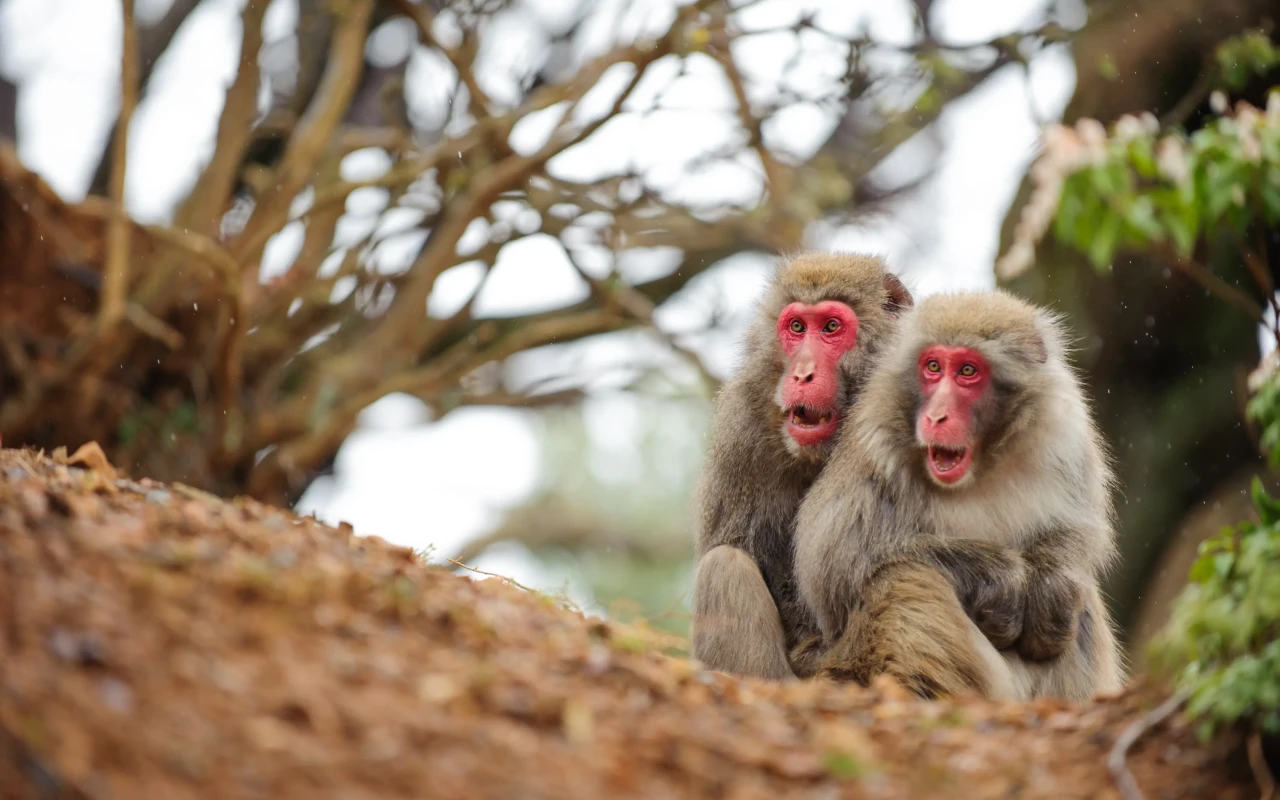
The Jigokudani Snow Monkey Park is renowned for its wild Japanese macaque residents, who soak in steaming hot springs amid the breathtaking snowy landscapes, offering a truly unforgettable wildlife experience.
📌 Navigating Snow Monkeys in Jigokudani : Answers to Frequently Asked Questions
- Washrooms: Washrooms are available at the entrance of the park for visitor convenience.
- Hours of Operation: The park operates from 9:00 AM to 4:00 PM, but hours may vary seasonally.
- Important Information: Important information includes being respectful of wildlife, keeping a safe distance from the monkeys, and adhering to park rules.
- Admission Fee: Admission is typically around 800 yen for adults, with discounts for children and seniors.
- How Long to Visit: Visitors typically spend 1 to 2 hours at the park to fully enjoy the experience.
- Parking: Parking is available at the nearby Yudanaka Station, with shuttle services to the monkey park.
- Family Friendly: The site is family friendly, offering a unique and educational experience for children and adults alike.
- Photography: Photography is encouraged, but visitors should respect the monkeys' space and avoid using flash.
- WIFI: Public Wi-Fi is not available in the park; visitors are advised to prepare for limited connectivity.
- Picnic Area: Picnic areas are not designated within the park to maintain cleanliness and prevent attracting wildlife.
- Handicap Accessible: The snow monkey area is not fully handicap accessible due to uneven terrain and steps.
- Pets: Pets are not allowed in the monkey park to ensure the safety and comfort of the wildlife.
- Guided Tours: Guided tours are available, providing insights into the monkeys' behavior and the local ecosystem.
- Restaurant or Cafe: There are no restaurants inside the park, but nearby Yudanaka offers various dining options.
- Gift Shop: A gift shop is located at the entrance, offering souvenirs and local crafts related to the snow monkeys.
📌Heads up: All times, prices and visitor policies are subject to change without notice. Please check the official website for the most recent information.
Photos of Snow Monkeys in Jigokudani
What to Expect
When visiting Jigokudani, prepare to witness a delightful interaction between nature and wildlife. The primary draw of this stunning area is the Japanese macaques, also known as snow monkeys, that are known for their endearing behavior. As you approach the park, you may catch sight of these curious creatures venturing through the snow, enveloped in their thick fur, and playfully interacting with one another. The sight of them lounging in the warm waters of the onsen is nothing short of captivating. Walking through the snow-laden paths leading to the hot springs, you’ll find yourself surrounded by an otherworldly ambiance. Towering snow-covered trees frame the scene, creating a serene backdrop for your adventure. The monkeys are frequently seen lounging in the water, grooming each other, and even engaging in playful antics that will surely bring a smile to your face. Don't forget to keep a respectful distance and observe their natural behaviors without interference, as this interaction with wildlife is best when it remains undisturbed. This area is not just for monkey enthusiasts; photographers and nature lovers will be equally enchanted. The contrast of the monkeys’ warm brown fur against the pristine white snow, set against the steam rising from the hot springs, creates a picturesque scene perfect for capturing memorable images. Allocate time to fully immerse yourself in the tranquility of the park while enjoying the relaxed atmosphere that the monkeys provide.Background and Cultural Context
Jigokudani, which translates to “Hell Valley,” owes its name to the geothermal activity that gives rise to the soothing hot springs. Historically, the area has been inhabited by the Japanese macaques, which began to adapt to the harsh winters of the region. The park itself was established to protect these unique primates, allowing them to thrive in their natural habitat while offering visitors the chance to observe their behaviors in an ethical manner. Japanese macaques hold significant cultural importance in Japan, often portrayed in folklore and art. Their social structures and complex interactions provide insight into primate behavior, making them a subject of study for both scientists and nature enthusiasts. At Jigokudani, one can appreciate the delicate relationship between nature and human preservation efforts, as the park plays a crucial role in monkey conservation and education regarding the species’ natural habits. The park attracts not just tourists but also researchers and conservationists who are dedicated to understanding the ecology of these intriguing monkeys. The establishment of the onsen has attuned the macaques to this warm retreat, fostering a unique social dynamic that captivates all who come to witness it. The ongoing relationship between humans and snow monkeys in Jigokudani exemplifies a harmonious coexistence that emphasizes the importance of wildlife preservation.Best Time to Visit
The best time to visit Jigokudani is undoubtedly during the winter months, from December to March, when the region transforms into a winter wonderland. With heavy snowfall blanketing the landscape, the sight of snow monkeys soaking in hot springs becomes not just a treat for the eyes but also an experience of contrast – the warmth of the onsen amidst the chill in the air. This timing allows visitors to enjoy the most iconic views of the macaques while they bask in steam rising from the mineral-rich waters. Additionally, visiting during these months also means fewer crowds, as many tourists prefer to travel during the milder spring and summer months. The tranquility of winter adds to the ethereal beauty of the scene, allowing for an intimate experience with the wildlife. Nevertheless, spring (April to May) is also a good time, as the snow begins to melt and flowers bloom, bringing an entirely different charm to the park. Envision the monkeys interacting in the gentle warmth of spring as they emerge from their cold-weather routines. While summer and fall can be pleasant, the iconic snow monkey experience is most vivid during winter. Keep in mind to check the weather conditions ahead of your trip, as heavy snow can sometimes lead to temporary closures of access paths and facilities at the park. Plan accordingly, and you’ll be rewarded with scenes of both natural beauty and captivating animal behavior.How to Get There
Reaching Jigokudani is half the adventure, as it involves a journey through Japan's serene landscapes. The nearest major city is Nagano, which can be accessed via the shinkansen (bullet train) from Tokyo or other major cities. From Nagano station, the journey continues by taking a local train to Yudanaka station. This ride offers mountainous views and the chance to glimpse rural Japan, enriching your travel experience. Once at Yudanaka station, visitors can take a 10-15 minute taxi ride or opt for the bus services that operate regularly to Jigokudani. Alternatively, a pleasant option is to explore the picturesque walking trail that leads to the park from the station, allowing travelers to take in the serene beauty of the surrounding nature and perhaps catch glimpses of local flora and fauna along the way, enhancing the journey itself. It is worth noting that the park’s access can be subject to weather conditions, particularly in winter when snow may impact transportation. It’s advisable to check ahead for any alerts and make adjustments to your plans if necessary, ensuring a smooth journey to encounter the enrapturing snow monkeys.Photo Opportunities
- Snow monkeys in the onsen, creating picturesque contrasts.
- Monkeys interacting in the snow, providing playful shots.
- Steam rising from the hot springs against snowy backdrops.
- The surrounding forest blanketed in snow, framing monkey activities.
- Close-up portraits of the snow monkeys in their natural habitat.
Travel Tips
- Dress warmly in layers, as temperatures can plunge, especially near the springs.
- Bring a good camera or smartphone to capture the breathtaking moments.
- Pack snacks and water as there are limited facilities inside the park.
- Observe all park rules regarding interaction and distance from the monkeys.
- Plan your visit during weekdays for a quieter experience.