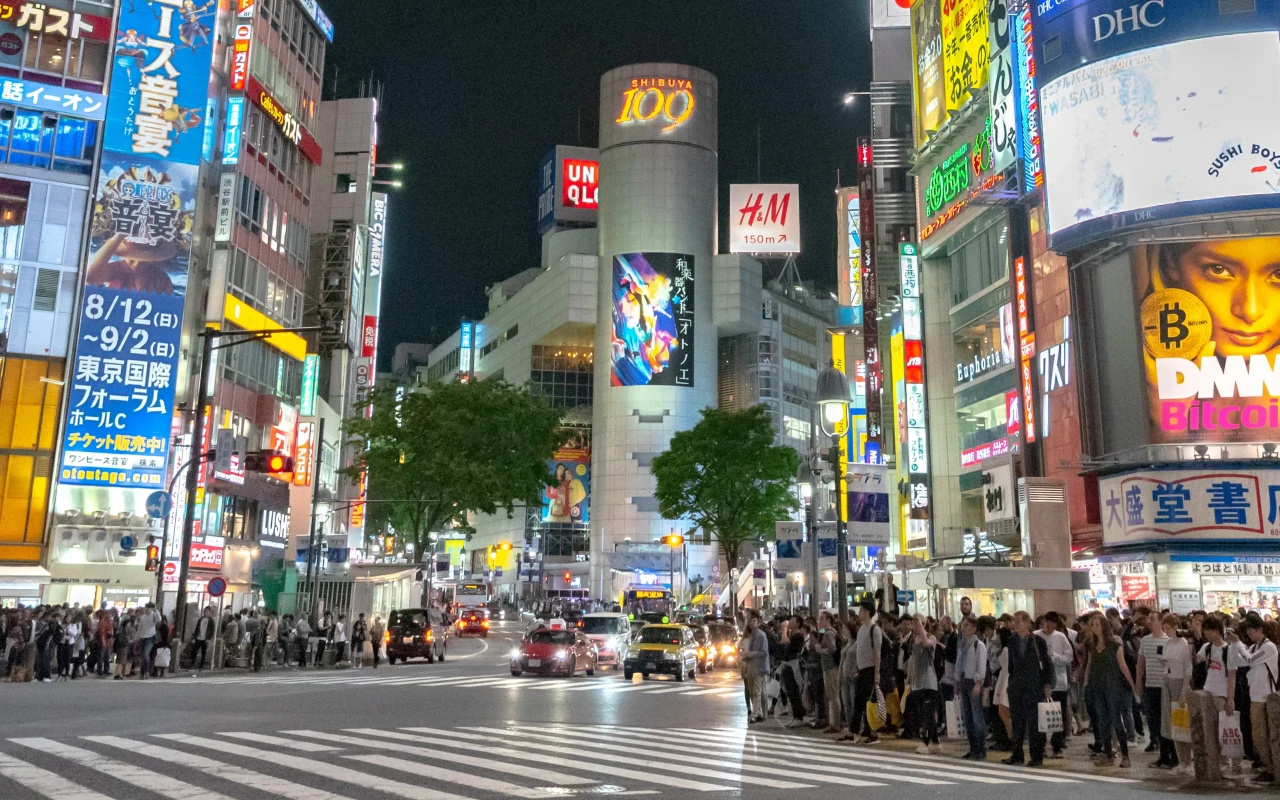
Claim to Fame
The Shibuya Crossing is world-famous for its dazzling scramble of pedestrians, vibrant lights, and a unique urban energy that epitomizes the dynamic spirit of Tokyo, making it one of the busiest intersections on the globe.
📌 Navigating Shibuya Crossing : Answers to Frequently Asked Questions
- Washrooms: Public washrooms are available in nearby shopping centers and parks, but not directly at the crossing itself.
- Hours of Operation: Shibuya Crossing is open 24 hours a day, with peak pedestrian traffic during the day and evening.
- Important Information: Be mindful of the traffic signals and pedestrian lights when crossing, as it can get extremely busy.
- Admission Fee: There is no admission fee to experience Shibuya Crossing, as it is a public space.
- How Long to Visit: A visit to Shibuya Crossing typically takes around 30 minutes to an hour, depending on the time spent exploring the area.
- Parking: There is limited parking available in the vicinity of Shibuya Crossing, primarily in nearby commercial buildings.
- Family Friendly: The area is family-friendly, offering a vibrant atmosphere and nearby attractions suitable for children.
- Photography: Photography opportunities abound, especially during peak pedestrian traffic, providing dynamic urban shots.
- WIFI: Free public Wi-Fi is available in some areas around Shibuya, including nearby cafes and restaurants.
- Picnic Area: There are no designated picnic areas directly at Shibuya Crossing, but nearby parks offer suitable spots for picnicking.
- Handicap Accessible: Shibuya Crossing is generally accessible for individuals with mobility impairments, with ramps and designated paths.
- Pets: Pets are not allowed in the pedestrian crossing area; however, they are permitted in some nearby parks on a leash.
- Guided Tours: Guided tours are available that include the crossing as part of broader tours of Shibuya and its attractions.
- Restaurant or Cafe: Numerous restaurants and cafes are located in close proximity to Shibuya Crossing, offering a variety of dining options.
- Gift Shop: There are several gift shops in the surrounding area where visitors can purchase souvenirs and local products.
📌Heads up: All times, prices and visitor policies are subject to change without notice. Please check the official website for the most recent information.
Photos of Shibuya Crossing
What to Expect
At the Shibuya Crossing, the allure begins the moment you arrive. As the traffic lights turn red, a sea of people surges forward from all directions, creating an exhilarating blend of movement and chaos. You can expect to see office workers, tourists, and students merging together, all part of a mesmerizing flow that can feel both overwhelming and exhilarating at once. The iconic view from the nearby Shibuya Station or the surrounding high-rise buildings provides a perfect vantage point to appreciate the intricate choreography of human movement. The atmosphere shifts as day turns to night; illuminated billboards and neon lights cast an electric glow over the bustling scene. The juxtaposition between the modernity of the skyscrapers and the historical elements of Shibuya creates a unique urban landscape that is emblematic of Tokyo's willful blending of the old and the new. Music wafts through the air, adding to the sensory experience as you lose yourself in the vibrant culture surrounding this renowned intersection. The surrounding area offers a plethora of attractions waiting to be explored. Adjacent to the crossing, you will find trendy shops, eclectic dining options, and significant cultural landmarks that provide insight into the heart of Japanese society. After witnessing the crossing, many travelers delight in stopping by the famed Hachiko statue, a tribute to the loyal dog who waited for his owner for years at the station, further enriching your Shibuya experience.Background and Cultural Context
Shibuya Crossing, often cited as the world's busiest pedestrian crossing, has its origins in the post-war era when Tokyo underwent rapid reconstruction and modernization. The intersection gained its iconic status as it became a central hub for youth culture, embodying the vibrancy and resilience of Tokyo's urban spirit. Over the decades, it has evolved into a symbol of Japan's fast-paced lifestyle and modernity. The surrounding area of Shibuya is not just a commercial hotspot; it is culturally significant, representing the youth-oriented fashion and entertainment of Japan. From the enchanting boutiques of Shibuya 109 to the eclectic arcades and cafés, this neighborhood pulses with energy that attracts millions each year, making it a focal point for cultural exchange and social trends. The convergence of disparate elements, such as contemporary art installations amidst traditional cuisine, embodies the complexities of Tokyo's identity. Moreover, Shibuya's significance extends beyond commerce and culture; it serves as a meeting point where locals and visitors alike share experiences and immerse themselves in the thrill of urban life. Whether it’s participating in the ritualistic dash across the crossing or savoring some of the best ramen in the city's back streets, each moment in Shibuya offers a glimpse into the nuances of Japanese society whilst fostering connections among its diverse inhabitants.Best Time to Visit
The best time to experience Shibuya Crossing largely depends on what you seek from your visit. If you thrive in a vibrant atmosphere, late evening provides a spectacular view of the illuminated signs and bustling crowds, with the excitement of nightlife drawing in even larger groups of pedestrians. Weekends tend to bring an energetic crowd, making it an ideal time to soak in the lively spirit of Shibuya, while weekdays provide a slightly less chaotic experience for those who prefer a more serene encounter. Spring (March to May) holds a special charm, as cherry blossoms begin to bloom around the city, adding a stunning backdrop to this urban landscape. This seasonal beauty entices both locals and travelers alike, blending nature with the modernity of the bustling streets. Conversely, fall (September to November) offers a different appeal with vivid autumn colors framing the scene and cooler temperatures that encourage leisurely strolls through the vibrant streets after crossing. Regardless of the time of year, it's crucial to check local events or festivals that might enhance your experience. Shibuya often hosts seasonal festivities, showcasing traditional performances or modern pop culture, enriching your visit with unforgettable memories and a deeper understanding of local customs. Each season at Shibuya Crossing presents a different facet of Tokyo's life, allowing visitors to form their unique connections with this iconic urban space.How to Get There
Reaching Shibuya Crossing is a straightforward journey, thanks to Tokyo's extensive and efficient public transportation system. The most convenient access point is Shibuya Station, which is served by multiple train lines, including the JR Yamanote Line, the Tokyo Metro Ginza Line, and the Hanzomon Line. Upon exiting the station, follow the signs that indicate "Hachiko Exit," and you will soon find yourself enveloped in the energy of the crossing. If you prefer to explore on foot, the area is easily accessible from several nearby neighborhoods. You can take a leisurely stroll from Harajuku, soaking in the sights and sounds of the city as you pass through the trendy streets filled with fashion-forward boutiques and cafes. Alternatively, if you’re coming from Shinjuku, a quick ride on the JR Yamanote Line will have you arriving at Shibuya Station in just a few minutes. For tourists who prefer to travel by taxi or rideshare, Shibuya is a well-visited destination, so you shouldn't have trouble finding a vehicle. However, be aware that traffic can be heavy during peak hours, and parking is limited. For a unique experience, consider trying a bicycle; many rental services are available in the area, allowing you to navigate Tokyo's bustling streets at your own pace while enjoying the numerous sights along the way.Photo Opportunities
- From the top of Shibuya Scramble Square, a breathtaking panoramic view of the crossing and city skyline.
- The Hachiko statue, capturing a poignant piece of Tokyo's history.
- Shibuya Crossing from ground level, with pedestrians artfully scattered across the intersection.
- Illuminated sparkles of neon lights reflecting in the puddles after a rain shower.
- Snapshots of the surrounding urban landscape, showcasing eclectic buildings and street art.
Travel Tips
- Visit during off-peak hours if you want to avoid the heaviest crowd, preferably early morning or late evening.
- Make sure to familiarize yourself with the layout of Shibuya Station before arrival to navigate easily.
- Consider downloading a translation app to help with communication if needed.
- Wear comfortable shoes, as exploring the area involves a fair bit of walking.
- Stay aware of your surroundings and keep your belongings secure, especially in crowded areas.