Claim to Fame
The Senso-ji Temple in Asakusa is renowned as Tokyo’s oldest temple, captivating visitors with its richly layered history, vibrant atmosphere, and the iconic Kaminarimon Gate that heralds the entrance to this sacred site.
📌 Navigating Senso-ji Temple in Asakusa : Answers to Frequently Asked Questions
- Washrooms: Public washrooms are available on-site for visitor convenience.
- Hours of Operation: The temple is open 24 hours, but the main hall and some facilities may have specific operating hours.
- Important Information: Visitors are encouraged to respect local customs and traditions while exploring the temple.
- Admission Fee: Admission to Senso-ji Temple is free of charge, but some attractions within may have fees.
- How Long to Visit: A visit can take anywhere from 1 to 2 hours, depending on interest in exploring the area.
- Parking: Parking is limited in the area, but there are nearby paid parking lots available.
- Family Friendly: The temple is family-friendly, offering a spacious environment and cultural experiences suitable for all ages.
- Photography: Photography is permitted throughout the temple grounds, but visitors should be respectful of worshippers.
- WIFI: Free Wi-Fi is accessible in some areas around Senso-ji and in nearby cafes.
- Picnic Area: There is no designated picnic area within the temple grounds, but nearby parks may accommodate picnicking.
- Handicap Accessible: Senso-ji Temple is handicap accessible, with ramps and pathways for easier navigation.
- Pets: Pets are not allowed within the temple grounds to maintain the sanctity of the site.
- Guided Tours: Guided tours are available and provide insightful information about the temple's history and significance.
- Restaurant or Cafe: There are several restaurants and cafes nearby offering traditional Japanese cuisine and snacks.
- Gift Shop: A gift shop is available, offering souvenirs, traditional crafts, and temple-related items.
📌Heads up: All times, prices and visitor policies are subject to change without notice. Please check the official website for the most recent information.
Photos of Senso-ji Temple in Asakusa
What to Expect
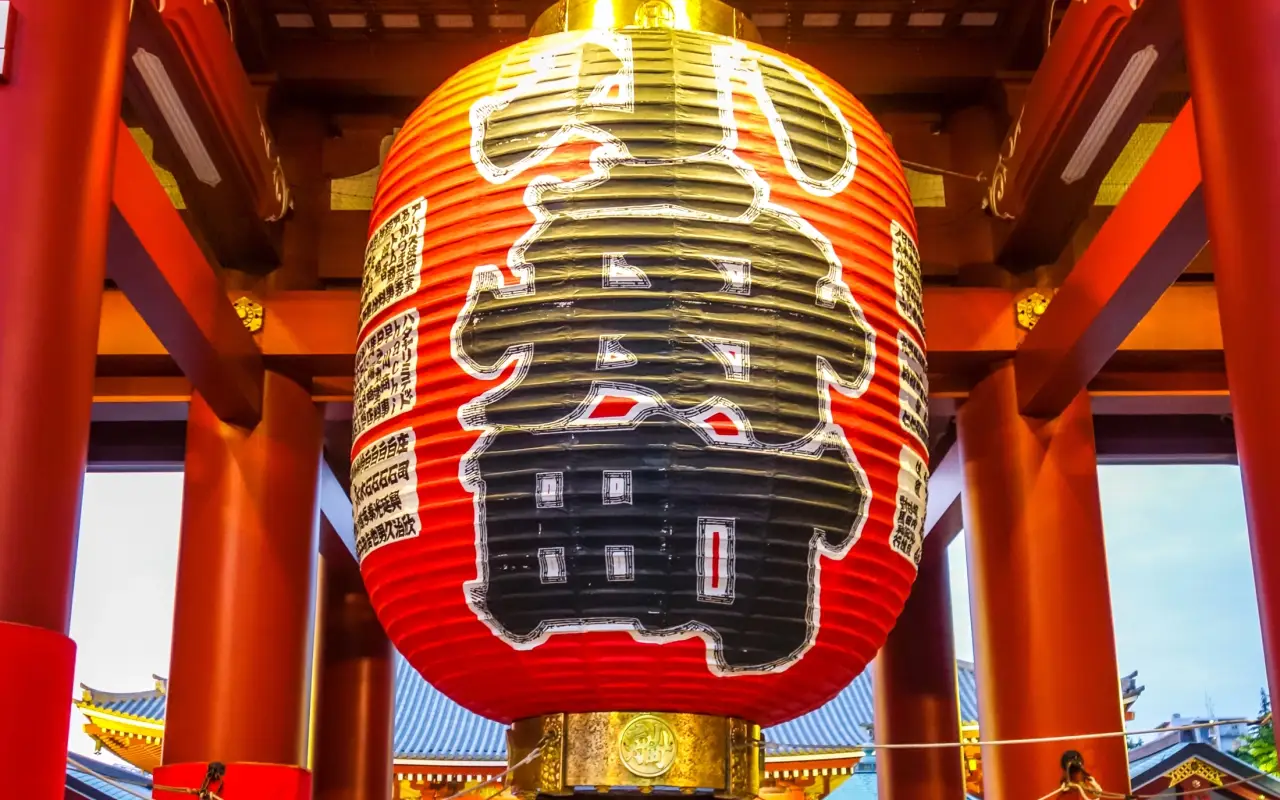
As you approach Senso-ji Temple, you will be greeted by the striking Kaminarimon Gate, adorned with a massive red lantern that beckons travelers from all corners of the world. This entrance not only serves as a passage to the temple but also acts as a vibrant focal point for photography enthusiasts eager to capture the spirit of Tokyo. As you step through the gate, the bustling Nakamise Street unfolds before you, lined with dozens of shops selling traditional snacks, souvenirs, and crafts, inviting you to indulge in both culinary delights and local craftsmanship. The temple complex itself is a serene oasis in stark contrast to the frenetic energy of Tokyo. The main hall, or Hondo, is where visitors can offer prayers and light incense. The smell of burning incense wafts through the air, enhancing the atmosphere of reverence. As you stand in the courtyard, take a moment to reflect on the centuries of devotion and history that have flowed through this majestic space. Witnessing the interactions between locals and tourists alike adds a layer of vibrancy, making it a living hub of cultural exchange. Senso-ji also hosts vibrant festivals throughout the year, notably the Sanja Matsuri in May, where the energy of the community spills over in parades and traditional performances. Whether during a festival or a quiet weekday morning, you will find an enchanting blend of spirituality and day-to-day life, providing insights into the enduring traditions of Japanese culture. Expect to be immersed in a timeless atmosphere where past and present coexist harmoniously.Background and Cultural Context
Senso-ji Temple was founded in the year 628, making it a cornerstone of Tokyo’s spiritual and cultural heritage. Legend has it that two fishermen discovered a statue of Kannon, the Goddess of Mercy, in the Sumida River, and the temple was built in her honor. The dedication to Kannon remains a central aspect of the temple's significance, attracting pilgrims seeking solace and healing. The temple complex has undergone numerous changes due to fire and war over the centuries. Despite its modern reconstructions, Senso-ji has retained its historical essence, reflecting the resilience and adaptability of Japanese culture. Notably, the reestablishment of the temple after World War II serves as a testament to the city’s recovery and commitment to preserving its heritage. The temple grounds are adorned with traditional architecture that speaks to the artistic endeavors of bygone eras, allowing visitors an intimate glimpse into Japan's rich past. In addition to its historical importance, Senso-ji Temple is deeply interwoven with the cultural fabric of Asakusa. The surrounding district has been a hub of commerce and community gatherings for generations. As such, Senso-ji attracts not only tourists but also locals celebrating life’s milestones, conducting festivals, and participating in seasonal rituals. It serves as a reminder of the enduring connection between the past and the present in Japanese society.Best Time to Visit
The ideal time to visit Senso-ji Temple is undoubtedly during the spring and autumn months when the weather is pleasantly mild, and the natural scenery is at its most breathtaking. During spring, cherry blossoms burst into bloom, creating a picturesque backdrop that enhances the temple's beauty. The blossoms attract visitors and local families seeking to relish hanami, the art of cherry blossom viewing, in close proximity to the historic temple. Autumn, with its vivid foliage, offers another enchanting experience. The changing colors of the leaves create a stunning display that frames the temple beautifully. Visitors can savor seasonal festivals, including the Asakusa Culture and Tourism Center's harvest events, making it a culturally rich time to explore the area. Early mornings and late afternoons during these seasons also present an opportunity for quieter visits, allowing for contemplative exploration without the dense crowds. While the winter season sees fewer visitors, the serene atmosphere blanketed by soft snow can be quite magical. Visiting Senso-ji Temple in winter allows for reflective moments of solitude, enhanced by the crisp air and the gentle hush that descends upon the grounds. Regardless of when you visit, Senso-ji Temple offers a timeless experience that resonates deeply with the spirit of Tokyo.How to Get There
Reaching Senso-ji Temple is a straightforward journey whether you are starting from Tokyo Station or another part of the city. The temple is conveniently accessible via the Tokyo Metro Ginza Line, which takes you directly to Asakusa Station. Upon arrival, a short walk will lead you to the entrance of Senso-ji, where you can feel the allure of the temple’s grandeur even before crossing the iconic Kaminarimon Gate. Alternatively, if you prefer a more scenic route, consider taking a cruise along the Sumida River. Several ferry companies operate services that depart from various points in Tokyo and glide gracefully toward Asakusa. This waterway journey grants stunning views of the city's skyline and offers a unique perspective on the juxtaposition of traditional sites against the modern backdrop. Just as the fishermen who discovered the Kannon statue once navigated these waters, you too can experience the temple's arrival from a different angle. Overall, navigating your way to Senso-ji Temple is both efficient and rewarding, promising a seamless initiation into the heart of Asakusa's cultural richness.Photo Opportunities
- Kaminarimon Gate with its iconic red lantern
- Nakamise Street bustling with local vendors
- The main hall (Hondo) against a clear blue sky
- Lord Buddha statue inside the temple
- Serene temple courtyard with worshippers
- Seasonal decorations during festivals or celebrations
- Nighttime shots of the illuminated temple grounds
Travel Tips
- Visit early in the morning or on weekdays for a quieter experience.
- Respect local customs, including removing shoes when entering worship areas.
- Try the local snacks along Nakamise Street, particularly the ningyo-yaki (sweet cakes filled with red bean paste).
- Consider learning a few basic Japanese phrases to enhance your interaction with locals.
- Dress modestly to honor the temple’s spiritual significance.