Claim to Fame
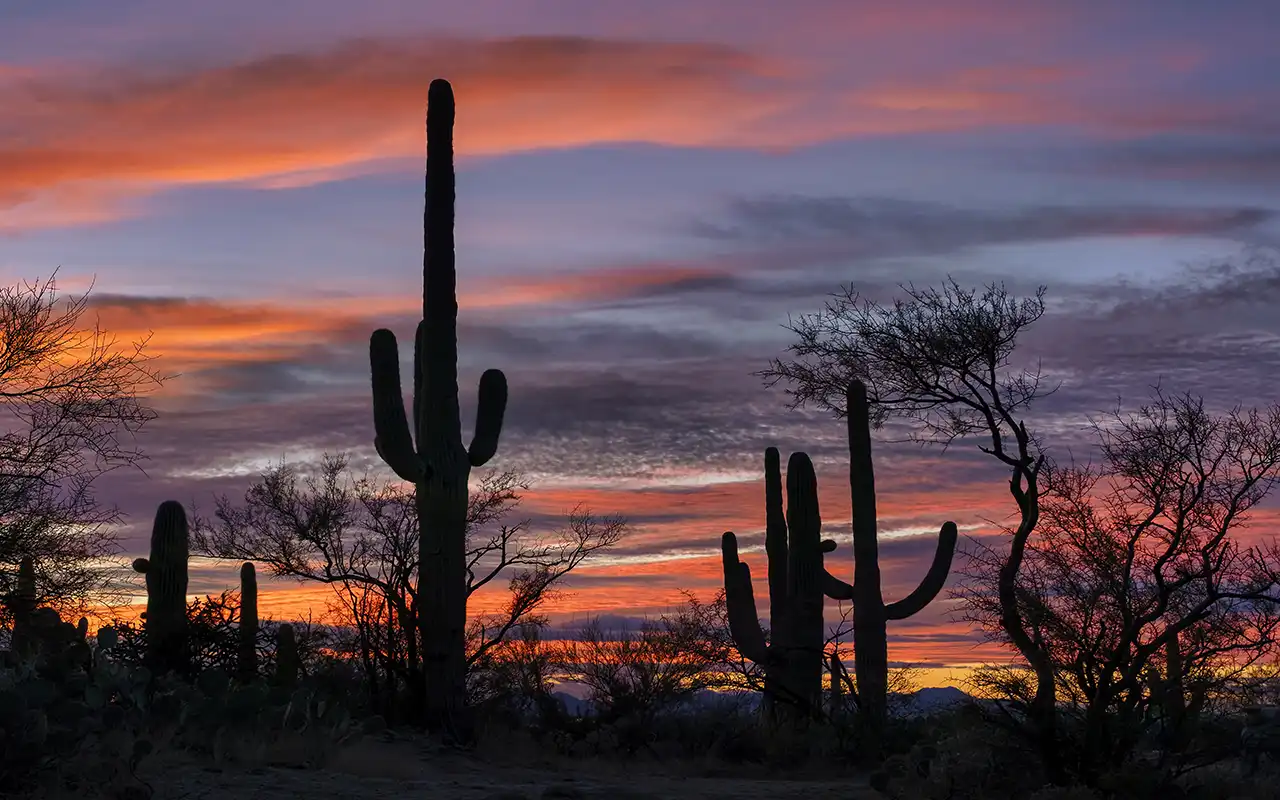
The Saguaro National Park is world-renowned for its towering saguaro cacti, magnificent desert landscapes, and rich biodiversity, offering visitors an immersive experience in the serene beauty of the Sonoran Desert.
📌 Navigating Saguaro National Park : Answers to Frequently Asked Questions
- Washrooms: Washrooms are available at the visitor centers and some picnic areas throughout the park.
- Hours of Operation: Saguaro National Park is open year-round, with visitor centers typically operating from 9 AM to 5 PM.
- Important Information: It is important to stay hydrated, wear sun protection, and be aware of desert wildlife while visiting Saguaro National Park.
- Admission Fee: Admission fees are charged per vehicle, with annual passes also available for frequent visitors.
- How Long to Visit: Most visitors spend 2 to 4 hours exploring the park, depending on the trails and activities chosen.
- Admission Fee: Admission fees are charged per vehicle, with annual passes also available for frequent visitors.
- How Long to Visit: Most visitors spend 2 to 4 hours exploring the park, depending on the trails and activities chosen.
- Washrooms: Washrooms are available at the visitor centers and some picnic areas throughout the park.
- Hours of Operation: Saguaro National Park is open year-round, with visitor centers typically operating from 9 AM to 5 PM.
- Important Information: It is important to stay hydrated, wear sun protection, and be aware of desert wildlife while visiting Saguaro National Park.
- Parking: Saguaro National Park offers several designated parking areas at both the East and West districts, accommodating visitors with easy access to trailheads.
- Family Friendly: The park is family-friendly, featuring easy trails and educational programs suitable for children.
- Photography: Saguaro National Park is a popular destination for photography, offering stunning landscapes and unique desert flora, especially at sunrise and sunset.
- WIFI: Wi-Fi is not available within the park; visitors should plan accordingly before arrival.
- Picnic Area: Designated picnic areas are available within the park, equipped with tables and trash disposal for visitors.
- Handicap Accessible: Many areas of Saguaro National Park are handicap accessible, including some trails and visitor facilities.
- Pets: Pets are allowed in the park but must be kept on a leash and are restricted to certain areas, primarily along roads and in campgrounds.
- Guided Tours: Guided tours are available through the park's visitor centers and may include ranger-led hikes and educational talks.
- Restaurant or Cafe: There are no restaurants or cafes within the park, but nearby towns offer dining options.
- Gift Shop: The park has a gift shop located at the visitor center, offering souvenirs, books, and educational materials.
- Handicap Accessible: Many areas of Saguaro National Park are handicap accessible, including some trails and visitor facilities.
- Pets: Pets are allowed in the park but must be kept on a leash and are restricted to certain areas, primarily along roads and in campgrounds.
- Guided Tours: Guided tours are available through the park's visitor centers and may include ranger-led hikes and educational talks.
- Restaurant or Cafe: There are no restaurants or cafes within the park, but nearby towns offer dining options.
- Gift Shop: The park has a gift shop located at the visitor center, offering souvenirs, books, and educational materials.
- Parking: Saguaro National Park offers several designated parking areas at both the East and West districts, accommodating visitors with easy access to trailheads.
- Family Friendly: The park is family-friendly, featuring easy trails and educational programs suitable for children.
- Photography: Saguaro National Park is a popular destination for photography, offering stunning landscapes and unique desert flora, especially at sunrise and sunset.
- WIFI: Wi-Fi is not available within the park; visitors should plan accordingly before arrival.
- Picnic Area: Designated picnic areas are available within the park, equipped with tables and trash disposal for visitors.
📌Heads up: All times, prices and visitor policies are subject to change without notice. Please check the official website for the most recent information.
Photos of Saguaro National Park
What to Expect
At Saguaro National Park, visitors will find themselves surrounded by a stunning desert panorama teeming with life. The park is divided into two districts: the Tucson Mountain District to the west and the Rincon Mountain District to the east, each showcasing unique ecosystems and breathtaking views. The iconic saguaro cactus, with its tall, spindly arms stretching towards the sky, dominates the landscape, providing a striking visual that has become synonymous with the American Southwest. While hiking along expansive trails that meander through sun-soaked terrain, travelers will encounter a variety of flora and fauna unique to the Sonoran Desert. Expect to see creosote bushes, ocotillo plants, and diverse wildflowers that bloom during the warmer months, creating a captivating contrast against the arid backdrop. The rich animal life also includes species such as road runners, jackrabbits, and the elusive desert tortoise, each adding to the park's vibrant ecosystem. Observing these creatures in their natural habitat is a rewarding experience for nature enthusiasts. Visitors are encouraged to explore the park's extensive trail system, which offers hikes ranging from leisurely strolls to challenging treks. These trails reveal hidden gems like ancient petroglyphs and scenic vistas that overlook sprawling desert valleys. Nature lovers will immerse themselves in the tranquility of the surroundings, with the hypnotic dance of sunlight filtering through the cacti providing a restorative atmosphere perfect for reflection and inspiration.Background and Cultural Context
Saguaro National Park covers over 91,000 acres and was designated as a national monument in 1933, later becoming a national park in 1994 to preserve its incredible biodiversity and cultural history. The saguaro cactus itself is a symbol of the American Southwest and can live between 50 to 70 years, with some reaching heights of up to 40 feet. These majestic giants provide a habitat for various bird species, such as the Gila woodpecker and the peregrine falcon, who rely on the saguaro’s flesh and cavities for nesting and sustenance. Indigenous peoples have inhabited the region for thousands of years, using the land's resources for their survival and cultural practices. The Tohono O'odham Nation, for instance, has deep-rooted ties to the saguaro cactus, considering it a vital source of food, shelter, and materials for tools. The annual harvest of the saguaro fruit remains a significant event, showcasing the connection between the land and the culture that thrives within it. Over the decades, Saguaro National Park has become not just a haven for wildlife, but also an educational hub for those interested in the conservation of desert ecosystems. It offers various visitor centers where guests can engage with park rangers, learn about the delicate balance of desert habitats, and understand the importance of preserving such unique landscapes for future generations. The park is not only a natural wonder but also a living history of the profound relationship between people and the desert environment.Best Time to Visit
The ideal time to explore Saguaro National Park is during the spring and fall months when temperatures are mild and the natural beauty is in full bloom. Springtime, typically from March to May, unveils a spectacular array of wildflowers and vibrant desert landscapes that are both delightful and photogenic. This season allows visitors to witness the awe-inspiring transformation of the desert as it awakens from its winter slumber. Alternatively, fall (September to November) provides pleasant weather, with cooler temperatures perfect for hiking and outdoor activities. During this time, the park hosts the annual Tucson Gem and Mineral Show, attracting artisans and buyers from around the globe to celebrate the rich geological beauty of the region. Visitors can partake in various cultural experiences and appreciate the natural resources that Saguaro National Park offers. Summer months can be extremely hot, with temperatures often soaring above 100°F (38°C). While early morning or late afternoon hikes may still be enjoyable, travelers should remain cautious of the heat, carry ample water, and dress in lightweight, breathable clothing. Winter brings cooler temperatures, which may be ideal for some, but cold nights can catch unprepared visitors off guard. Ultimately, timing your visit to coincide with pleasant weather will certainly enhance the experience.How to Get There
Saguaro National Park is conveniently located near Tucson, Arizona, making it accessible for both local and out-of-state travelers. The park can be reached by car, with the main entrance to the Tucson Mountain District situated approximately 20 miles west of downtown Tucson. Visitors can take I-10 to the 22nd Street exit and follow signs toward the park. The Rincon Mountain District is accessible from the eastern side of Tucson via Speedway Boulevard. For those flying in, Tucson International Airport serves as the nearest airport, offering a range of domestic flights. Once you arrive, renting a vehicle is highly recommended to navigate the park and explore surrounding attractions at your own pace. Public transportation options may be limited, so having a car provides the flexibility to visit both districts and ample opportunities to capture the enchanting desert scenery. Additionally, be sure to check for any park alerts or seasonal closures before your visit. The park's website provides up-to-date information and resources for planning your trip. Whether you're embarking on a spontaneous getaway or an extensive road trip through the Southwest, Saguaro National Park is easily accessible and well worth the journey.Photo Opportunities
- Iconic saguaro cacti at sunrise or sunset for breathtaking silhouettes.
- Animal sightings, particularly the majestic desert tortoise and vibrant bird species.
- Scenic vistas from various lookout points along the hiking trails.
- Wildflower blooms in spring, adding color and life to the desert landscape.
- Historic petroglyphs carved into rock faces that tell the stories of the region's early inhabitants.
Travel Tips
- Always carry plenty of water, especially during warmer months, to stay hydrated.
- Wear sturdy hiking boots to navigate rocky trails comfortably.
- Plan your hikes early in the morning or later in the afternoon to avoid the harsh midday sun.
- Be mindful of park regulations to protect the delicate ecosystems.
- Download a trail map in advance to ensure you can navigate the extensive trail system.
FAQs
What should I wear while visiting Saguaro National Park?Dress in lightweight, breathable clothing to stay cool under the sun. Sturdy hiking boots are essential for navigating the trails, and don’t forget a hat and sunscreen to protect against the desert sun. Is there an entrance fee for Saguaro National Park?
Yes, Saguaro National Park charges an entrance fee, which covers both districts. Annual passes are also available for frequent visitors, and it’s advisable to check for current pricing and options online before your visit.