Claim to Fame
Point Pelee National Park is renowned for its unique position as Canada’s southernmost point, boasting stunning biodiversity, expansive marshlands, and tranquil beaches, making it a must-visit destination for nature lovers.
📌 Navigating Point Pelee National Park : Answers to Frequently Asked Questions
- Admission Fee: Admission fees for Point Pelee National Park vary by season and can be paid at the entrance or online.
- How Long to Visit: Visitors typically spend 2 to 4 hours exploring the park, depending on activities and interests.
- Washrooms: Washrooms are available at the visitor center and at various points throughout the park for visitor convenience.
- Hours of Operation: The park is open year-round, but hours of operation may vary seasonally, with extended hours in peak summer months.
- Important Information: Important information includes checking for seasonal updates, trail conditions, and wildlife advisories before your visit.
- Handicap Accessible: The park is generally handicap accessible, with paved pathways and facilities designed for easy navigation.
- Pets: Pets are allowed in designated areas of the park but must be leashed and cleaned up after at all times.
- Guided Tours: Guided tours are available, often led by knowledgeable park staff, focusing on the area's natural history and wildlife.
- Restaurant or Cafe: There is a cafe located at the visitor center offering light meals, snacks, and refreshments.
- Gift Shop: A gift shop at the visitor center sells park-related souvenirs, educational materials, and local crafts.
- Parking: Point Pelee National Park offers several parking lots, including accessible spaces, located near the visitor center and main attractions.
- Family Friendly: Point Pelee is family-friendly, featuring educational programs and activities suitable for children of all ages.
- Photography: The park is a popular spot for photography, particularly for birdwatching and capturing stunning landscapes.
- WIFI: Free public Wi-Fi is available at the visitor center but is limited throughout the park.
- Picnic Area: Picnic areas are available throughout the park, providing tables and scenic views for visitors to enjoy their meals.
📌Heads up: All times, prices and visitor policies are subject to change without notice. Please check the official website for the most recent information.
Photos of Point Pelee National Park
What to Expect
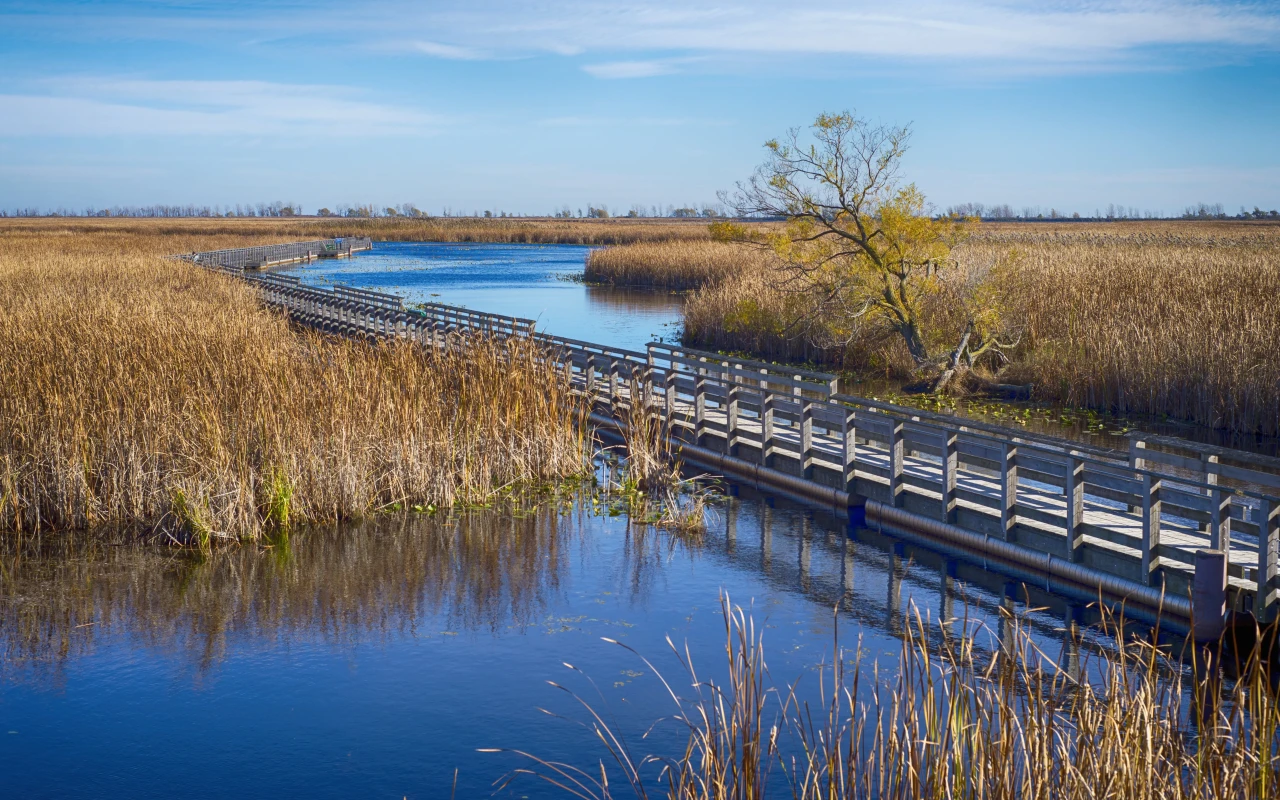
As you venture into Point Pelee National Park, prepare to immerse yourself in a landscape that exhibits a remarkable blend of ecosystems. The park encompasses over 15 kilometers of well-maintained trails, guiding visitors through diverse habitats that range from lush forests to serene wetlands. Each step unveils a new vista—tall trees arching over meandering paths, vibrant wildflowers bravely poking through the undergrowth, and the soothing sounds of water gently lapping against the sandy shores of Lake Erie. Birdwatchers will find themselves particularly enchanted during the spring and autumn migrations, with the park often dubbed a bird lover’s paradise. Over 360 species of birds, including the strikingly vivid warblers and elegant shorebirds, can be spotted as they pause during their journeys. The park’s unique geographical position also attracts a variety of butterfly species, creating a symphony of colors that dance through the air. You might even catch sight of migrating monarchs fluttering among the milkweed. In addition to the natural wonders, Point Pelee offers educational programs and exhibits that delve into the intricacies of the local ecosystem. From guided nature walks to engaging workshops led by knowledgeable park staff, visitors can deepen their understanding of the area’s flora and fauna, fostering a greater appreciation for this ecological treasure.Background and Cultural Context
Established in 1918, Point Pelee is one of Canada’s oldest national parks, created not only to protect its fragile ecosystems but also to preserve the rich cultural history of the area. The land has been inhabited for thousands of years, with Indigenous communities having relied on its resources long before European settlers arrived. The region’s historical narratives are steeped in tales of the Pottawatomi people, whose connection to the land is celebrated through local lore and cultural heritage programs. The park is also an important archaeological site, with evidence of prehistoric human presence discovered within its bounds. Artifacts unearthed in the area offer a glimpse into the lives of the early inhabitants who navigated the same trails and waterways, attuned to the rhythms of nature. As a visitor, you may find it rewarding to learn about these stories and the efforts to maintain the cultural integrity of Indigenous presence within the park. Today, Point Pelee National Park stands as a testament to conservation efforts that span over a century. Its continued protection reflects a growing awareness of the fragility of natural ecosystems, and it serves as a reminder of the importance of preserving our environment for future generations. This blend of cultural and natural significance makes a visit not just an outdoor adventure, but a journey through time.Best Time to Visit
The ideal time to visit Point Pelee National Park largely depends on the experiences you wish to seek. Spring emerges as a particularly enchanting season, heralding the return of migrating birds and bustling wildlife awakening from winter slumber. Late April to early June offers birdwatchers a chance to witness the vibrant spectacle of migration. The park bustles with activity as voluminous flocks of warblers and other migratory species fill the skies. Summer transforms the landscape into a lively tableau. From mid-June to August, the park’s flora is in full bloom, attracting an array of butterflies and offering visitors a dazzling array of colors. It’s a perfect time for picnics on the sandy shores and enjoying sunset views over Lake Erie. However, be prepared for warmer temperatures and greater crowds, especially during peak summer weekends. Autumn presents yet another transformative phase, with the foliage bursting into spectacular hues of red, orange, and gold. The migratory season continues, providing another opportunity for birdwatchers and photographers alike to capture the seasonal spectacle against a beautifully painted backdrop. Visiting during this time not only treats the senses but also allows for a quieter experience as many summer visitors depart.How to Get There
Point Pelee National Park is conveniently located near the town of Leamington, Ontario, on the southwestern tip of Canada. For those traveling by car, the park is easily accessible via Highway 401. From Toronto, it’s approximately a two-and-a-half-hour drive, while those coming from Windsor can expect a roughly 45-minute journey. Signs are clearly posted along the main highways, guiding you to the park entrance, where friendly staff await to assist with any inquiries. If you opt for public transportation, take the train to Windsor, then utilize local bus services to reach Leamington and subsequently Point Pelee. While the journey may require a bit more planning, it provides an opportunity to take in the scenic landscapes of southwestern Ontario. For visitors coming from further afield, the nearest major airport is Detroit Metropolitan Airport, just over an hour away, providing a plethora of flight options. Once at the park, parking is available near the visitor center, which serves as a convenient starting point for your explorations. Take advantage of the well-marked trails and visitor amenities as you set off to discover the diverse ecosystems and breathtaking vistas that await you.Photo Opportunities
- The stunning sunrises and sunsets over Lake Erie.
- Close-ups of unique flora, particularly during the spring bloom.
- Birdwatching moments, especially during migration seasons.
- Scenic vistas from the various lookout points within the park.
- The historical lighthouse, a prominent landmark against the azure sky.
Travel Tips
- Wear comfortable walking shoes to fully enjoy the extensive trails.
- Bring binoculars and a bird guide for optimal birdwatching opportunities.
- Pack a picnic to savor alongside the tranquil beach areas.
- Plan your visit around the annual spring and fall migrations for best wildlife viewing.
- Consider visiting on weekdays to avoid larger weekend crowds.