Claim to Fame
Mount Sinai is one of the most spiritually significant sites in the world—revered in Christianity, Judaism, and Islam as the place where Moses received the Ten Commandments. A sunrise climb offers breathtaking views and deep symbolic resonance.
📌 Navigating Climb Mount Sinai : Answers to Frequently Asked Questions
- Washrooms: Washrooms are available at the base of the mountain, but facilities are minimal on the trail.
- Hours of Operation: The area is open year-round, though the best times to visit are early morning or late afternoon for cooler temperatures.
- Important Information: It is advisable to wear sturdy footwear, carry plenty of water, and check weather conditions before your hike.
- Admission Fee: There is no admission fee to climb Mount Sinai, but donations to maintain trails and facilities are appreciated.
- How Long to Visit: Visitors typically spend around 3 to 5 hours for the round trip, depending on the chosen trail and pace.
- Parking: Parking is available at the base of Mount Sinai, though it can fill up quickly during peak tourist seasons.
- Family Friendly: The climb is family-friendly, but younger children may require assistance on steeper sections of the trail.
- Photography: Photography opportunities abound, especially at sunrise and sunset, offering stunning views of the surrounding landscapes.
- WIFI: WIFI is generally not available on the mountain; visitors should prepare for limited connectivity.
- Picnic Area: Designated picnic areas are limited; visitors are encouraged to eat at the base before or after their climb.
- Handicap Accessible: The hiking trails to the summit are not fully handicap accessible due to uneven terrain and steep sections.
- Pets: Pets are not allowed on the trails to preserve the natural environment and ensure safety for all hikers.
- Guided Tours: Guided tours are available and recommended for those interested in the historical and religious significance of the area.
- Restaurant or Cafe: There are small refreshment stands at the base and summit, but no full-service restaurants or cafes.
- Gift Shop: A few gift shops can be found at the base offering local crafts and souvenirs related to the region.
Photos of Climb Mount Sinai
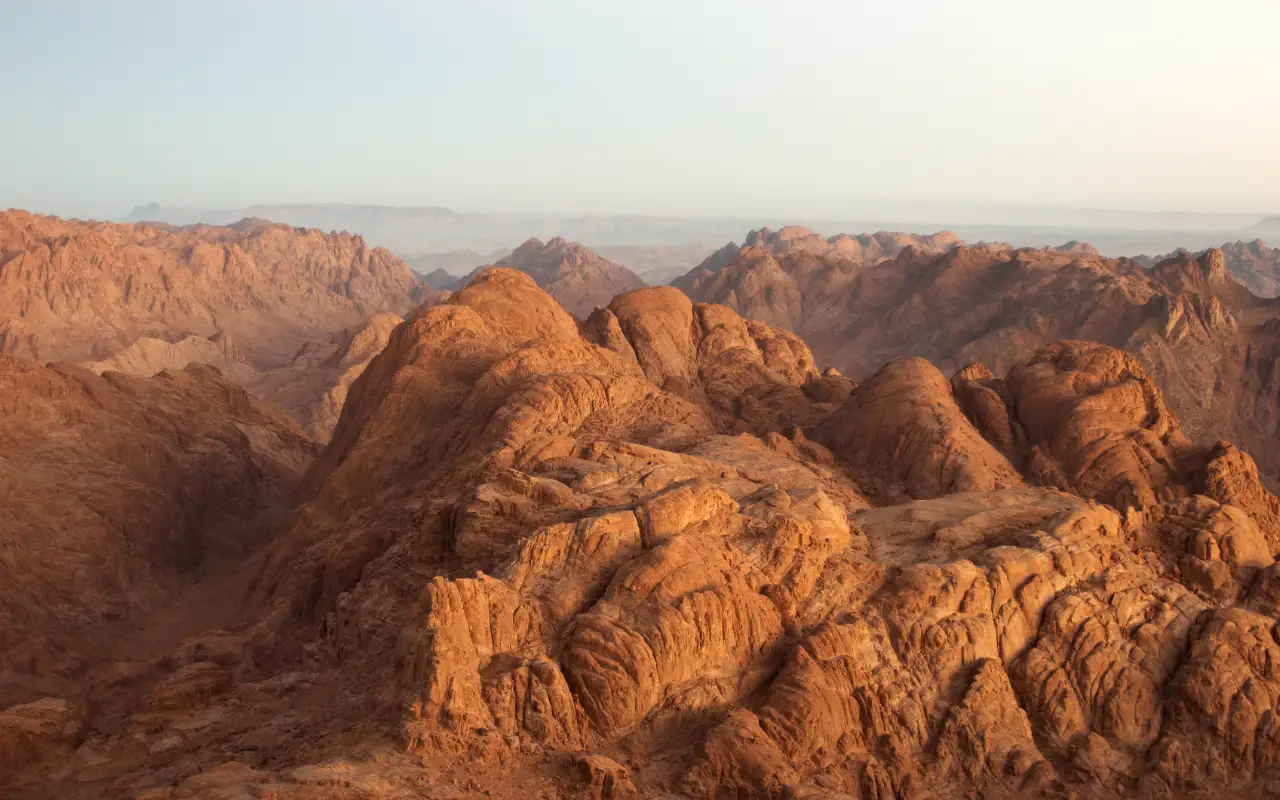
Located in Egypt’s rugged Sinai Peninsula, Mount Sinai rises 2,285 meters (7,497 feet) above sea level and draws pilgrims, hikers, and spiritual seekers from around the world. The trek to the summit—usually done overnight—culminates in a majestic sunrise above the surrounding peaks and desert valleys. Whether you come for religious reflection or natural beauty, Mount Sinai delivers an unforgettable experience steeped in history and awe.
What to Expect
Most climbs begin just after midnight to reach the summit in time for dawn. There are two main routes: the Camel Path (longer but easier) and the Steps of Repentance (steeper and more direct). Local Bedouin guides typically accompany groups, and camels are available for part of the ascent. Along the way, you’ll find rest huts offering tea and snacks. At the top, a small chapel and panoramic views greet climbers as the first rays of sunlight spill across the Sinai Mountains.
Background and Cultural Context
Mount Sinai, known locally as Jebel Musa ("Mountain of Moses"), is a cornerstone of Abrahamic religious tradition. The nearby St. Catherine’s Monastery, a UNESCO World Heritage Site, is one of the oldest working Christian monasteries in the world. The mountain’s sacred legacy and connection to divine revelation have made it a pilgrimage site for centuries, blending faith, history, and natural splendor in one remote landscape.
Best Time to Visit
The ideal seasons for climbing Mount Sinai are spring (March–May) and autumn (September–November), when temperatures are moderate. Summer climbs can be extremely hot during the day, while winter mornings can bring freezing temperatures and even snow. Dress in layers—nights on the mountain are chilly even in warmer months.
How to Get There
Mount Sinai is located near St. Catherine, a small town about 6 hours from Sharm El Sheikh by road. Most travelers join an organized overnight tour from Sharm, Dahab, or Cairo, which includes transportation, a local Bedouin guide, and optional stops at St. Catherine’s Monastery. Private taxis and minibuses are also available, though tours are the most convenient and reliable option.
Photo Opportunities
- Golden sunrise over the jagged peaks of the Sinai Mountains
- Silhouetted hikers ascending by headlamp under a starry sky
- Ancient stone chapel atop the summit with early morning mist
- Panoramic views from the ridge trail at first light
- Historic St. Catherine’s Monastery nestled at the mountain’s base
Travel Tips
- Bring a flashlight or headlamp—there’s no trail lighting during the night ascent.
- Wear hiking shoes with good grip; the Steps of Repentance are steep and uneven.
- Carry water, snacks, and small cash for rest huts or camel rides.
- Arrive a day early if possible to acclimate and rest before the hike.
- Respect local customs—modest dress is appreciated near the monastery and Bedouin guides.
FAQs
How long does the climb take?
The ascent typically takes 2.5 to 3.5 hours, depending on the route, pace, and weather.
Is it safe to climb Mount Sinai?
Yes—climbing Mount Sinai is generally safe and popular with tourists. Guided climbs with local Bedouins are the norm and enhance both safety and cultural understanding.
Do I need to be religious to enjoy the experience?
Not at all—while many visit for spiritual reasons, the dramatic landscape and sunrise views appeal to nature lovers and adventurers alike.
Final Thoughts
Climbing Mount Sinai is more than a hike—it’s a journey through sacred history, timeless landscapes, and personal reflection. As dawn breaks over the Sinai peaks and the desert awakens below, you’ll find the effort of the climb richly rewarded by both the view and the deeper meaning it holds.