Claim to Fame
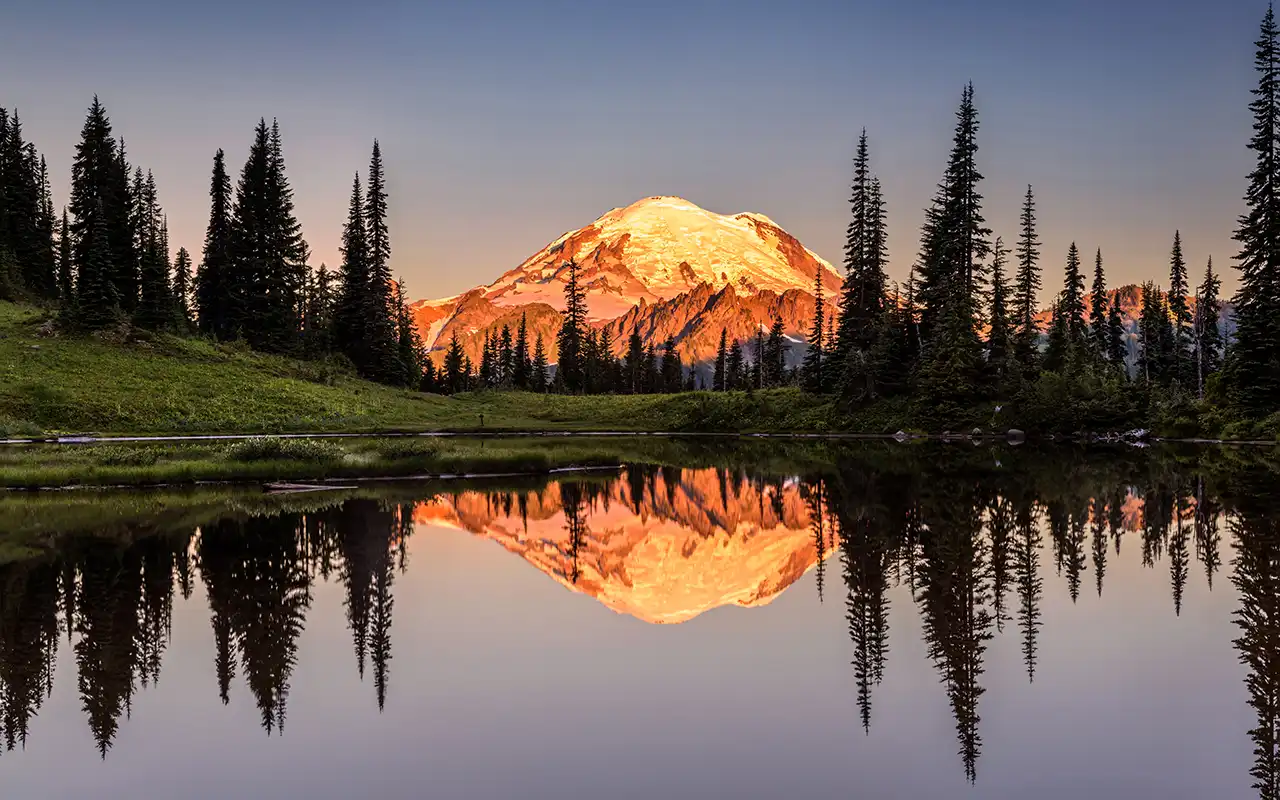
The breathtaking Mount Rainier National Park is renowned for its stunning alpine scenery, diverse ecosystems, and iconic volcanic peak that rises to 14,411 feet, making it a paradise for outdoor enthusiasts and nature lovers alike.
📌 Navigating Mount Rainier National Park : Answers to Frequently Asked Questions
- Washrooms: Washrooms are available at major visitor centers and picnic areas, but facilities may be limited in more remote locations.
- Hours of Operation: Mount Rainier National Park is open year-round, but facilities and access may vary seasonally, so check for specific hours.
- Important Information: Important information includes being aware of changing weather conditions, wildlife safety, and the need for permits for certain activities.
- Admission Fee: There is an entrance fee for the park, which can be paid per vehicle or via an annual pass, with rates subject to change.
- How Long to Visit: A visit to Mount Rainier can range from a few hours to several days, depending on activities and hiking plans.
- Admission Fee: There is an entrance fee for the park, which can be paid per vehicle or via an annual pass, with rates subject to change.
- How Long to Visit: A visit to Mount Rainier can range from a few hours to several days, depending on activities and hiking plans.
- Washrooms: Washrooms are available at major visitor centers and picnic areas, but facilities may be limited in more remote locations.
- Hours of Operation: Mount Rainier National Park is open year-round, but facilities and access may vary seasonally, so check for specific hours.
- Important Information: Important information includes being aware of changing weather conditions, wildlife safety, and the need for permits for certain activities.
- Picnic Area: Picnic areas are available throughout the park, equipped with tables and grills, providing scenic spots for outdoor meals.
- Handicap Accessible: Many areas of Mount Rainier National Park offer handicap accessibility, including some trails, restrooms, and visitor centers.
- Pets: Pets are allowed in designated areas, but must be leashed and are not permitted on most trails or in the backcountry.
- Guided Tours: Guided tours are available through various park services, including ranger-led programs and commercial tour operators.
- Restaurant or Cafe: There are several dining options within the park, including cafes and restaurants that offer local cuisine and seasonal menus.
- Gift Shop: Gift shops are located at visitor centers, offering a range of souvenirs, educational materials, and local crafts.
- Parking: Parking is available at various locations throughout the park, including visitor centers and trailheads, but may be limited during peak season.
- Family Friendly: The park is family-friendly, with numerous easy trails, educational programs, and ranger-led activities suitable for children.
- Photography: Mount Rainier is a popular destination for photography, offering stunning landscapes, wildflower meadows, and diverse wildlife.
- WIFI: Wi-Fi access is limited in the park; it is primarily available at visitor centers and may not be reliable.
- Restaurant or Cafe: There are several dining options within the park, including cafes and restaurants that offer local cuisine and seasonal menus.
- Gift Shop: Gift shops are located at visitor centers, offering a range of souvenirs, educational materials, and local crafts.
- Parking: Parking is available at various locations throughout the park, including visitor centers and trailheads, but may be limited during peak season.
- Family Friendly: The park is family-friendly, with numerous easy trails, educational programs, and ranger-led activities suitable for children.
- Photography: Mount Rainier is a popular destination for photography, offering stunning landscapes, wildflower meadows, and diverse wildlife.
- WIFI: Wi-Fi access is limited in the park; it is primarily available at visitor centers and may not be reliable.
- Picnic Area: Picnic areas are available throughout the park, equipped with tables and grills, providing scenic spots for outdoor meals.
- Handicap Accessible: Many areas of Mount Rainier National Park offer handicap accessibility, including some trails, restrooms, and visitor centers.
- Pets: Pets are allowed in designated areas, but must be leashed and are not permitted on most trails or in the backcountry.
- Guided Tours: Guided tours are available through various park services, including ranger-led programs and commercial tour operators.
📌Heads up: All times, prices and visitor policies are subject to change without notice. Please check the official website for the most recent information.
Photos of Mount Rainier National Park
What to Expect
Mount Rainier National Park offers visitors an unforgettable blend of majestic landscapes and a rich tapestry of ecosystems. As you enter the park, a striking view of the snow-capped Mount Rainier dominates the horizon, inviting adventurers to explore its lush meadows, dense forests, and sparkling glacial lakes. The park spans over 368 square miles and features dozens of hiking trails—each leading to unique destinations like panoramic vistas, glacial formations, and serene waterfalls that showcase the area's natural beauty. The elevation changes within the park create a variety of climates and plant life, giving rise to distinct environments ranging from old-growth forests to rugged alpine tundra. Commonly spotted wildlife includes black bears, elk, and numerous bird species, making it a haven for nature enthusiasts and photographers. The park boasts an extensive trail system, suitable for hikers of all levels, from leisurely strolls through wildflower-strewn meadows to challenging hikes that ascend the slopes of the mountain itself. In addition to hiking, visitors can engage in activities such as camping, ranger-led programs, and snow sports in winter, ensuring year-round opportunities for exploration and enjoyment. Each season unveils new wonders; for instance, spring ignites a vibrant display of wildflowers, while autumn's golden foliage paints the landscape in rich hues. Regardless of the time of year, the park promises an immersive experience in nature’s embrace.Background and Cultural Context
Established in 1899, Mount Rainier National Park was the fifth national park in the United States, aimed at preserving the natural beauty and geological features of this remarkable area. The mountain itself holds great significance for the indigenous peoples, including the Puyallup Tribe, who have lived in the region for centuries and regard the mountain as a sacred symbol. This cultural heritage is deeply interwoven with the natural landscape, as many trails and features of the park are named in honor of native traditions and history. Mount Rainier is a stratovolcano and a prominent feature of the Cascade Range, shaped by volcanic activity over millions of years. Its glaciers, some of the largest in the lower 48 states, contribute to the park's hydrology and ecosystems, providing critical water resources. The mountain's dramatic formations and rich biodiversity have attracted scientists, climbers, and conservationists, all drawn to study its unique geology and ecology. The park serves as a vivid reminder of the importance of preserving natural resources and cultural heritage. Visitors are encouraged to respect the land and its history, enriching their experience while fostering a sense of stewardship towards this incredible environment. By learning about the park's past and its significance to local tribes, guests can deepen their connection to Mount Rainier and appreciate its role within the broader landscape of Washington State.Best Time to Visit
The ideal time to visit Mount Rainier National Park largely hinges on the activities you wish to pursue. Summer, particularly from late June to mid-September, is typically the most popular time for travelers. During these months, the weather is generally mild and trails are fully accessible, revealing vibrant wildflower displays across the meadows. This is also the prime season for hiking, camping, and climbing, with visitors flocking to trails like the Skyline Trail and the famous Paradise area, where breathtaking views of the mountain await. However, visiting in the spring can provide a quieter experience, as fewer crowds allows for more solitude in nature. Snow begins to melt, revealing hidden gems like waterfalls and burgeoning flora, though some trails may still be snowbound. Autumn, from late September to early October, brings a dramatic change in scenery as the leaves transition to fiery reds and yellows, creating a stunning backdrop for photography and leisurely strolls. This season also signifies the start of elk mating season, allowing visitors the chance to observe these majestic animals in their natural habitat. Winter at Mount Rainier transforms the park into a snowy wonderland, attracting winter sports enthusiasts who partake in activities like snowshoeing, cross-country skiing, and snowmobiling. The historic Paradise area offers a base for snow-related activities, though access may be limited due to weather conditions. Each season unveils a unique aspect of the park, allowing visitors to discover the varied charms of Mount Rainier year-round.How to Get There
Reaching Mount Rainier National Park is relatively straightforward, with several routes accommodating different modes of travel. The park's main entrance is located approximately two hours southeast of Seattle, making it a convenient destination for those flying into the city. From Seattle, visitors can take Interstate 5 south to Tacoma, then transition to State Route 7, which leads directly to the Nisqually Entrance of the park. This entrance is open year-round and provides access to many of the park’s popular attractions. For travelers coming from Portland, Oregon, the park is about a three-hour drive north. The most common route involves taking Interstate 5 north, then transferring to State Route 12, which will lead you toward the park. The Carbon River Entrance is another option, though it is typically accessible only from late spring through fall and provides access to different areas of the park, including the less-trafficked Carbon River Valley. Public transportation is available for visitors wishing to access the park without a vehicle. The Mount Rainier Shuttle operates seasonally, connecting key attractions within the park, while bus services from nearby cities provide convenient travel options during the summer months. However, note that hours and availability may vary, so it's advisable to plan ahead and verify schedules before your visit.Photo Opportunities
- Sunrise from Sunrise Point, offering panoramic views of the mountain and surrounding landscapes.
- Reflection Lake during sunrise or sunset, where the still waters mirror the majestic peak.
- Paradise’s wildflower-filled meadows, particularly from late July to early August.
- Glistening glaciers, observable along the Glacier Basin Trail.
- Elk in the meadows of the park during mating season, typically from late September to October.
Travel Tips
- Arrive early to popular trailheads to avoid crowds and secure parking.
- Layer your clothing, as temperatures can vary significantly depending on elevation and time of day.
- Bring plenty of water and snacks, especially if you plan on hiking for extended periods.
- Use the Leave No Trace principles. Always pack out what you bring in and respect wildlife.
- Visit the park’s visitor centers for maps and information on current conditions.