Claim to Fame
Montmartre is Paris’s most iconic hilltop neighborhood, famous for its bohemian spirit, artistic legacy, and the stunning Sacré-Cœur Basilica overlooking the city skyline.
📌 Navigating Montmartre : Answers to Frequently Asked Questions
- How Long to Visit: A visit can take anywhere from a few hours to a full day, depending on engagement with local culture and sites.
- Admission Fee: No entry fee to explore Montmartre's streets; however, some museums and attractions may charge admission.
- Important Information: Check local event schedules as Montmartre hosts various festivals and art shows that can enhance the visitor experience.
- Washrooms: Public restroom facilities can be found but are limited; cafes may offer restrooms for customers.
- Hours of Operation: Montmartre is accessible at all times, but shop and restaurant hours vary, with many closing late.
- Handicap Accessible: The area's steep hills and cobblestone streets may pose challenges; however, main attractions like Sacré-Cœur are accessible.
- Pets: Pets are common, but the crowded and sometimes narrow streets can be stressful for animals.
- Guided Tours: Guided tours available that delve into the artistic history of Montmartre, featuring stories of famous residents like Picasso and Van Gogh.
- Restaurant or Cafe: Diverse dining experiences from casual creperies to upscale establishments reflect the bohemian spirit of the area.
- Gift Shop: Art shops, souvenir stores, and boutique fashion shops abound, reflecting the area's artistic heritage.
- Parking: Limited street parking; it's advisable to use the Montmartrobus or metro stations like Abbesses or Anvers.
- Family Friendly: Montmartre is family-friendly with artists' squares, caricature artists, and quaint shops, though the nightlife caters more to adults.
- Photography: Offers picturesque photography opportunities of Paris rooftops, street artists, and historical sites like Sacré-Cœur Basilica.
- WIFI: WIFI available in cafes and restaurants throughout Montmartre.
- Picnic Area: Picnic spots are limited within Montmartre; nearby parks like Square Louise Michel offer green space.
Photos of Montmartre
Perched in the 18th arrondissement, Montmartre is where cobblestone streets meet centuries of art, rebellion, and romantic charm. Once home to legendary painters like Picasso and Toulouse-Lautrec, it’s now a lively district full of cafés, ateliers, street performers, and postcard-worthy views.
What to Expect
Stroll through narrow lanes lined with ivy-covered houses and quaint shops. Climb the steps (or take the funicular) to reach the Sacré-Cœur Basilica, a gleaming white church with one of the best panoramic views of Paris. Nearby, Place du Tertre buzzes with artists sketching portraits and painting lively Parisian scenes.
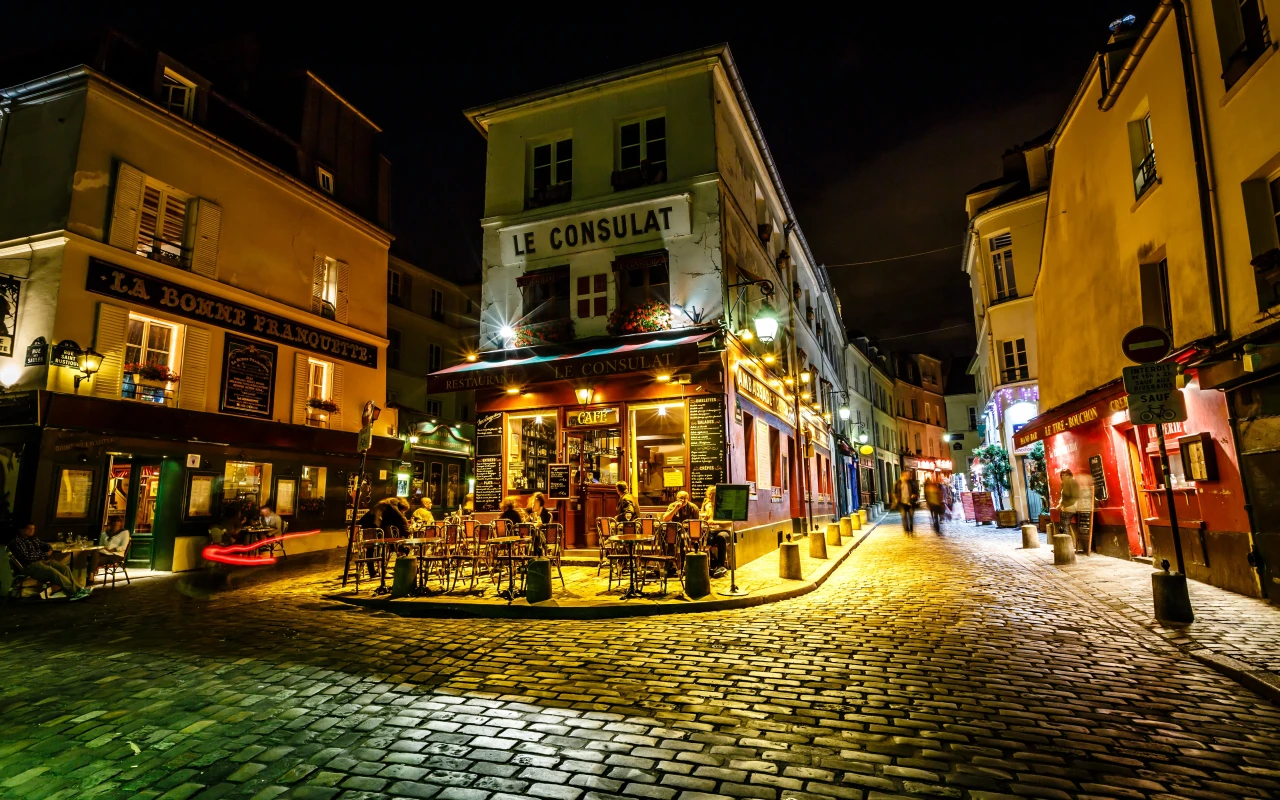
Montmartre also hosts hidden gems like Le Mur des Je t’aime (I Love You Wall), the Montmartre Vineyards, and historic cafés such as Le Consulat and La Maison Rose. The area comes alive in the evening with cozy bistros and live music echoing down the streets.
Background and Cultural Context
Montmartre has long been a haven for artists, revolutionaries, and free thinkers. During the Belle Époque, it became the center of Paris’s avant-garde movement. Today, its bohemian legacy lives on through street art, independent galleries, and a vibrant creative spirit that draws both locals and visitors alike.
Its spiritual crown, the Sacré-Cœur, was completed in 1914 and built as a symbol of national reconciliation after France’s defeat in the Franco-Prussian War. The contrast between sacred architecture and wild artistic freedom is part of what makes Montmartre so unique.
Best Time to Visit
Early mornings offer peaceful walks and soft light perfect for photography. Late afternoons and evenings bring energy, street performers, and golden-hour views. Avoid midday weekends if you prefer fewer crowds.
How to Get There
Take the Metro to Abbesses (Line 12) or Anvers (Line 2). From Anvers, it’s a short but steep walk or funicular ride to the top of the hill. Walking up via Rue Lepic and Rue des Abbesses provides a more scenic approach.
Photo Opportunities
- The panoramic view from Sacré-Cœur’s terrace
- Artists at work in Place du Tertre
- La Maison Rose and Rue de l’Abreuvoir
- The old windmills and staircases throughout the quarter
Travel Tips
- Wear comfortable shoes — Montmartre’s hills and stairs can be a workout.
- Visit the small museums like Musée de Montmartre for historical context.
- Pickpockets can be active in crowded spots, especially around Sacré-Cœur.
- Stay after dark for a magical Parisian evening and fewer tourists.
FAQs
Is Montmartre safe at night?
Yes — it’s generally safe, though as with all popular areas, stay aware of your surroundings.
Are there good restaurants in Montmartre?
Absolutely — Montmartre is full of authentic Parisian bistros, crêperies, and wine bars, many with a historic flair.
Can you go inside the Sacré-Cœur?
Yes — entrance is free, and you can also pay to climb to the dome for even better views.
Final Thoughts
Montmartre is the Paris of dreams — where art spills onto the streets, history lives in every corner, and the city stretches out before you from the steps of the basilica. Whether you're chasing creative inspiration or simply soaking in the romance, Montmartre is a must-see experience.