Claim to Fame
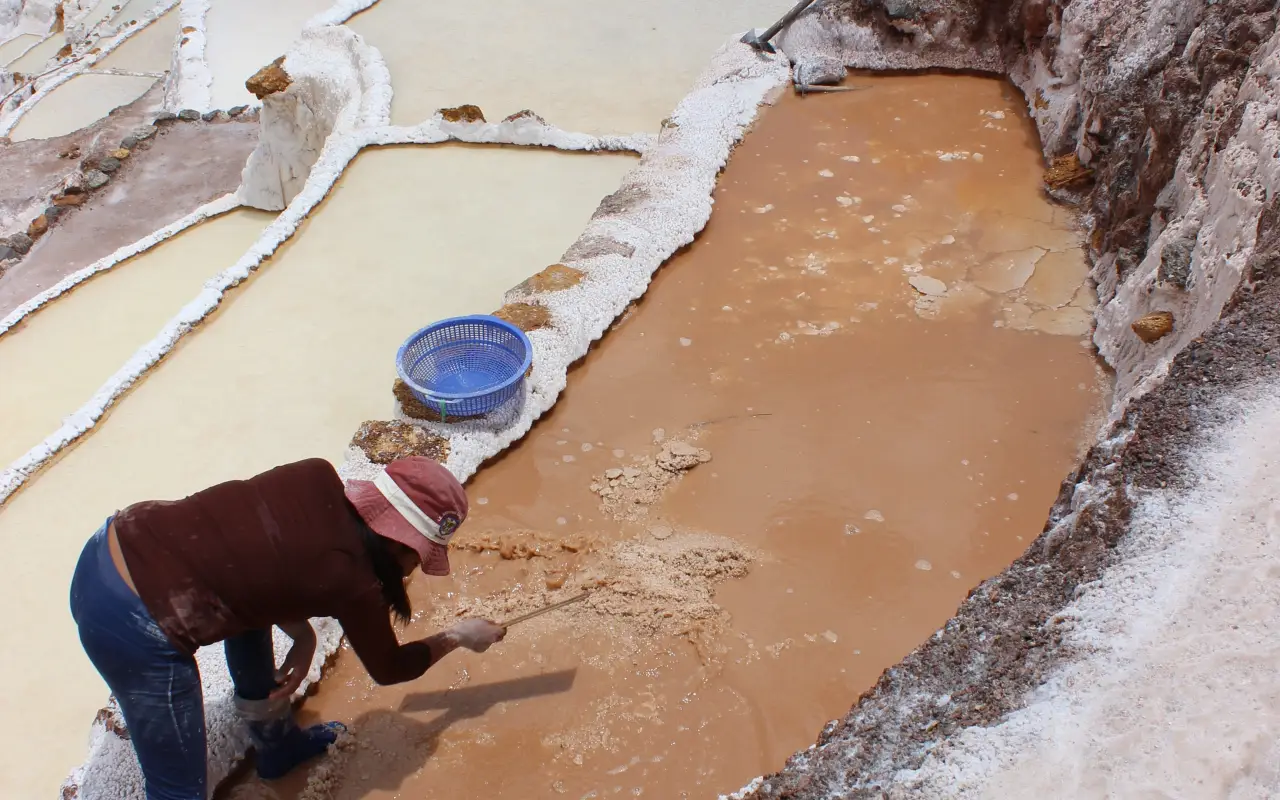
Carved into a sun‑baked hillside above the Sacred Valley, the Maras salt pans comprise over 3,000 shallow pools fed by a natural hypersaline spring—continuously harvested by local families since Inca times.
📌 Navigating Maras Salt Terraces : Answers to Frequently Asked Questions
- Admission Fee: The admission fee is generally around 10 soles for adults, with discounts for children.
- How Long to Visit: A visit usually takes about 1 to 2 hours to fully explore the terraces.
- Washrooms: Washrooms are available at the entrance for visitor convenience.
- Hours of Operation: Hours of operation typically run from 8 AM to 6 PM, but it's advisable to check for seasonal variations.
- Important Information: It is recommended to wear comfortable shoes and bring water, especially during the warmer months.
- Handicap Accessible: The site has limited handicap accessibility due to uneven terrain and steps.
- Pets: Pets are not allowed on the terraces to preserve the natural environment.
- Guided Tours: Guided tours are available, offering insights into the history and processes of salt production.
- Restaurant or Cafe: There are no restaurants or cafes directly on-site, but nearby options are available in the town of Maras.
- Gift Shop: A small gift shop is located at the entrance, offering local crafts and salt products.
- Parking: Parking is available near the entrance, with designated areas for visitors.
- Family Friendly: Family-friendly, with educational opportunities about traditional salt mining practices.
- Photography: Photography is highly encouraged, with stunning views of the salt terraces.
- WIFI: WIFI is not available on-site; visitors should prepare for limited connectivity.
- Picnic Area: Picnic areas are not provided, but visitors can enjoy the scenery while snacking in designated zones.
Photos of Maras Salt Terraces
At 3,380 m elevation near the village of Maras, thousands of stepped salt ponds glint like a broken mirror in the Andean sun. Guided walks along narrow earthen terraces reveal how spring water is channeled into each evaporative pan, leaving pure white salt crystals for hand‑harvesting. This living landscape blends traditional community labor with stunning highland panoramas of terraced fields and distant snow‑capped peaks.
What to Expect
Park at the Maras overlook and follow the stone‐lined service road down to the pan cluster. A gentle 1 km loop winds among family‐owned terraces: watch salt‑workers rake crystals into cone piles, then bag them by hand. Small on‑site kiosks offer salt‐flavored snacks and artisanal salts—rosemary, chili, smoked—packaged in reusable muslin bags. The full circuit takes 1–1.5 hours at a leisurely pace.
Background and Cultural Context
These salt pans predate the Incas, maintained by Quechua communities for centuries under communal ownership. Inca administrators honed the channel network to regulate flow and maximize yield, linking the site to Cusco’s imperial tribute system. Today, cooperatives ensure sustainable water use and equitable distribution—preserving ancestral techniques in a UNESCO World Heritage landscape.
Best Time to Visit
Dry season (May–September) offers bright sunshine and maximal evaporation—salt crystals form fastest in clear, low‑humidity air. Visit mid‑morning (9–11 AM) for the driest conditions and best light on the pans. Afternoon clouds or light rains in the green season (October–April) can slow crystallization and make trails slippery—plan around brief showers.
How to Get There
From Ollantaytambo, drive 16 km north on the winding Cusco–Urubamba road, then turn onto the paved Maras access road (approx. 30 min). Private cars, colectivos, and guided tour vans all reach the hilltop viewpoint. Follow signs down the switchbacks to the terraces—parking is available at both top and bottom. Entrance fee (approx. S/10 PEN) supports community maintenance.
Photo Opportunities
- Panorama of hundreds of geometric salt pans cascading down the hillside
- Close‑up of glistening white crystals forming in shallow brine
- Salt‑worker raking pools, framed by Andean peaks in the distance
- Artisanal salt varieties displayed in colorful muslin bags at a roadside stall
- Golden‑hour light casting long shadows across the terraced pans
Travel Tips
- Wear sun protection and a wide‑brimmed hat—UV radiation is intense at altitude.
- Bring sturdy, closed‑toe shoes for uneven, sometimes slick earthen paths.
- Carry water and light snacks—the walk is dry and there are limited cafes.
- Respect private terraces—stay on marked paths and ask before photographing workers up close.
- Purchase a variety pack of artisanal salts to support local cooperatives and take home a taste of the Andes.
FAQs
Can I walk among all the pans?
Yes, but only on the designated footpaths and service roads to protect fragile earthen walls.
Is there shade?
Very little. Plan your visit for cooler morning hours and bring a sun umbrella if desired.
Are restrooms available?
Basic facilities are located at the top parking area; none on the terraces themselves.
Can I buy salt on-site?
Absolutely. Family‑run stalls sell hand‑harvested salt in various flavored and smoked varieties.
Final Thoughts
A visit to the Maras Salt Terraces is both a cultural immersion and a photographer’s dream—a place where ancient Andean ingenuity turns spring water into shimmering crystal mosaics. Stroll the pans, learn traditional harvesting, and depart with a handful of unique salts and memories of Peru’s timeless highland heritage.