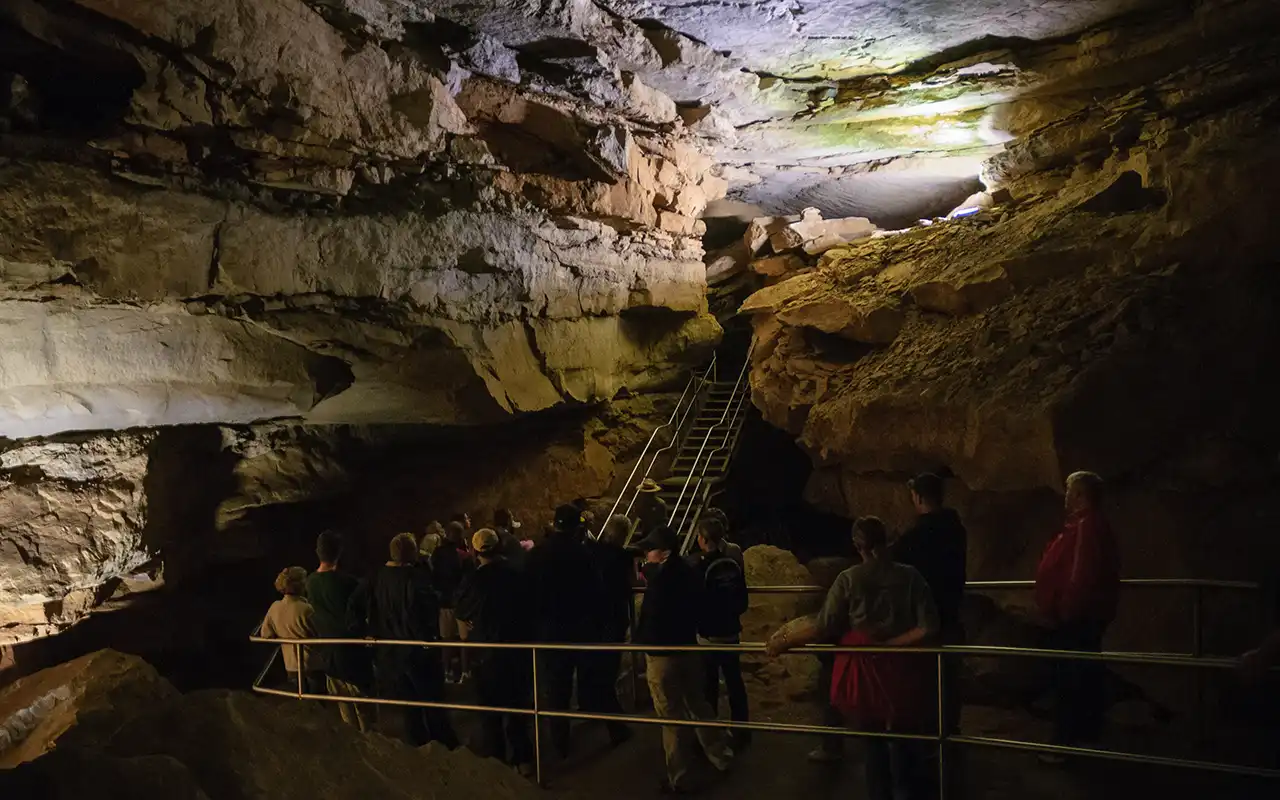
Claim to Fame
The Mammoth Cave National Park is renowned for its extensive cave systems, which represent the longest known cave network in the world, drawing adventure seekers and geology enthusiasts alike to its depths.
📌 Navigating Mammoth Cave National Park : Answers to Frequently Asked Questions
- Washrooms: Restroom facilities are available at the visitor center and various locations throughout the park.
- Hours of Operation: The park is open year-round, with visitor center hours varying by season, typically from 8 AM to 5 PM.
- Important Information: Visitors are encouraged to wear sturdy shoes for cave tours and bring plenty of water, as cell service is limited in the park.
- Admission Fee: Admission to Mammoth Cave National Park is free, but some guided tours may have a fee.
- How Long to Visit: A typical visit can range from a couple of hours for a cave tour to a full day if exploring trails and other attractions.
- Admission Fee: Admission to Mammoth Cave National Park is free, but some guided tours may have a fee.
- How Long to Visit: A typical visit can range from a couple of hours for a cave tour to a full day if exploring trails and other attractions.
- Washrooms: Restroom facilities are available at the visitor center and various locations throughout the park.
- Hours of Operation: The park is open year-round, with visitor center hours varying by season, typically from 8 AM to 5 PM.
- Important Information: Visitors are encouraged to wear sturdy shoes for cave tours and bring plenty of water, as cell service is limited in the park.
- Picnic Area: There are designated picnic areas throughout the park, equipped with tables and grills for public use.
- Handicap Accessible: The park provides handicap accessible trails, restrooms, and some cave tours for visitors with mobility challenges.
- Pets: Pets are allowed in designated areas of the park but must be leashed and are not permitted on cave tours or in buildings.
- Guided Tours: Guided tours of Mammoth Cave are available year-round, with options ranging from short walks to more strenuous explorations.
- Restaurant or Cafe: The park features a café that offers a variety of meals and snacks, along with picnic supplies.
- Gift Shop: A gift shop is located at the visitor center, offering souvenirs, books, and educational materials about the cave and park.
- Parking: Mammoth Cave National Park offers several parking areas, including designated spaces for larger vehicles and RVs near visitor centers.
- Family Friendly: The park is family friendly, featuring educational programs, easy hiking trails, and guided tours suitable for children.
- Photography: Photography is permitted in most areas of the park, although flash photography is not allowed in certain cave sections to protect the environment.
- WIFI: Free Wi-Fi is available at the visitor center, but connectivity may be limited in remote areas of the park.
- Restaurant or Cafe: The park features a café that offers a variety of meals and snacks, along with picnic supplies.
- Gift Shop: A gift shop is located at the visitor center, offering souvenirs, books, and educational materials about the cave and park.
- Parking: Mammoth Cave National Park offers several parking areas, including designated spaces for larger vehicles and RVs near visitor centers.
- Family Friendly: The park is family friendly, featuring educational programs, easy hiking trails, and guided tours suitable for children.
- Photography: Photography is permitted in most areas of the park, although flash photography is not allowed in certain cave sections to protect the environment.
- WIFI: Free Wi-Fi is available at the visitor center, but connectivity may be limited in remote areas of the park.
- Picnic Area: There are designated picnic areas throughout the park, equipped with tables and grills for public use.
- Handicap Accessible: The park provides handicap accessible trails, restrooms, and some cave tours for visitors with mobility challenges.
- Pets: Pets are allowed in designated areas of the park but must be leashed and are not permitted on cave tours or in buildings.
- Guided Tours: Guided tours of Mammoth Cave are available year-round, with options ranging from short walks to more strenuous explorations.
📌Heads up: All times, prices and visitor policies are subject to change without notice. Please check the official website for the most recent information.
Photos of Mammoth Cave National Park
What to Expect
At Mammoth Cave National Park, visitors are invited to embark on a journey into a subterranean world sculpted by nature over millions of years. The park features a labyrinthine network of over 400 miles of explored cave passageways, exhibiting stunning geological formations including stalactites and stalagmites, along with unique ecosystems that thrive in the darkness. Tours range from easy walks to strenuous adventures, catering to diverse interests and fitness levels. As you traverse the dark corridors, the echo of your footsteps will be met with the soft drip of water from the cave ceiling, creating an enchanting symphony that celebrates the serenity of nature. Emerging from the caves reveals a vast expanse of rugged limestone landscapes adorned with lush woodlands, rolling hills, and vibrant river systems. The park's surface area is just as captivating; over 53 square miles of protected wilderness invite explorers to hike along scenic trails, spot an array of wildlife, and engage in recreational activities like canoeing and horseback riding. The harmony between the subterranean realm and the surface provides a holistic experience that embodies the essence of this unique national treasure. Moreover, the educational programs offered by the park enhance the experience, shedding light on the intricate geology and the history of human interaction with this natural wonder. Each tour provides a glimpse into the delicate balance of ecology within the caves, as well as the cultural significance of the site, with connections to early Native American inhabitants and later, pioneers who sought refuge and adventure within its depths.Background and Cultural Context
Designated as a national park in 1941, Mammoth Cave's rich history stretches back thousands of years, deeply intertwined with both geological marvels and human endeavor. The cave system was initially inhabited by prehistoric Native Americans, who left behind artifacts and markings that it continues to intrigue researchers today. The uninterrupted span of habitation signifies the cultural importance of the caves, highlighting their role in human survival and exploration. The name “Mammoth” was inspired not only by its sheer size but also by the extensive discovery process that unfolded during the 19th century. The caves became a center for both tourism and scientific study. Throughout the 1800s, guides led eager adventurers through the dimly lit passageways, furthering the fascination with subterranean exploration. The historical context is highlighted by the remnants of old tours, including artifacts and significant changes made to facilitate tourism over the years, allowing visitors to grasp the evolution of the park’s identity. Today, Mammoth Cave serves not only as a natural wonder but also as a habitat for diverse species, many of which are found nowhere else on Earth. The park is designated as a UNESCO World Heritage Site and an International Biosphere Reserve, signifying its global importance. This recognition emphasizes the need for conservation efforts that protect the delicate ecosystems that thrive underground while preserving the cultural narratives linked to the land.Best Time to Visit
The optimal time to visit Mammoth Cave National Park varies depending on what you seek to experience. Spring (April to June) unveils a vibrant array of blossoms and wildlife awakening, while the weather is typically mild, making it a wonderful season for hiking and outdoor activities. The trails come alive with the sound of birdsong, and wildflowers blanket the ground, inviting you to immerse yourself in the beauty of nature’s rebirth. Summer is peak tourist season, marked by warm temperatures and increased activity in both the caves and on the surface. Although this may mean busier tours, longer daylight hours offer ample opportunities to explore the park’s grandeur. The lush greenery and vibrant trails, paired with the cool refuge of the cave system, provide a balanced and refreshing experience during hotter months. Reservations are advisable if you plan on visiting during this period, particularly for cave tours. As autumn arrives, the park transforms once again, showcasing a stunning palette of orange, red, and gold as leaves change. This season is particularly enchanting for photography enthusiasts and nature lovers alike, as the crisp air brings a sense of tranquility that enhances every hike. Winter, while less frequented, allows for a more solitary experience, with the potential for snow decorating the landscape, creating a winter wonderland. However, certain tours may be limited during colder months, so checking schedules in advance is recommended.How to Get There
Reaching Mammoth Cave National Park is relatively straightforward, whether you are traveling by car, bus, or air. If you’re driving, the park is conveniently situated off Interstate 65, approximately 90 miles south of Louisville, Kentucky, and 120 miles north of Nashville, Tennessee. The park's main entrance is accessible via the Mammoth Cave Parkway, where ample parking is provided for visitors. Utilizing GPS navigation can enhance your ease of travel, guiding you directly to the park’s facilities. For those opting to utilize public transportation, Greyhound and other bus services run routes connecting to nearby towns, such as Cave City and Bowling Green. However, accessing the park from these locations may require taxi services or rideshare options. If arriving by air, the nearest major airports are in Louisville and Nashville. Each airport serves as an ideal starting point for a scenic road trip through southern Kentucky, revealing charming rural landscapes and the warm hospitality of small-town America along the way. Once inside the park, the well-maintained roads and signage ensure a smooth journey to all visitor centers, cave entrances, and trailheads. Those planning to take guided cave tours should check the schedule and availability beforehand, as service times can vary by season. This preparation will ensure a seamless visit, allowing you to fully immerse yourself in the breathtaking beauty of Mammoth Cave.Photo Opportunities
- Stalactite and stalagmite formations in the cave
- Scenic views from the park’s hiking trails
- Wildflowers during springtime
- Autumn foliage in vibrant colors
- Wildlife sightings, including deer and various bird species
- Historic cave entrance and visitor center
Travel Tips
- Wear sturdy footwear for cave tours and hiking trails.
- Dress in layers, as temperatures inside the cave can be significantly cooler.
- Book cave tours in advance, especially during peak seasons.
- Bring a camera for breathtaking photos, but be mindful of cave regulations regarding flash photography.
- Stay hydrated and pack snacks, particularly for longer hikes.
- Be aware of park guidelines to protect the natural environment.