Claim to Fame
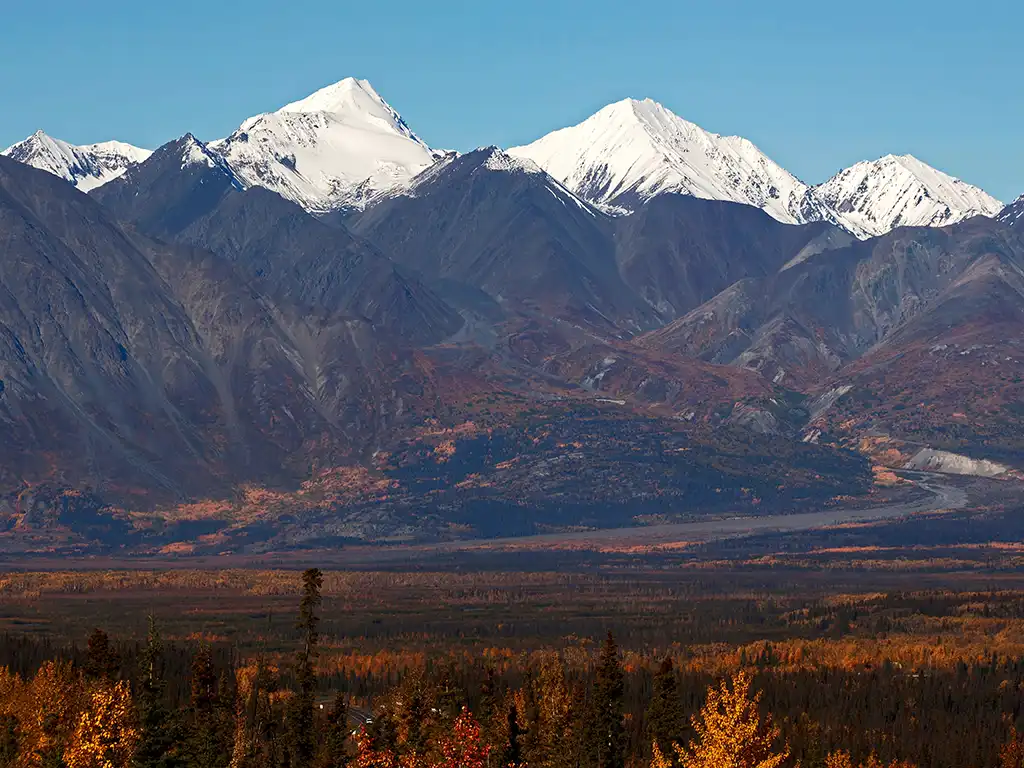
The Kluane National Park is internationally renowned for its spectacular landscapes, encompassing North America's tallest peak, Mount Logan, vast glaciers, and diverse ecosystems, making it a UNESCO World Heritage site.
📌 Navigating Kluane National Park : Answers to Frequently Asked Questions
- Admission Fee: There is no entrance fee for Kluane National Park, making it accessible to all visitors.
- How Long to Visit: A visit can range from a few hours for a short hike to several days for extensive exploration of the park.
- Washrooms: Washrooms are available at visitor centers and some trailheads, but backcountry facilities are limited.
- Hours of Operation: The park is open year-round, but visitor services are more frequent during the summer months from May to September.
- Important Information: Visitors should be prepared for variable weather conditions and carry sufficient supplies for outdoor activities.
- Washrooms: Washrooms are available at visitor centers and some trailheads, but backcountry facilities are limited.
- Hours of Operation: The park is open year-round, but visitor services are more frequent during the summer months from May to September.
- Important Information: Visitors should be prepared for variable weather conditions and carry sufficient supplies for outdoor activities.
- Admission Fee: There is no entrance fee for Kluane National Park, making it accessible to all visitors.
- How Long to Visit: A visit can range from a few hours for a short hike to several days for extensive exploration of the park.
- Handicap Accessible: Some areas of the park, including visitor centers, are handicap accessible, but trail accessibility may vary.
- Pets: Pets are allowed in the park but must be kept on a leash and are not permitted on trails or in backcountry areas.
- Guided Tours: Guided tours are available, including ranger-led programs and commercial tours focusing on wildlife and geology.
- Restaurant or Cafe: There are no restaurants within the park, but nearby towns offer dining options.
- Gift Shop: There is no gift shop within the park, but nearby communities may offer local crafts and souvenirs.
- Parking: Parking is available at various trailheads and visitor centers within Kluane National Park.
- Family Friendly: Kluane National Park offers family-friendly activities, including easy hiking trails and educational programs.
- Photography: The park provides stunning landscapes and wildlife, making it a fantastic location for photography.
- WIFI: WIFI access is limited, primarily available at visitor centers and some lodges outside the park.
- Picnic Area: Picnic areas are available at designated spots, providing a scenic setting for meals.
- Parking: Parking is available at various trailheads and visitor centers within Kluane National Park.
- Family Friendly: Kluane National Park offers family-friendly activities, including easy hiking trails and educational programs.
- Photography: The park provides stunning landscapes and wildlife, making it a fantastic location for photography.
- WIFI: WIFI access is limited, primarily available at visitor centers and some lodges outside the park.
- Picnic Area: Picnic areas are available at designated spots, providing a scenic setting for meals.
- Handicap Accessible: Some areas of the park, including visitor centers, are handicap accessible, but trail accessibility may vary.
- Pets: Pets are allowed in the park but must be kept on a leash and are not permitted on trails or in backcountry areas.
- Guided Tours: Guided tours are available, including ranger-led programs and commercial tours focusing on wildlife and geology.
- Restaurant or Cafe: There are no restaurants within the park, but nearby towns offer dining options.
- Gift Shop: There is no gift shop within the park, but nearby communities may offer local crafts and souvenirs.
📌Heads up: All times, prices and visitor policies are subject to change without notice. Please check the official website for the most recent information.
Photos of Kluane National Park
What to Expect
Kluane National Park is a breathtaking expanse of wilderness, covering over 22,000 square kilometers in the heart of the Yukon. Travelers can expect a stunning display of nature's artwork, where towering mountains, sweeping valleys, and icefields intertwine to create an untouched paradise. As you venture through the park, the air is imbued with the scent of fresh pine mixed with glacial streams, a sensory preview of the adventure that lies ahead. Wildlife sightings are a highlight for many visitors. Keep your eyes open for Dall sheep perched on rocky precipices, grizzly bears wandering the valleys, or the elusive caribou traversing the tundra. Birdwatchers will find themselves captivated by the array of species that inhabit the park, including golden eagles and trumpeter swans, particularly during migration seasons. Hiking trails vary in difficulty, but each path unveils stunning vistas that showcase the region's rugged beauty. The challenging trek up to the stunning overlook of King’s Throne, for example, rewards hikers with an unparalleled view of Kluane Lake and the surrounding peaks, a reminder of the raw power wielded by nature. Be prepared for terrain that can swiftly change, and invest time into proper gear, as conditions can shift from bright sunshine to sudden rain showers.Background and Cultural Context
Established in 1976, Kluane National Park is part of a larger conservation area that preserves the natural and cultural heritage of the region and its Indigenous peoples, notably the Champagne and Aishihik First Nations. These communities have a profound connection to the land, having inhabited it for thousands of years, and their stories are etched into the mountains and rivers of the park. The name “Kluane” comes from the Southern Tutchone language, meaning “a place to land.” This history emphasizes that the land has been a critical resource for food, shelter, and culture for generations. Visitors have an opportunity to learn about Indigenous practices and traditions through workshops and guided tours provided by local communities, fostering a deeper appreciation for the land's cultural significance. The park's terrain is shaped by the forces of history, with geological formations that date back millions of years. The collision of tectonic plates has carved out dramatic valleys and peaks, contributing to the landscape we see today. Understanding the natural history of the area allows travelers to appreciate the environment on a deeper level, enhancing every hike, every view, and every encounter with the park's wildlife.Best Time to Visit
The best time to visit Kluane National Park depends largely on the type of experience you're seeking. The summer months, from June to August, tend to be the most popular for outdoor enthusiasts, when the weather is milder and trails are accessible. During this period, expect long daylight hours, making it ideal for hiking, kayaking, and wildlife watching. Temperatures can soar to a comfortable 20-25°C (68-77°F), providing perfect conditions for exploration. Autumn brings a palette of stunning colors, with the foliage turning vibrant shades of red and gold. September is particularly magical, as the landscapes transition, and the first hints of snow appear on the mountain tops. This is also a prime time for viewing the Northern Lights, which can often be seen filling the sky with their surreal colors as the evenings grow colder and longer. Winter, while harsh, offers a different kind of adventure. The park transforms into a snowy wonderland, attracting those who enjoy snowshoeing, skiing, or winter photography. The solitude found in the stark, white landscapes provides a contrast to the bustling summertime, inviting introspection and serenity. Spring brings melting snow and rushing rivers, a refreshing change, and an opportunity to witness the rebirth of nature as wildlife emerges reenergized after the long winter.How to Get There
Getting to Kluane National Park is a journey that begins in the Yukon, with the nearest major city being Whitehorse, around 160 kilometers to the south. Travelers can reach Whitehorse by air from various Canadian cities or by road, offering scenic drives characterized by breathtaking views of mountains and lakes that define Yukon’s stunning geography. Once in Whitehorse, visitors can drive along the Alaska Highway to Kluane National Park. The journey is an experience in itself, with numerous pull-offs and viewpoints that allow for spontaneous exploration. The highway offers glimpses of the abundant wildlife and stunning landscapes that await in the park, ensuring that the adventure starts long before reaching the entrance. For those looking for a more immersive experience, guided tours often operate from Whitehorse, providing transportation to the park. These tours can include expert insights into the ecology, geology, and culture of the region, connecting travelers with the deeper stories of the landscape. Alternatively, for the more adventurous, flights are available that will take you directly over the picturesque park, allowing you to witness the dramatic granite peaks and sprawling glaciers from above.Photo Opportunities
- Mount Logan: North America's highest peak, a majestic backdrop for any photo.
- Kluane Lake: Capture stunning reflections of the mountains on a clear day.
- Icefields: The vast and shimmering surface of the glaciers, perfect for unique shots.
- Wildlife: Snap photos of bears, sheep, and birds in their natural habitats.
- King’s Throne: An overlook that provides a breathtaking panoramic view of the park.
- Sunrise and Sunset: The park’s landscapes transform dramatically with the shifting light.
Travel Tips
- Always check the weather forecast before heading out, as conditions can change quickly.
- Bring bear spray and a whistle to ensure safety while hiking.
- Pack layered clothing to adapt to fluctuating temperatures throughout the day.
- Campsites fill quickly in summer, so make reservations well in advance.
- Carry enough water and snacks, especially for longer hikes.
- Respect wildlife and maintain a safe distance; it’s crucial for both your safety and theirs.