Claim to Fame
The Isle Royale National Park is renowned for its rugged landscapes, pristine wilderness, and unique ecosystems, making it a paradise for nature lovers and outdoor enthusiasts alike.
📌 Navigating Isle Royale National Park : Answers to Frequently Asked Questions
- Admission Fee: Admission to Isle Royale National Park is free, but transportation fees apply for ferries and seaplanes.
- How Long to Visit: A visit typically lasts 3 to 7 days, allowing ample time for hiking, exploration, and experiencing the park's natural beauty.
- Washrooms: Washrooms are available at select campgrounds and visitor centers, but facilities may be limited, especially in remote areas.
- Hours of Operation: The park is open year-round, but most visitor services are available from mid-April to late October.
- Important Information: It is essential to plan ahead, as transportation options are limited, and the park's remote location requires visitors to be prepared for outdoor conditions.
- Washrooms: Washrooms are available at select campgrounds and visitor centers, but facilities may be limited, especially in remote areas.
- Hours of Operation: The park is open year-round, but most visitor services are available from mid-April to late October.
- Important Information: It is essential to plan ahead, as transportation options are limited, and the park's remote location requires visitors to be prepared for outdoor conditions.
- Admission Fee: Admission to Isle Royale National Park is free, but transportation fees apply for ferries and seaplanes.
- How Long to Visit: A visit typically lasts 3 to 7 days, allowing ample time for hiking, exploration, and experiencing the park's natural beauty.
- Handicap Accessible: Isle Royale National Park has limited accessibility; the rugged terrain and natural features make many areas difficult for those with mobility challenges.
- Pets: Pets are not allowed in the park to protect the natural ecosystem and wildlife.
- Guided Tours: Guided tours are available seasonally, including ranger-led programs and boat tours that enhance the visitor experience.
- Restaurant or Cafe: There are no restaurants or cafes within the park; visitors should plan to bring their own food or use facilities at nearby ferry terminals.
- Gift Shop: There is no gift shop in the park, but visitors can find souvenirs and educational materials at ferry terminals and visitor centers.
- Parking: Parking is not available on the island; visitors must park at designated areas in Michigan or Minnesota before taking a ferry or seaplane to the park.
- Family Friendly: The park is family-friendly, offering a variety of outdoor activities such as hiking, kayaking, and wildlife viewing suitable for all ages.
- Photography: Photography opportunities abound with stunning landscapes, diverse wildlife, and unique geological features throughout the park.
- WIFI: Wi-Fi is not available in the park, as it is largely undeveloped and remote.
- Picnic Area: Picnic areas are available at certain locations, providing scenic spots for visitors to enjoy meals amidst nature.
- Parking: Parking is not available on the island; visitors must park at designated areas in Michigan or Minnesota before taking a ferry or seaplane to the park.
- Family Friendly: The park is family-friendly, offering a variety of outdoor activities such as hiking, kayaking, and wildlife viewing suitable for all ages.
- Photography: Photography opportunities abound with stunning landscapes, diverse wildlife, and unique geological features throughout the park.
- WIFI: Wi-Fi is not available in the park, as it is largely undeveloped and remote.
- Picnic Area: Picnic areas are available at certain locations, providing scenic spots for visitors to enjoy meals amidst nature.
- Handicap Accessible: Isle Royale National Park has limited accessibility; the rugged terrain and natural features make many areas difficult for those with mobility challenges.
- Pets: Pets are not allowed in the park to protect the natural ecosystem and wildlife.
- Guided Tours: Guided tours are available seasonally, including ranger-led programs and boat tours that enhance the visitor experience.
- Restaurant or Cafe: There are no restaurants or cafes within the park; visitors should plan to bring their own food or use facilities at nearby ferry terminals.
- Gift Shop: There is no gift shop in the park, but visitors can find souvenirs and educational materials at ferry terminals and visitor centers.
📌Heads up: All times, prices and visitor policies are subject to change without notice. Please check the official website for the most recent information.
Photos of Isle Royale National Park
What to Expect
Nestled in the heart of Lake Superior, Isle Royale National Park spans over 570 square miles and is accessible only by boat or seaplane. Visitors can expect a rich tapestry of landscapes, from dense forests and rocky shores to tranquil lakes and cascading waterfalls. The absence of cars adds to the charm of this remote island, creating an atmosphere where the sounds of nature take center stage. Hiking trails meander through the wilderness, leading to breathtaking vistas that reward those who venture off the beaten path. Wildlife is abundant here; keep your eyes peeled for moose, wolves, and a variety of bird species that call this unique ecosystem home. The backdrop of rugged cliffs and shimmering waters sets the stage for a variety of outdoor activities. Hiking enthusiasts can choose from over 165 miles of trails that navigate through untouched wilderness, offering a chance to connect with nature on a deeper level. For those looking to immerse themselves in the serene waters, canoeing and kayaking provide a different lens through which to experience Isle Royale’s beauty. Fishing is also popular here, with opportunities to catch lake trout and salmon in the park's pristine lakes. However, the allure of the island goes beyond its physical beauty; the tranquility found in its isolation encourages introspection and a deep appreciation for nature's wonders. As you explore Isle Royale, don’t be surprised if you stumble upon remnants of human history. The island is dotted with ghost towns, shipwrecks, and the remains of early mining operations, adding layers of story to the landscape. Interpretive programs led by park rangers help to illuminate the cultural history of the island, providing context to the human interactions that have taken place over the centuries. Whether you are hiking, paddling, or simply soaking in the views, Isle Royale offers an immersive experience that captures the essence of America’s rugged wilderness.Background and Cultural Context
Isle Royale National Park was established in 1940, but its history extends far beyond that. Native American tribes, particularly the Ojibwe people, have inhabited this area for thousands of years. They utilized the island's abundant natural resources for fishing, hunting, and gathering, leaving behind a rich cultural legacy that is still observable today. The island's name, derived from the French term 'Île Royale' meaning 'Royal Island,' hints at its historical significance as a center of copper mining in the late 1800s. Although mining ceased in the 1960s, remnants of this industrious period remain scattered across the landscape, serving as a reminder of the island's past. The establishment of Isle Royale as a national park was a significant milestone in conservation efforts, aimed at protecting the delicate ecosystems and unique wildlife of the area. Its isolation in Lake Superior has helped preserve its natural environment, allowing flora and fauna to evolve in ways that are not seen on the mainland. As a result, Isle Royale serves as a living laboratory for ecological studies and a vital refuge for endangered species. The park is particularly known for its moose-wolf predator-prey dynamic, which is closely monitored by biologists and researchers seeking to understand the complexities of ecological balance. Isle Royale's unique cultural and natural heritage resonates deeply with visitors who seek not only adventure but also a connection to a simpler way of life. The island offers opportunities for introspection amidst nature’s splendor, allowing travelers to reflect on their place within the environment. Through education, preservation, and a deep respect for the land, Isle Royale stands as a poignant reminder of the importance of safeguarding our natural spaces for future generations.Best Time to Visit
The ideal time to explore Isle Royale National Park largely depends on the type of experience you seek. The summer months of June through August are the most popular, as the weather is warm (typically ranging from the mid-60s to the mid-70s Fahrenheit). During this time, the park welcomes numerous visitors eager to hike, paddle, and immerse themselves in the long daylight hours. However, the allure of summer comes with its own challenges; the higher influx of tourists may detract from the solitude that many travelers seek. Booking accommodations and ferry rides well in advance is highly recommended to secure your spot during this peak season. Fall, particularly September and early October, is another enchanting time to visit. As the leaves transition into vibrant hues of red, orange, and gold, the landscape transforms into a stunning mosaic of colors. The cooler temperatures provide a refreshing escape, making outdoor activities like hiking and fishing more enjoyable. Wildlife is also active during this time, as animals prepare for winter, providing visitors with a chance to witness some magnificent natural displays. The peacefulness of the park becomes even more pronounced in the fall, allowing for a more intimate experience with the wilderness. Winter, though challenging, can be a magical time to visit for those seeking solitude and adventure alike. With temperatures often dropping below freezing, winter activities such as snowshoeing and cross-country skiing become available. The park becomes a snowy wonderland, featuring the stark contrasts of white against the deep blue of Lake Superior. However, it's essential to be prepared for the cold and check for accessibility, as some areas may be difficult to reach. Spring, while less popular among visitors, signals the rebirth of the landscape as wildflowers bloom and animal activity increases, providing a quieter experience for those who visit during this transitional period.How to Get There
Reaching Isle Royale National Park requires some planning, as it is only accessible by boat or seaplane. The two main ferry operators, the Isle Royale Line and the Ranger III, provide transportation from the mainland. Ferries typically depart from Houghton, Michigan, and Copper Harbor, with trips varying in duration from roughly 3 to 6 hours, depending on the departure point and weather conditions. It’s important to timely book your ferry tickets, especially during the peak summer months, to ensure a spot, as these vessels can fill up quickly. Travelers have the option to fly to the island via seaplane, which provides a breathtaking aerial view of Lake Superior's vast expanse. Kenmore Air operates flights from several points in Michigan, and the journey, though brief, offers an exhilarating perspective of the park's remote beauty. Once on the island, visitors can utilize the National Park Service's facilities and ranger-led programs, which enhance their understanding and enjoyment of this wild area. The few lodges available cater to different styles of camping and staying on the island, all of which offer a unique experience deeply rooted in the natural surroundings. For those who prefer a more adventurous approach, a kayak expedition to Isle Royale can be exhilarating for experienced paddlers. However, this endeavor demands thorough preparation and knowledge of the waters, as well as an understanding of weather conditions. Be sure to review safety guidelines, and consider the level of your own experience. Regardless of the method you choose, getting to the island is a journey into tranquility and unspoiled nature, setting the stage for unforgettable explorations within the park.Photo Opportunities
- Stunning views from the tip of Rock Harbor Lighthouse.
- Wildlife shots of moose grazing in marshy areas.
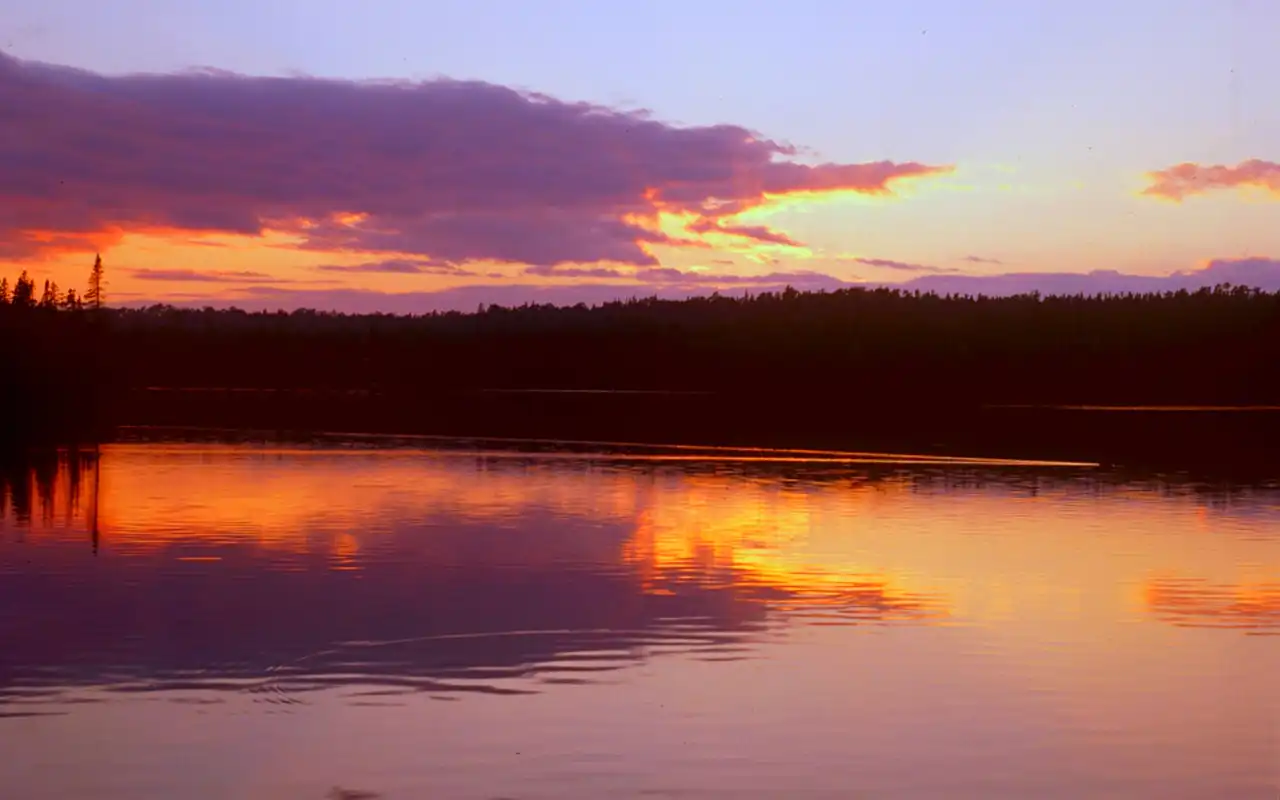
- Colorful sunsets over the lake from the shores of Lake Ritchie.
- Picturesque trails winding through the forest with seasonal foliage.
- Past mining ruins in the rugged wilderness adding historic context.
- Stargazing at night with minimal light pollution above the island.
Travel Tips
- Pack insect repellent and sunscreen, as mosquitoes and sun exposure can be prevalent in summer.
- Bring layers of clothing, as weather can shift quickly on the island.
- Make sure to reserve accommodations ahead of time, especially during peak season.
- Familiarize yourself with park regulations and Leave No Trace principles.
- Consider investing in quality hiking gear and a good map of the island's trails.