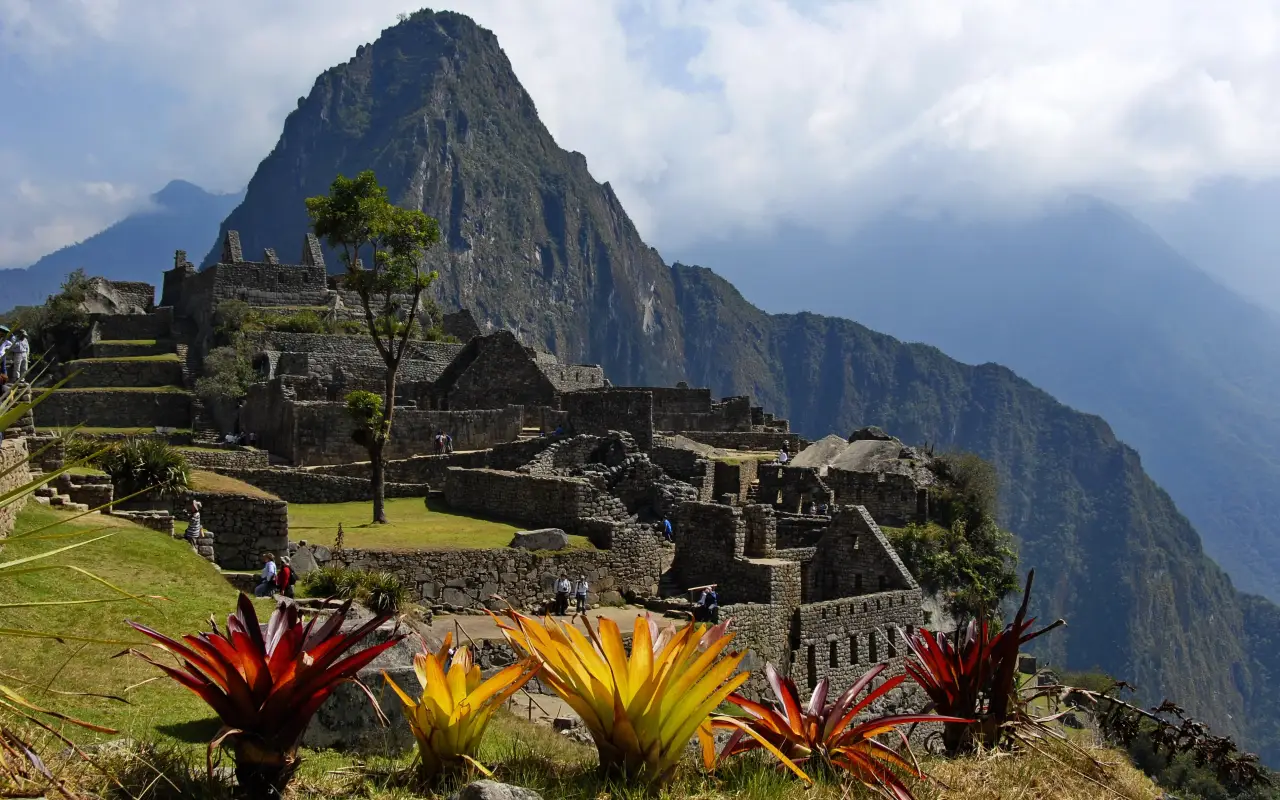
Claim to Fame
Machu Picchu is the legendary 15th‑century Inca “Lost City,” perched 2,430 m above the Urubamba Valley and renowned for its sophisticated stone terraces, temples, and panoramic Andean vistas.
📌 Navigating Machu Picchu : Answers to Frequently Asked Questions
- Washrooms: Washrooms are available at the entrance and at the nearby visitor center.
- Hours of Operation: Machu Picchu is open daily from 6:00 AM to 5:30 PM, with last entry at 4:00 PM.
- Important Information: Visitors should book tickets in advance, arrive early to avoid crowds, and be prepared for variable weather conditions.
- Admission Fee: The admission fee varies based on nationality and whether a guided tour is included, generally ranging from $50 to $70 USD.
- How Long to Visit: A typical visit lasts around 2 to 4 hours, depending on the chosen activities and tour options.
- Parking: There is no parking available at Machu Picchu; visitors must take a train from Cusco or Ollantaytambo.
- Family Friendly: The site is family-friendly, with opportunities for exploration and education about Incan history.
- Photography: Photography is encouraged, but visitors should be respectful of other guests and the site's preservation.
- WIFI: There is no public Wi-Fi available at Machu Picchu; visitors should plan accordingly.
- Picnic Area: Picnicking is not permitted within the archaeological site to protect the area and maintain cleanliness.
- Handicap Accessible: Machu Picchu is not fully handicap accessible due to its steep terrain and uneven paths.
- Pets: Pets are not allowed at Machu Picchu to preserve the site's integrity and safety.
- Guided Tours: Guided tours are available and recommended to enhance the experience and provide historical context.
- Restaurant or Cafe: There is a restaurant and cafe near the entrance, offering local cuisine and refreshments.
- Gift Shop: A gift shop is located at the entrance, offering souvenirs and local handicrafts.
Photos of Machu Picchu
High on a mist‑shrouded ridge of the Vilcabamba Range, Machu Picchu’s intricate urban planning and sacred geometry reveal the Inca empire’s architectural genius. From the Sun Gate’s dawn approach to the sheltered Temple of the Sun, each stone block—crafted without mortar—aligns with celestial events and mountain peaks. Whether arriving via the classic four‑day Inca Trail or the scenic train ride from Cusco, a visit unveils both archaeological wonder and sublime natural beauty.
What to Expect
Enter through the Sun Gate (Inti Punku) at first light to witness Machu Picchu bathed in golden sunrise. Guided circuits cover the Main Plaza and the Sacred Plaza—home to the Temple of the Three Windows and Intihuatana stone—before ascending to the terraced agricultural sector. Ample signage and terraces guide you through the Inca urban core and out to panoramic viewpoints. Sites of interest include the Room of the Three Windows, the Royal Tomb, and the serene Inca Bridge. Allow 3–4 hours for a thorough exploration; add the Huayna Picchu or Machu Picchu Mountain hike (requires separate permit) for aerial perspectives.
Background and Cultural Context
Built around 1450 CE under Pachacuti Inca Yupanqui, Machu Picchu served as a royal retreat and religious center until the empire’s collapse in the 1530s. Forgotten by the outside world until Hiram Bingham’s 1911 expedition, its dry‑stone walls and terraced fields preserve unparalleled Inca craftsmanship. Recognized as a UNESCO World Heritage Site in 1983, Machu Picchu remains a living symbol of Andean heritage and resilience—its layout reflecting dualities of earth and sky, agriculture and ceremony.
Best Time to Visit
Dry season (May–September) offers clear skies and firm trails—ideal for sunrise visits and summit hikes. June–August mornings bring light mist that often clears by mid‑day. Shoulder months (April, October) balance smaller crowds with occasional showers; pack a rain jacket. Arrive for the earliest time slot (6 AM entry) to enjoy the citadel with fewer visitors and the softest light for photography.
How to Get There
Most travelers depart from Cusco (3,400 m). Options include the 4‑day Inca Trail trek (permits required months in advance) finishing at the Sun Gate, the Salkantay or Lares multiday treks, or the train from Poroy or Ollantaytambo to Aguas Calientes. From Aguas Calientes, board a shuttle bus (25 minutes, every 10 min) up the winding road to the Machu Picchu Sanctuary entrance. Permits are required by timed entry; book both park and (if hiking) mountain permits well ahead of your travel date.
Photo Opportunities
- Classic panorama of Machu Picchu’s terraces and peaks from the Guardhouse
- Sunrise light rays streaming through the Sun Gate onto the citadel
- Silhouette of Huayna Picchu behind the Temple of the Sun at dawn
- Close‑up of precisely cut Ashlar stones in the Temple of the Three Windows
- Aerial view of Machu Picchu Mountain’s summit and winding Inca pathways
Travel Tips
- Acclimatize in Cusco for 2–3 days to reduce altitude sickness before summit.
- Bring layered clothing, a rain jacket, sun protection, sturdy walking shoes, and trekking poles for uneven steps.
- Carry refillable water and snacks; no food is allowed inside the sanctuary—designated picnic areas are outside.
- Respect site rules: stay on marked paths, no drones, and no climbing on Inca walls.
- Hire a licensed guide for deeper insight into Inca astronomy, engineering, and ritual practices.
FAQs
Can I visit without hiking the Inca Trail?
Yes. The train‑plus‑bus route offers a scenic and comfortable alternative—no trek required.
How long should I plan?
Allocate at least one full day at Machu Picchu. Add a half‑day for Huayna Picchu or Machu Picchu Mountain if you have permits.
Are there restrooms?
Basic facilities are located at the Sanctuary entrance and at the Aguas Calientes bus station; none inside the citadel.
Can I buy tickets on-site?
No. Entry tickets and (if applicable) mountain permits must be purchased in advance online or through a licensed agency.
Final Thoughts
Exploring Machu Picchu is a journey through time and landscape—where Inca ingenuity melds with Andean grandeur. From the first light at the Sun Gate to the ancient stones of the Temple of the Sun, every step uncovers layers of history, spirituality, and architectural brilliance that resonate long after you descend into the valley.