Claim to Fame
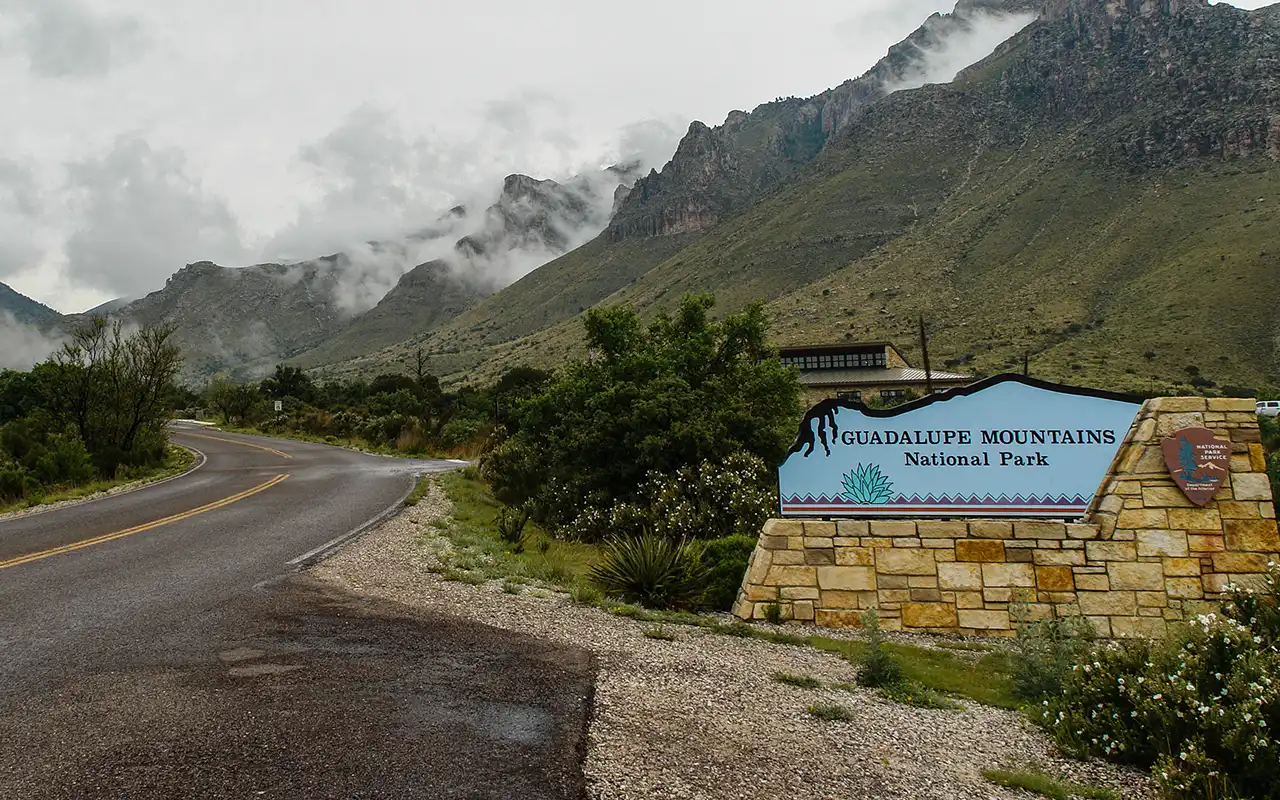
The Guadalupe Mountains National Park is renowned for its stunning limestone peaks, diverse ecosystems, and rich fossil history, making it a hidden gem for nature lovers and adventurers alike.
📌 Navigating Guadalupe Mountains National Park : Answers to Frequently Asked Questions
- Washrooms: Washrooms are available at the Visitor Center and select trailheads throughout the park.
- Hours of Operation: The park is open year-round, but hours may vary by season; the Visitor Center typically operates from 8 AM to 4:30 PM.
- Important Information: Visitors should be prepared for varying weather conditions and should carry enough water and supplies for hiking.
- Admission Fee: Admission to Guadalupe Mountains National Park is $10 per vehicle, valid for seven days.
- How Long to Visit: A visit can vary from a few hours to a full day, depending on the activities and trails chosen.
- Admission Fee: Admission to Guadalupe Mountains National Park is $10 per vehicle, valid for seven days.
- How Long to Visit: A visit can vary from a few hours to a full day, depending on the activities and trails chosen.
- Washrooms: Washrooms are available at the Visitor Center and select trailheads throughout the park.
- Hours of Operation: The park is open year-round, but hours may vary by season; the Visitor Center typically operates from 8 AM to 4:30 PM.
- Important Information: Visitors should be prepared for varying weather conditions and should carry enough water and supplies for hiking.
- Parking: Parking is available at several designated areas within the park, including near the Visitor Center.
- Family Friendly: The park offers family-friendly activities, including easy trails and ranger-led programs for children.
- Photography: The park features stunning landscapes, making it a great location for photography, especially during sunrise and sunset.
- WIFI: There is no public Wi-Fi available in the park; visitors should prepare for limited connectivity.
- Picnic Area: Picnic areas are available, with tables located at the Pine Springs and Dog Canyon areas.
- Handicap Accessible: Some trails and facilities are handicap accessible, but it's best to check specific areas in advance.
- Pets: Pets are allowed in the park but must be leashed and are restricted from most trails and areas.
- Guided Tours: Guided tours are available through the park's Visitor Center, including ranger-led hikes and educational programs.
- Restaurant or Cafe: There are no restaurants or cafes within the park, so visitors should bring their own food and drinks.
- Gift Shop: A small gift shop is located at the Visitor Center, offering souvenirs and educational materials.
- Handicap Accessible: Some trails and facilities are handicap accessible, but it's best to check specific areas in advance.
- Pets: Pets are allowed in the park but must be leashed and are restricted from most trails and areas.
- Guided Tours: Guided tours are available through the park's Visitor Center, including ranger-led hikes and educational programs.
- Restaurant or Cafe: There are no restaurants or cafes within the park, so visitors should bring their own food and drinks.
- Gift Shop: A small gift shop is located at the Visitor Center, offering souvenirs and educational materials.
- Parking: Parking is available at several designated areas within the park, including near the Visitor Center.
- Family Friendly: The park offers family-friendly activities, including easy trails and ranger-led programs for children.
- Photography: The park features stunning landscapes, making it a great location for photography, especially during sunrise and sunset.
- WIFI: There is no public Wi-Fi available in the park; visitors should prepare for limited connectivity.
- Picnic Area: Picnic areas are available, with tables located at the Pine Springs and Dog Canyon areas.
📌Heads up: All times, prices and visitor policies are subject to change without notice. Please check the official website for the most recent information.
Photos of Guadalupe Mountains National Park
What to Expect
Visitors to Guadalupe Mountains National Park will find themselves immersed in an awe-inspiring landscape characterized by rugged mountains and expansive desert. The park is home to the highest point in Texas, Guadalupe Peak, standing at an elevation of 8,749 feet, where hikers are rewarded with panoramic views that stretch for miles. The terrain offers a mix of challenging trails and serene pathways, making it ideal for both seasoned hikers and casual walkers. As you traverse the park, keep an eye out for its remarkable biodiversity. The varying elevations create unique habitats, ranging from high-altitude forests to arid desert ecosystems. This diversity allows for an abundance of flora and fauna, including rare plant species and wildlife such as mule deer, mountain lions, and over 300 bird species. The experience of watching a soaring hawk or encountering a curious deer adds a layer of magic to your visit. The park also boasts fascinating geological features, including striking canyons and stunning rock formations. The fossilized remains of ancient sea creatures, found in the surrounding limestone, tell a story of a time when this arid landscape was submerged under a vast ocean. This blend of natural beauty and geological history captivates visitors and offers countless opportunities for exploration and discovery.Background and Cultural Context
Established in 1972, Guadalupe Mountains National Park lies within the southernmost extent of the Rockies. The region has a rich cultural tapestry, shaped by its indigenous peoples, early settlers, and modern conservation efforts. The Mescalero Apache and the Pueblo peoples are among those who historically inhabited the area, leaving behind artifacts that weave a story of human resilience and connection to this extraordinary land. The park's designation as a national park reflects growing recognition of its ecological and geological significance. Throughout the years, conservation initiatives have aimed to protect the diverse habitats and unique geological formations within the park. These efforts extend to preserving the stories and traditions of the Native peoples who have called this area home, ensuring that visitors understand and respect the long-standing cultural heritage intertwined with the park’s natural wonders. The harmonious blend of the natural environment and its cultural history provides visitors with a deeper appreciation of the land. By immersing yourself in the trails and landscape, you'll encounter interpretive signs and visitor centers that elucidate the history, ecology, and cultural narratives of the Guadalupe Mountains, enriching your journey through this remarkable park.Best Time to Visit
The best time to visit Guadalupe Mountains National Park is typically in the spring and fall when temperatures are mild, and the landscape reveals its vibrant palette of colors. Spring, from March to May, brings blooming wildflowers and comfortable hiking conditions, with daytime temperatures averaging in the 60s to 80s Fahrenheit. This season is particularly beautiful as the desert flora comes alive, transforming the arid terrain into a vibrant canvas of colors. Conversely, fall, from September to November, is equally enchanting. The cooler temperatures, ranging from the 50s to the 70s, are ideal for exploring the extensive trail network. Fall foliage adds an extra layer of charm, particularly in the higher elevations, making it a favorite time for photographers looking to capture the rich hues of nature’s autumn display. Additionally, the clear skies often provide exceptional visibility for stargazing—a must-see for visitors wanting to experience the park's night sky. Summer months can be sweltering, with temperatures often soaring into the 90s, especially in the lower elevations. While early morning hikes are still feasible, the heat can make outdoor late morning and afternoon activities challenging. Conversely, winter brings a different kind of beauty with cooler temperatures and occasional snowfall on the mountaintops, offering a unique landscape for those adventurous enough to explore during this season.How to Get There
Reaching Guadalupe Mountains National Park is a straightforward journey, with the nearest major airport located in El Paso, Texas, approximately 110 miles south of the park. From El Paso, travelers can rent a car and enjoy a scenic drive through West Texas that takes around two hours. This route introduces visitors to the expansive skies and rugged terrain characteristic of the region, setting the stage for the adventure ahead. Once in the vicinity, visitors can enter the park through the Pine Springs entrance, which is often the most utilized access point. The park features well-maintained roads leading to various trailheads, picnic areas, and visitor facilities. For those coming from the north, Carlsbad, New Mexico, also serves as a nearby access point, just about 50 miles away from the park’s entrance. It's important to note that while the majority of the park's attractions are easily accessible by car, some of the more secluded areas may require hiking. By planning your route and determining which trails you wish to explore in advance, you can maximize your time and ensure a fulfilling outdoor experience.Photo Opportunities
- Guadalupe Peak at sunrise or sunset for stunning views.
- The dramatic El Capitan rock formation, a favorite among photographers.
- Wildflowers in the spring covering the arid landscape.
- The unique rock formations in McKittrick Canyon.
- Starry skies at night, perfect for stargazing photography.
- Wildlife encounters, including deer and various bird species.
Travel Tips
- Stay hydrated and bring plenty of water, especially during hikes.
- Wear sturdy hiking boots for rough terrain.
- Pack layers, as temperatures can vary greatly throughout the day.
- Leave no trace by following park guidelines and respecting wildlife.
- Check local weather conditions prior to your visit for safety.
- Take advantage of ranger-led programs for educational insights.