Claim to Fame
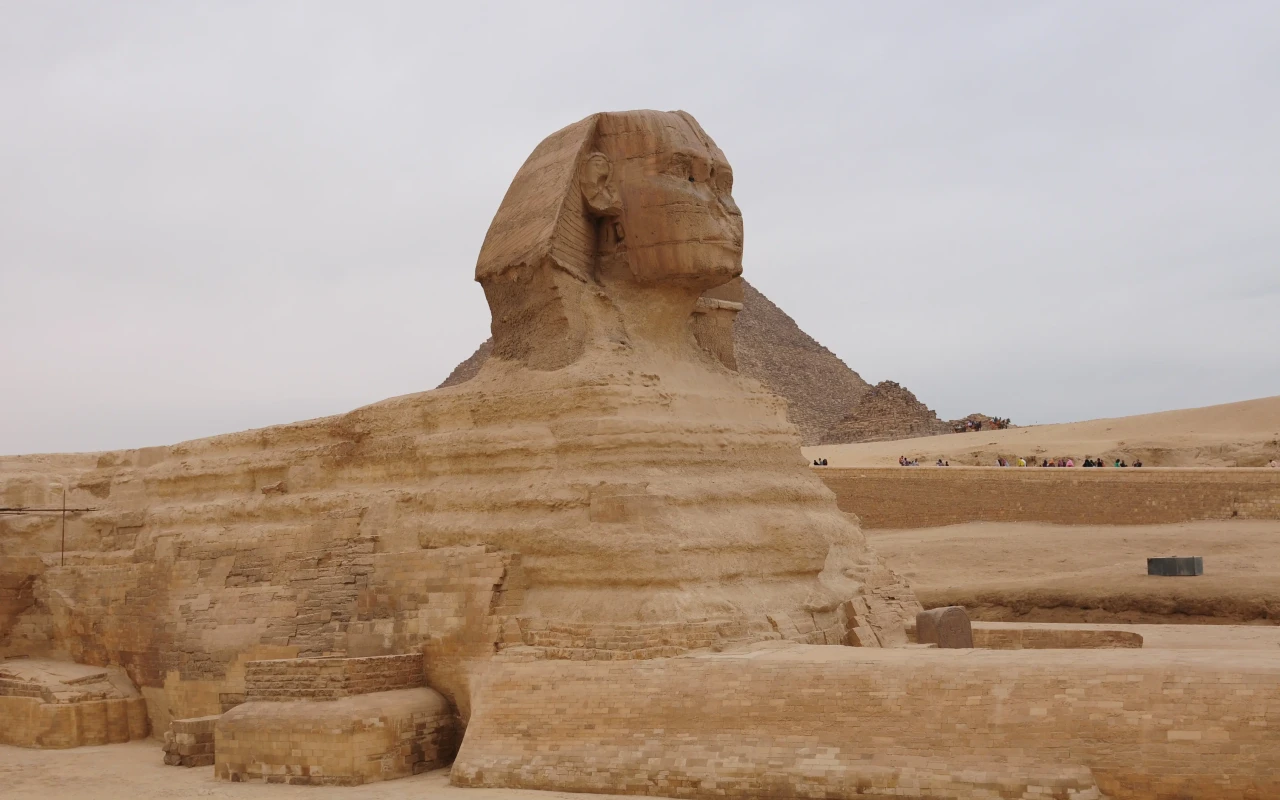
With the body of a lion and the face of a pharaoh, the Great Sphinx of Giza is the oldest monumental sculpture in the world—an iconic symbol of ancient Egypt's power, wisdom, and enduring mystery.
📌 Navigating Great Sphinx of Giza : Answers to Frequently Asked Questions
- Washrooms: Washrooms are located at the entrance of the Giza Plateau, available for visitor use.
- Hours of Operation: The site is open daily from 8:00 AM to 5:00 PM, with extended hours in peak tourist seasons.
- Important Information: Visitors should dress modestly, stay hydrated, and be prepared for hot weather, especially during summer months.
- Admission Fee: Admission fees vary; it is advisable to check current prices online prior to visiting.
- How Long to Visit: A visit to the Great Sphinx typically lasts about 1 to 2 hours, depending on interest and crowd size.
- Parking: Parking is available at the Giza Plateau, with designated areas for visitors.
- Family Friendly: The Great Sphinx of Giza is family friendly, with educational opportunities for children and ample space to explore.
- Photography: Photography is permitted, but tripods and professional equipment may require special permission.
- WIFI: Free Wi-Fi is not available on-site, but some nearby cafes may offer internet access.
- Picnic Area: There is no designated picnic area at the site; visitors are advised to eat in nearby cafes.
- Handicap Accessible: The site is partially handicap accessible, with pathways leading to viewing areas, but some sections may be challenging.
- Pets: Pets are not allowed on the premises to preserve the archaeological site.
- Guided Tours: Guided tours are available and provide in-depth information about the Sphinx and surrounding monuments.
- Restaurant or Cafe: There are no restaurants directly at the Sphinx, but several cafes and eateries are located nearby.
- Gift Shop: A gift shop is available, offering souvenirs, books, and Egyptian-themed items.
Photos of Great Sphinx of Giza
Situated just east of the Pyramid of Khafre on the Giza Plateau, the Great Sphinx of Giza is a towering limestone statue carved directly from bedrock. Measuring over 73 meters (240 feet) in length and 20 meters (66 feet) tall, the Sphinx is believed to have been built around 2500 BCE. Its exact origins, purpose, and even the identity of the face it bears remain subjects of scholarly debate and fascination. Visitors flock to stand before this ancient guardian, whose enigmatic expression has gazed over the desert for nearly 4,500 years.
What to Expect
The Sphinx stands in a sunken enclosure beside the causeway leading to the Pyramid of Khafre. From the main viewing platform, you can admire its scale and craftsmanship, framed by the pyramids behind. The statue’s face, believed to represent Pharaoh Khafre, has been weathered by millennia of wind and sand. Its missing nose and ceremonial beard add to its mystique. Visitors cannot walk directly up to the Sphinx but can view it clearly from multiple angles, especially near the Valley Temple and designated photo zones.
Background and Cultural Context
Most Egyptologists agree the Sphinx was built during the reign of Pharaoh Khafre (~2558–2532 BCE), making it part of his larger pyramid complex. The fusion of lion and man symbolized royal authority and divine protection. The monument was buried in sand for much of its history and has undergone various restoration efforts, including by Pharaoh Thutmose IV, who left behind the famous Dream Stele between its paws. Today, the Sphinx remains a powerful icon of Egypt and a focus of archaeological and spiritual speculation.
Best Time to Visit
The early morning (8–10 AM) offers the best lighting for photos and fewer crowds. Late afternoon (4–6 PM) also provides warm, dramatic light and views of the pyramids at sunset. The dry season (November–April) is ideal for comfortable exploration. Avoid mid-day in summer due to intense heat and limited shade.
How to Get There
The Great Sphinx is part of the Giza Pyramid Complex, located ~13 km southwest of Cairo. Access it via the main Giza Plateau entrance or the Sphinx gate near the Mena House Hotel. Transportation options include taxi, Uber, guided tours, or tour buses. Entry is included with general admission to the site. The Sphinx viewing area is wheelchair accessible with assistance, though terrain near the pyramid base is uneven.
Photo Opportunities
- Head-on shot of the Sphinx with the Pyramid of Khafre directly behind
- Side profile highlighting the missing nose and eroded features
- Panoramic view from the Sphinx Temple toward the entire complex
- Golden-hour silhouettes with the Sphinx and pyramids against the sunset
- Iconic “kissing the Sphinx” or scale illusion poses from the nearby platform
Travel Tips
- Hire a licensed Egyptologist guide to better understand the Sphinx’s history and symbolism.
- Bring sun protection and water—there is minimal shade near the Sphinx enclosure.
- Respect the barriers—climbing or approaching the Sphinx is strictly prohibited.
- Pair your visit with the Valley Temple, which lies adjacent and is often included in walking tours.
- Consider a night visit during the Pyramids Sound and Light Show, where the Sphinx is dramatically illuminated.
FAQs
Can I walk up to the Sphinx?
No—access is restricted to designated viewing areas to protect the monument. You’ll still get excellent close-range views.
Is the Sphinx part of the main pyramid ticket?
Yes—general admission to the Giza Plateau includes access to the Sphinx and its viewing platforms.
Why is the Sphinx missing its nose?
The nose was destroyed long ago—possibly by erosion, vandalism, or deliberate defacement. The exact cause remains uncertain.
Final Thoughts
The Great Sphinx of Giza stands as one of the most captivating symbols of ancient Egypt—a monument that invites wonder, awe, and endless interpretation. Its sheer presence, timeless gaze, and architectural mystery make it a must-see for any visitor to the land of the pharaohs. Whether you're tracing history, seeking beauty, or standing in silence before its majesty, the Sphinx never fails to inspire.