Claim to Fame
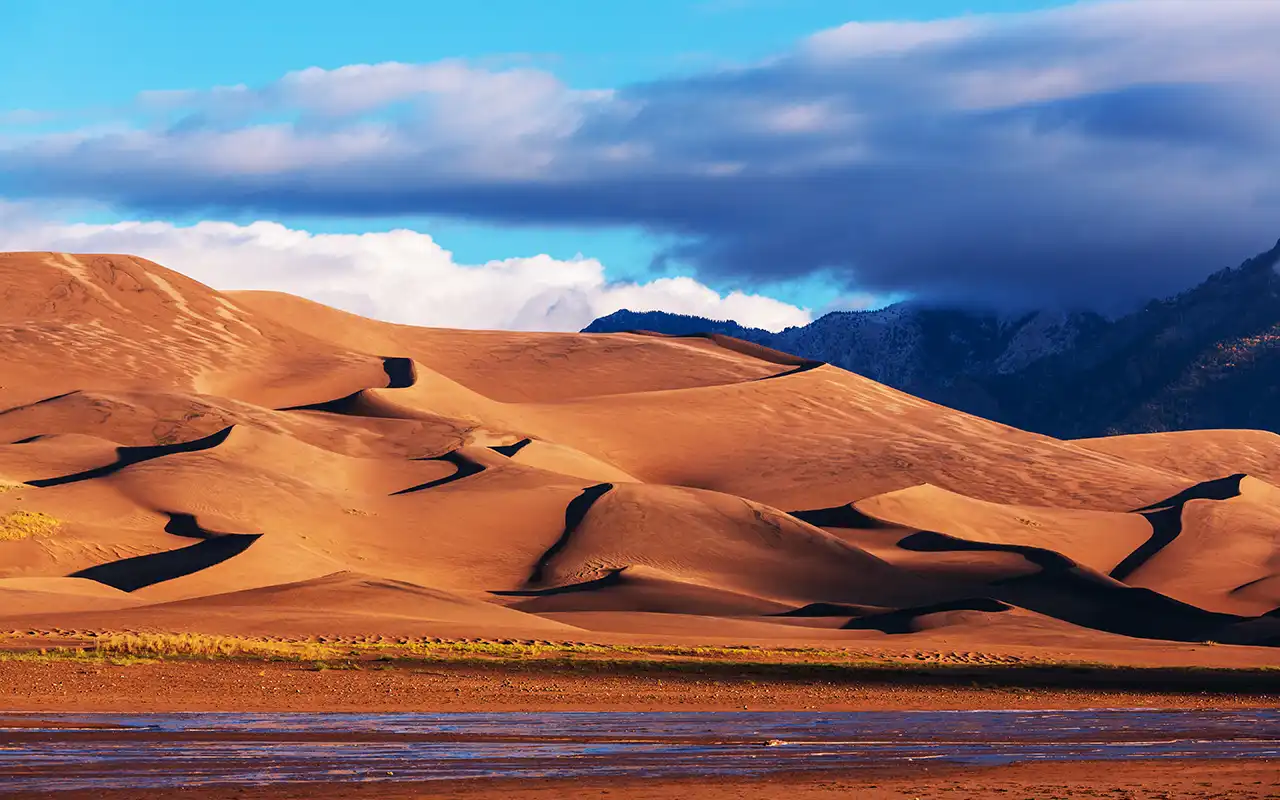
The Great Sand Dunes National Park is renowned for its towering sand dunes, unspoiled wilderness, and stunning mountain vistas, making it an extraordinary destination for adventure seekers and nature enthusiasts alike.
📌 Navigating Great Sand Dunes National Park : Answers to Frequently Asked Questions
- Washrooms: Restroom facilities are available at the visitor center and at designated areas throughout the park.
- Hours of Operation: The park is open year-round, with visitor center hours varying by season, typically from 9 AM to 5 PM.
- Important Information: Visitors should be aware of the extreme temperatures and UV exposure, and it is advisable to bring plenty of water and sunscreen.
- Admission Fee: Admission to Great Sand Dunes National Park is $10 per vehicle for a seven-day pass.
- How Long to Visit: A visit can last anywhere from a few hours to a full day, depending on activities and exploration interests.
- Admission Fee: Admission to Great Sand Dunes National Park is $10 per vehicle for a seven-day pass.
- How Long to Visit: A visit can last anywhere from a few hours to a full day, depending on activities and exploration interests.
- Washrooms: Restroom facilities are available at the visitor center and at designated areas throughout the park.
- Hours of Operation: The park is open year-round, with visitor center hours varying by season, typically from 9 AM to 5 PM.
- Important Information: Visitors should be aware of the extreme temperatures and UV exposure, and it is advisable to bring plenty of water and sunscreen.
- Parking: Parking is available at the main entrance, with a large lot that can accommodate RVs and trailers.
- Family Friendly: Great Sand Dunes National Park is family-friendly, featuring educational programs and safe areas for children to explore.
- Photography: The park is a popular photography destination, especially during sunrise and sunset when the dunes are beautifully illuminated.
- WIFI: There is no public WiFi available in the park, so visitors should plan accordingly.
- Picnic Area: Picnic areas are provided at the park, allowing visitors to enjoy meals surrounded by stunning scenery.
- Handicap Accessible: The park offers some handicap-accessible facilities, including restrooms, but the sand dunes themselves are challenging to navigate.
- Pets: Pets are allowed in the park but must be on a leash and are not permitted on trails or in the backcountry.
- Guided Tours: Guided tours are available through various organizations, offering insights into the park's unique geology and ecology.
- Restaurant or Cafe: There are no restaurants or cafes within the park; visitors should bring their own food or travel to nearby towns for dining options.
- Gift Shop: A small gift shop is located at the visitor center, offering souvenirs, educational materials, and park-related merchandise.
- Handicap Accessible: The park offers some handicap-accessible facilities, including restrooms, but the sand dunes themselves are challenging to navigate.
- Pets: Pets are allowed in the park but must be on a leash and are not permitted on trails or in the backcountry.
- Guided Tours: Guided tours are available through various organizations, offering insights into the park's unique geology and ecology.
- Restaurant or Cafe: There are no restaurants or cafes within the park; visitors should bring their own food or travel to nearby towns for dining options.
- Gift Shop: A small gift shop is located at the visitor center, offering souvenirs, educational materials, and park-related merchandise.
- Parking: Parking is available at the main entrance, with a large lot that can accommodate RVs and trailers.
- Family Friendly: Great Sand Dunes National Park is family-friendly, featuring educational programs and safe areas for children to explore.
- Photography: The park is a popular photography destination, especially during sunrise and sunset when the dunes are beautifully illuminated.
- WIFI: There is no public WiFi available in the park, so visitors should plan accordingly.
- Picnic Area: Picnic areas are provided at the park, allowing visitors to enjoy meals surrounded by stunning scenery.
📌Heads up: All times, prices and visitor policies are subject to change without notice. Please check the official website for the most recent information.
Photos of Great Sand Dunes National Park
What to Expect
Upon arrival at Great Sand Dunes National Park, visitors are immediately enveloped by an awe-inspiring landscape that feels almost otherworldly. The most striking feature is the towering dunes, some reaching heights of over 700 feet, set against the backdrop of the rugged Sangre de Cristo Mountains. The contrast between the golden sands and the snow-capped peaks creates a breathtaking panorama that shifts with the light of day. Here, adventurers can engage in activities ranging from sandboarding and sledding on the dunes to hiking through serene alpine meadows and exploring tranquil wetlands. The park offers a variety of terrains to explore, with trails leading to different ecosystems, including grasslands, ponderosa pine forests, and lush river riparian zones. The Dunes, Medano Creek, and the majestic mountains are perfect for photographers looking to capture the interplay of light and shadow across the dunes during sunrise or sunset. As you traverse the park, it's not uncommon to encounter diverse wildlife, including mule deer, red-tailed hawks, and a plethora of unique plant species that thrive in this unique habitat. While the park is famous for its sand dunes, it also offers opportunities for solitude and reflection. In quieter corners, visitors can cast their gaze towards the vast tapestry of nature, appreciating the rhythmic whispers of the wind as it dances across the grains of sand. A sense of peace envelops the area as the sounds of the world fade, leaving only the whispers of nature.Background and Cultural Context
Great Sand Dunes National Park is a remarkable testament to the geological forces that shaped it over millennia. These dazzling dunes were formed primarily by the wind, which sculpted grains of sand carried from the nearby mountains. The park itself is a relatively young establishment, officially designated as a national park in 2004, but its history stretches back thousands of years. Indigenous peoples, including the Ute and Apache tribes, have long held the area in reverence, considering it a sacred landscape filled with spiritual significance. In addition to its natural beauty, the area surrounding the dunes embodies a rich cultural history. Early European explorers and settlers marveled at the vast desert landscape inhabited by diverse flora and fauna. Today, that heritage lives on as visitors share in the story of this exceptional environment. Hiking trails unveil information about the park’s history, including geological formations and indigenous lore, allowing for a deeper appreciation of the land. The Great Sand Dunes also play an integral role in the local environment, particularly in water conservation and agriculture. The melting snow from the mountains feeds into the surrounding wetlands and streams, impacting farming practices in the San Luis Valley. Thus, the park is not merely a natural wonder; it is also an essential component of the local ecosystem and economy.Best Time to Visit
The optimal time to experience Great Sand Dunes National Park varies depending on the type of adventure you are seeking. Spring (April to June) welcomes warmer temperatures and the rejuvenation of plant life, making it ideal for hiking and picnicking. This season also witnesses the peak of Medano Creek, providing opportunities for splashing in gentle waters and enjoying the surrounding landscape coming to life after winter's grasp. Summer, while vibrant and lively, can offer sweltering temperatures, often exceeding 90°F (32°C) in the lower elevations. For those who wish to embrace the dunes during this time, early morning or late afternoon excursions are recommended to avoid the midday heat. Summer nights, however, unveil a starlit sky that is mesmerizing, perfect for stargazing as you listen to the soothing sounds of the night. Autumn (September to November) bestows a crispness in the air, providing an excellent backdrop for activities like hiking and photography as foliage transforms into vibrant hues of red and gold. Finally, winter (December to February) offers a serene escape with fewer visitors and landscapes dusted in snow, allowing for quiet contemplation and peaceful walks. The contrast of soft snow on the dunes creates a landscape that is ethereal, inviting solitude in the midst of nature's grandeur.How to Get There
Reaching Great Sand Dunes National Park is an adventure in itself as it is located in a remote yet accessible part of southern Colorado. The closest major city is Denver, approximately 240 miles to the north, where travelers can rent a car for the journey. The drive along U.S. Highway 285 provides scenic views of the Rockies, while a detour on CO-17 leads through quaint mountain towns and picturesque landscapes. For those traveling from further afield, the nearest airports include San Luis Valley Regional Airport in Alamosa, about 35 miles from the park, and Colorado Springs Airport (approximately 150 miles away). From these airports, rental car services are readily available, making the drive to the park relatively easy. Travelers should be prepared for a winding mountain road that adds to the adventure as you approach the towering dunes. Once inside the park, the visitor center offers essential information regarding trails, dune access, safety tips, and current weather conditions. As you explore the park, remember that facilities are limited, so planning ahead and ensuring you have sufficient supplies is vital for a safe and enjoyable visit.Photo Opportunities
- The towering 750-foot dunes against a backdrop of snowy peaks
- Sunrise or sunset casts deep shadows and rich colors across the sand
- Unique wildlife encounters—deer, foxes, and various bird species
- Medano Creek's gentle flow creating ripples across the sand
- Starlit night skies with minimal light pollution
Travel Tips
- Arrive early or late in the day to avoid the heat and capture stunning photographs.
- Bring plenty of water and snacks, as there are minimal services within the park.
- Wear sunscreen, a hat, and sunglasses to protect against the sun's glare on the sand.
- Layer your clothing, as temperatures can fluctuate significantly between day and night.
- Respect wildlife and maintain a safe distance.