Claim to Fame
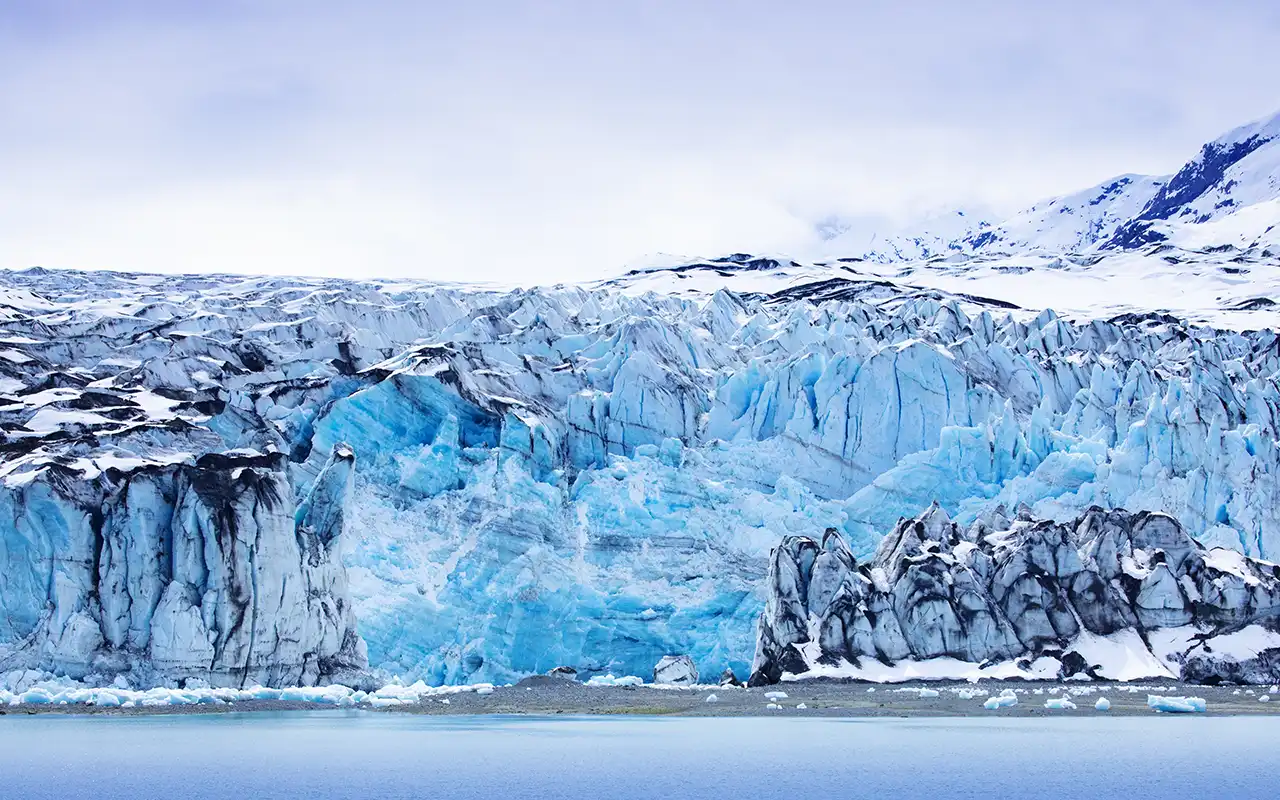
The magnificent Glacier Bay National Park is globally renowned for its stunning glaciers, diverse marine life, and breathtaking landscapes, making it a UNESCO World Heritage site that captivates adventurers and nature enthusiasts alike.
📌 Navigating Glacier Bay National Park : Answers to Frequently Asked Questions
- Washrooms: Washrooms are available at various locations, including the visitor center and some trailheads.
- Hours of Operation: The park is open year-round, but visitor services are primarily available from mid-May to mid-September.
- Important Information: Visitors are advised to check the National Park Service website for current conditions, regulations, and safety information.
- Admission Fee: Admission to Glacier Bay National Park is typically included in the fee for boat tours or via a national park pass.
- How Long to Visit: Most visitors spend 1 to 3 days in the park to fully enjoy the scenic beauty and various activities.
- Admission Fee: Admission to Glacier Bay National Park is typically included in the fee for boat tours or via a national park pass.
- How Long to Visit: Most visitors spend 1 to 3 days in the park to fully enjoy the scenic beauty and various activities.
- Washrooms: Washrooms are available at various locations, including the visitor center and some trailheads.
- Hours of Operation: The park is open year-round, but visitor services are primarily available from mid-May to mid-September.
- Important Information: Visitors are advised to check the National Park Service website for current conditions, regulations, and safety information.
- Parking: Parking is available in the nearby town of Gustavus, as there are no designated parking areas within the park itself.
- Family Friendly: The park is family-friendly, offering various educational programs and ranger-led activities suitable for children.
- Photography: Photography opportunities abound, with stunning landscapes, glaciers, and wildlife providing ideal subjects.
- WIFI: Wi-Fi is limited within the park, with more reliable access available in Gustavus.
- Picnic Area: Picnic areas are available in designated spots where visitors can enjoy meals surrounded by nature.
- Handicap Accessible: Glacier Bay National Park provides some handicap-accessible facilities, including certain trails and visitor services.
- Pets: Pets are not allowed in the park to protect wildlife and preserve the natural environment.
- Guided Tours: Guided tours are available, including boat tours that explore the bay and its glaciers, led by knowledgeable naturalists.
- Restaurant or Cafe: There are no restaurants or cafes within the park, but options are available in nearby Gustavus.
- Gift Shop: A small gift shop is located in the visitor center, offering souvenirs, educational materials, and local crafts.
- Handicap Accessible: Glacier Bay National Park provides some handicap-accessible facilities, including certain trails and visitor services.
- Pets: Pets are not allowed in the park to protect wildlife and preserve the natural environment.
- Guided Tours: Guided tours are available, including boat tours that explore the bay and its glaciers, led by knowledgeable naturalists.
- Restaurant or Cafe: There are no restaurants or cafes within the park, but options are available in nearby Gustavus.
- Gift Shop: A small gift shop is located in the visitor center, offering souvenirs, educational materials, and local crafts.
- Parking: Parking is available in the nearby town of Gustavus, as there are no designated parking areas within the park itself.
- Family Friendly: The park is family-friendly, offering various educational programs and ranger-led activities suitable for children.
- Photography: Photography opportunities abound, with stunning landscapes, glaciers, and wildlife providing ideal subjects.
- WIFI: Wi-Fi is limited within the park, with more reliable access available in Gustavus.
- Picnic Area: Picnic areas are available in designated spots where visitors can enjoy meals surrounded by nature.
📌Heads up: All times, prices and visitor policies are subject to change without notice. Please check the official website for the most recent information.
Photos of Glacier Bay National Park
What to Expect
Visitors to Glacier Bay National Park can immerse themselves in an unparalleled experience characterized by towering glaciers, serene waterways, and a rich tapestry of wildlife. As you navigate the park, you may witness the dramatic calving of glaciers, a spectacle where massive chunks of ice break off and plunge into the bay, generating thunderous sounds that echo through the pristine wilderness. The park's rugged coastline is punctuated by serene fjords and small islands, providing countless opportunities for wildlife spotting—from sea otters frolicking near the shores to humpback whales breaching in the distance. The vibrant ecosystems within the park are equally striking. Dense forests meld with vast icy expanses, creating a habitat filled with myriad plant and animal species. Keep an eye out for mountain goats expertly navigating the cliffs, or the iconic brown bears ambling along the beaches during the salmon run. Whether you are hiking on trails that wind through lush forests or kayaking in the tranquil waters, Glacier Bay offers a sensory overload of breathtaking sights, sounds, and scents. Through educational ranger programs and guided tours, visitors can also deepen their understanding of the park's unique geological and ecological history. The exceptional scenery invites exploration, so whether you're an experienced mountaineer or a casual hiker, the landscape provides something to engage every visitor’s sense of adventure.Background and Cultural Context
Glacier Bay National Park, located in the southeastern region of Alaska, is a realm shaped by millennia of glacial activity. The park encompasses over 3.3 million acres of untouched wilderness that tell the story of the Ice Age. The icebergs that float in the bay are remnants of glaciers that have slowly retreated over the years, revealing fjords that were once carved by massive ice sheets. The park’s geological significance is highlighted by its extensive glacial systems, which scientists study for insights into climate change and environmental shifts. Human history in this region extends back thousands of years, with the Tlingit people having lived in harmony with the surrounding landscape. Their cultural connection to Glacier Bay is profound; these Indigenous peoples still rely on the resources of the land and sea, and their ancestors played a vital role in the history of the area. Interpretive programs within the park highlight the Tlingit’s stories, beliefs, and intricate relationship with the natural world, providing visitors with a deeper understanding of the rich cultural tapestry woven into the fabric of Glacier Bay. The park was established in 1980, evolving from its designation as a national monument in 1978. As it gained protected status, efforts to conserve its unique landscapes and ecosystems were enhanced, ensuring that future generations can enjoy the same awe-inspiring vistas that have drawn explorers and nature lovers for centuries. The preservation of this unique environment has fostered a commitment to sustainable tourism and conservation efforts that encourage visitors to respect and protect its fragile ecosystems.Best Time to Visit
The prime period for exploring Glacier Bay National Park stretches from late May to mid-September. During these months, the area's diverse offerings are fully accessible, and visitors can relish in the park's comprehensive seasonal experiences. Late spring sees the dramatic emergence of wildlife, including the return of migratory birds and the awakening of hibernating animals. Wildflowers bloom, painting the landscape in bursts of color, and the vistas of polished ice and rock are particularly striking under the clear skies of summer. By mid-summer, the park is alive with activity, as flora and fauna reach their peak, offering spectacular opportunities for wildlife observation. Humpback whales can often be seen breaching and feeding in the nutrient-rich waters, while seals bask on ice floats. The long daylight hours allow for extended exploration, making it an ideal time for photographers to capture the ethereal light reflecting off glacial ice. As the summer wanes into early autumn, visitors can enjoy mild weather and a quieter atmosphere. The vibrant fall foliage provides another layer of aesthetic enjoyment, with various hues contrasting beautifully against the blue ice and dark waters. Although some tours and facilities may begin to close, the tranquility of the park in early September can be deeply rewarding for those seeking a more solitary experience amidst the stunning natural beauty.How to Get There
Reaching Glacier Bay National Park is an adventure in itself, with various options available depending on your starting point. The most common gateway to the park is the small town of Gustavus, accessible by a short flight from Juneau. Once you arrive in Gustavus, you may choose to board a water taxi or a tour vessel to reach the park. These picturesque boat rides provide a unique vantage point of the coastline and often include wildlife sightings along the way. Alternatively, visitors can also explore Glacier Bay by cruise ship. Many cruise lines operate itineraries that include Glacier Bay as a port of call, allowing passengers to experience the park’s grandeur from the comfort of their vessels. Onboard naturalists often enhance this experience with informative talks about the region’s geology and ecology, setting the stage for the breathtaking views to come upon entering the park. For those with a penchant for adventure, kayaking offers an exciting way to explore the bay. Whether embarking on guided tours or venturing out independently, paddling through the waters of Glacier Bay allows for an intimate connection with the environment, providing proximity to wildlife and the opportunity to appreciate the park’s beauty at a slower pace. Whatever your preferred method of travel, the journey to Glacier Bay promises to be a captivating introduction to this remarkable place.Photo Opportunities
- Calving glaciers with breathtaking ice collapses
- Vibrant wildflower landscapes during the summer months
- Wildlife encounters: bears, whales, and seabirds
- Sunset reflections on glacial waters
- Serene fjords framed by towering cliffs
Travel Tips
- Pack layers to accommodate fluctuating temperatures and unexpected weather changes.
- Bring binoculars for optimal wildlife viewing, especially whale watching.
- Consider using sunscreen and insect repellent during the warmer months.
- Plan and book tours in advance, especially in peak season for popular excursions.
- Always adhere to park regulations and guidelines to protect wildlife and habitats.