Claim to Fame
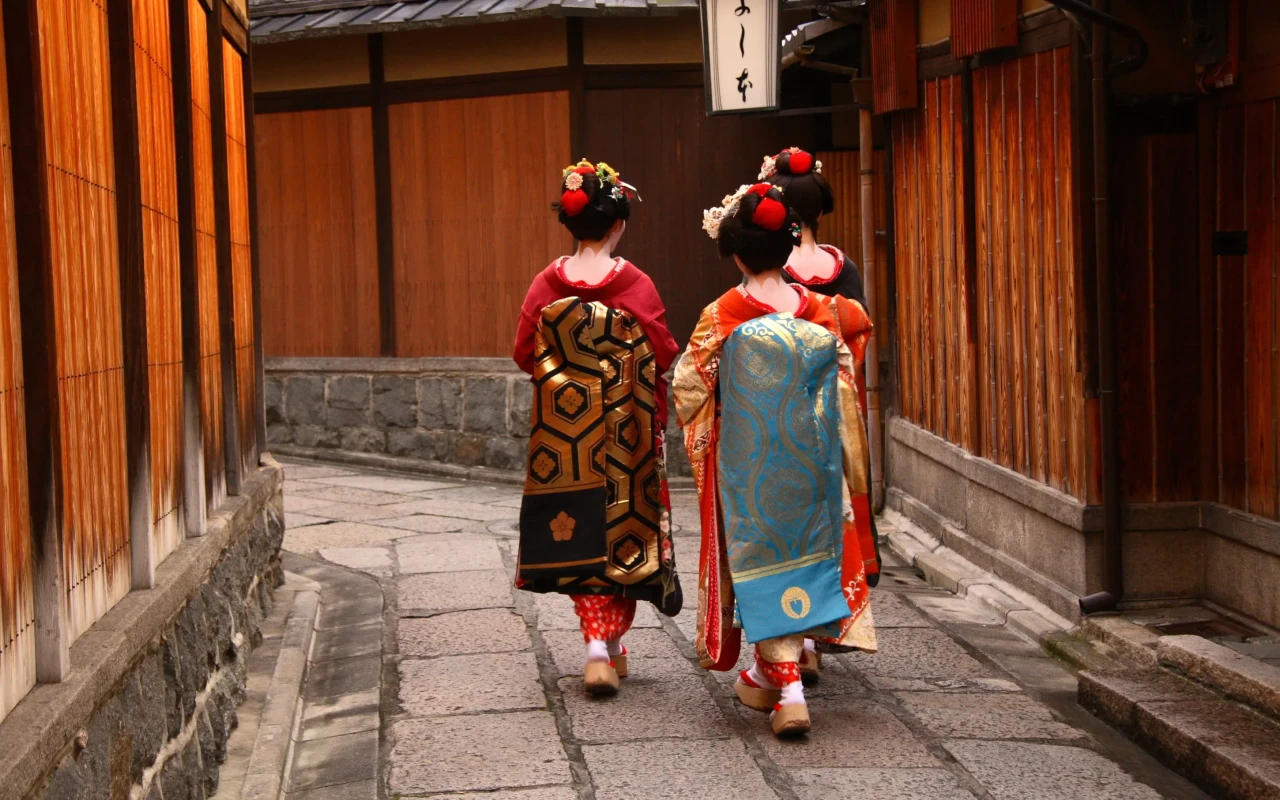
The Gion District is famous for its traditional wooden machiya houses, geisha culture, and stunning cherry blossoms, providing visitors with a mesmerizing glimpse into Japan's rich history and timeless elegance.
📌 Navigating Gion District : Answers to Frequently Asked Questions
- Washrooms: Washrooms are available in some public areas and establishments throughout Gion.
- Hours of Operation: Gion is open year-round, but specific shops and attractions may have varying hours, typically from 10 AM to 6 PM.
- Important Information: Be respectful of local customs and traditions, especially in areas where geisha culture is prominent.
- Admission Fee: There is no admission fee to walk through the Gion District, but some attractions may charge separately.
- How Long to Visit: A visit to Gion can take anywhere from 1 to 3 hours, depending on your interest in exploring shops and enjoying performances.
- Parking: Parking is limited in Gion, so it's recommended to use public transport or nearby parking facilities.
- Family Friendly: Gion is family-friendly, offering cultural experiences that can be enjoyed by visitors of all ages.
- Photography: Photography is encouraged, especially of the traditional architecture, geisha culture, and vibrant street life.
- WIFI: Free public Wi-Fi is available in some areas, but connectivity may vary.
- Picnic Area: There are no designated picnic areas in Gion, but nearby parks may offer suitable spots.
- Handicap Accessible: The Gion District has some areas that are wheelchair accessible, but many traditional streets may have uneven terrain.
- Pets: Pets are generally not allowed in most establishments and some public areas in Gion.
- Guided Tours: Guided tours are available, providing insights into the history and culture of Gion.
- Restaurant or Cafe: There are several restaurants and cafes in Gion, offering both traditional Kyoto cuisine and modern options.
- Gift Shop: Gift shops in Gion sell traditional crafts, souvenirs, and local products.
📌Heads up: All times, prices and visitor policies are subject to change without notice. Please check the official website for the most recent information.
Photos of Gion District
What to Expect
As you wander through the enchanting streets of Gion, you'll find yourself enveloped in an atmosphere that seamlessly meshes the past with the present. The narrow, lantern-lit alleyways invite exploration, revealing hidden teahouses where geiko (geisha) and maiko (apprentice geisha) gracefully entertain guests. The area exudes a tranquil charm, with wooden townhouses lining the streets, some dating back to the Edo period. You may even stumble upon a traditional performance or a seasonal festival, offering a deeper connection to the region's cultural heritage. The beauty of Gion is enhanced during the cherry blossom season, when the streets become draped in delicate pink blooms, transforming the district into a fairytale setting. Photography enthusiasts will find countless opportunities to capture the picturesque scenery, from the iconic Yasaka Shrine to the serene banks of the Shirakawa Canal. Prepare to be captivated by the gentle sounds of the local koto music, further enriching your experience in this historic district. In the evenings, Gion takes on a mysterious allure as the soft glow of paper lanterns illuminates the pathways. With the rhythmic clacking of wooden sandals against the pavements, the ambiance becomes almost surreal, as elegant silhouettes of kimono-clad women glide gracefully past. Each turn brings forth new surprises—art galleries, quaint shops selling handmade crafts, and eateries serving exquisite kaiseki cuisine that reflects the delicate artistry of Japanese gastronomy.Background and Cultural Context
The Gion District has a storied past that dates back to the 7th century, originally established to support the nearby Yasaka Shrine, which plays a pivotal role in local traditions and festivals. Gion evolved into a lively entertainment district during the Edo period, when geisha culture flourished. The skilled performers were not only sources of entertainment but also custodians of an intricate art form, encompassing music, dance, and conversation—skills honed through years of training. Within this district, you'll encounter the practices that have been passed down through generations. The meticulous art of the tea ceremony, the elegance of traditional koto music, and the grace of geisha performances all tell a story of cultural continuity. In Gion, time seems to stand still, with traditions preserved within the very fabric of the district, appealing to those who seek a genuine, immersive experience into Japanese culture. Furthermore, Gion is central to the annual Gion Matsuri, one of Japan's most famous festivals, celebrated every July. The vibrant procession of floats, known as yamaboko, showcases elaborate craftsmanship and community spirit, drawing crowds from around the country and beyond. Understanding the historical significance of Gion enhances your exploration, inviting you to appreciate the depth of its cultural landscape and the role it plays in Japan's national identity.Best Time to Visit
To truly enjoy all that Gion has to offer, timing is everything. The cherry blossom season, typically peaking in early April, enchants visitors with stunning displays of sakura against the backdrop of historic architecture. The district becomes a picturesque setting for hanami, or flower viewing, as both locals and tourists gather to appreciate the ephemeral beauty of the blossoms that signal the arrival of spring. Another stunning time to visit is during autumn, when the leaves transform into a palette of fiery reds and oranges. The effect is particularly striking when contrasted with the architecture of the traditional wooden houses, creating a visual feast that delights the eyes and invigorates the spirit. The cool, crisp air and quieter streets, as the summer crowds disperse, offer a more intimate experience of Gion’s charm. For those who prefer an immersive experience in cultural events, planning a visit around the Gion Matsuri in July is a fantastic choice. Immerse yourself in the lively atmosphere and partake in the festivities that highlight the rich cultural heritage of the district and the people who inhabit it. Every season reveals a new layer of Gion, inviting repeat visits to explore its multifaceted beauty year-round.How to Get There
Gion is conveniently located in Kyoto and is easily accessible via various modes of transportation. From Kyoto Station, you can take the Karasuma Subway Line to Shijo Station, followed by a short walk to reach the heart of Gion. Alternatively, the Hankyu Kyoto Line will take you to Kawaramachi Station, which is also within walking distance. The connection to public transport makes it simple for travelers to navigate the city and explore other cultural landmarks. For those who enjoy a leisurely pace, consider renting a bicycle or even walking from nearby attractions like the historic Kiyomizu-dera Temple. The journey provides an opportunity to immerse yourself in the sights and sounds of Kyoto, as you pass by shops selling traditional merchandise and local cafes offering tempting culinary delights. Walking through Kyoto not only connects you with the districts but enriches your overall travel experience. If you’re coming from other cities, shinkansen (bullet train) services connect Kyoto with major urban centers such as Tokyo and Osaka, making it a feasible day trip or an extended stay. Once in the city, be mindful of the tram and bus services that provide expansive coverage, ensuring ease of travel to Gion and beyond.Photo Opportunities
- The cherry blossoms along the Shirakawa Canal during spring.
- Traditional wooden machiya houses at twilight.
- Yasaka Shrine adorned with lanterns during festivals.
- Geiko and maiko in colorful kimonos against a historical backdrop.
- Picturesque streets illuminated by lanterns in the evening.
Travel Tips
- Visit early in the morning or later in the evening to avoid the crowds.
- Respect the customs and practices of geisha culture; avoid unsolicited photographs.
- Try local delicacies at traditional tea houses for an authentic culinary experience.
- Look for less traveled alleyways for unique photo opportunities away from tourists.
- Wear comfortable shoes, as the district is best experienced on foot.