Claim to Fame
The Gates of the Arctic National Park is renowned for its pristine wilderness, remote landscapes, and unparalleled opportunities for adventure, standing as a testament to the natural beauty of Alaska’s untouched environment.
📌 Navigating Gates of the Arctic National Park : Answers to Frequently Asked Questions
- Washrooms: There are no washrooms or restroom facilities within the park, so visitors must plan accordingly.
- Hours of Operation: The park is open year-round, but access may vary depending on weather conditions and seasonal changes.
- Important Information: Visitors should be well-prepared for wilderness conditions, including proper gear, navigation skills, and knowledge of safety protocols.
- Admission Fee: Admission to Gates of the Arctic National Park is free, with no entrance fees required.
- How Long to Visit: A visit to Gates of the Arctic can vary in duration, but most visitors spend at least a few days to fully appreciate its beauty.
- Admission Fee: Admission to Gates of the Arctic National Park is free, with no entrance fees required.
- How Long to Visit: A visit to Gates of the Arctic can vary in duration, but most visitors spend at least a few days to fully appreciate its beauty.
- Washrooms: There are no washrooms or restroom facilities within the park, so visitors must plan accordingly.
- Hours of Operation: The park is open year-round, but access may vary depending on weather conditions and seasonal changes.
- Important Information: Visitors should be well-prepared for wilderness conditions, including proper gear, navigation skills, and knowledge of safety protocols.
- Parking: There is no designated parking area in Gates of the Arctic National Park, as access is primarily by foot or small aircraft.
- Family Friendly: Gates of the Arctic is family-friendly, offering opportunities for adventure and exploration, but families should be prepared for wilderness conditions.
- Photography: Photography is exceptional in the park, featuring stunning landscapes, diverse wildlife, and unique natural phenomena.
- WIFI: There is no WIFI access in the park, as it is remote and lacks cellular service.
- Picnic Area: There are no designated picnic areas, but visitors can enjoy meals in the wilderness as long as they follow Leave No Trace principles.
- Handicap Accessible: The park is not handicap accessible due to its rugged terrain and lack of developed infrastructure.
- Pets: Pets are not allowed in the park to protect wildlife and preserve the natural environment.
- Guided Tours: Guided tours are not typically available within the park; visitors often rely on self-guided exploration or arrange for private guides.
- Restaurant or Cafe: There are no restaurants or cafes within the park; visitors should plan to bring their own food and supplies.
- Gift Shop: There are no gift shops in the park; visitors can find souvenirs in nearby towns before entering.
- Handicap Accessible: The park is not handicap accessible due to its rugged terrain and lack of developed infrastructure.
- Pets: Pets are not allowed in the park to protect wildlife and preserve the natural environment.
- Guided Tours: Guided tours are not typically available within the park; visitors often rely on self-guided exploration or arrange for private guides.
- Restaurant or Cafe: There are no restaurants or cafes within the park; visitors should plan to bring their own food and supplies.
- Gift Shop: There are no gift shops in the park; visitors can find souvenirs in nearby towns before entering.
- Parking: There is no designated parking area in Gates of the Arctic National Park, as access is primarily by foot or small aircraft.
- Family Friendly: Gates of the Arctic is family-friendly, offering opportunities for adventure and exploration, but families should be prepared for wilderness conditions.
- Photography: Photography is exceptional in the park, featuring stunning landscapes, diverse wildlife, and unique natural phenomena.
- WIFI: There is no WIFI access in the park, as it is remote and lacks cellular service.
- Picnic Area: There are no designated picnic areas, but visitors can enjoy meals in the wilderness as long as they follow Leave No Trace principles.
📌Heads up: All times, prices and visitor policies are subject to change without notice. Please check the official website for the most recent information.
Photos of Gates of the Arctic National Park
What to Expect
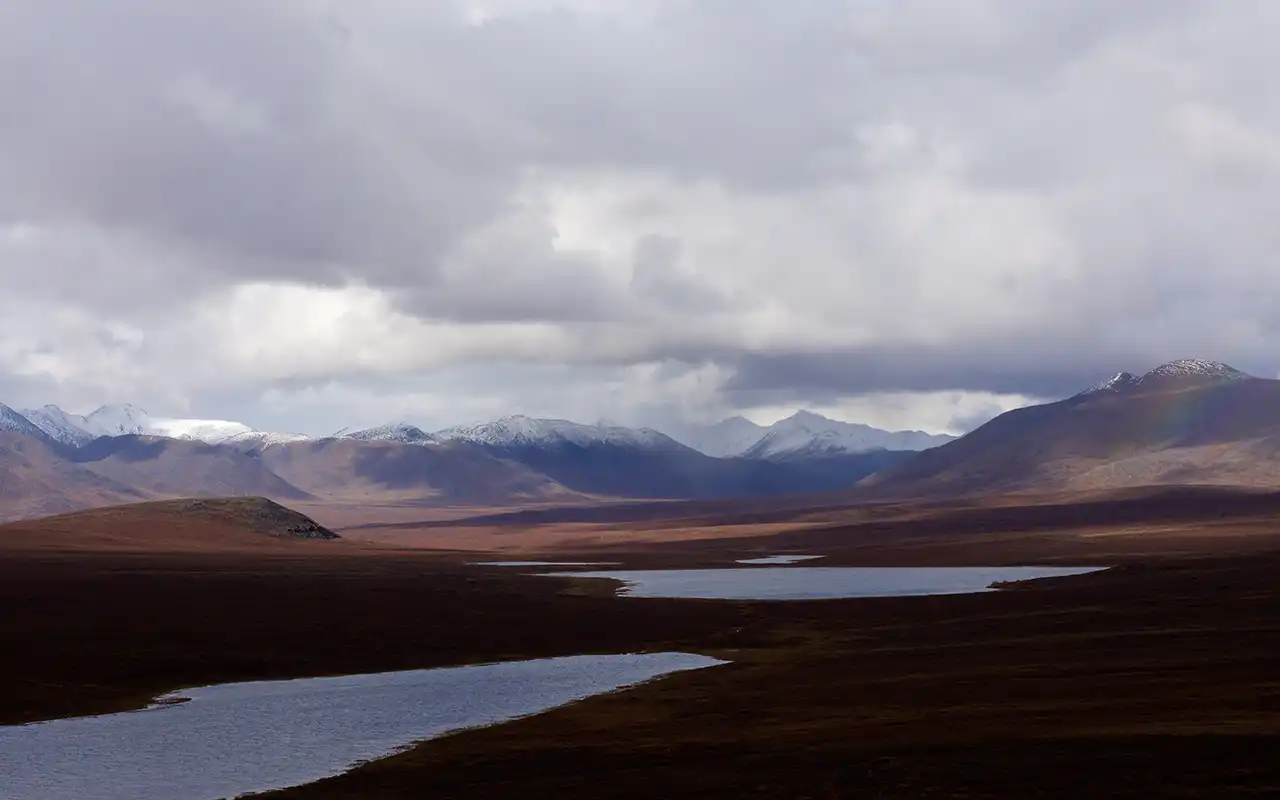
As you venture into Gates of the Arctic National Park, prepare to be captivated by dramatic mountain ranges, sprawling tundra, and glistening rivers that carve through the rugged terrain. With no established trails, this park offers a genuine backcountry experience where the only sounds you’ll hear are the whispers of the wind and the calls of local wildlife. The vastness of the park, spanning over 8 million acres, invites exploration at your own pace, whether you prefer hiking, kayaking, or simply soaking in the breathtaking landscapes. Wildlife enthusiasts will delight in the diversity of fauna that inhabits this extraordinary ecosystem. Keep your eyes peeled for caribou migrating across the tundra, playful arctic foxes darting in and out of the underbrush, and the majestic golden eagle soaring overhead. The ever-changing seasons bring distinct charm to the park; from the vibrant summer blooms to the stunning hues of autumn foliage, each visit offers new wonders to behold. The serenity found in this remote location provides a retreat from the fast-paced world, making it a haven for solitude seekers and adventurers alike. With such a rich tapestry of natural beauty, the park also serves as a living classroom for those interested in geology, botany, and ecology. Expertly guided tours and ranger programs enrich your understanding of the region’s geology and biodiversity, as well as its significance to Indigenous cultures. Whether you're trekking the rugged trails or simply inhaling the crisp, pure air, every moment spent in Gates of the Arctic National Park is an opportunity to forge a deeper connection with nature.Background and Cultural Context
Gates of the Arctic National Park, established in 1980, is heralded for protecting one of the last remaining true wilderness areas in the United States. It is not just a haven for nature lovers but also a space steeped in rich Indigenous history. The park lands are the ancestral home of the Iñupiat people, whose knowledge of the environment has fostered respectful stewardship for thousands of years. Understanding this connection enriches the visitor experience, highlighting the profound relationship between the land and its original inhabitants. The name "Gates of the Arctic" derives from the rugged peaks framing the north entrance of the park, creating a dramatic gateway to this remote wilderness. The geographical features are a mix of sharp ridges, clear rivers, and dense forests, all sculptured by eons of glacial activity. This geological marvel, combined with the human narrative that spans generations, forms an intricate backdrop for any visit. Engaging with the cultural context, you may discover remnants of traditional hunting methods or learn about survival skills essential for life in such a harsh yet beautiful environment. Today, the park stands as a protected area that encourages conservation and respect. Through the establishment of National Park Service programs, visitors are invited to learn about preservation while enjoying its natural splendors. Narratives shared by the Iñupiat, focusing on their sustainable practices and connection to the land, resonate as vital lessons in today’s rapidly changing world. Understanding this cultural and historical tapestry enhances the experience of all who visit, fostering a sense of responsibility to protect and cherish the wilderness for generations to come.Best Time to Visit
The best time to visit Gates of the Arctic National Park largely depends on the kind of experience you seek. Summer, from late June to early September, is when the park is most accessible. During these months, temperatures range from the upper 50s to low 70s Fahrenheit, providing a comfortable climate for outdoor activities. Long daylight hours allow for extended exploration, with the sun barely dipping below the horizon, creating a magical twilight ambiance that beckons both hikers and wildlife enthusiasts alike. Wildflowers bloom across the tundra, and the park's rivers swell with snowmelt, offering opportunities for fishing and rafting. As autumn approaches, the landscape transforms into a spectacular canvas of reds, oranges, and yellows, offering a stunning backdrop for photography. The temperatures begin to drop, and the wildlife prepares for winter, creating an extraordinary environment for those looking to capture the changing seasons. However, be prepared for rapidly changing weather conditions and shorter days, which can significantly affect your adventure plans. Early fall remains a favorite among seasoned explorers seeking solitude and a more rugged experience. Winter unveils another side of Gates of the Arctic, attracting a different kind of visitor. From late September through early March, the park transforms into a snowy wonderland, where adventure-seekers can enjoy snowshoeing and cross-country skiing amidst serene silence. The potential to witness the dramatic auroras overhead enhances this unique winter experience. However, it’s important to note that access is severely limited during these months, requiring careful planning and specialized equipment for those daring enough to venture in. The seasonal considerations highlight the park's diverse landscape, tailored for different types of explorers throughout the year.How to Get There
Reaching Gates of the Arctic National Park requires careful planning, as the park's remoteness is part of its charm. The nearest town is Bettles, a small community that serves as a gateway to the park. To get there, visitors typically fly into Fairbanks, Alaska, where a variety of airlines connect to Bettles. After the short flight, prepare for the thrill of navigating your way into the untouched wilderness. Transportation options from Bettles include air taxis that service several locations within the park, as well as hiking or canoeing from the nearest landing spots, depending on your itinerary. Once inside the park, a sense of adventure truly begins. Travelers are strongly encouraged to come well-prepared, as the lack of marked trails and infrastructure means visitors typically rely on backcountry skills. Those engaged in plot development should consider guided tours, as local outfitters often provide expertise and essentials for safe exploration methods. It’s essential to establish a clear plan surrounding your intended activities, including the best starting point for your trek or float trip, as well as securing necessary permits in advance. If you're drawn to the allure of solitude and limitless exploration, remember that the journey into Gates of the Arctic is meant to be savored. Be conscious of the extremes of weather and terrain, and allow ample time to absorb the majestic surroundings. While the paths may not be paved and the journeys may be taxing, the overwhelming beauty of this untouched part of Alaska offers rewards far beyond the reach of conventional tourism.Photo Opportunities
- Stunning mountain vistas at dawn, when the first light peaks over the rugged ranges.
- Wildlife encounters, especially during migration season.
- Reflective surfaces of clear rivers and lakes showcasing the surrounding landscapes.
- Close-ups of vibrant wildflowers blooming in the summer months.
- The striking aurora borealis during winter nights.
Travel Tips
- Plan your itinerary in advance and ensure you have all necessary permits.
- Carry essential supplies, including insect repellent, as mosquitoes can be numerous in summer.
- Gear up for variable weather conditions; layering is key to staying comfortable.
- Utilize local guides to enhance your understanding and enjoyment of the park’s environment.
- Familiarize yourself with Leave No Trace principles to minimize your impact on this pristine area.