Claim to Fame
The Everglades National Park is renowned for its expansive wetlands, diverse wildlife, and unique subtropical landscapes, making it a UNESCO World Heritage site and a haven for ecotourism.
📌 Navigating Everglades National Park : Answers to Frequently Asked Questions
- Washrooms: Washrooms are available at visitor centers and some picnic areas, but they may be limited in the backcountry.
- Hours of Operation: Everglades National Park is open 24 hours a day, but visitor centers have specific operational hours.
- Important Information: Important information includes being aware of weather conditions, mosquito protection, and staying safe around wildlife.
- Admission Fee: Admission fees are charged per vehicle, with annual passes also available for frequent visitors.
- How Long to Visit: A visit can range from a few hours to a full day, depending on the activities and areas explored.
- Admission Fee: Admission fees are charged per vehicle, with annual passes also available for frequent visitors.
- How Long to Visit: A visit can range from a few hours to a full day, depending on the activities and areas explored.
- Washrooms: Washrooms are available at visitor centers and some picnic areas, but they may be limited in the backcountry.
- Hours of Operation: Everglades National Park is open 24 hours a day, but visitor centers have specific operational hours.
- Important Information: Important information includes being aware of weather conditions, mosquito protection, and staying safe around wildlife.
- Parking: Parking is available at various locations throughout Everglades National Park, including visitor centers and trailheads.
- Family Friendly: The park is family-friendly, offering educational programs and activities suitable for all ages.
- Photography: Photography opportunities abound in the park, especially for wildlife and unique landscapes, particularly during sunrise and sunset.
- WIFI: WIFI is not available within the park, so visitors should plan accordingly before arriving.
- Picnic Area: Picnic areas are provided at several locations within the park, equipped with tables and grills for visitor use.
- Handicap Accessible: Many park facilities are handicap accessible, including visitor centers, restrooms, and some trails.
- Pets: Pets are not allowed on trails or in the backcountry, but they are permitted in designated areas and campgrounds.
- Guided Tours: Guided tours are available through various operators, including airboat rides, canoe trips, and ranger-led programs.
- Restaurant or Cafe: There are no full-service restaurants, but the Ernest F. Coe Visitor Center has a small café offering snacks and drinks.
- Gift Shop: Gift shops can be found at visitor centers, offering souvenirs, educational materials, and park-related merchandise.
- Handicap Accessible: Many park facilities are handicap accessible, including visitor centers, restrooms, and some trails.
- Pets: Pets are not allowed on trails or in the backcountry, but they are permitted in designated areas and campgrounds.
- Guided Tours: Guided tours are available through various operators, including airboat rides, canoe trips, and ranger-led programs.
- Restaurant or Cafe: There are no full-service restaurants, but the Ernest F. Coe Visitor Center has a small café offering snacks and drinks.
- Gift Shop: Gift shops can be found at visitor centers, offering souvenirs, educational materials, and park-related merchandise.
- Parking: Parking is available at various locations throughout Everglades National Park, including visitor centers and trailheads.
- Family Friendly: The park is family-friendly, offering educational programs and activities suitable for all ages.
- Photography: Photography opportunities abound in the park, especially for wildlife and unique landscapes, particularly during sunrise and sunset.
- WIFI: WIFI is not available within the park, so visitors should plan accordingly before arriving.
- Picnic Area: Picnic areas are provided at several locations within the park, equipped with tables and grills for visitor use.
📌Heads up: All times, prices and visitor policies are subject to change without notice. Please check the official website for the most recent information.
Photos of Everglades National Park
What to Expect
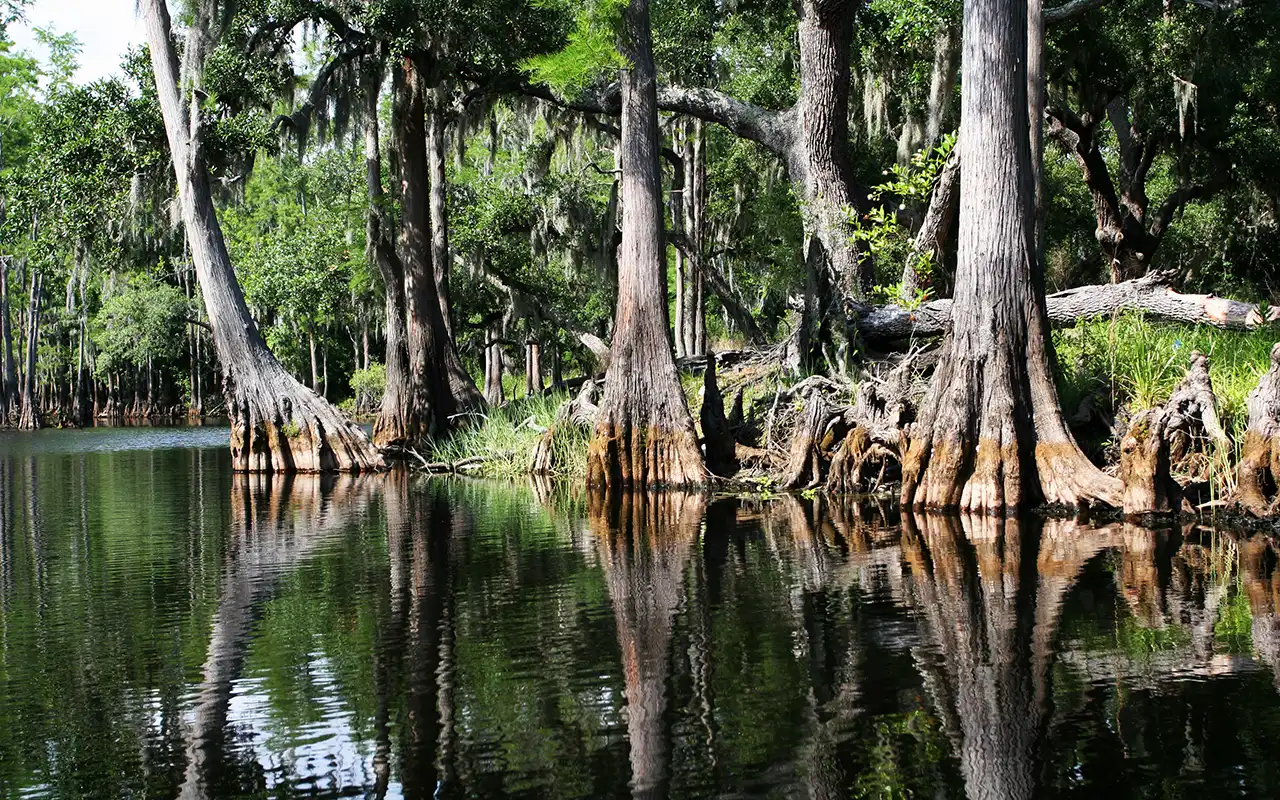
Visitors to Everglades National Park can anticipate a captivating wilderness that feels like stepping into another world. The park's vast expanse covers over 1.5 million acres, offering an intricate tapestry of ecosystems ranging from swampy mangroves to sawgrass prairies. As you traverse the various trails and waterways, you may encounter a remarkable array of wildlife, including alligators basking in the sun, colorful wading birds gracefully taking flight, and the elusive Florida panther stealthily navigating its territory. The park's unique geography creates a slow-moving river of grass, where subtropical plants intertwine with aquatic flora, giving rise to a landscape that is visually stunning and ecologically significant. Whether you choose to walk, bike, canoe, or take an airboat ride, each encounter with the Everglades' diverse habitats is guaranteed to leave an indelible mark on your journey. The sounds of nature – from the gentle rustle of the reeds to the melodic calls of birds – create a symphony that enchants the senses and reminds you just how alive this environment truly is. One of the highlights of visiting the Everglades is the opportunity for wildlife enthusiasts and photographers alike to witness the delicate balance of life in this realm. The changing light throughout the day offers varying perspectives on the landscapes and the creatures that inhabit them. Whether you're a seasoned naturalist or a curious traveler, the Everglades provide an immersive experience that invites exploration and fosters understanding of its fragile ecosystems.Background and Cultural Context
The Everglades is not only a natural wonder but also a cultural treasure with a rich history. Originally inhabited by the indigenous Seminole and Miccosukee tribes, the region holds deep cultural significance. These tribes have developed a profound connection to the land, relying on its resources for sustenance and spiritual practices for centuries. Their descendants continue to honor and preserve their heritage, offering visitors insight into the cultural narratives that have been woven into the fabric of the Everglades. The establishment of Everglades National Park in 1947 was a significant milestone in the preservation of this unique environment. It was a response to the increasing threats posed by urban expansion and agricultural development that endangered the region's ecosystems. The park not only serves as a sanctuary for wildlife but also as a critical resource for scientific research and conservation efforts aimed at restoring its delicate balance. The recognition as a UNESCO World Heritage site and a Wetland of International Importance further underscores the need for ongoing protection and education about this vibrant ecosystem. Throughout its history, the Everglades has also inspired artists, writers, and environmentalists alike. The evocative landscapes have served as a backdrop for countless works of art, literature, and advocacy efforts, igniting a passion for conservation that resonates within and beyond its boundaries. Engaging with both the natural and cultural narratives enhances the visitor experience and fosters a deeper appreciation for the interconnectedness of life in the Everglades.Best Time to Visit
The Everglades showcases a dynamic climate that varies throughout the year, making the timing of your visit an essential consideration. The dry season, extending from November to April, is often regarded as the ideal time to explore. With lower humidity and cooler temperatures, outdoor activities become more pleasurable. The wildlife is particularly active, making it easier to spot alligators, birds, and other native species. Birdwatchers, specifically, will find this period particularly rewarding as migratory species flock to the area, transforming the skies into a captivating display of color and sound. In contrast, the wet season, from May to October, brings frequent rain and higher humidity. While this may deter some visitors, the lush greenery and vibrant blooms create stunning landscapes, and the park becomes less crowded. This season also presents a unique opportunity to see the Everglades' ecosystems rejuvenate after the rains. However, if you opt to visit during this time, it's essential to be prepared for unpredictable weather and mosquitoes, which are prevalent in the warmer months. Regardless of when you choose to visit, each season has its own charm and allure. Understanding the patterns of wildlife activity and climate trends will enhance your experience, allowing you to appreciate the Everglades' beauty in all its forms. Whether you prefer the vibrant bustle of the dry season or the tranquil solitude of the wet season, the Everglades offers a transformative adventure year-round.How to Get There
Reaching Everglades National Park involves navigating through scenic routes that set the tone for your journey. The most common access point is the Ernest Coe Visitor Center, located just outside Florida City, which serves as a gateway to the park's diverse offerings. If you're driving from Miami, you can expect the journey to take approximately one hour, offering a picturesque drive through the Florida landscape. The roads leading to the park are often lined with lush vegetation and glimpses of local wildlife, which provide an enticing preview of what awaits within the park. For those traveling from the west coast of Florida, you can approach the park via Naples or Marco Island. The drive from Naples to the park's entrance takes about 1.5 hours, ensuring that your experience begins with a leisurely exploration of the southwestern Florida region. Regardless of your point of departure, the journey is an enjoyable part of the adventure, setting the stage for the natural beauty and excitement that lies ahead. Once you've arrived, navigating the park can be done via car, bicycle, or by taking guided tours that may include boat rides or hiking excursions. Several points of interest, including Anhinga Trail and Flamingo, provide excellent opportunities to observe wildlife and immerse yourself in the park's diverse ecosystems. Be sure to stop by visitor centers, which offer educational exhibits and provide valuable information about the park's trails, tours, and ranger-led programs.Photo Opportunities
- Anhinga Trail – A prime spot for birdwatching and capturing unique wildlife shots.
- Flamingo – Offering breathtaking views of sunsets and the rich biodiversity of the coastal area.
- Shark Valley – Home to a stunning observation tower that provides panoramic views of the wetlands.
- Mahogany Hammock – A serene location filled with towering trees and a canopy that enhances natural light.
- Gumbo Limbo Trail – A picturesque path showcasing the unique flora and fauna of the region.
Travel Tips
- Wear sunscreen and bring insect repellent to protect against sunburn and mosquitoes.
- Pack plenty of water and snacks, as options within the park can be limited.
- Arrive early in the day to maximize wildlife viewing and avoid midday heat.
- Respect the wildlife and maintain a safe distance, especially from alligators and other animals.
- Check the park's website for operating hours, trail conditions, and ranger-led programs.