Claim to Fame
Colca Canyon plunges over 3,300 m from plateau to river—making it one of the world’s deepest canyons—and is renowned for its thriving Andean condor population soaring on thermal updrafts.
📌 Navigating Colca Canyon : Answers to Frequently Asked Questions
- Admission Fee: Admission fees vary depending on the specific area accessed, with a general fee for entry to the canyon.
- How Long to Visit: A visit to Colca Canyon usually takes a full day to explore the main attractions and enjoy the scenery.
- Washrooms: Washrooms are available at various visitor centers and some viewpoints within the canyon.
- Hours of Operation: Hours of operation for the canyon vary by season, typically open from early morning until sunset.
- Important Information: It is advisable to acclimatize to the altitude before visiting, as the canyon is located at high elevations.
- Handicap Accessible: Some areas of Colca Canyon have limited handicap accessibility, but certain viewpoints are accessible.
- Pets: Pets are generally not allowed in the canyon to protect the local wildlife and environment.
- Guided Tours: Guided tours are available, providing insights into the canyon's geology, culture, and flora and fauna.
- Restaurant or Cafe: There are several restaurants and cafes in nearby towns, offering local cuisine and refreshments.
- Gift Shop: Gift shops are located in nearby towns where visitors can purchase local handicrafts and souvenirs.
- Parking: Parking is available at various viewpoints and trailheads throughout the Colca Canyon area.
- Family Friendly: The canyon offers family-friendly activities, including hiking trails and opportunities for wildlife viewing.
- Photography: Colca Canyon is a photographer's paradise, featuring stunning landscapes and unique wildlife, especially the Andean condor.
- WIFI: Wi-Fi is not widely available in the canyon; visitors should prepare for limited connectivity.
- Picnic Area: Picnic areas can be found at designated spots, allowing visitors to enjoy meals surrounded by nature.
Photos of Colca Canyon
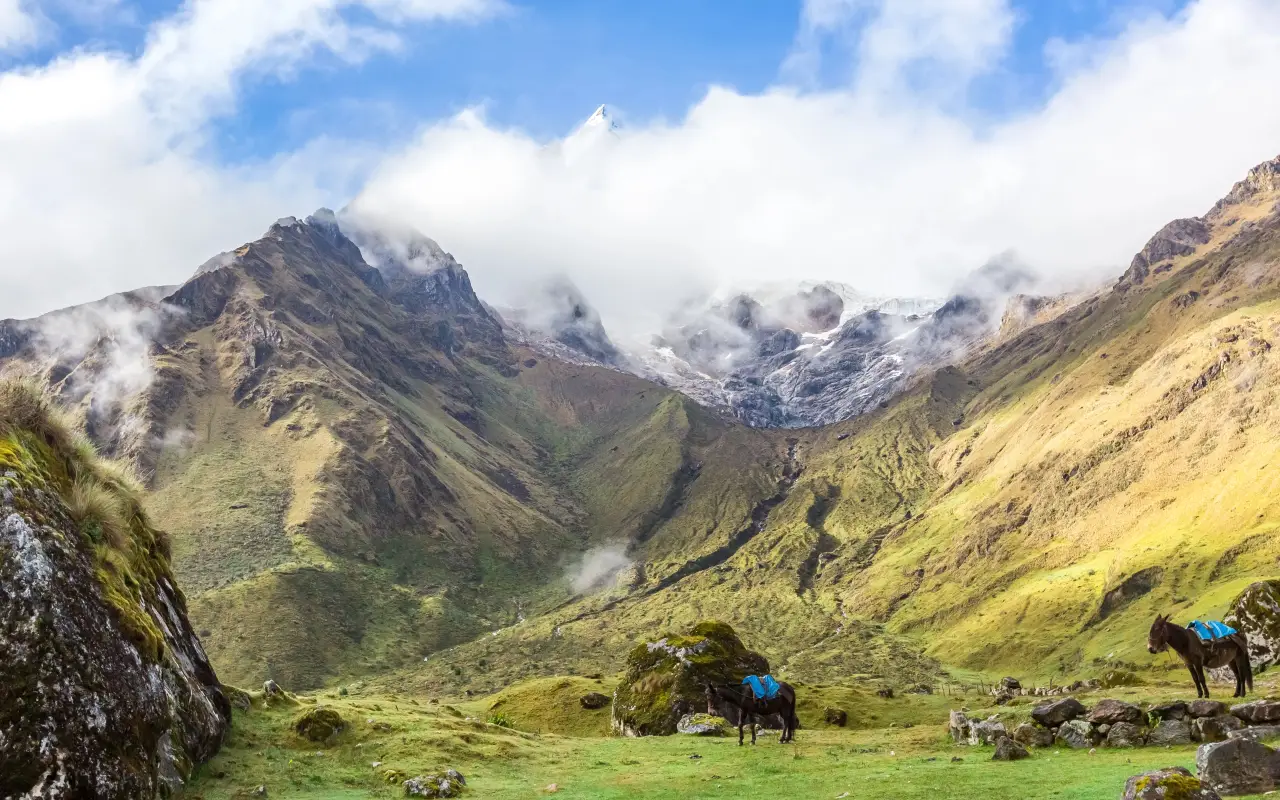
Twice as deep as the Grand Canyon in places, Colca Canyon offers dramatic vistas of terraced agriculture clinging to steep walls, glacial‑fed rivers at the bottom, and vibrant local villages where Aymara and Collagua traditions endure. Whether you gaze at condors circling from the Cruz del Cóndor lookout or descend to the canyon floor for a multi‑day trek, Colca delivers a blend of natural grandeur and living Andean culture.
What to Expect
Most visitors begin in Chivay (3,600 m), joining a morning excursion to the Cruz del Cóndor viewpoint to watch condors wheel overhead. Day‑hikes branch from Yanque or San Juan de Chuccho, winding down switchbacks through terraced fields to the Sangalle Oasis (2,050 m) where natural hot springs await. Multi‑day treks cover 2–3 days, camping at simple lodges or designated campsites, with each day’s hike covering 12–18 km of steep ascents and descents along the Colca River gorge.
Background and Cultural Context
Long before the Incas, Collagua and Cabana peoples built the canyon’s iconic terraces—still farmed today using ancestral irrigation. During colonial times, Spanish settlers introduced new crops and church architecture to villages like Coporaque and Maca. Modern communities maintain day‑markets where alpaca textiles and local cheeses are traded, while annual festivals blend Catholic and Andean beliefs in colorful processions.
Best Time to Visit
May–September (dry season) offers clear skies and stable trail conditions. Early mornings (6–8 AM) at Cruz del Cóndor provide the best condor‑viewing thermals. Shoulder months (April, October) balance fewer tourists with occasional short rains. Trek early to avoid afternoon showers, and prepare for wide daily temperature swings—sunny canyon floors can reach 25 °C, while nights on the rim drop near freezing.
How to Get There
Colca Canyon lies 160 km northwest of Arequipa. From Arequipa’s Plaza de Armas, buses and shared vans (~4 h) travel to Chivay. Private tours include en route stops at the Pampa de Cañahuas vicuña reserve and hot springs at La Calera. For independent adventurers, overnight in Chivay before setting out; reserve trekking permits and accommodation in advance through Chivay lodges or tour operators.
Photo Opportunities
- Andean condors silhouetted against the sunrise sky from Cruz del Cóndor
- Sunlit terraced fields cascading down canyon walls near Yanque
- Reflection of canyon cliffs in the emerald pools of Sangalle Oasis
- Traditional weaver in Maca market displaying colorful alpaca textiles
- Starry night sky over Colca River campsites framed by rugged canyon walls
Travel Tips
- Acclimatize in Arequipa (2–3 days) to minimize altitude sickness before entering the rim.
- Pack layered clothing, sun protection, sturdy boots, trekking poles, and a warm sleeping bag.
- Carry enough water and high‑energy snacks—services are limited on the trail.
- Book condor‑viewing tours or treks through reputable local operators to support sustainable tourism.
- Respect terraces and private lands—stay on marked paths and leave no trace.
FAQs
Is hiking Colca Canyon suitable for beginners?
Moderate to challenging. Day‑hikes to Sangalle are accessible for reasonably fit hikers; multi‑day treks require good fitness and preparation.
Can I see condors without a guide?
Yes—Cruz del Cóndor is public access, but guides enhance sightings with local knowledge and historical context.
Are there hot springs?
Yes. La Calera springs en route and Sangalle oasis pools in the canyon offer natural thermal baths.
Do I need a permit?
No formal permit is required for public trails, but overnight camping must be arranged with local communities.
Final Thoughts
Exploring Colca Canyon combines epic Andean trekking, cultural encounters in high‑altitude villages, and the awe of condors in free flight. Whether you linger at the rim for sunrise spectacles or descend into the gorge’s verdant depths, Colca delivers an unforgettable Andean adventure.