Claim to Fame
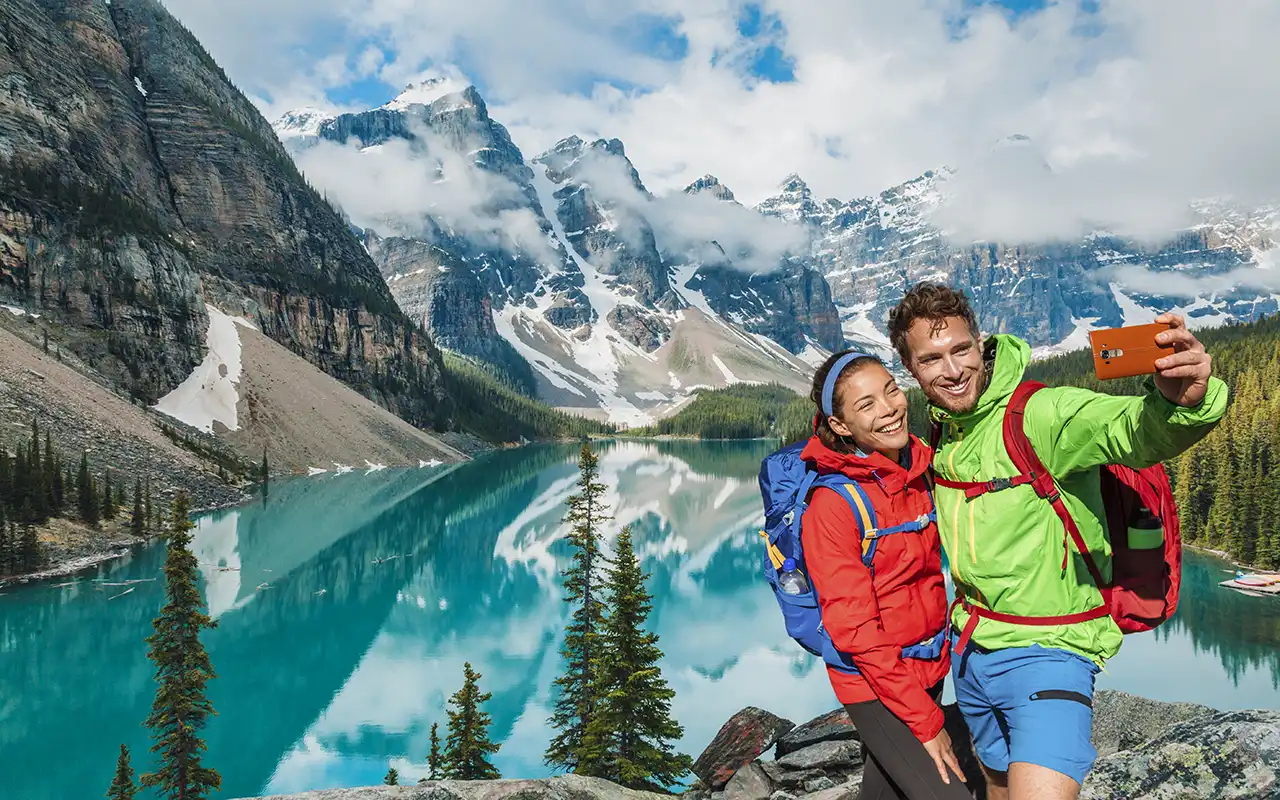
Banff National Park is Canada’s oldest national park and a UNESCO World Heritage Site—famed for its towering peaks, turquoise glacial lakes, abundant wildlife, and extensive hiking trails.
📌 Navigating Banff National Park : Answers to Frequently Asked Questions
- Admission Fee: There is an admission fee for entry into Banff National Park, with options for daily passes or annual park passes available.
- How Long to Visit: A typical visit to Banff National Park can range from a few hours to several days, depending on the activities planned and areas explored.
- Washrooms: Washrooms are located at visitor centers and popular trailheads, with some backcountry areas offering minimal facilities.
- Hours of Operation: The park is open year-round, with visitor services varying by season, so it's advisable to check specific hours of operation for attractions.
- Important Information: Visitors should prepare for variable weather conditions, follow park regulations, and be aware of wildlife safety measures while exploring the park.
- Handicap Accessible: Many areas and facilities within Banff National Park are handicap accessible, including some trails and visitor centers.
- Pets: Pets are allowed in certain areas of the park but must be kept on a leash and are not permitted on most trails and in designated natural areas.
- Guided Tours: Guided tours are available through various operators, offering experiences such as wildlife viewing, hiking, and skiing.
- Restaurant or Cafe: There are several restaurants and cafes in Banff town and within the park, offering a variety of dining options from casual to fine dining.
- Gift Shop: Gift shops can be found in Banff town and at various visitor centers, offering souvenirs, outdoor gear, and local crafts.
- Parking: Parking is available at various designated lots throughout Banff National Park, with some areas requiring a parking fee during peak seasons.
- Family Friendly: The park is family friendly, offering a range of activities suitable for children, including easy hiking trails and educational programs.
- Photography: Banff National Park is a photographer's paradise, with stunning landscapes, wildlife, and iconic landmarks like Lake Louise and Moraine Lake.
- WIFI: WiFi access may be limited to certain visitor centers and accommodations within the park, but is generally not available in remote areas.
- Picnic Area: Picnic areas are available throughout the park, providing designated spots for visitors to enjoy meals surrounded by nature.
Photos of Banff National Park
Located in Alberta’s Rocky Mountains, Banff National Park offers breathtaking landscapes ranging from alpine meadows and snow-capped summits to dense forests and serene valleys. Visitors can explore iconic spots like Lake Louise, Moraine Lake, and the Banff townsite, where outdoor adventure blends seamlessly with vibrant local culture. Whether you’re hiking, canoeing, wildlife watching, or relaxing in natural hot springs, Banff’s pristine wilderness captivates all seasons.
What to Expect
Explore a vast network of trails ranging from easy lakeside strolls to challenging mountain summits. Canoe or kayak on crystal-clear lakes, soak in the Banff Upper Hot Springs, or ride the Banff Gondola for panoramic views. Wildlife sightings may include elk, bears, mountain goats, and eagles. The town of Banff offers shops, restaurants, museums, and cultural events, complementing your nature immersion with urban comforts.
Background and Cultural Context
Established in 1885 after the discovery of hot springs, Banff has grown into a premier national park balancing conservation with tourism. The area holds significance for Indigenous peoples such as the Stoney Nakoda, who have stewarded the land for centuries. The park’s diverse ecosystems and geological formations showcase the natural history of the Canadian Rockies and efforts to preserve wilderness heritage.
Best Time to Visit
Summer (June–September) offers warm temperatures (15–25 °C) and accessible hiking trails, with wildflowers in full bloom. Winter (December–March) transforms Banff into a snowy playground for skiing, snowshoeing, and ice skating. Spring and fall offer fewer crowds and stunning seasonal color changes. Early mornings and late afternoons provide the best light for photography and wildlife activity.
How to Get There
Banff is a 1.5-hour drive west of Calgary International Airport via the Trans-Canada Highway (Highway 1). Shuttle services and car rentals are available from Calgary. Within the park, shuttle buses serve popular lakes and trailheads. The town of Banff offers ample accommodations ranging from lodges to boutique hotels.
Photo Opportunities
- Panoramic views of Moraine Lake’s turquoise waters framed by the Valley of the Ten Peaks
- Sunrise over Lake Louise reflecting the surrounding alpine peaks
- Wildlife shots of elk grazing near the Banff townsite or bighorn sheep on mountain slopes
- Aerial views from the Banff Gondola at Sulphur Mountain
- Winter scenes of snow-covered trees and frozen waterfalls in Johnston Canyon
Travel Tips
- Book accommodations and popular activities well in advance, especially in summer and winter peak seasons.
- Carry bear spray and familiarize yourself with wildlife safety protocols.
- Wear layered clothing suitable for variable mountain weather and sturdy hiking boots.
- Arrive early at popular lakes and trailheads to avoid crowds and secure parking.
- Use park shuttles to reduce traffic congestion and environmental impact.
FAQs
Is Banff suitable for families?
Yes. Many easy trails, picnic areas, and family-friendly attractions make Banff ideal for all ages.
Are pets allowed in the park?
Pets are allowed in certain areas but must be leashed; many trails and lakes have restrictions.
Is there cell phone coverage?
Coverage is available in town and major viewpoints but limited in remote backcountry areas.
Can I visit year-round?
Yes. Banff offers distinct seasonal experiences year-round—from summer hiking to winter sports.
Final Thoughts
Banff National Park embodies the grandeur of Canada’s Rockies with its stunning landscapes, abundant wildlife, and rich cultural history. Whether seeking outdoor adventure or peaceful nature escapes, Banff offers an unforgettable gateway to wilderness beauty and alpine charm.